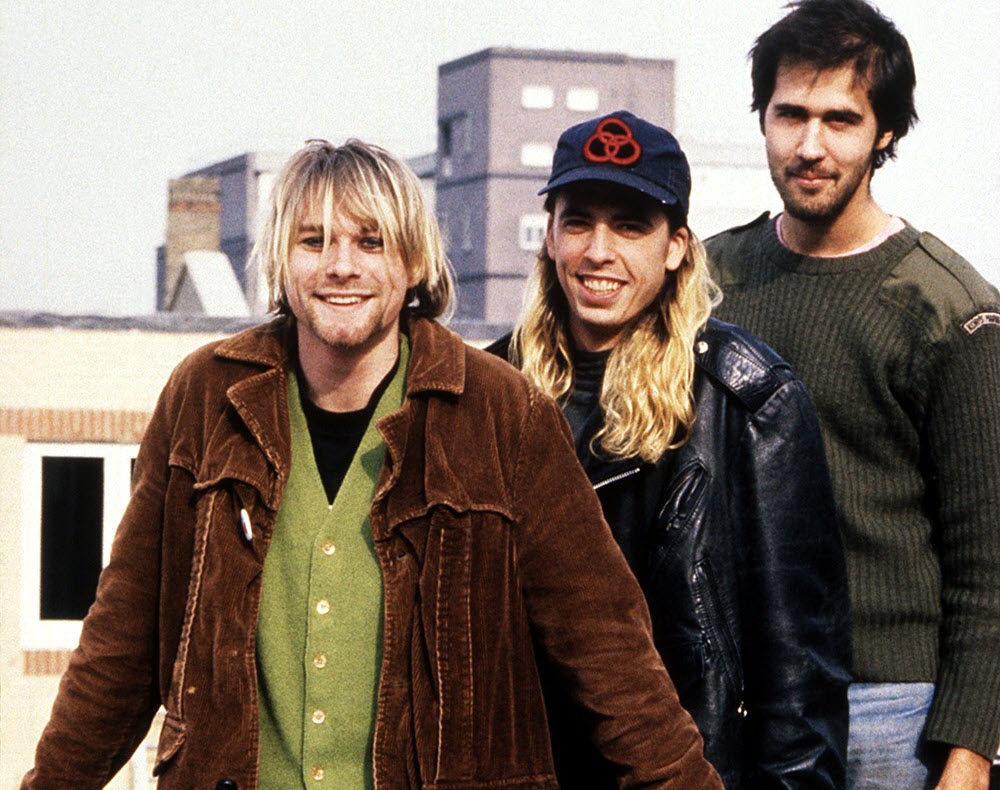
Nirvana, the iconic grunge band that defined a generation, continues to resonate through the halls of music history. Bursting onto the scene in the early ’90s, they captured the angst and spirit of youth with their raw sound and poignant lyrics. Led by the enigmatic Kurt Cobain, Nirvana’s music transcended the traditional rock genre, blending punk energy with melodic hooks that spoke to millions. As we dive into the top 10 most popular Nirvana songs of all time, we’ll explore the tracks that not only topped the charts but also became anthems of a cultural revolution. From the haunting melodies of “Come As You Are” to the explosive energy of “Smells Like Teen Spirit,” each song tells a story of rebellion, heartache, and longing. These timeless classics have influenced countless artists and continue to inspire new generations. Join us as we celebrate the unforgettable legacy of Nirvana, revisiting the tracks that not only defined a musical era but also paved the way for alternative rock. Get ready to relive the powerful emotions and unforgettable riffs that make Nirvana a band like no other!
1. Smells Like Teen Spirit (1991)
“Smells Like Teen Spirit” didn’t just launch Nirvana into superstardom—it shook the entire foundation of rock music. Released in 1991 as the opening track of Nevermind, the song became the unofficial anthem of Generation X. From the moment that distorted guitar riff crashes in, you’re pulled into a wave of raw energy, rebellion, and youthful apathy. Kurt Cobain’s voice, drenched in grit and frustration, cuts through the fuzz with lyrics that are cryptic but emotionally explosive. The chorus—“Here we are now, entertain us”—felt like a defiant shrug to mainstream culture, and yet it pulled the mainstream in. The music video, set in a high school gym spiraling into anarchy, perfectly captured the spirit of disillusionment. What makes the song legendary is not just its sound but its timing—it gave a voice to a generation fed up with flashy pop and hair metal, helping ignite the grunge movement. Even decades later, “Smells Like Teen Spirit” remains a thunderous reminder that rock music can still shake the walls and rattle the soul.
2. Come As You Are (1992)
“Come As You Are” is one of Nirvana’s most haunting and melodically hypnotic songs. Released in 1992 as the second single from Nevermind, it showcases the band’s ability to craft something deeply introspective without losing the edge that defined them. Built around a watery, echo-drenched guitar riff, the song flows with a mysterious, dreamlike quality that lingers long after it ends. Kurt Cobain’s vocals are subdued yet filled with underlying tension, adding weight to lyrics that walk the line between welcome and warning. “Come as you are, as you were, as I want you to be”—the refrain feels both inviting and cynical, perfectly encapsulating the contradictions that defined Cobain’s outlook. While many listeners interpret the lyrics as a call for authenticity, there’s also an eerie undertone of mistrust and emotional distance. The track’s haunting beauty and melancholic vibe made it a standout hit and a staple of 1990s alternative rock. “Come As You Are” remains one of Nirvana’s most iconic and emotionally layered songs—a timeless invitation wrapped in quiet rebellion.
3. Lithium (1992)
“Lithium,” released in 1992, is a brilliant exploration of the emotional rollercoaster that comes with mental instability. It’s a track that encapsulates Nirvana’s genius—merging heavy themes with unforgettable hooks. The song’s title, referencing the medication used to treat bipolar disorder, hints at the internal tug-of-war expressed in the lyrics. Cobain sings of losing faith, regaining it, and flipping between numbness and mania. The quiet-verse, loud-chorus structure mirrors these emotional swings, moving from calm introspection to ferocious outbursts of sound and feeling. “I’m so happy ’cause today I found my friends—they’re in my head” is a line that walks the line between irony and honesty, capturing the isolating blur of depression. Musically, the track is deceptively simple—grungy chords, pounding drums—but it’s the emotional intensity that makes it stick. “Lithium” became more than just a grunge anthem; it became a song people turned to when they needed to feel understood in their confusion, sadness, or emotional chaos. It’s a raw, powerful piece of music that continues to resonate with anyone who’s ever tried to hold themselves together in the middle of a storm.
4. Heart-Shaped Box (1993)
“Heart-Shaped Box,” the lead single from Nirvana’s final studio album In Utero (1993), is as dark and twisted as it is mesmerizing. With this track, the band leaned fully into their unpolished, visceral sound, moving away from the cleaner production of Nevermind. The song opens with a heavy, discordant riff that feels more like a creeping shadow than a rock hook. Lyrically, it’s Cobain at his most cryptic and symbolic, weaving images of illness, religion, desire, and entrapment into a disturbing portrait of emotional claustrophobia. Lines like “I’ve been locked inside your heart-shaped box for weeks” suggest a suffocating relationship, but Cobain never offers clear answers. His vocal performance shifts from fragile to ferocious, capturing the agony and obsession that lurk beneath the surface. The music video, filled with surreal and grotesque imagery, added to the track’s mystique and cemented its place as one of Nirvana’s most artistically daring pieces. “Heart-Shaped Box” isn’t just a song—it’s a descent into a troubled mind. And that’s exactly what makes it so captivating.
5. About a Girl (1989)
“About a Girl” stands out in Nirvana’s catalog as one of their earliest and most melodically accessible songs. First released on their 1989 debut album Bleach, it offered a glimpse into Cobain’s pop sensibility, even at a time when the band was rooted in the raw sound of underground punk and grunge. The track is deceptively simple—just a few chords, a catchy chorus, and some cryptic lyrics—but it’s emotionally loaded. Written about his then-girlfriend Tracy Marander, who supported him while he was broke and living in squalor, the song explores the tension between affection and apathy. Cobain himself once worried the track was “too pop” for Bleach, but its melodic structure and relatable vulnerability are exactly what make it timeless. The song gained renewed attention with Nirvana’s MTV Unplugged in New York performance in 1993, where a stripped-down acoustic version gave it new life and deeper poignancy. “About a Girl” was proof that Nirvana could craft something beautiful and direct without losing their authenticity—and it’s often seen as the bridge between their punk roots and their eventual mainstream breakthrough.
6. “Heart-Shaped Box” (1993)
“Heart-Shaped Box” is one of Nirvana’s most haunting and enigmatic tracks, released as the lead single from their 1993 album *In Utero*. With its eerie guitar riffs and cryptic lyrics, the song explores themes of obsession, illness, and emotional entrapment. Kurt Cobain’s anguished vocals add a raw vulnerability that gives the song its intense emotional weight. While the lyrics remain open to interpretation, many believe Cobain was reflecting on his complex relationship with fame and his personal life, particularly his marriage to Courtney Love. The track’s music video, filled with surreal imagery, reinforced its mystique and left a lasting impression on MTV viewers in the early ’90s. “Heart-Shaped Box” demonstrated the band’s willingness to move beyond the polished sound of *Nevermind* into more challenging, emotionally charged territory. Its success proved that Nirvana could evolve while still maintaining the raw, grunge identity that made them iconic. To this day, the song stands as a chilling yet captivating glimpse into the tortured soul behind Nirvana’s music.
7. “All Apologies” (1993)
Released in 1993, “All Apologies” was the final track on *In Utero* and one of Kurt Cobain’s most introspective and heartfelt compositions. The song is filled with a melancholy sense of resignation, as Cobain seemingly comes to terms with his own flaws and the expectations placed upon him. Accompanied by a droning cello and subdued guitar work, the track feels like a quiet confession, contrasting sharply with Nirvana’s typically aggressive sound. “All Apologies” gained even more poignancy when performed during Nirvana’s *MTV Unplugged* session, where the stripped-down acoustic arrangement emphasized the raw emotional core of the lyrics. Lines like “What else should I be? All apologies” speak to Cobain’s inner struggle with identity and guilt. After Cobain’s tragic death in 1994, the song took on a deeply mournful significance, often interpreted as a farewell or an unintended epitaph. Despite—or perhaps because of—its sorrowful tone, “All Apologies” remains one of Nirvana’s most beloved songs, appreciated for its vulnerability and the quiet beauty it brings to the band’s otherwise loud, chaotic legacy.
8. “About a Girl” (1989 / 1994)
Originally released on Nirvana’s 1989 debut album *Bleach*, “About a Girl” is a standout track that hinted at the pop sensibility Kurt Cobain would later embrace on *Nevermind*. With its jangly guitar riff and straightforward structure, the song was unusually melodic for early Nirvana, showing Cobain’s affection for bands like The Beatles. Lyrically, “About a Girl” is a candid reflection of his complicated relationship with then-girlfriend Tracy Marander, written in a moment of introspection. The track gained renewed attention when the band performed it during their 1993 *MTV Unplugged* set. The acoustic version, which was later included on the *MTV Unplugged in New York* album, gave the song a fresh vulnerability and helped introduce it to a wider audience. “About a Girl” bridges the gap between Nirvana’s raw beginnings and their more polished mainstream work. Its simplicity and honesty have helped it endure over the years, earning it a permanent place in Nirvana’s legacy as both a fan favorite and a glimpse into the softer side of their sound.
9. “Drain You” (1991)
“Drain You” may not have achieved the commercial success of “Smells Like Teen Spirit,” but it remains one of *Nevermind*’s most powerful and beloved tracks. Released in 1991, the song showcases the full force of Nirvana’s loud-quiet-loud dynamic, with Cobain’s distorted guitar, pounding drums from Dave Grohl, and a strangely melodic undertone beneath all the noise. Lyrically, it’s a surreal and twisted love song, full of bizarre imagery—“chew your meat for you” being one of its most quoted lines. Cobain once mentioned that he considered “Drain You” to be as good, if not better, than “Teen Spirit,” and many fans and critics have echoed that sentiment over the years. The song’s middle section, filled with feedback and chaotic effects, gives it an almost experimental edge while still maintaining a catchy, anthemic feel. “Drain You” captures the emotional tension, youthful angst, and strange beauty that defined Nirvana’s music. It remains a staple in live performances and a track that continues to resonate with listeners who appreciate the depth beneath the grunge distortion.
10. “The Man Who Sold the World” (1994)
Although originally written and recorded by David Bowie in 1970, Nirvana’s cover of “The Man Who Sold the World” became one of the defining moments of their *MTV Unplugged in New York* performance in 1993. Stripped of electric guitars and distortion, the acoustic setting brought a haunting intimacy to the song, with Cobain’s somber vocals breathing new life into Bowie’s enigmatic lyrics. The track explores themes of identity, existentialism, and alienation—subjects Cobain deeply related to—and his rendition added a raw, emotional dimension that made it feel like his own. When the Unplugged album was released in 1994, shortly after Cobain’s death, this performance stood out as a chilling reminder of his artistic depth and personal struggle. Bowie himself praised Nirvana’s version, acknowledging that many young fans first discovered the song through their cover. “The Man Who Sold the World” stands as a beautiful, melancholic piece of Nirvana’s legacy—proof that Cobain’s genius lay not only in his songwriting but also in his ability to interpret the work of others and make it resonate in an entirely new way.

Edward Tomlin is a frequent contributor to Singers Room. Since 2005, Singersroom has been the voice of R&B around the world. Connect with us via social media below.









