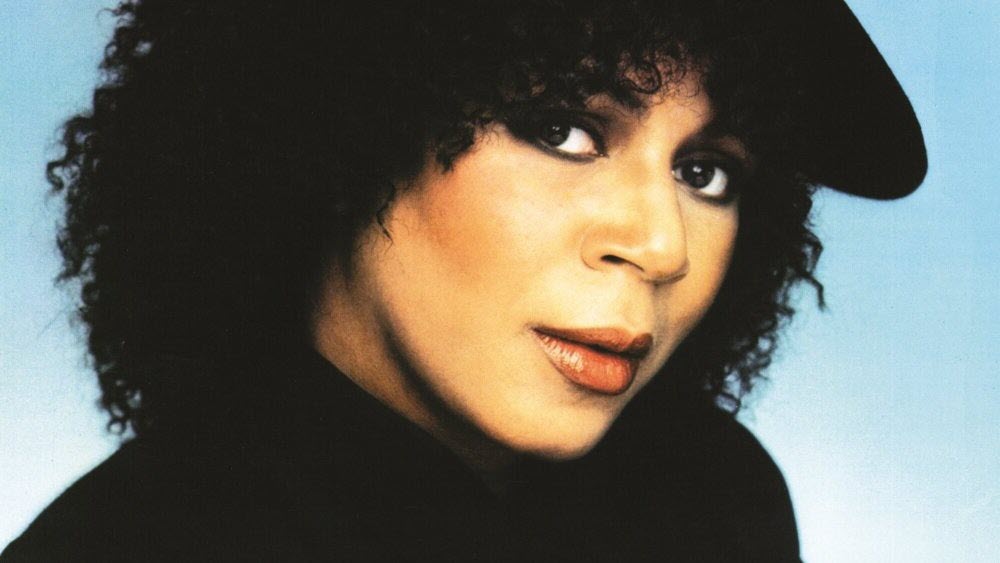
When you hear the name Minnie Riperton, one thing likely comes to mind first: that voice. With a five-octave range and a whistle register that could send chills down your spine, Riperton wasn’t just a singer—she was a phenomenon. But beyond the vocal acrobatics and ethereal tones, Minnie Riperton poured soul, emotion, and authenticity into every note she sang. Her music transcended genres, blending soul, pop, jazz, and funk into a sound that was uniquely hers. Though her life was tragically cut short at just 31, her influence continues to resonate through generations of artists and music lovers alike.
This list of the Top 10 Most Popular Minnie Riperton Songs of All Time dives into the tracks that defined her career and cemented her legacy. From chart-topping hits to cult classics, each song showcases a different shade of Riperton’s artistry—sensual, joyful, introspective, and always unforgettable. Whether you’re discovering her for the first time or revisiting her catalog with nostalgic admiration, these songs represent the heart and soul of one of music’s most angelic voices. Get ready to float, groove, and maybe even shed a tear—because Minnie Riperton’s brilliance is timeless.
1. “Lovin’ You” (1975)
“Lovin’ You” isn’t just a song—it’s a musical treasure that defined Minnie Riperton’s career and continues to resonate with generations of listeners. Released in 1975, this ethereal ballad captured hearts around the world with its gentle simplicity and emotional purity. Co-written with her husband Richard Rudolph and crafted under the creative guidance of Stevie Wonder, the song was originally a lullaby Minnie sang to their daughter, Maya. With nothing more than a Rhodes keyboard, birds chirping softly in the background, and Riperton’s angelic voice, “Lovin’ You” delivers a breathtaking ode to pure love. The minimal arrangement only amplifies the impact of Riperton’s whistle register, a vocal feat few can match. When she sings “la la la la la,” it’s not just pretty filler—it’s a moment of transcendence. The song soared to No. 1 on the Billboard Hot 100 and remains a soul-pop classic, often covered, sampled, and referenced. But beyond its commercial success, “Lovin’ You” is a deeply personal and emotional masterpiece. It embodies the power of vulnerability and intimacy in music, and decades later, it still has the ability to stop listeners in their tracks with its quiet, undeniable beauty.
2. “Inside My Love” (1975)
“Inside My Love,” from Minnie Riperton’s 1975 album Adventures in Paradise, is a bold and breathtaking piece of sensual soul music that manages to be both intimate and profound. Co-written with the legendary Leon Ware and her husband Richard Rudolph, the song explores themes of vulnerability and desire with poetic grace. While its lyrics can be interpreted as overtly sensual—“Do you wanna ride inside my love?”—Riperton’s delivery adds layers of emotion that elevate the track beyond seduction. Her voice doesn’t simply sing the lyrics; it caresses them, transforming each phrase into a plea for deeper emotional connection. The arrangement is lush and atmospheric, with jazzy chord progressions, silky strings, and a rhythm section that grooves without overwhelming. The contrast between the lyrics and her angelic falsetto creates a tension that’s as haunting as it is alluring. Though “Inside My Love” didn’t chart high commercially, it has since become one of Riperton’s most beloved tracks among soul aficionados and crate-diggers alike. Sampled by artists and revered in retrospectives, the song stands as a fearless artistic statement. It’s a reminder that soul music can be as cerebral as it is sensual—and that Riperton was a master of both.
3. “Memory Lane” (1979)
“Memory Lane,” released in 1979 as part of Minnie Riperton’s final album Minnie, is a deeply emotional and poignant ballad that resonates with themes of nostalgia, love, and impermanence. Recorded not long before her untimely death from cancer at just 31, the song feels like a farewell wrapped in music. From the opening piano chords, there’s a reflective stillness, a sense that the listener is being gently invited into Riperton’s inner world. Her voice, always remarkable, carries a quiet ache here—soft but unshakably powerful. The lyrics, filled with wistful longing and gratitude, avoid melodrama in favor of sincerity. She doesn’t mourn the past; she honors it. “I stumbled on this photograph…” she sings, opening the door to a flood of memories and emotions. The track didn’t reach the commercial heights of “Lovin’ You,” but it holds a sacred place in her catalog, treasured for its authenticity and vulnerability. “Memory Lane” is more than a song—it’s an emotional journey, a bittersweet goodbye from a woman whose voice continues to echo through time. For fans and newcomers alike, it remains a reminder of the beauty that can emerge even in life’s most fragile moments.
4. “Perfect Angel” (1974)
The title track from Minnie Riperton’s 1974 album Perfect Angel is a charming and heartfelt ode to idealized love. Co-produced by Stevie Wonder, working under the pseudonym El Toro Negro, the track blends elements of soft rock, soul, and pop to create a breezy, optimistic atmosphere. Riperton’s vocals, effortlessly gliding from silky lows to soaring highs, deliver a message of admiration and emotional sanctuary. There’s a genuine warmth to her performance, as if she’s singing directly to someone who makes the world feel kinder. Gentle guitar strums, mellow percussion, and a steady rhythm section build a sonic cushion that allows her voice to shine without distraction. Lyrically, the song is about more than romance—it’s about finding someone who helps you believe in beauty, hope, and possibility. While “Perfect Angel” was overshadowed commercially by the runaway success of “Lovin’ You,” it’s no less significant in Riperton’s discography. In fact, it captures much of what made her artistry so special: emotional sincerity, melodic grace, and an unshakable sense of optimism. The song remains a tender highlight, an example of love expressed with both simplicity and soul.
5. “Young, Willing and Able” (1977)
With “Young, Willing and Able,” released in 1977, Minnie Riperton boldly stepped onto the disco dance floor—and did it with flair. As the lead single from her Stay in Love album, the track marked a stylistic shift from the dreamy ballads she was known for to a funkier, more confident sound. Produced by Motown hitmaker Freddie Perren, the song is a vibrant blend of tight horns, groovy basslines, and irresistible rhythm. Riperton trades her signature softness for something sassier and more assertive, channeling empowerment and playful flirtation in equal measure. “I’m young, willing and able,” she declares with bold conviction, signaling a woman who knows what she wants and isn’t afraid to say it. The track may not have scaled the pop charts like “Lovin’ You,” but it quickly became a dancefloor staple and showcased Riperton’s underrated versatility. It’s a joyous reminder that she wasn’t just a vocal powerhouse—she was also a dynamic performer unafraid to evolve. “Young, Willing and Able” deserves its flowers as a groove-laden gem that highlighted another facet of Minnie’s artistry: bold, bright, and ready to move.
6. “Take a Little Trip” (1974)
“Take a Little Trip,” from Minnie Riperton’s 1974 breakthrough album Perfect Angel, is the musical equivalent of a summer breeze—light, carefree, and soul-soothing. Unlike her more dramatic or sensual tracks, this song invites listeners to relax, reflect, and let go. Co-produced by Stevie Wonder, the track features his subtle influence through a sunny blend of soul, funk, and folk-pop. The groove is laid-back, with a rhythm that feels like it was made for windows-down road trips or daydreaming in the sun. Riperton’s voice, airy and effortless, dances through the melody with an inviting ease, bringing warmth and lightness to every line. Lyrically, it’s about taking a mental and emotional break—escaping the stress of the world, even if just for a moment. It’s not trying to be a hit or make a grand statement; it simply asks the listener to breathe and enjoy the moment. Though never released as a single, “Take a Little Trip” is one of those hidden gems that fans cherish. It’s a reminder of Riperton’s range—not just vocally, but emotionally. She could turn even the simplest sentiment into something that felt profound, joyful, and entirely her own.
7. “Reasons” (1974)
“Reasons,” nestled within Minnie Riperton’s Perfect Angel album, is a tender, introspective ballad that dives deep into the mysteries of love. While it lacks the high-profile status of “Lovin’ You,” it stands as one of Riperton’s most emotionally resonant and mature performances. The song questions why we love, what keeps us holding on, and how love shapes us. It doesn’t offer easy answers—instead, it gently explores love’s contradictions and complexities with poetic vulnerability. Musically, it’s more grounded than some of her more ethereal work, with richer instrumentation and a somber tone that underscores the song’s reflective nature. Riperton’s vocals here are soulful and controlled, moving from quiet whispers to emotional high notes with seamless grace. Her voice feels like a companion in contemplation, never overpowering, always present. While “Reasons” was never released as a single, it has become a favorite among devoted fans who appreciate Riperton’s depth as both a singer and a songwriter. It’s a quiet standout in her catalog—a song that doesn’t try to dazzle, but instead invites the listener to think, feel, and remember the reasons we open our hearts in the first place.
8. “Les Fleurs” (1970)
“Les Fleurs,” the opening track on Minnie Riperton’s 1970 debut solo album Come to My Garden, is a grand, cinematic introduction to a once-in-a-generation talent. Produced by Charles Stepney, the track is nothing short of a sonic tapestry—lush orchestration, sweeping strings, and Riperton’s ethereal vocals all coalesce into a moment of musical magic. From the soft, dreamy opening to the explosive, triumphant chorus, “Les Fleurs” captures the feeling of transformation and rebirth. The song’s title, French for “The Flowers,” reflects its themes of blooming and spiritual awakening, echoing Riperton’s own emergence as a solo artist after her time with the psychedelic soul group Rotary Connection. The track’s genre-defying blend of classical, jazz, and soul influences marked it as ahead of its time. Though the song didn’t gain mainstream attention upon release, it has since become a cult favorite—sampled by modern artists and featured in films and commercials. “Les Fleurs” is now recognized as one of Riperton’s most visionary works. It’s more than a song—it’s an experience, one that feels like a sunrise set to music. With this track, Riperton didn’t just arrive—she bloomed, fully and fearlessly.
9. “Baby, This Love I Have” (1975)
“Baby, This Love I Have,” from Minnie Riperton’s 1975 Adventures in Paradise album, is a smooth, soul-jazz gem that’s quietly become one of her most beloved tracks. Anchored by a hypnotic bassline and slick, understated instrumentation, the song glides with effortless groove. Riperton’s vocals, while more restrained than her famous soprano flights, are rich and textured—intimate, almost conversational. Lyrically, the song expresses a deep, steady love that doesn’t need grand declarations; it’s about the quiet comfort of being known and understood. There’s a relaxed confidence in both the writing and the delivery, and it’s that understated sincerity that makes the track feel so personal. The song has gained renewed popularity over the years, especially among hip-hop and R&B artists who’ve sampled its lush intro and buttery rhythms. But its impact isn’t just about its influence—it’s a testament to Riperton’s skill at capturing subtle emotional truths. “Baby, This Love I Have” proves that love songs don’t always have to soar; sometimes, the real beauty lies in their quiet honesty and soulful warmth. It’s a track that grows on you with each listen, revealing new layers of intimacy and artistry.
10. “Can You Feel What I’m Saying?” (1974)
“Can You Feel What I’m Saying?” from Minnie Riperton’s Perfect Angel album is a funky, soul-infused track that balances groove with emotional depth. From its opening guitar riff, the song immediately sets a mood—cool, laid-back, but filled with meaning. It’s one of Riperton’s more rhythm-driven offerings, showcasing her ability to ride a beat just as effortlessly as she soars over a ballad. Her vocals on this track are expressive and nuanced, shifting between confidence and vulnerability as she asks the listener a fundamental question: can you really understand me—on a deeper, human level? There’s a conversational tone to the lyrics, as if Riperton is letting us in on a personal moment, questioning emotional connection and communication in love. The arrangement features funky guitar licks, subtle keys, and tight harmonies that enrich the sonic palette without overwhelming her voice. Though not one of her most commercially successful songs, “Can You Feel What I’m Saying?” has earned respect for its emotional honesty and musical sophistication. It’s a perfect example of 1970s soul music with substance—inviting, thoughtful, and rhythmically engaging. Riperton wasn’t just singing for the sake of beauty—she was reaching for something deeper.

Samuel Moore is a frequent contributor to Singers Room. Since 2005, Singersroom has been the voice of R&B around the world. Connect with us via social media below.









