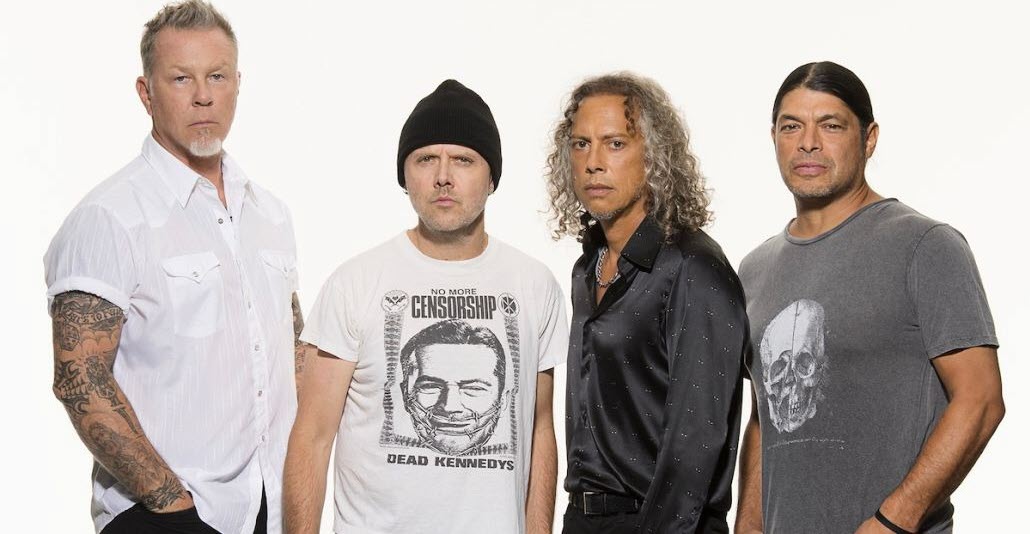
Metallica, the titans of thrash metal, have been rocking the world since their formation in 1981. With a sound that blends blistering guitar riffs, thunderous drums, and powerful lyrics, they have crafted a legacy that spans decades. As we dive into the top 10 most popular Metallica songs of all time, prepare to relive the adrenaline and intensity that has defined generations of music lovers. From their groundbreaking album Master of Puppets to the raw energy of Kill ‘Em All, each track tells a story of rebellion, struggle, and triumph.
These anthems have not only influenced countless musicians but have also become staples at concerts around the globe, igniting mosh pits and sing-alongs. Whether you’re a die-hard fan or a newcomer to their music, this countdown will take you on a thrilling journey through Metallica’s most iconic hits. Get ready to crank up the volume and experience the electrifying power of these legendary tracks that have solidified Metallica’s place in rock history. Join us as we celebrate the songs that have not only defined a genre but have also left an indelible mark on the cultural landscape.
1. Enter Sandman (1991)
“Enter Sandman” is one of those rare songs that feels like an experience from the very first note. Opening with a soft, unsettling guitar riff, it creeps in like a whisper from the shadows before exploding into a wall of sound. Released in 1991 on the self-titled Metallica album, the track dives into the universal childhood fear of what lurks in the dark—the “monster under the bed” that we all imagined at some point. James Hetfield’s vocals shift between ominous and commanding, painting vivid images of restless nights and nightmares you can’t escape. As the riff grows heavier, the song transforms from quiet unease into a full-on sonic assault, capturing the way fear can suddenly overwhelm you. Kirk Hammett’s searing guitar solo adds a layer of chaos and tension, while Lars Ulrich’s pounding drums drive the song forward like an unstoppable force. It became Metallica’s breakthrough hit, blasting them into mainstream recognition and dominating live setlists ever since. More than just a heavy metal anthem, “Enter Sandman” is a dark lullaby—one that twists innocence into something chilling, and in doing so, created one of the most iconic songs in rock history.
2. Master of Puppets (1986)
“Master of Puppets” is widely regarded as Metallica’s magnum opus, a sprawling, complex anthem that defines the essence of thrash metal. Released in 1986 as the title track of their groundbreaking album, it delivers an unrelenting eight-minute exploration of control, addiction, and manipulation. The lyrics read like a cautionary tale, depicting a puppet master pulling the strings of someone helplessly caught in his grasp—a metaphor for substances, systems, or even people that consume and control us. Musically, it’s a tour de force: blistering riffs that shift from aggressive speed to slower, crushing heaviness, with intricate harmonies layered throughout. Midway through, the song takes an unexpected turn into a hauntingly melodic interlude, a moment of calm before the storm returns with twice the intensity. It’s this balance of brutality and beauty that has made “Master of Puppets” a touchstone for musicians and fans alike. The song didn’t just earn critical acclaim—it became the blueprint for an entire generation of metal. Even decades later, its energy feels fresh, its message still resonates, and every bone-rattling riff reminds us why this track is, and always will be, a cornerstone of Metallica’s legacy.
3. One (1989)
“One” is one of Metallica’s most haunting and emotionally charged songs, a chilling meditation on the horrors of war. Released in 1989 on …And Justice for All, it tells the story of a soldier who has lost his limbs, sight, speech, and hearing—a man trapped inside his own body, screaming silently for escape. Inspired by the novel and film Johnny Got His Gun, the lyrics paint a devastating picture of isolation and suffering, making the song one of Metallica’s most powerful anti-war statements. Musically, “One” mirrors this journey with its structure: it begins with a soft, sorrowful guitar line that feels almost mournful, gradually layering in intensity until it erupts into a blistering thrash onslaught. The shift is jarring, as if the listener is dragged from a moment of reflection into the chaos of battle. Kirk Hammett’s soaring guitar solos and Lars Ulrich’s machine-gun-like drumming in the finale seal its impact. “One” became the band’s first music video and earned them widespread acclaim, even winning a Grammy. Decades later, it remains not just a fan favorite but a stark reminder of the human cost of war, blending heaviness with heartbreaking emotion.
4. The Unforgiven (1991)
“The Unforgiven,” from Metallica’s 1991 self-titled album, is a ballad unlike any other in their catalog—a dark, brooding piece that combines heavy metal grit with heartbreaking introspection. The song flips the typical power ballad formula on its head: instead of soft verses and heavy choruses, Metallica reverses it, delivering crushing riffs in the verses and tender melodies in the chorus. This dynamic instantly pulls the listener in, as James Hetfield tells the story of a man crushed by the weight of others’ expectations, trapped by regret and a sense of wasted life. His voice carries a raw vulnerability, sounding almost confessional, while the mournful guitar lines add to the feeling of being haunted by the past. Lyrically, it’s one of Metallica’s most human songs, touching on themes of shame, isolation, and the longing for forgiveness that never comes. The track’s emotional power struck a chord with fans who saw themselves in its struggle. “The Unforgiven” showed that Metallica could go beyond sheer aggression and explore the gray, painful complexities of the human heart—proving that heavy metal can be just as tender as it is powerful.
5. Sad But True (1991)
“Sad But True” is one of Metallica’s heaviest, most menacing tracks—a song that rumbles like an unstoppable beast. Released in 1991 on their self-titled Metallica album, it features a crushingly slow, downtuned riff that hits with the weight of a wrecking ball. The lyrics confront the listener with an uncomfortable truth: the darker side of ourselves, the voice in the mirror we can’t deny. James Hetfield snarls the lines with almost predatory intensity, singing from the perspective of that inner shadow—the part of us that tempts, taunts, and controls. The groove is hypnotic, built around a relentless, sludgy riff that became a signature of the album’s sound. It’s less about speed and more about power, letting every note land with maximum impact. “Sad But True” became an instant live favorite, its stomp-worthy rhythm igniting crowds with every performance. Over the years, it has been covered, remixed, and sampled, proof of its enduring influence. More than just another heavy track, “Sad But True” is a reminder that sometimes the scariest demons aren’t out there—they’re inside us.
6. Nothing Else Matters (1992)
“Nothing Else Matters” is perhaps Metallica’s most surprising and tender creation—a song that showed the world that the heaviest band in metal had a deeply vulnerable side. Released in 1992 on their self-titled album (often called The Black Album), it started as a private love song James Hetfield wrote while on tour, never intending for anyone else to hear it. But when the band decided to record it, it became something far bigger—a universal anthem about love, trust, and connection. The song’s gentle opening guitar arpeggios are instantly recognizable, setting a reflective, almost intimate tone. Hetfield’s voice is unguarded, singing about laying down defenses and letting someone in, while lush orchestral arrangements wrap around the band’s core sound, adding a sweeping emotional weight. It’s a song that transcended genres, played at weddings, graduations, and even by people who never considered themselves metal fans. “Nothing Else Matters” didn’t just show Metallica’s range—it redefined them, proving that they could pour as much heart into a ballad as they did into their hardest-hitting riffs.
7. Seek & Destroy (1983)
“Seek & Destroy” is pure, unfiltered early Metallica—a snarling, high-voltage blast of thrash energy from their debut album Kill ’Em All (1983). This track embodies the wild, untamed spirit of a young band hungry to prove themselves. From the moment that gritty opening riff kicks in, you can feel the aggression and adrenaline surging through every note. The lyrics aren’t weighed down by metaphor—they’re raw, blunt, and ready for a fight. It’s about hunting down what you want, tearing through whatever stands in your way—a rallying cry for rebellion. Over the decades, “Seek & Destroy” has become a live staple, often stretched out into massive, crowd-fueled jams with thousands screaming the chorus back at the band. It’s the kind of song that makes you clench your fist and headbang without thinking, a reminder of the raw power that made Metallica legends in the first place.
8. For Whom the Bell Tolls (1984)
“For Whom the Bell Tolls” is heavy metal storytelling at its most cinematic. Released in 1984 on Ride the Lightning, the song draws inspiration from Ernest Hemingway’s novel of the same name, painting a grim, almost poetic picture of war. Cliff Burton’s legendary opening bass line rumbles like distant thunder, immediately setting a foreboding mood before the crushing guitars storm in. The lyrics are stark and cold, describing soldiers marching toward certain death, trapped in a conflict that feels senseless and inevitable. There’s a haunting quality in the way James Hetfield delivers each line—not screaming, but almost resigned, like someone narrating a grim fate. The song is both a battlefield anthem and a requiem, heavy enough to shake walls yet reflective enough to leave you thinking long after it ends. Decades later, its themes still hit hard, proving that great metal doesn’t just melt faces—it makes you feel and think.
9. Fade to Black (1984)
“Fade to Black” marked a bold turn for Metallica when it appeared on Ride the Lightning in 1984. Known at the time for their relentless speed and aggression, the band stunned fans with this slow, sorrowful ballad—a song drenched in melancholy. Opening with a delicate acoustic guitar, it feels almost fragile, like something about to break. The lyrics are raw and introspective, speaking to feelings of despair and hopelessness, a cry from someone on the edge. As the track unfolds, the heaviness creeps back in: distorted guitars, pounding drums, and Kirk Hammett’s achingly beautiful solos lift the song from quiet sadness to raging catharsis. It’s this contrast—the soft vulnerability and the crushing release—that makes “Fade to Black” one of Metallica’s most moving songs. It was controversial when it first dropped, but it has since become one of their defining tracks, proving that true heaviness isn’t always about speed—it’s about emotional weight.
10. Whiskey in the Jar (1998)
“Whiskey in the Jar” is Metallica at their most playful, proving they can let loose and have fun while still sounding unmistakably like themselves. Released in 1998 on their cover album Garage Inc., the track is their thunderous take on a centuries-old Irish folk song—a tale of love, betrayal, and good old-fashioned mischief. Their version swaps fiddles for ferocious guitars, turning a pub singalong into a raucous, stadium-filling rocker. James Hetfield leans into the storytelling with a grin in his voice, delivering lines about a doomed romance and stolen gold with swagger and grit. The chorus begs to be shouted, beer raised high, while the chugging riffs keep the whole thing barreling forward. It’s a rare moment where Metallica’s heaviness meets pure, joyous rowdiness. Their “Whiskey in the Jar” became a hit in its own right, showing that even a band known for intensity can have a blast—and bring everyone along for the ride.

Edward Tomlin is a frequent contributor to Singers Room. Since 2005, Singersroom has been the voice of R&B around the world. Connect with us via social media below.









