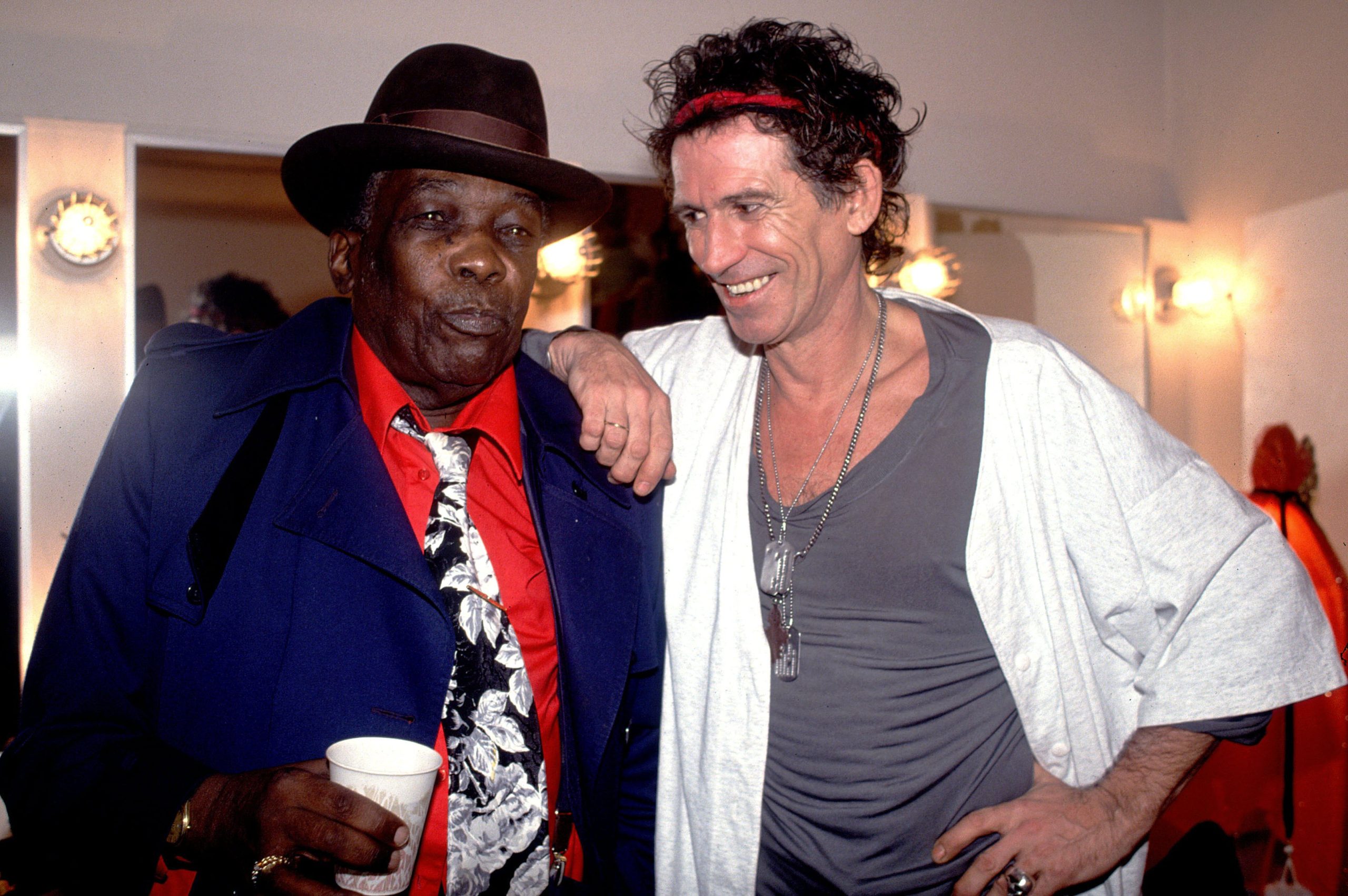
John Lee Hooker, the legendary bluesman whose deep, resonant voice and distinctive guitar style captivated audiences for decades, remains an iconic figure in the world of music. Emerging from the Mississippi Delta, Hooker’s raw sound and storytelling prowess forged a new path in the blues genre, influencing countless artists and shaping the landscape of modern music. With his unique blend of boogie-woogie rhythms and haunting melodies, he created timeless tracks that resonate with listeners even today.
In this article, we delve into the top 10 most popular John Lee Hooker songs of all time, exploring the heart and soul behind each track. From his electrifying anthems that get your feet tapping to the soul-stirring ballads that evoke deep emotion, Hooker’s repertoire showcases the full spectrum of the human experience. Whether you’re a lifelong fan or just discovering his music, this curated list celebrates the incredible legacy of a man who brought the blues to life. Join us as we journey through the soundscapes that define John Lee Hooker, revealing the stories and significance behind his most beloved songs. Get ready to feel the rhythm and embrace the blues!
1. Boom Boom (1962)
“Boom Boom” is one of John Lee Hooker’s most recognizable songs—a gritty, foot-stomping blues track that brims with swagger and personality. Released in 1962, the song opens with an instantly catchy guitar riff that sets the tone for the rest of the track. Hooker’s commanding voice delivers lines that are both flirtatious and confident, making it clear that this is a man who knows exactly what he wants. The repeated “Boom Boom” hook is irresistible, building momentum as the song progresses. Musically, it’s deceptively simple, with a repetitive groove that’s hypnotic and infectious. This minimalist approach is part of what gives it such staying power—it doesn’t need bells and whistles because the groove alone pulls you in. Hooker’s electric guitar work is raw and rhythmic, embodying the Delta blues tradition while also pointing toward the future of rock and roll. “Boom Boom” became a crossover hit, earning a spot in both blues and mainstream rock playlists for generations. It’s more than just a catchy tune—it’s a declaration of confidence and rhythm that captures the essence of Hooker’s powerful musical voice.
2. One Bourbon, One Scotch, One Beer (1966)
“One Bourbon, One Scotch, One Beer” is a masterclass in blues storytelling, blending humor, heartache, and whiskey into a seamless narrative. Released in 1966, the song follows a man down on his luck, recently evicted and nursing his sorrows at the bar. Hooker’s deep, conversational vocal style gives the impression that he’s telling the story directly to you across a table, glass in hand. The title alone hints at the song’s blend of wit and weariness, and the steady blues rhythm reinforces the sense of resignation and melancholy. What makes the song so compelling is its relatability—it captures that universal human moment of trying to drown one’s troubles, even if only temporarily. The instrumentation is subtle yet effective, with Hooker’s signature guitar lines providing both rhythm and mood. There’s a loneliness to the track, but it’s wrapped in a groove that makes you want to nod along. This song became even more popular after being reinterpreted by George Thorogood, but Hooker’s original version remains the definitive take. It’s a blues bar classic, a slice-of-life tale that’s as authentic as it is entertaining.
3. I’m in the Mood (1951)
“I’m in the Mood” is a sultry and minimalist blues gem that captures a moment of yearning with striking emotional clarity. Released in 1951, this track showcases John Lee Hooker at his most intimate, using repetition and subtle dynamics to evoke a mood that’s both seductive and restrained. The lyrics are deceptively simple—just a few lines repeated like a hypnotic mantra—but Hooker’s vocal inflections give each phrase a different emotional weight. The atmosphere is thick with tension and desire, drawing listeners into a slow-burning groove that feels personal and immersive. His guitar playing, sparse yet rhythmic, supports the vocals without ever stealing the spotlight. It’s a perfect example of Hooker’s unique style: less is more. The song was a commercial success and remains one of his signature pieces. “I’m in the Mood” is the blues distilled to its most essential elements—voice, guitar, feeling—and in Hooker’s hands, that’s all it needs to be a classic. The song’s sensual energy and emotional honesty continue to resonate with audiences decades after its release.
4. Dimples (1956)
“Dimples,” released in 1956, is one of John Lee Hooker’s most playful and upbeat tracks, built around a catchy groove and a charming narrative. The song tells the story of a woman whose dimples have completely captivated the narrator—Hooker can’t help but sing about how smitten he is. What makes the track so memorable is its simplicity and charm; the lyrics are straightforward but delivered with such sincerity and rhythm that they instantly stick. Musically, “Dimples” leans into a chugging, danceable beat that’s driven by Hooker’s infectious guitar work. There’s a lightness to the arrangement that makes it feel like a blues song you can actually dance to, without losing the genre’s emotional weight. Hooker’s vocals are full of character—playful, flirtatious, and relaxed. It’s clear he’s enjoying himself, and that joy translates directly to the listener. Over time, “Dimples” has become one of Hooker’s most beloved songs, covered by many artists and featured in films and commercials. It’s proof that the blues doesn’t always have to be heavy—it can be joyful, romantic, and irresistibly catchy, too.
5. Crawlin’ King Snake (1949)
Released in 1949, “Crawlin’ King Snake” is one of John Lee Hooker’s darkest and most powerful blues songs, filled with raw emotion and primal energy. From the opening line, you’re drawn into a swampy, almost menacing atmosphere where desire and dominance blur. Hooker’s voice is low, gravelly, and commanding—delivering lyrics that carry undertones of control and masculinity. The metaphor of the “crawlin’ king snake” suggests a creature that’s both dangerous and seductive, and Hooker embodies that energy completely. His guitar playing is stark and pulsing, mimicking the slow, slithering movement suggested by the lyrics. There’s a hypnotic quality to the rhythm that pulls you deeper into the song’s world. This track is a great example of Delta blues moving into the electric age, combining traditional themes with a modern, amplified sound. It became one of Hooker’s signature songs, often cited by other musicians as a blueprint for blues intensity. “Crawlin’ King Snake” isn’t just a song—it’s a vibe, a mood, and a character sketch all rolled into one. It’s Hooker at his most visceral, tapping into something deeply human and undeniably bluesy.
6. It Serves You Right to Suffer (1966)
“It Serves You Right to Suffer” is one of John Lee Hooker’s most emotionally charged and introspective tracks. Released in 1966, the song strips things down to their raw essence—just Hooker’s voice, a hauntingly sparse arrangement, and his biting lyrics. There’s a deep ache in the way he sings about betrayal and regret, and every note is soaked in hard-earned wisdom. The title alone carries a heavy punch, but Hooker’s delivery gives it even more weight, as he weaves a tale of heartbreak and justice that resonates with anyone who’s been burned by love. The minimal instrumentation gives room for his vocals to breathe, and the groove, while understated, provides a steady heartbeat that drives the message home. This isn’t a song you just listen to—it’s a song you feel. It’s Hooker at his most reflective, offering not just a lament, but a lesson. As one of his most iconic tracks from the ‘60s, it showcases his ability to fuse pain and power, turning sorrow into something strangely uplifting. The result is a blues masterpiece that stays with you long after the last note fades.
7. Boogie Chillen’ (1948)
“Boogie Chillen’” isn’t just a song—it’s a landmark moment in blues history. Released in 1948, this breakout hit put John Lee Hooker on the map and became one of the first electric blues tracks to make a national impact. It’s a stripped-down, foot-stomping boogie driven by Hooker’s electric guitar and percussive tapping, with no backing band—just his voice and groove. The lyrics paint a vivid picture of Detroit nightlife, where a young Hooker finds freedom and excitement in the juke joints, drawn to the rhythm and electricity of the scene. There’s something deeply personal and conversational in the way Hooker tells the story, as if he’s right there talking to you. The song’s infectious beat and raw simplicity captured a new generation of listeners and would go on to influence countless blues, rock, and boogie-woogie artists. “Boogie Chillen’” is more than a performance—it’s a declaration of independence through music. It marked the beginning of Hooker’s rise as a blues icon and continues to be revered for its groundbreaking sound and pure, unfiltered soul.
8. Hobo Blues (1949)
“Hobo Blues,” released in 1949, is one of John Lee Hooker’s most poignant and storytelling-rich songs. At its core, it’s a first-person narrative of a man living the hobo life—wandering, searching, and enduring hardship with nothing but the clothes on his back and a restless heart. Hooker’s deep, gravelly voice evokes a profound sense of loneliness and quiet resolve, while his minimalist guitar work underscores the simplicity and solitude of that lifestyle. What makes this song stand out is its ability to humanize the figure of the drifter. Rather than romanticizing or vilifying the hobo, Hooker sings with empathy, as though he’s been there—or still is. The emotional depth is palpable, and the imagery is vivid: you can almost see the train tracks and dusty roads in your mind. This track reminds listeners of the emotional weight carried by those on the margins, and Hooker delivers that story with honesty and grace. “Hobo Blues” remains a touching and powerful example of how the blues can give voice to the unheard, making it a standout in his early catalog.
9. Little Wheel (1960)
Released in 1960, “Little Wheel” is a mesmerizing track that blends the meditative rhythm of the blues with lyrical metaphors of motion and uncertainty. The “little wheel” symbolizes the constant turning of life—sometimes smooth, sometimes rough—and Hooker’s lyrics capture that existential ebb and flow with a poetic touch. The song opens with a slow, pulsing beat that gradually builds tension, while Hooker’s guitar riffs subtly dance around his vocals, creating a moody atmosphere that draws you in. His voice, as always, is the emotional anchor—raw, gravelly, and rich with experience. What sets this track apart is its sense of quiet urgency. There’s no dramatic outburst or flashy solo, just a steady momentum that reflects the unstoppable passage of time and the weight of inner struggles. “Little Wheel” is introspective and thought-provoking, a song that invites listeners to sit with their thoughts and reflect on life’s cycles. It’s a shining example of Hooker’s ability to deliver complex emotional truths with deceptive simplicity, wrapped in a groove that won’t let go.
10. The Healer (1989)
“The Healer” is a powerful collaboration that came late in John Lee Hooker’s career, but it’s a testament to how timeless his music truly is. Released in 1989, the track features the guitar stylings of Carlos Santana, blending Hooker’s traditional blues roots with a more contemporary, soulful sound. The result is a rich, layered composition that celebrates the unifying, restorative power of music. From the first note, you can hear the reverence in both Hooker’s vocals and Santana’s playing—they’re not just performing, they’re communing. Hooker’s deep, resonant voice carries the weight of a lifetime, but there’s a newfound sense of uplift here. He sings not only as a bluesman but as a sage, offering healing through every phrase. The lyrics are simple but profound: “Music is the healer of all pain.” That message, delivered with sincerity and soul, resonates on a universal level. “The Healer” introduced Hooker to a new generation of fans while reaffirming his status as a living legend. It’s a perfect example of how the blues can evolve without losing its heart, and it closes out his catalog with grace, dignity, and power.

Edward Tomlin is a frequent contributor to Singers Room. Since 2005, Singersroom has been the voice of R&B around the world. Connect with us via social media below.









