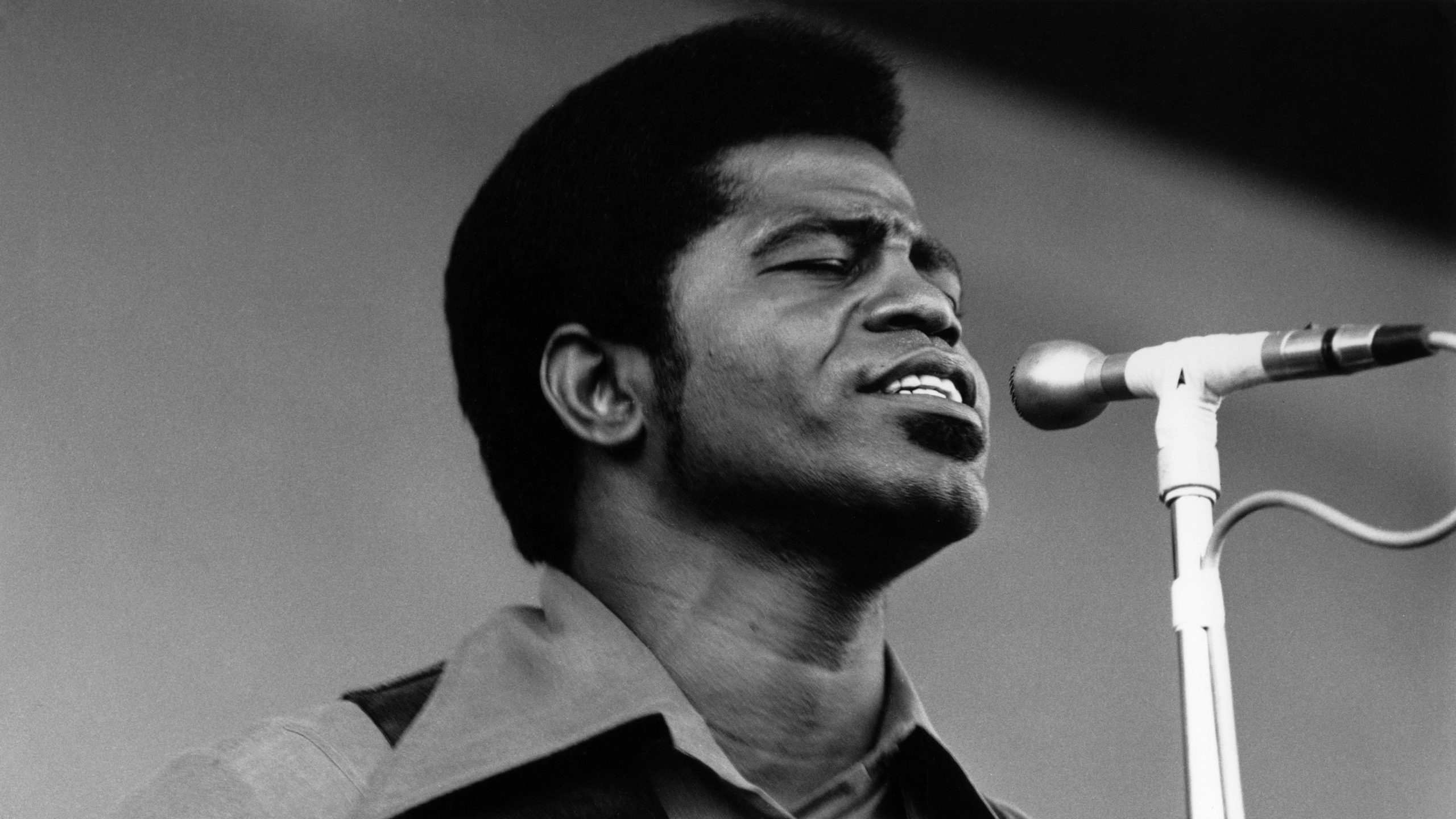
When it comes to energy, soul, and pure, unfiltered funk, no one did it like James Brown—the undisputed Godfather of Soul. With a scream that could shake the stage and a groove that could move the world, James Brown didn’t just perform music—he became the music. From the moment he stepped into the spotlight, he electrified audiences with his unstoppable rhythm, unmatched charisma, and a revolutionary sound that changed the face of music forever.
A true innovator, Brown laid the foundation for funk and influenced everything from soul and R&B to hip-hop and rock. His legendary stage presence, tight band leadership, and socially conscious lyrics turned him into a cultural force—an icon whose music still pulses through dance floors, headphones, and speakers around the globe.
In this article, we’re counting down the top 10 most popular James Brown songs of all time—the tracks that made us move, made us think, and made music history. These aren’t just songs—they’re moments, packed with fire, feeling, and funk. So get ready to feel the beat, hit the groove, and shout “I feel good!”, because when James Brown is in the mix, the party never stops.
1. “It’s a Man’s Man’s Man’s World” (1966)
One of James Brown’s most emotional and enduring songs, “It’s a Man’s Man’s Man’s World” was released in 1966. Unlike his earlier hits, this ballad takes a soulful and introspective turn, with Brown’s passionate delivery at the forefront. While the title may initially suggest a proclamation of male dominance, the lyrics reveal a deep respect for women and the invaluable role they play in the world. The lush orchestration, complete with strings and brass, adds to the song’s emotional depth, and Brown’s raw, heartfelt performance elevates it to a timeless classic. It’s a profound meditation on gender and the importance of balance in life, showing Brown’s ability to fuse social commentary with personal emotion.
2. “Cold Sweat” (1967)
Released in 1967, “Cold Sweat” is widely regarded as one of the first true funk songs. This track marked a radical departure from traditional soul, with its heavy emphasis on rhythm and syncopation rather than melody. Brown’s intense vocal delivery, combined with hypnotic horn riffs and a tight rhythm section, creates an electrifying atmosphere that redefined the boundaries of popular music. The instrumental break, where the groove completely takes over, is a hallmark of James Brown’s style, giving the song an almost trance-like quality. “Cold Sweat” isn’t just a song—it’s a revolution in sound that laid the groundwork for the funk genre, inspiring future generations of musicians.
3. “Say It Loud – I’m Black and I’m Proud” (1968)
Released in 1968 during the height of the Civil Rights Movement, “Say It Loud – I’m Black and I’m Proud” became an anthem for Black empowerment. With its bold, defiant lyrics and driving funk groove, the song serves as both a celebration of Black identity and a call for unity and pride. The famous call-and-response chorus, featuring children shouting the title phrase, emphasizes the collective strength of the Black community. Brown’s lyrics directly address the struggles of systemic racism, while also celebrating the resilience and dignity of Black people. This song remains a powerful and inspiring landmark in the history of music and social change.
4. “Get Up (I Feel Like Being a) Sex Machine” (1970)
A defining moment in James Brown’s career, “Get Up (I Feel Like Being a) Sex Machine” was released in 1970 and remains a cornerstone of funk music. The track features a minimalist groove, stripped-down rhythms, and a driving bassline, with Brown’s call-and-response vocal style urging listeners to get up and move. The raw energy of the performance, combined with Bootsy Collins’ funky basslines and the tight interplay of the band, creates a track that’s as much about movement as it is about music. It’s a celebration of rhythm, confidence, and liberation, making it a powerful anthem of self-expression and freedom. This song epitomizes the soul of funk and continues to influence artists in multiple genres.
5. “Living in America” (1985)
“Living in America,” released in 1985, marked James Brown’s triumphant return to the mainstream. With its upbeat, patriotic themes and infectious groove, the song became a hit, fueled in part by its inclusion in the movie Rocky IV. The track blends elements of funk, soul, and pop, with soaring horn sections and Brown’s unmistakable energy driving the anthem forward. The lyrics celebrate the diversity and resilience of America, resonating with audiences across the country. The song earned Brown a Grammy and introduced his legendary sound to a new generation, proving that his influence remained strong even in the 1980s.
6. “The Payback” (1973)
Released in 1973, “The Payback” is a slow-burning funk masterpiece that is often considered one of Brown’s most powerful songs. The song’s deep, simmering groove, punctuated by crisp guitar riffs and a commanding bassline, creates a sense of tension and release. Brown’s vocal performance tells the story of revenge and betrayal, his delivery dripping with defiance and confidence. At over seven minutes long, the song takes listeners on a hypnotic journey, with every element carefully orchestrated to build anticipation. “The Payback” remains one of Brown’s most influential tracks, capturing the essence of funk in its purest form.
7. “I Got You (I Feel Good)” (1965)
Released in 1965, “I Got You (I Feel Good)” is one of James Brown’s most iconic songs. This high-energy track is a quintessential example of soul and funk, showcasing Brown’s powerful vocal range and signature exuberance. The unforgettable “I feel good!” shout and the thrilling scream that opens the song have become cultural staples, instantly recognizable and full of infectious joy. The dynamic rhythm and brass-driven arrangements are a perfect backdrop for Brown’s electrifying performance. It’s a song that makes you feel the music deep in your bones, a true dancefloor anthem. Decades later, its relentless energy and feel-good vibe remain unmatched, ensuring its place in music history as a defining moment in the evolution of soul and funk.
8. “Super Bad” (1970)
Released in 1970, “Super Bad” is a swaggering, unapologetically funky anthem that has stood the test of time. The song is built around a pulsating groove, with tight horn arrangements and a relentless rhythm section driving the track forward. Brown’s raspy vocals exude confidence, and the song’s lyrics boast of his prowess and persona, adding layers of swagger to the music. The song’s minimalist approach, with its syncopated beats and hypnotic instrumental breaks, exemplifies the power of funk. It’s a track that demands your attention, with every moment carefully crafted to make you feel like you’re in the middle of a live performance. “Super Bad” remains a blueprint for funk and hip-hop, capturing the raw energy that made James Brown a musical legend.
9. “Papa’s Got a Brand New Bag” (1965)
Released the same year as “I Got You,” “Papa’s Got a Brand New Bag” redefined the sound of funk. The track, with its tight rhythm section, syncopated grooves, and bold brass section, showcased a fresh, electrifying style that would shape much of Brown’s career. Its innovative approach to rhythm and percussion helped lay the foundation for modern funk music, with Brown’s rhythmic vocal delivery driving the groove. The song tells the story of an older man rediscovering his passion for life through music and dance—a sentiment that resonated with people of all ages. Winning a Grammy, this track marked a pivotal moment in the evolution of funk, with its influence still felt in the genres of soul, funk, and even hip-hop.
10. “Please, Please, Please” (1956)
“Please, Please, Please” was James Brown’s first major hit, released in 1956. This soulful ballad introduced the world to Brown’s emotional depth and raw vocal power. The repetitive yet powerful refrain, combined with the gospel-inspired backing vocals, creates a song that feels both intimate and cathartic. Brown’s heartfelt delivery draws listeners in, making them feel every word of his pleading. The simplicity of the song—both musically and lyrically—lets Brown’s voice take center stage, establishing him as a force to be reckoned with. This track marked the beginning of an extraordinary career, setting the stage for his later triumphs.

Samuel Moore is a frequent contributor to Singers Room. Since 2005, Singersroom has been the voice of R&B around the world. Connect with us via social media below.









