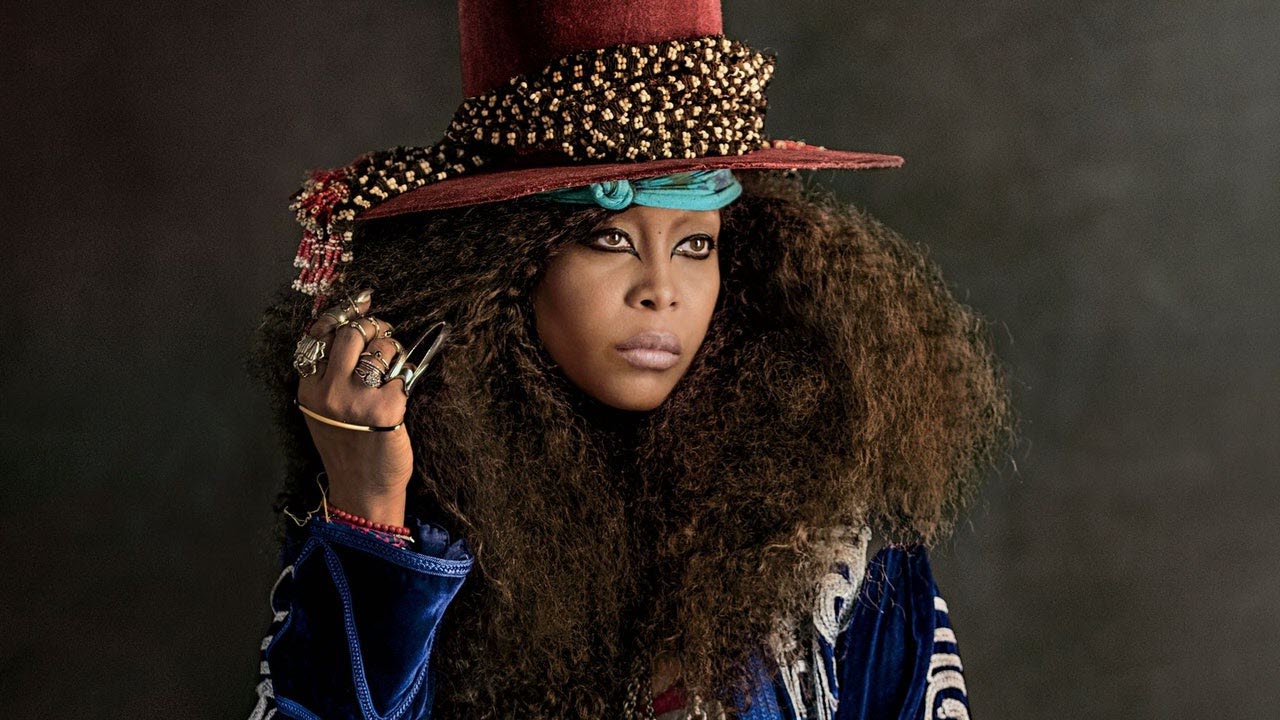
Erykah Badu, the enigmatic queen of neo-soul, has captivated audiences with her unique blend of jazz, funk, and hip-hop since the late ’90s. With her sultry voice and thought-provoking lyrics, she has carved out a distinct niche in the music industry, earning accolades and a devoted fan base. Known for her eclectic style and fearless artistic expression, Badu’s music transcends genres, touching on themes of love, spirituality, and social consciousness.
In this article, we take a deep dive into the top 10 most popular Erykah Badu songs that have defined her illustrious career. From the infectious grooves of “On & On” to the soulful introspection of “Bag Lady,” each track showcases her ability to blend heartfelt storytelling with mesmerizing melodies. Join us as we celebrate the songs that not only solidified Badu’s place in music history but also continue to resonate with listeners around the world. Whether you’re a long-time fan or new to her sound, prepare to be inspired by the timeless artistry of Erykah Badu.
1. On & On (1997)
Erykah Badu’s breakthrough single “On & On,” released in 1997, introduced her unique voice to the world in a way that was both refreshing and unforgettable. With a smooth fusion of neo-soul, jazz, and hip-hop influences, the track feels like a spiritual meditation set to music. Badu’s vocals float effortlessly over a laid-back groove, creating a soundscape that’s as introspective as it is hypnotic. Lyrically, the song explores life’s repetitive nature—its cycles of growth, loss, and learning—while also touching on themes of knowledge, spirituality, and personal evolution. Her poetic delivery invites listeners to ponder their own path, not just as spectators but as participants in a deeper journey. With lines like “you rush into destruction ’cause you don’t have nothin’ left,” Badu critiques the chaos of modern life while offering a gentle but firm call for self-awareness. Winning a Grammy for Best Female R&B Vocal Performance, the song catapulted Badu into the spotlight and laid the foundation for the neo-soul movement. “On & On” didn’t just mark her debut—it marked the arrival of a powerful voice that would continue to challenge, soothe, and uplift for years to come.
2. Tyrone (1997)
“Tyrone” isn’t just a breakup song—it’s a full-on anthem for reclaiming self-respect. Released in 1997 as part of Erykah Badu’s live album, this track quickly became a fan favorite thanks to its honesty, sass, and unforgettable delivery. With a stripped-down groove and a live, improvisational flair, Badu speaks directly to an unnamed ex who’s taking advantage of her time, love, and energy. She doesn’t hold back, calling him out with both humor and razor-sharp wit. What really makes “Tyrone” resonate is how relatable it is; nearly everyone knows someone like the guy she’s talking about. Badu turns what could’ve been a private rant into a universal message about knowing your worth and walking away when respect is no longer on the table. The song became a cultural catchphrase, with people quoting the iconic line: “You better call Tyrone.” More than just clever lyrics, it’s a declaration of boundaries, performed with soul, fire, and clarity. It’s no surprise this live track found lasting success—it showcases Erykah Badu at her boldest and most empowered, forever cementing her reputation as a fearless and brilliant storyteller.
3. Bag Lady (2000)
“Bag Lady,” released in 2000 on Badu’s album Mama’s Gun, is one of her most emotionally insightful tracks. With its gentle groove and understated production, the song encourages listeners to let go of past pain, unresolved issues, and emotional weight that keeps them from moving forward. Erykah Badu uses the metaphor of a woman carrying literal bags to represent the emotional burdens people cling to after heartbreak and trauma. Her voice floats over the melody like a caring friend, offering a loving yet honest reminder that healing begins with release. “Bag Lady” isn’t judgmental; instead, it’s deeply compassionate, urging self-love and growth. The song’s blend of soul and neo-soul rhythms creates a calming, meditative atmosphere that makes the message all the more impactful. The chorus—simple, melodic, and unforgettable—sticks with you long after the song ends. “Bag Lady” remains one of Badu’s signature songs not just because of its musical beauty, but because it speaks to the universal human experience of learning how to let go in order to heal. It’s a timeless encouragement to travel lighter through life.
4. Next Lifetime (1997)
“Next Lifetime,” from Badu’s 1997 debut album Baduizm, explores the tension between desire and responsibility with stunning emotional depth. It’s a song about what could be—about meeting someone who stirs your heart but realizing the timing is all wrong. Badu’s voice is full of tenderness and wistful longing as she tells the story of a woman already in a relationship who’s found a deep, unexpected connection with someone else. Rather than act on impulse, she reflects on destiny, choosing to honor her current path while dreaming of a love that might blossom “in the next lifetime.” The arrangement is rich and soulful, with warm chords and flowing instrumentation that mirrors the inner conflict of the lyrics. What makes this track powerful is Badu’s honesty—she doesn’t romanticize the situation, but embraces its complexity. It’s about restraint, spiritual depth, and the idea that not every love story is meant to unfold now. “Next Lifetime” resonates with anyone who has ever felt a connection that couldn’t be pursued. It’s a masterpiece of mature love, highlighting Badu’s gift for storytelling and emotional nuance.
5. Love of My Life (2002)
“Love of My Life (An Ode to Hip-Hop)” is more than a love song—it’s a soulful tribute to the genre that shaped Erykah Badu’s artistry. Released in 2002 and featuring rapper Common, this track blends romance with nostalgia as Badu uses the metaphor of a past lover to describe her relationship with hip-hop. The chemistry between her and Common is undeniable; their voices dance together effortlessly over a smooth, head-nodding groove. The lyrics trace hip-hop’s evolution from its early days to its complicated present, reflecting both affection and critique. At the same time, it’s a deeply personal song about the power of music to shape identity, offer escape, and provide community. There’s warmth and passion in every line, and Badu’s delivery is rich with both pride and longing. The track was a commercial success and even earned a Grammy, but its legacy goes beyond charts—it’s a cultural statement. “Love of My Life” is a celebration of artistic roots, and a reminder that sometimes, the deepest loves are the ones that help you become who you are.
6. Honey (2008)
“Honey,” released in 2008, is one of Erykah Badu’s most vibrant and playful songs, bursting with infectious energy and a groove that’s impossible to ignore. This track marked a return for Badu after a brief hiatus and was the lead single from her album New Amerykah Part One. It blends funk, soul, and hip-hop into a feel-good anthem about sweetness, attraction, and joy. Badu’s vocals are light, breezy, and flirtatious as she sings about being drawn to someone who’s just too irresistible—like honey. The production, built on a slick sample from Nancy Wilson’s “I’m in Love,” is warm and layered, creating a sound that feels both fresh and nostalgic. But beneath its bubbly surface, “Honey” also reflects Badu’s sharp musical instincts. It’s catchy without being shallow, polished yet organic. The accompanying music video—a brilliant homage to classic album covers—adds another layer of creativity, cementing the song as a standout moment in her catalog. “Honey” shows a different side of Badu: playful, stylish, and effortlessly cool. It’s a reminder that soul music can be just as sweet as it is deep.
7. Didn’t Cha Know (2000)
“Didn’t Cha Know,” featured on Mama’s Gun (2000), is a lush, introspective journey through uncertainty and personal growth. Produced in collaboration with the late J Dilla, the track features his signature soulful beats paired with Badu’s reflective lyrics and gentle voice. The song paints a picture of a woman searching for direction, admitting her mistakes, and trying to find her way in a confusing world. “Didn’t Cha Know” feels like a quiet confession between friends, full of vulnerability but also wisdom. Badu doesn’t pretend to have all the answers—she invites you into the questioning with her. The warm basslines and layered harmonies add emotional depth, creating an atmosphere of contemplative beauty. The song’s strength lies in its honesty; it acknowledges how easy it is to lose your way while still holding onto hope. It’s a reminder that growth often comes through confusion and struggle. “Didn’t Cha Know” is one of Badu’s most tender and revealing tracks, showing her willingness to be raw and real while maintaining the hypnotic elegance that defines her sound.
8. “On & On” (1997)
“On & On” is the song that introduced Erykah Badu to the world, and it couldn’t have been a more perfect debut. Released in 1997 as the lead single from her album Baduizm, the track effortlessly blends neo-soul, jazz, and hip-hop with spiritual depth and lyrical mystique. Badu’s honeyed voice glides over a mellow groove, delivering lines that are both thought-provoking and enigmatic. With references to karma, reincarnation, and personal growth, she sings about the cyclical nature of life and learning: “You rush into destruction ’cause you don’t have nothin’ left.” Her delivery feels like a mix between sermon and poetry slam, channeling the energy of Billie Holiday with a futuristic twist. The song became an anthem for a generation looking for something deeper than just love songs—it offered philosophy wrapped in rhythm. “On & On” didn’t just put Erykah Badu on the map; it defined the neo-soul movement. Even decades later, the track feels fresh, with layers of meaning that reveal themselves over time. It’s a reminder that soul music can be both smooth and sharp, and that truth often comes in the form of a groove you can’t ignore.
9. “Tyrone” (1997)
“Tyrone” is a bold, sassy, and unforgettable live track that showcases Erykah Badu at her most unfiltered and funny. Recorded during a live performance and released in 1997 as part of Live, the song quickly became a fan favorite—not just for its groove, but for its biting honesty. Accompanied by a minimalist band, Badu uses her smooth, soulful voice to deliver a scathing message to a no-good man who constantly borrows her car, eats her food, and brings nothing to the table. And when she tells him to call his friend Tyrone to come help him move out? Iconic. The name alone became shorthand for every irresponsible partner who expects too much while giving too little. What makes “Tyrone” so timeless isn’t just its catchy melody or clever lyrics—it’s the way Badu balances humor and heartbreak. She calls out bad behavior with class and confidence, empowering women everywhere to demand better. It’s not just a breakup song; it’s a liberation anthem. The live setting adds rawness to the performance, as if Badu is saying everything women have wanted to say out loud for years—and doing it with a smile.
10. “Bag Lady” (2000)
“Bag Lady,” released in 2000 from Erykah Badu’s Mama’s Gun, is both a warning and a gentle nudge toward healing. With a laid-back beat and warm, soulful production, the song speaks directly to women (and really, anyone) carrying emotional baggage from past relationships, disappointments, or trauma. Badu’s lyrics are filled with compassion as she encourages listeners to let go of what’s weighing them down: “Bag lady, you gon’ hurt your back, draggin’ all them bags like that.” The metaphor is simple but powerful—emotional burdens can hold us back just as much as physical ones. Her delivery is tender, never scolding, and the groove invites introspection without judgment. The track blends elements of soul, hip-hop, and even reggae, creating a vibe that feels both meditative and empowering. “Bag Lady” became one of Badu’s biggest hits, not just for its musicality but for its message of self-care and release. It’s the kind of song you put on when you need a moment of clarity or a reminder that it’s okay to leave pain behind. With grace and wisdom, Erykah Badu transforms a personal truth into a universal lesson.

Edward Tomlin is a frequent contributor to Singers Room. Since 2005, Singersroom has been the voice of R&B around the world. Connect with us via social media below.









