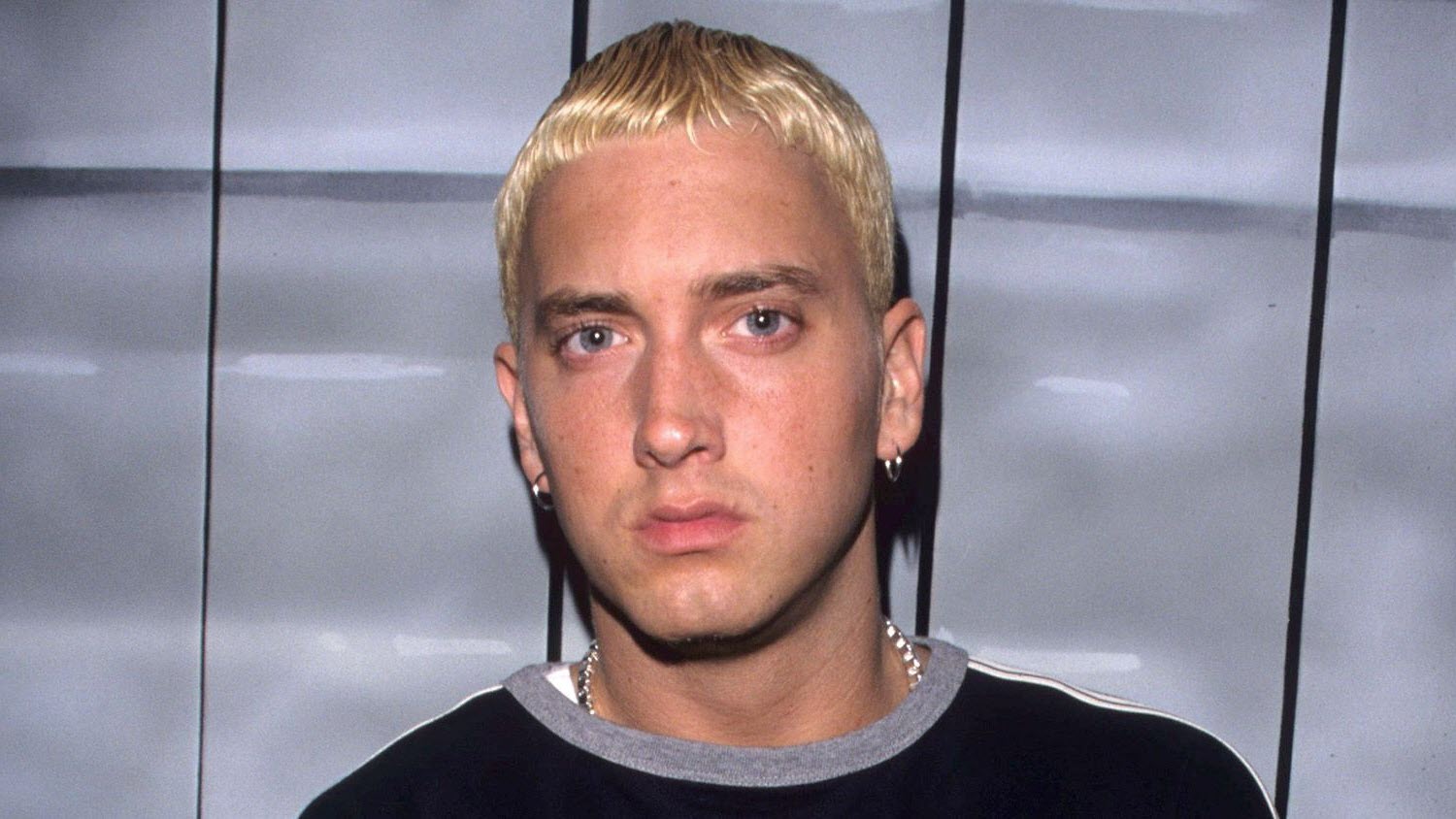
In the world of hip-hop, few artists have left as indelible a mark as Eminem. Known for his razor-sharp lyrics and unparalleled storytelling ability, he has captivated audiences across generations. From his explosive debut in the late ’90s to his continued dominance in the music industry, Eminem’s songs resonate deeply with fans, tackling themes of struggle, resilience, and personal triumph.
As we dive into the top 10 most popular Eminem songs of all time, prepare for a thrilling journey through his iconic discography. Each track not only showcases his lyrical prowess but also encapsulates moments in time, reflecting the highs and lows of his career and personal life. Whether you’re a die-hard fan or a casual listener, these songs have become anthems that define the landscape of modern hip-hop.
Join us as we celebrate the tracks that have solidified Eminem’s legacy, from heart-wrenching ballads to adrenaline-pumping bangers. Get ready to relive the magic, the controversy, and the sheer brilliance of one of music’s greatest legends!
1. Lose Yourself (2002)
“Lose Yourself” stands as one of Eminem’s most iconic tracks, a powerful anthem of ambition and grit. Written for the semi-autobiographical film 8 Mile, the song captures the urgency of making the most out of a once-in-a-lifetime opportunity. With a pounding beat and intense delivery, Eminem places listeners inside the mind of a young artist on the brink of success—nervous, determined, and unwilling to let the moment pass. The now-famous opening lines set the tone for a track that builds in tension and energy, culminating in a chorus that has become a cultural mantra: “You only get one shot, do not miss your chance to blow.” It’s more than just a song; it’s a rallying cry for anyone who’s faced doubt, fear, or failure and kept going anyway. Eminem’s razor-sharp flow, layered lyricism, and passionate storytelling make this track timeless. “Lose Yourself” isn’t just about music—it’s about life, about rising above your circumstances, and embracing the chance to define your future. It’s no wonder it became the first rap song to win an Academy Award for Best Original Song and remains a motivational anthem for fans around the world.
2. Stan (2000)
“Stan” is a haunting narrative that cemented Eminem’s status as a master storyteller in hip-hop. Released in 2000, the song unfolds through a series of letters written by an increasingly unstable fan named Stan. As the verses progress, the listener watches Stan’s obsession with Eminem turn from admiration into dangerous fixation. The brilliance of the track lies in its structure—each verse builds on the last, with Eminem responding only in the final section, too late to prevent tragedy. The sample from Dido’s “Thank You” floats in the background, adding a melancholic tone that perfectly complements the song’s eerie progression. Through this emotionally charged tale, Eminem explores the darker side of fame, mental illness, and the responsibility that artists bear when their words reach millions. “Stan” not only became a cultural milestone—it gave birth to the term “stan” as a descriptor for overzealous fans. It remains one of the most impactful tracks in his discography, demonstrating his ability to blend narrative depth, emotional resonance, and lyrical dexterity into a single, unforgettable piece of art.
3. Without Me (2002)
“Without Me” is Eminem at his most playful, irreverent, and self-aware. Released in 2002 as the lead single from The Eminem Show, the track serves as both a comeback statement and a satirical jab at pop culture. With a mischievous beat and an animated delivery, Eminem pokes fun at everyone—from politicians and fellow artists to the media and moral critics. His message is clear: love him or hate him, the music world just isn’t the same without him. The lyrics are packed with clever punchlines and cultural references, showcasing his flair for controversy and his uncanny ability to stay at the center of attention. But beneath the humor lies a sharp commentary on censorship, freedom of expression, and the burden of fame. “Without Me” was an instant hit, topping charts and dominating airwaves, all while reinforcing Eminem’s image as rap’s enfant terrible. It’s entertaining, bold, and unfiltered—everything fans had come to expect. The track doesn’t just entertain; it reminds us why Eminem’s presence in the music industry is so vital, and why, even when he stirs the pot, the world can’t stop watching.
4. Love the Way You Lie (2010)
“Love the Way You Lie” is a raw, emotionally gripping exploration of a toxic relationship, brought to life by Eminem’s fiery verses and Rihanna’s haunting chorus. Released in 2010, the track captures the cycle of violence and vulnerability that often characterizes abusive love. Eminem’s verses are brutally honest, filled with rage, regret, and a desperate yearning for change, while Rihanna’s chorus—lifted from her own personal experiences—adds a layer of emotional authenticity and sorrow. The contrast between Eminem’s aggressive flow and Rihanna’s mournful melody creates a dramatic tension that makes the song unforgettable. Its powerful lyrics and relatable themes sparked widespread conversation about domestic violence, emotional trauma, and the thin line between love and pain. “Love the Way You Lie” topped charts worldwide, becoming one of the most successful singles of both artists’ careers. What makes it stand out is not just its commercial success, but its courage to confront difficult realities. It’s not a song that glorifies dysfunction—it reveals it, wrestles with it, and exposes the emotional wreckage that comes with it. It’s a compelling, if uncomfortable, reminder of love’s darker side.
5. Mockingbird (2004)
“Mockingbird” is one of Eminem’s most heartfelt and personal songs, offering listeners a vulnerable look into his role as a father. Released in 2004, the track is dedicated to his daughter Hailie, and it reflects on the emotional toll that fame, family conflict, and personal struggles have taken on their relationship. Unlike his more aggressive tracks, “Mockingbird” is stripped back and sincere, with a somber beat and tender lyrics that feel more like a letter than a rap song. Eminem opens up about trying to protect his daughter from the chaos of his life, expressing love, guilt, and a longing to make things right. The song’s emotional weight comes from its authenticity—Eminem isn’t posturing or playing a character here; he’s a father, speaking from the heart. “Mockingbird” resonated with fans who saw another side of the controversial rapper: the protective, loving dad doing his best under impossible circumstances. It’s a reminder that behind the fame and ferocity is a man shaped by his past and devoted to his family. This track remains one of his most powerful and touching works.
6. The Real Slim Shady (2000)
“The Real Slim Shady” is Eminem’s cheeky, chart-topping anthem that pokes fun at the absurdities of fame, conformity, and pop culture. Released in 2000, this hit single from The Marshall Mathers LP blends satire with swagger, as Eminem unapologetically calls out celebrities, the media, and even himself. With its bouncing beat and infectiously catchy hook, the song became an instant classic—an anthem for nonconformists and anyone tired of fake personas. Eminem’s rapid-fire verses are packed with humor, sharp observations, and fearless jabs at the entertainment industry. But the brilliance of the song lies in its deeper message: a challenge to be authentic in a world full of clones and pretenders. When he asks, “Will the real Slim Shady please stand up?”, he’s not just asserting his identity—he’s daring listeners to embrace their own. The song was both a commercial and critical success, winning a Grammy and dominating radio play. It cemented Eminem’s place not just as a controversial figure, but as a cultural commentator with a unique voice. “The Real Slim Shady” remains a defining moment in his career—outrageous, hilarious, and completely unforgettable.
7. Not Afraid (2010)
“Not Afraid” is a bold, uplifting anthem where Eminem takes a stand—not just for himself, but for anyone battling inner demons. Released in 2010 as the lead single from Recovery, the song marks a turning point in Eminem’s life and career. Gone is the chaotic, drug-fueled persona of earlier albums; here, we meet an artist who’s coming clean, owning his past, and stepping into the light. The track opens with a declaration of courage, and from there, Eminem raps about overcoming addiction, taking responsibility, and reclaiming control over his life. The beat is cinematic and triumphant, and the lyrics are filled with motivational energy, making it more of a personal manifesto than just a hit song. Fans connected deeply with its message of resilience and growth, especially those facing their own struggles. “Not Afraid” went on to top charts and earn multi-platinum status, but its real power lies in its honesty. Eminem isn’t just rapping—he’s encouraging, even mentoring, those who feel like they’ve hit rock bottom. It’s a reminder that even in the darkest times, you can choose to fight, to grow, and to rise again. It’s one of his most hopeful and empowering tracks.
8. Cleanin’ Out My Closet (2002)
“Cleanin’ Out My Closet” is one of the most emotionally raw songs Eminem has ever released. Dropping in 2002 as part of The Eminem Show, the track digs deep into his troubled past, especially his tumultuous relationship with his mother. There’s nothing held back here—no sugarcoating, no filters—just a brutally honest outpouring of resentment, betrayal, and pain. Over a moody and dramatic beat, Eminem lays bare his childhood trauma, touching on abandonment, lies, and the confusion of growing up in a toxic environment. The title is fitting: this is Eminem airing out the emotional baggage he’s carried for years, exposing wounds that never fully healed. His delivery is intense, sometimes seething, yet always controlled—balancing personal catharsis with lyrical precision. While some criticized the song for its harshness, others praised it for its authenticity and courage. It sparked important conversations about family, mental health, and the emotional scars people carry. “Cleanin’ Out My Closet” isn’t just a diss track—it’s a therapy session turned into a masterpiece. It shows that sometimes, speaking your truth—even when it’s messy—is a necessary step toward healing.
9. Rap God (2013)
“Rap God” is a blistering six-minute showcase of Eminem’s lyrical genius and technical mastery. Released in 2013 as part of The Marshall Mathers LP 2, this track finds Eminem in full beast mode, reminding the world exactly why he’s considered one of the greatest rappers of all time. The song is a tour de force of speed, complexity, and braggadocio. With verses that reach lightning-fast speeds—one section clocks in at an astounding 97 words in 15 seconds—Eminem pushes the boundaries of what rap can physically and mentally achieve. But “Rap God” isn’t just a flex; it’s also packed with references to his career, hip-hop history, and cultural moments. He defends his legacy, challenges critics, and pays homage to those who paved the way. The beat is minimal, letting his verbal gymnastics take center stage. It’s as if he’s daring anyone to try and keep up. Whether you’re a long-time fan or a new listener, the song leaves little doubt about Eminem’s place in rap’s elite. “Rap God” is less of a song and more of a proclamation—a declaration that lyrical supremacy still belongs to Marshall Mathers.
10. When I’m Gone (2005)
“When I’m Gone” is a deeply emotional track that captures the heartbreaking tug-of-war between Eminem’s fame and his family life. Released in 2005, the song reads like a confession, a moment of painful clarity where he confronts the guilt of being an absent father due to the demands of his career. The lyrics follow a narrative where he imagines the impact of his absence on his daughter Hailie, even painting a vivid dream sequence where she pleads for him to stay. The haunting piano melody paired with Eminem’s heartfelt delivery makes this one of his most moving songs. It doesn’t rely on shock value or controversy—instead, it finds power in vulnerability. Listeners are invited into his internal struggle, where success comes at the cost of something far more valuable: time with loved ones. “When I’m Gone” resonated with anyone who’s ever had to choose between their dreams and their responsibilities. It’s a sobering reminder that even superstars wrestle with guilt, sacrifice, and the ache of missing important moments. More than just a track, it’s a father’s cry for understanding—and a promise to do better.

Edward Tomlin is a frequent contributor to Singers Room. Since 2005, Singersroom has been the voice of R&B around the world. Connect with us via social media below.









