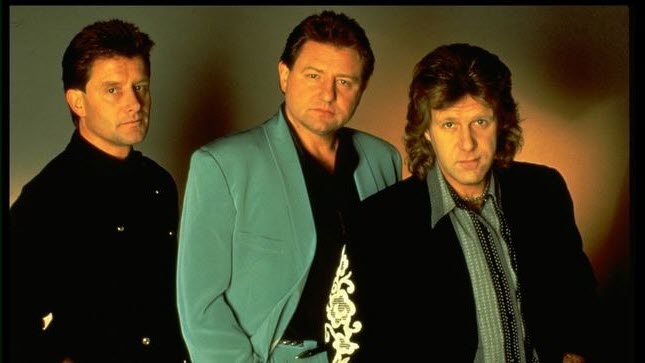
As pioneers of progressive rock, Emerson, Lake & Palmer (ELP) redefined the musical landscape of the 1970s with their intricate compositions and virtuosic musicianship. Formed in 1970, this legendary trio—consisting of keyboardist Keith Emerson, bassist and vocalist Greg Lake, and drummer Carl Palmer—captivated audiences with their fusion of rock, classical, and jazz elements. Their innovative soundscapes and theatrical performances made them a hallmark of the genre, influencing countless artists and shaping the future of rock music.
In this article, we embark on a journey through the top 10 most popular Emerson, Lake & Palmer songs of all time. Each track not only showcases the band’s extraordinary talent but also highlights their ability to push musical boundaries. From the thunderous energy of “Karn Evil 9” to the haunting beauty of “Lucky Man,” these songs represent the pinnacle of ELP’s creativity and artistry. Whether you’re a lifelong fan or new to their music, this countdown promises to celebrate the classic hits that continue to resonate with fans around the world. Join us as we explore the unforgettable melodies and powerful performances that solidified Emerson, Lake & Palmer’s place in rock history!
1. Lucky Man (1970)
“Lucky Man” is one of Emerson, Lake & Palmer’s most enduring songs, a track that helped define their debut album and introduce their progressive rock vision to the world. Written by Greg Lake when he was a teenager, the song has a simplicity that contrasts beautifully with the band’s usual complexity. Its lyrics tell the reflective story of a man who had everything—wealth, power, and success—yet still faced the inevitability of loss and death. This bittersweet narrative gives the song an almost timeless quality, resonating with anyone who’s pondered the fleeting nature of life’s blessings. Greg Lake’s warm, emotive vocals deliver the lyrics with sincerity, while his acoustic guitar provides a gentle foundation. But it’s the iconic Moog synthesizer solo by Keith Emerson that elevates “Lucky Man” into legendary status. The swirling, spacey tones were groundbreaking at the time and became one of the first major showcases of the Moog in rock music. The song’s balance of folk-like intimacy and progressive innovation captures the essence of early ’70s experimentation. Over fifty years later, “Lucky Man” still feels fresh and poignant—a reminder that simplicity, when paired with emotion and vision, can create something truly timeless.
2. Karn Evil 9 (1973)
“Karn Evil 9” isn’t just a song—it’s an epic, a multi-part suite that stretches across much of *Brain Salad Surgery* and pushes Emerson, Lake & Palmer to their creative limits. Clocking in at nearly half an hour in its entirety, this progressive rock masterpiece is divided into three “impressions,” each exploring themes of technology, war, and the human condition. It’s bold, theatrical, and unapologetically ambitious—the kind of composition that only a band like ELP could attempt. The opening moments are dramatic, almost overwhelming, with Keith Emerson’s keyboards weaving intricate patterns that feel both futuristic and ominous. Carl Palmer’s drumming is explosive, giving the track its relentless energy, while Greg Lake’s vocals and bass ground the sprawling narrative. One of its most famous sections—“Welcome back my friends to the show that never ends”—has become a cultural touchstone, perfectly capturing the carnival-like spectacle of the song. By the time the final impression arrives, the music spirals into chaos, mirroring the story’s dystopian warning about humanity’s reliance on machines. “Karn Evil 9” isn’t easy listening; it’s a full experience. For those willing to dive in, it’s a journey into the wild heart of ’70s progressive rock—complex, daring, and utterly unforgettable.
3. Fanfare for the Common Man (1977)
ELP’s version of “Fanfare for the Common Man” is proof that the band could take a classical piece and make it entirely their own. Originally composed by Aaron Copland in 1942 as a stirring tribute to ordinary people’s quiet heroism, Emerson, Lake & Palmer transformed it into a seven-minute rock spectacle on their 1977 album *Works Volume 1*. The track opens with the familiar brass-like fanfare, recreated through Keith Emerson’s towering synthesizers, immediately commanding attention. But soon, the piece morphs—Carl Palmer’s driving drums kick in, and Greg Lake’s bass provides a solid groove, turning the stately original into a stadium-shaking anthem. Emerson’s Moog solos add a cosmic flair, showing just how adventurous ELP could be in reimagining a classic. The song isn’t just a cover; it’s a reinvention, bridging classical reverence with rock bravado. When performed live, “Fanfare for the Common Man” often stretched into extended jams, giving each member a moment to shine. It’s a track that makes listeners feel triumphant, like they’re part of something bigger. ELP managed to honor Copland’s vision while making the piece resonate in a completely new way, ensuring it would inspire both rock and classical audiences for generations.
4. From the Beginning (1972)
“From the Beginning” is one of Emerson, Lake & Palmer’s most beautiful and understated songs, a rare moment of intimacy on their ambitious album *Trilogy*. Written and sung by Greg Lake, the track trades the band’s usual bombastic energy for something far more personal. Lake’s delicate acoustic guitar work immediately sets the tone, drawing the listener in with a melody that feels both tender and timeless. His lyrics explore themes of love, vulnerability, and longing, speaking directly to anyone who’s wrestled with the fragile nature of relationships. “There might have been things I missed,” Lake sings with quiet regret, his voice carrying a bittersweet ache that’s impossible to ignore. Keith Emerson’s subtle touches of Moog and synth add texture without overpowering the song, and Carl Palmer’s percussion is restrained, letting every word and note breathe. The simplicity of the arrangement allows the emotion to shine, making “From the Beginning” one of ELP’s most relatable and enduring pieces. It showed the world that the band—known for its larger-than-life epics—could also create music that was tender, thoughtful, and deeply human. Even today, it remains a favorite for fans who appreciate ELP’s softer, more vulnerable side.
5. Take a Pebble (1970)
“Take a Pebble” is a journey—a sweeping, multi-layered piece that perfectly captures the experimental spirit of Emerson, Lake & Palmer’s debut album. The song begins softly, with Greg Lake’s haunting vocals and acoustic guitar painting an almost pastoral scene. The lyrics are poetic and enigmatic, inviting listeners to reflect on themes of memory, loss, and the passage of time. But “Take a Pebble” doesn’t stay still for long. As the song unfolds, it becomes a playground for the band’s musicianship. Keith Emerson takes the lead, steering the song into an extended piano improvisation that feels like a spontaneous concert within the track. His playing shifts from delicate and lyrical to bold and percussive, exploring classical, jazz, and even ragtime textures. Carl Palmer’s drumming subtly drives the shifts, keeping the sprawling composition cohesive. At times, the song feels almost dreamlike, as if you’re drifting between musical landscapes—gentle folk, avant-garde jazz, and symphonic grandeur all blended seamlessly. “Take a Pebble” exemplifies why ELP stood out in the early ’70s: they weren’t afraid to experiment, to stretch a song beyond traditional boundaries. It’s not just a track; it’s an experience—one that invites listeners to get lost in its beauty every time.
6. Trilogy (1972)
The title track from *Trilogy* is a stunning example of Emerson, Lake & Palmer at the peak of their creative powers. “Trilogy” is not just a song—it’s a multi-layered adventure that moves seamlessly between styles, from tender balladry to dazzling bursts of progressive complexity. It begins quietly, with Greg Lake’s warm vocals and acoustic guitar creating an intimate, almost fragile mood. But as the piece evolves, Keith Emerson’s keyboards come alive, weaving intricate patterns that mix classical finesse with jazzy improvisation. Carl Palmer’s drumming adds a dynamic pulse, shifting effortlessly as the song transforms. Lyrically, “Trilogy” explores themes of love and beauty, but its real power lies in how the music tells the story, rising and falling like waves of emotion. The climax is breathtaking—an eruption of sound where Emerson’s virtuosic keyboard lines soar and the entire band locks into a powerful groove. This track captures everything that made ELP extraordinary: technical brilliance, emotional depth, and fearless experimentation. Listening to “Trilogy” feels like stepping into a vivid, colorful world where every moment is surprising and rich with detail, cementing its place as one of the most remarkable compositions in the progressive rock canon.
7. Knife-Edge (1970)
https://www.youtube.com/watch?v=TQQdYokbp4E&pp=ygURS25pZmUtRWRnZSAoMTk3MCk%3D
“Knife-Edge” is one of the sharpest and most intense tracks on ELP’s debut album, setting the tone for the band’s bold approach right from the start. Built around a dark, driving riff, the song immediately creates a sense of urgency, as if it’s teetering on the brink of chaos—perfectly fitting its title. Greg Lake’s commanding vocals deliver cryptic, almost foreboding lyrics that hint at existential struggles and the fragile balance of life. Beneath that tension, Keith Emerson’s organ work dominates, unleashing aggressive, swirling lines that merge rock energy with classical sophistication, even quoting pieces by Janáček and Bach. Carl Palmer’s drumming is relentless, pushing the track forward with precision and intensity. “Knife-Edge” is theatrical, shifting between moods like a musical drama: moments of bombast give way to eerie quiet, then surge back with renewed force. For many listeners, it’s an early glimpse into the unique ELP sound—part rock, part symphony, part daring experiment. More than five decades later, “Knife-Edge” still feels fresh and dangerous, a reminder of how this band could take complexity and make it visceral, thrilling, and completely unforgettable.
8. Still… You Turn Me On (1973)
“Still… You Turn Me On” is one of Emerson, Lake & Palmer’s most tender and romantic moments, offering a soft contrast on the otherwise intense *Brain Salad Surgery* album. Written and sung by Greg Lake, the song is a love ballad, but it’s also deeply personal, brimming with vulnerability. Lake’s acoustic guitar sets the mood, delicate and understated, while his voice carries an almost whispered intimacy, drawing listeners in. The lyrics, filled with longing and devotion, capture the feeling of being completely captivated by someone, even when the world around you feels chaotic. Subtle touches of keyboard from Keith Emerson add texture, like soft brushstrokes on a canvas, while Carl Palmer’s percussion is sparse and sensitive, letting the emotion breathe. Unlike many of ELP’s sprawling epics, “Still… You Turn Me On” is stripped down and direct, which makes its impact even stronger. It’s the kind of song that stays with you because of how honest it feels—a reminder that even a band known for technical fireworks could stop, slow down, and create something beautifully simple. It remains one of the most beloved ballads in the ELP catalog, cherished for its quiet sincerity.
9. Hoedown (1972)
“Hoedown” is Emerson, Lake & Palmer at their most playful and inventive, a track that transforms a piece of Americana into a progressive rock thrill ride. Based on Aaron Copland’s lively composition from *Rodeo*, ELP’s version from the album *Trilogy* injects it with electrifying energy. From the very first notes, Keith Emerson’s keyboards explode with speed and precision, turning the familiar theme into something wild and unexpected. Carl Palmer’s drumming adds a driving, almost mischievous rhythm, while Greg Lake’s bass keeps everything grounded as the music hurtles forward. The result is exhilarating—a mashup of classical respect and rock bravado that makes you want to tap your feet and grin. In live performances, “Hoedown” often turned into a showcase for the band’s virtuosity, with Emerson improvising dazzling keyboard runs that pushed the piece even further. The track shows off ELP’s unique gift: they could take a serious piece of music, honor its roots, and still have fun with it. “Hoedown” is joyful, high-energy, and completely infectious—proof that progressive rock didn’t always have to be heavy and brooding; sometimes, it could just make you want to dance.
10. C’est La Vie (1977)
“C’est La Vie,” from *Works Volume 1*, is a gem in Emerson, Lake & Palmer’s later catalog—a song that feels effortlessly elegant, blending folk warmth with a dash of European charm. Greg Lake’s voice is the heart of the track, smooth and expressive, delivering lyrics that mix wistfulness with a shrugging acceptance of life’s ups and downs. The title itself, meaning “that’s life” in French, sets the tone: a bittersweet meditation on love, change, and the way we move forward despite disappointments. Acoustic guitar dominates the arrangement, giving it an earthy intimacy, while Keith Emerson’s subtle touches of accordion and synthesizer add color and a touch of sophistication. Carl Palmer’s percussion is light, almost playful, enhancing the song’s breezy mood. “C’est La Vie” stands out because it’s so unforced—it doesn’t try to overwhelm you with technical fireworks, yet it’s deeply moving in its simplicity. It’s the kind of song that feels like a quiet moment of reflection, shared over coffee on a rainy afternoon. Even in a catalog full of grand epics, this track proves that ELP could also shine in moments of gentle understatement, leaving listeners smiling with its quiet wisdom.

Edward Tomlin is a frequent contributor to Singers Room. Since 2005, Singersroom has been the voice of R&B around the world. Connect with us via social media below.









