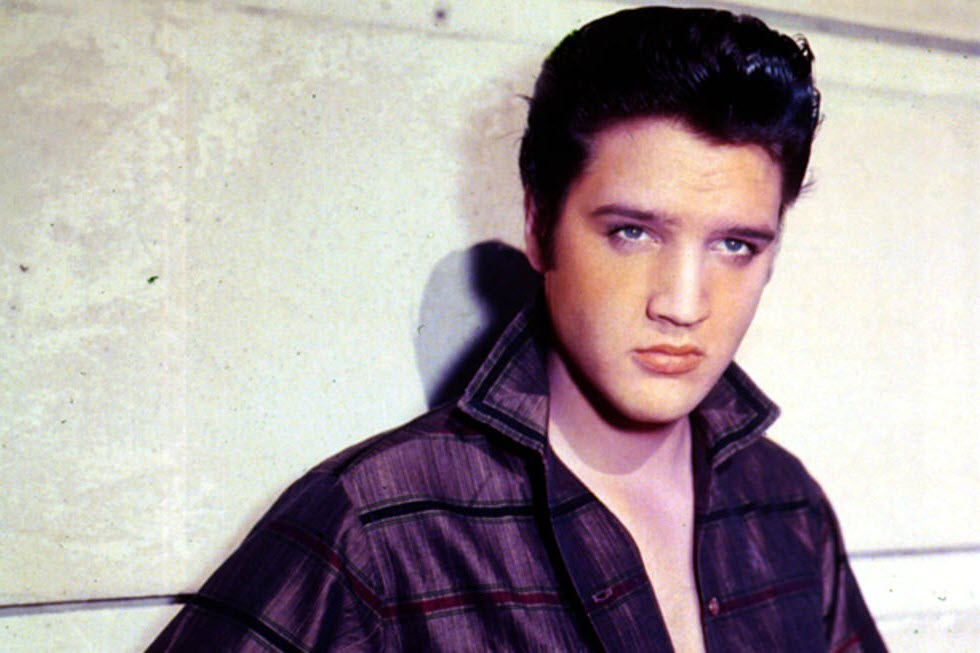
When you think of rock and roll royalty, one name instantly comes to mind: Elvis Presley. The King. The legend. The man who changed music forever. With his hip-shaking charisma, electrifying voice, and rebellious swagger, Elvis didn’t just dominate the charts—he redefined what it meant to be a superstar. From the moment he burst onto the scene in the 1950s, Elvis became a cultural phenomenon, blending rock, blues, country, and gospel into a sound that captivated the world. His influence is everywhere—in the music we listen to, the artists we admire, and the style that still turns heads to this day.
In this article, we’re celebrating the top 10 most popular Elvis Presley songs of all time—the tracks that made fans scream, broke records, and turned a boy from Tupelo into the King of Rock and Roll. These aren’t just songs; they’re milestones in music history. Whether you’re a die-hard fan or just getting your first taste of Elvis magic, get ready to enjoy the hits that shook the world and still make hearts race today. So slick back your hair, turn up the volume, and get ready to rock—because Elvis has definitely not left the building.
1. “In the Ghetto” (1969)
Released in 1969, “In the Ghetto” marked a bold and poignant moment in Elvis Presley’s career. Written by Mac Davis, the song tells the heartbreaking story of a boy born into poverty who becomes a victim of the same cycle of violence that shaped his environment. With its socially conscious lyrics and somber tone, the track was a significant departure from Elvis’s earlier love songs and rock anthems. His vocal performance is understated yet deeply moving, delivered with a quiet urgency that adds gravity to every word. Lush orchestration and gospel-influenced backing vocals give the song emotional depth, while its message about inequality and societal neglect resonated strongly during a time of political and cultural upheaval in America. “In the Ghetto” became a Top 10 hit and played a key role in reshaping Elvis’s public image during his late-1960s comeback. No longer just the swiveling rock ‘n’ roll icon, he showed the world he could deliver thoughtful, meaningful material with heart and conviction. The song remains one of the most socially impactful entries in his catalog, proof that Elvis wasn’t afraid to evolve—or to use his platform to highlight the struggles of the marginalized.
2. “Return to Sender” (1962)
“Return to Sender,” released in 1962 as part of the soundtrack for the movie Girls! Girls! Girls!, is one of Elvis Presley’s most infectious and enduring pop hits. Written by the accomplished songwriting duo Otis Blackwell and Winfield Scott, the tune is a lighthearted take on romantic frustration. It tells the story of a man repeatedly trying to reconnect with a lost love through letters, only to have each one returned unopened. The catchy chorus, “Return to sender, address unknown,” became an instant earworm and resonated with listeners for its relatable message and playful delivery. Elvis’s vocal performance is effortlessly charismatic—playful but sincere—giving just the right balance of humor and heartache. Musically, the song is driven by an upbeat rhythm and breezy horn section, making it both danceable and radio-friendly. “Return to Sender” peaked at No. 2 on the Billboard Hot 100 and quickly became a fan favorite. Though not as heavy or emotionally charged as some of his later work, the song remains a quintessential example of early ’60s Elvis—fun, stylish, and full of charm. It’s a perfect reminder of the King’s knack for turning even simple stories into unforgettable musical moments.
3. “Suspicious Minds” (1969)
By the late 1960s, many critics and fans had started to view Elvis Presley as a relic of the past, overshadowed by the psychedelic rock and political turbulence of the era. But “Suspicious Minds,” released in 1969, changed all that in one bold, passionate swoop. Written by Mark James, the song captures the emotional tension of a crumbling relationship, with Elvis’s voice conveying both heartbreak and defiance. The production is lush and dramatic, with swelling horns, layered backing vocals, and a famous false fade-out that pulls listeners back in just when they think it’s over. “Suspicious Minds” became Elvis’s first No. 1 hit in seven years and reestablished him as a vital force in music. It followed the critical success of his 1968 “Comeback Special” and proved he wasn’t just back—he was better than ever. The track’s emotional weight and theatrical delivery elevated it beyond a simple love song; it became a statement of resilience. Today, it remains one of the most powerful and musically sophisticated entries in his catalog, reminding us that Elvis’s fire never truly dimmed.
4. “Heartbreak Hotel” (1956)
When “Heartbreak Hotel” was released in early 1956, it marked a seismic moment in music history. This was Elvis Presley’s first single with RCA Victor—and his first chart-topping hit. Inspired by a real-life newspaper story about a man’s tragic suicide, the song’s haunting tone was a striking contrast to the upbeat hits dominating the radio at the time. With its echo-laden production, melancholy piano by Floyd Cramer, and brooding vocals from Elvis, the track captured a depth of emotion rarely heard in pop music then. Chet Atkins’s eerie guitar licks added to the atmospheric tension, creating a mood that felt entirely new. “Heartbreak Hotel” introduced America to a different kind of rock ‘n’ roll—one that could be moody, gritty, and emotionally raw. It didn’t just top the charts; it transformed Elvis into a nationwide sensation almost overnight. More than a breakthrough hit, the song became a cultural turning point, signaling the arrival of a new kind of artist who could channel heartbreak and rebellion in the same breath. Even decades later, “Heartbreak Hotel” still stands as one of Elvis’s most haunting and influential recordings.
5. “Hound Dog” (1956)
When Elvis Presley released “Hound Dog” in 1956, he didn’t just cover a song—he redefined it. Originally recorded by blues singer Big Mama Thornton in 1952, the track was already gritty and bold, but Elvis’s version supercharged it with rock ‘n’ roll swagger and explosive energy. With Scotty Moore’s fierce guitar riffs and a pounding beat, the song became an instant sensation. Elvis’s performance—especially on national TV, where his gyrating hips scandalized and thrilled viewers—made headlines and cemented his image as a rebellious new force in music. “Hound Dog” spent 11 weeks at No. 1 on the Billboard chart, becoming one of his biggest hits and a cultural flashpoint. More than just a catchy tune, it was a symbol of a youth revolution shaking up the prim and proper 1950s. The controversy surrounding Elvis’s performances only added to the song’s mystique and impact. Today, “Hound Dog” is considered one of the cornerstones of rock history, a song that kicked down the doors of convention and let the wild, unpredictable spirit of rock ‘n’ roll loose on the world.
6. “Love Me Tender” (1956)
“Love Me Tender,” released in 1956, marked a pivotal moment in Elvis Presley’s evolution as an artist. Departing from the high-octane rock sound that first made him famous, this gentle ballad introduced a new, softer side of the King. The melody, adapted from the Civil War-era tune “Aura Lee,” lends the song a nostalgic, almost timeless quality. Elvis’s delicate vocal delivery, full of warmth and sincerity, connected deeply with audiences—particularly the legions of female fans who were already swooning over him. The song was also featured in Elvis’s first film, Love Me Tender, which helped launch his movie career and proved he could command the screen as well as the stage. Upon release, it shot to No. 1 on the Billboard charts before the single was even officially available—thanks to massive pre-orders. “Love Me Tender” showed the world that Elvis had range: he wasn’t just a rock rebel; he could be tender, romantic, and emotionally compelling. The song remains a favorite for slow dances, romantic moments, and nostalgic tributes, standing as one of his most enduring and heartfelt recordings.
7. “Blue Suede Shoes” (1956)
Though originally written and recorded by Carl Perkins, “Blue Suede Shoes” became a full-blown rock ‘n’ roll anthem when Elvis Presley put his stamp on it in 1956. The track, featured on his debut RCA album, is fast, punchy, and dripping with attitude. Elvis took Perkins’s rockabilly original and infused it with a slicker, more energetic sound that radiated cool. His version added sharper vocals, stronger rhythm, and a bolder swagger that helped make the song a crossover hit. The lyrics are deceptively simple—focused on a man’s warning to not scuff his prized shoes—but they spoke volumes to 1950s youth culture. At a time when fashion, self-expression, and rebellion were becoming intertwined, “Blue Suede Shoes” became a symbol of personal pride and teenage defiance. Elvis’s version skyrocketed up the charts and helped introduce rock ‘n’ roll to a wider mainstream audience. It also demonstrated his skill in reinterpreting and popularizing others’ material in a way that made it undeniably his own. Decades later, the song remains one of the cornerstones of early rock, proving that sometimes all it takes to make history is the right voice, the right beat, and a pair of really cool shoes.
8. “All Shook Up” (1957)
“All Shook Up” exploded onto the airwaves in 1957 and became an instant phenomenon, spending eight weeks at No. 1 on the Billboard Hot 100. Written by Otis Blackwell—with a key lyrical contribution from Elvis himself—the song perfectly captures the dizzying, joyful confusion of falling in love. From the opening bars, it’s impossible to resist the track’s catchy rhythm and upbeat energy. Elvis’s performance is charming and cheeky, full of vocal hiccups and playful phrasing that reflect the song’s jittery title. The lyrics—“I’m itching like a man on a fuzzy tree”—may sound quirky, but they resonated with a generation discovering the thrills and jitters of young romance. Backed by a tight rhythm section and infectious melody, the song showed off Elvis’s ability to deliver rock ‘n’ roll with swagger and sweetness in equal measure. “All Shook Up” didn’t just dominate the charts; it helped define Elvis’s appeal during his meteoric rise. It’s one of those rare songs that sounds as fresh today as it did in the ’50s—a testament to the power of pure pop magic and Presley’s irresistible charisma.
9. “Can’t Help Falling in Love” (1961)
Released in 1961 as part of the Blue Hawaii soundtrack, “Can’t Help Falling in Love” quickly became one of Elvis Presley’s most cherished ballads. Adapted from the 18th-century French melody “Plaisir d’amour,” the song reveals a softer, more romantic side of Elvis—quite a contrast to his earlier rockabilly edge. With its gentle waltz rhythm and heartfelt lyrics, the track showcases his velvet-smooth voice in a tender, emotional performance that still resonates today. It became a concert favorite, often used as the emotional finale in his live shows during the ’70s. The song’s enduring charm has led to a flood of covers over the decades, including UB40’s reggae spin and Andrea Bocelli’s soaring operatic version, each bringing something new while keeping the spirit of the original intact. Whether it’s playing during a wedding or echoing through a quiet, candlelit room, “Can’t Help Falling in Love” captures a timeless sense of devotion and vulnerability. It stands as proof that Elvis wasn’t just the King of Rock ‘n’ Roll—he was also a master of love songs that touch the heart in the most sincere way.
10. “Jailhouse Rock” (1957)
When “Jailhouse Rock” exploded onto the scene in 1957, it wasn’t just another hit single—it was a full-blown cultural moment. Written by the legendary duo Jerry Leiber and Mike Stoller, the song blends pounding piano, snarling guitar, and Elvis Presley’s electrifying vocals into a high-octane rock ‘n’ roll anthem. The lyrics paint a humorous picture of a raucous party behind bars, bursting with colorful characters and rebellious energy. But it wasn’t just the sound that made it iconic—it was the performance. The choreographed dance number in the Jailhouse Rock film, with Elvis in his striped prison uniform, was revolutionary and is often hailed as one of the first true music videos. His magnetism and flair turned a simple song into an unforgettable visual and musical experience. It topped the charts and became a defining moment in Elvis’s career, showcasing his charisma, physicality, and musical versatility. More than six decades later, “Jailhouse Rock” still packs a punch. It’s bold, brash, and utterly unforgettable—a rock ‘n’ roll classic that helped define the rebellious spirit of a generation.

Samuel Moore is a frequent contributor to Singers Room. Since 2005, Singersroom has been the voice of R&B around the world. Connect with us via social media below.









