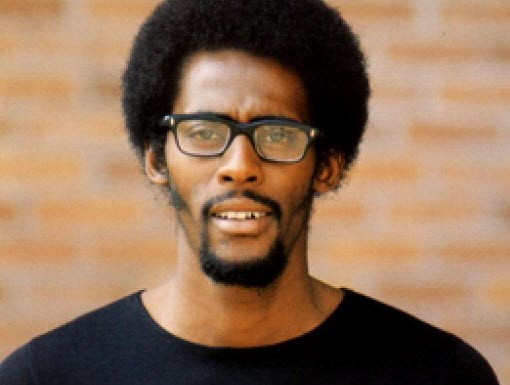
When it comes to soul music with raw emotion, unforgettable power, and a voice that could tear your heart wide open, David Ruffin stands in a league of his own. Best known as the electrifying lead singer of The Temptations during their golden era, Ruffin’s voice wasn’t just smooth—it was explosive, filled with passion, pain, and an unmistakable edge that made every lyric feel like it was ripped straight from his soul. With his signature rasp, stylish swagger, and magnetic stage presence, he didn’t just perform—he commanded the spotlight.
Whether he was belting out Motown classics or pouring his heart into solo ballads, David Ruffin’s impact on music is undeniable. His voice became the emotional engine behind some of the greatest soul anthems ever recorded, and his solo career only further solidified his status as one of R&B’s most powerful vocalists.
In this article, we’re diving into the top 10 most popular David Ruffin songs of all time—the timeless tracks that showcase his incredible talent and lasting influence. From heartbreak to hope, these songs are full of soul, grit, and greatness. So turn up the volume, feel every note, and let David Ruffin take you on an unforgettable musical journey.
1. “Statue of a Fool” (1975)
Released in August 1975, “Statue of a Fool” stands as one of David Ruffin’s most emotionally gripping solo recordings. Originally written by Jan Crutchfield and recorded by other artists, Ruffin’s rendition gives the song a whole new level of soul and sincerity. The lyrics tell the story of a man who lost everything because of his own foolishness in love—a tale of regret carved into stone. Ruffin’s vocal performance is understated yet searing. He doesn’t belt or scream; instead, he sings with a quiet intensity that makes every word land like a gut punch. The stripped-down arrangement allows his voice to shine, highlighting the pain, the shame, and the raw humanity in his delivery. Though it didn’t soar up the charts, the song became a beloved deep cut among fans and is often cited as one of Ruffin’s most heartfelt solo moments. “Statue of a Fool” proves that vulnerability can be just as powerful as power notes. Ruffin turns this simple ballad into a soulful confessional, showing that when you have something real to say, all you need is your voice and a broken heart.
2. “Smiling Faces Sometimes” (1971 – unreleased version)
David Ruffin’s unreleased 1971 version of “Smiling Faces Sometimes” is a hidden gem that reveals a darker, more introspective side of his artistry. While the song became a hit for The Undisputed Truth, Ruffin’s take is rawer, more personal, and deeply unsettling in the best way. The lyrics, warning of deceit and betrayal, take on new weight when filtered through Ruffin’s weary, knowing voice. His performance is laced with suspicion and emotional exhaustion—he doesn’t just warn you about smiling faces, he sounds like he’s been betrayed by them one too many times. The arrangement leans into psychedelic soul, with sparse instrumentation that creates an eerie, almost paranoid atmosphere. It’s a haunting track, one that feels more like a whispered confession than a typical soul song. Though it wasn’t officially released at the time, later compilations brought it to light, earning it posthumous praise for its emotional depth. “Smiling Faces Sometimes” is a powerful reminder of Ruffin’s ability to convey complex emotions with subtlety and soul. It’s not just a cautionary tale—it’s a cry from someone who’s learned the hard way that appearances can lie.
3. “Beauty Is Only Skin Deep” (1966)
Released in August 1966, “Beauty Is Only Skin Deep” offers a message that’s as relevant now as it was then: true beauty lies within. But it delivers this timeless truth with irresistible Motown energy. With David Ruffin on lead vocals, The Temptations deliver a track that’s both uplifting and infectious. Written by Norman Whitfield and Eddie Holland, the song blends sunny melodies with thoughtful lyrics. Ruffin sings with confident sincerity, his voice full of warmth and wisdom. His delivery adds depth to the catchy hook, making the song feel like more than just a pop hit—it’s a soulful affirmation. The arrangement is classic Motown: danceable rhythms, shimmering strings, and joyful backing harmonies. The track reached No. 3 on the Billboard Hot 100 and topped the R&B charts, solidifying the group’s broad appeal. What sets the song apart is the way it marries message and melody—Ruffin doesn’t preach, he persuades, inviting listeners to look deeper. “Beauty Is Only Skin Deep” is a feel-good anthem with a deeper soul, and Ruffin’s performance is what gives it lasting power. It’s fun, it’s wise, and it still makes you want to move.
4. “Walk Away from Love” (1975)
Released in November 1975, “Walk Away from Love” marked a defining moment in David Ruffin’s solo career. Produced by disco-soul maestro Van McCoy, the track blends mid-’70s sophistication with Ruffin’s signature emotional depth. On the surface, it’s a smooth, almost danceable tune. But beneath the lush strings and polished rhythm lies a heart-wrenching story of letting go before the pain becomes too much. Ruffin sings about leaving someone he still loves—not out of anger, but out of self-preservation. His voice is controlled yet filled with anguish, masterfully navigating the line between strength and sorrow. The chorus soars with bittersweet beauty, making it one of the most memorable refrains of the era. The single became a massive hit, reaching No. 9 on the Billboard Hot 100 and topping the R&B charts. “Walk Away from Love” proved Ruffin could not only stand alone but thrive creatively beyond The Temptations. It’s a masterclass in adult soul music—emotionally complex, musically refined, and deeply human. This is the sound of an artist in full command of his talent, turning personal conflict into timeless song.
5. “I Wish It Would Rain” (1967)
“I Wish It Would Rain,” released in December 1967, is a soul ballad soaked in sorrow and heartbreak. It’s a song that doesn’t just tug at the heart—it breaks it wide open. Written by Norman Whitfield, Barrett Strong, and lyricist Roger Penzabene—who tragically penned the words while struggling with personal grief—the song is emotionally devastating in the most beautiful way. David Ruffin takes center stage and delivers one of his most haunting performances. His voice is raw, aching, and vulnerable, perfectly capturing the pain of a man trying to hide his tears behind the cover of rain. The orchestration, led by a slow, dramatic rhythm and sweeping strings, adds to the song’s cinematic weight. “I Wish It Would Rain” climbed to No. 4 on the Billboard Hot 100, becoming a soul staple and one of The Temptations’ most poignant moments. Ruffin’s voice doesn’t just interpret the lyrics—it lives inside them, transforming heartbreak into artistry. The result is a timeless ballad that proves soul music’s unique power to turn personal pain into universal beauty. Even today, it resonates with anyone who’s ever cried when no one was watching.
6. “(I Know) I’m Losing You” (1966)
Dropped in October 1966, “(I Know) I’m Losing You” hits like an emotional thunderstorm. It’s a high-stakes soul drama, full of paranoia, suspicion, and barely restrained panic. David Ruffin’s searing lead vocal is the driving force—he sounds like a man teetering on the edge of heartbreak, clinging desperately to a love he knows is slipping away. Written by Norman Whitfield, Eddie Holland, and Cornelius Grant, the song’s tense arrangement mirrors the inner turmoil of the lyrics. The drums pound like a racing heartbeat, while the horns and guitars jab in all the right places. Ruffin delivers every line like it might be his last, his voice growling, pleading, and roaring with emotional intensity. The song hit No. 8 on the Billboard Hot 100 and quickly became a defining track in The Temptations’ catalog. It’s more than just a song about romantic loss—it’s a psychological portrait of a man unraveling. Ruffin’s performance is so visceral and immediate that it’s impossible not to be pulled into his emotional spiral. “(I Know) I’m Losing You” is the sound of love unraveling in real time—and soul music at its most gripping.
7. “My Whole World Ended (The Moment You Left Me)” (1969)
David Ruffin’s solo debut, “My Whole World Ended (The Moment You Left Me),” released in January 1969, is a powerhouse of emotional devastation. With its dramatic orchestral introduction, the song sets an almost operatic tone for the heartbreak to come. Ruffin enters with a voice full of anguish, immediately commanding attention. Written by Harvey Fuqua, Johnny Bristol, Pam Sawyer, and James Roach, the song was a tailor-made vehicle for Ruffin’s expressive vocals. And he delivers with soul-shattering intensity. Every word is saturated with sorrow as he recounts the emotional collapse that followed a painful breakup. The soaring melody, lush strings, and emphatic rhythm elevate the drama without overshadowing Ruffin’s raw delivery. The song peaked at No. 9 on the Billboard Hot 100 and went straight to No. 1 on the R&B charts, confirming Ruffin’s ability to shine as a solo act. “My Whole World Ended” is more than just a ballad—it’s a storm of vulnerability and heartbreak. Ruffin’s performance is unforgettable, making it one of the greatest breakup songs ever recorded. It’s the sound of a man standing at the edge, and letting the world know how hard he fell.
8. “I’ve Passed This Way Before” (1966)
“I’ve Passed This Way Before,” released in December 1966, offers a glimpse into David Ruffin’s introspective side as he began to venture into solo territory. The song explores emotional déjà vu—the idea of returning to a place, or a feeling, that once brought pain. It’s a tender, bittersweet reflection on love lost and lessons half-learned. Ruffin’s vocal approach is notably restrained here, trading his trademark urgency for a quiet intensity that builds gradually. There’s a world-weariness in his delivery, a sense of having lived through heartbreak more than once. The orchestration is elegant Motown: gentle strings, soft harmonies, and a steady beat that mirrors the inevitability of repeating past mistakes. Though the song didn’t chart as high as some of his other efforts, it’s a hidden gem—an early sign of Ruffin’s depth as a solo artist. What makes “I’ve Passed This Way Before” so affecting is its emotional honesty. Ruffin isn’t performing for drama’s sake—he’s sharing something real, something relatable. For anyone who’s ever made the same mistake in love twice, this song hits home in all the right ways.
9. “My Girl” (1964)
Released in December 1964, “My Girl” isn’t just a love song—it’s a cornerstone of soul music and one of Motown’s most iconic tracks. With David Ruffin stepping into the spotlight as The Temptations’ new lead vocalist, the song marked a defining moment for both the group and Ruffin’s career. Written by Smokey Robinson and Ronald White, “My Girl” was crafted specifically to showcase Ruffin’s raspy yet tender vocal tone. From the unforgettable opening bassline to the lush orchestral flourishes, every element works in harmony to spotlight the heartfelt sincerity in Ruffin’s voice. There’s something timeless about the way he delivers each lyric—it feels personal, as if he’s singing directly to you. It became The Temptations’ first No. 1 hit on the Billboard Hot 100 and remains one of the most celebrated love songs ever recorded. More than just a commercial success, “My Girl” is a cultural touchstone—warm, joyful, and emotionally resonant. Decades later, it still feels fresh, comforting, and undeniably soulful. It’s the kind of song that brings smiles, evokes memories, and reminds us all why music matters. Ruffin doesn’t just sing “My Girl”—he lives it, making it unforgettable.
10. “Ain’t Too Proud to Beg” (1966)
Released in May 1966, “Ain’t Too Proud to Beg” is pure Motown fire—a soul classic built on grit, urgency, and emotional desperation. David Ruffin leads the charge with a vocal performance that’s equal parts pleading and powerful. Written by Norman Whitfield and Edward Holland Jr., the song was specifically crafted to match Ruffin’s rough, passionate vocal style. And he absolutely delivers. From the opening moments, Ruffin throws himself into the lyrics, his voice cracking with raw need as he begs for love not to slip away. The Funk Brothers provide the explosive instrumental backdrop, all pulsing rhythms and sharp horn stabs that heighten the emotional tension. The track reached No. 13 on the Billboard Hot 100 and became an enduring fan favorite, showcasing The Temptations at their most emotionally charged. What makes the song so powerful isn’t just the lyrics—it’s Ruffin’s delivery. You don’t just hear his pain; you feel it. There’s no pride left, only the desperation of a man fighting for something he’s already losing. “Ain’t Too Proud to Beg” is a soul anthem that shows how vulnerability and passion can turn a simple plea into something unforgettable.

Samuel Moore is a frequent contributor to Singers Room. Since 2005, Singersroom has been the voice of R&B around the world. Connect with us via social media below.









