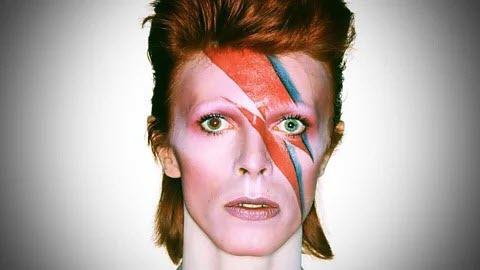
David Bowie, the chameleon of rock, has captivated generations with his innovative sound and striking persona. From the glam rock of the ’70s to the electronic experiments of the ’90s, Bowie constantly reinvented himself, pushing the boundaries of music and art. His ability to blend genres and explore complex themes made him a pioneer, leaving an indelible mark on the music landscape.
As we delve into the top 10 most popular David Bowie songs of all time, prepare to embark on a journey through his eclectic discography. Each track is not just a song; it’s a piece of history, reflecting the cultural shifts of their times. From the electrifying energy of “Rebel Rebel” to the haunting beauty of “Space Oddity,” Bowie’s music resonates with fans old and new, transcending time and genre.
Join us as we celebrate the artistry of this legendary figure, exploring the songs that defined his career and continue to inspire countless artists. Whether you’re a lifelong fan or just discovering his brilliance, get ready to experience the magic of David Bowie’s most beloved tracks. Let’s countdown the anthems that shaped a generation and continue to echo in our hearts today!
1. Space Oddity (1969)
“Space Oddity” is the song that launched David Bowie into stardom, introducing the world to the tragic and mysterious figure of Major Tom. Released in 1969, the track felt eerily in sync with the Apollo 11 moon landing, making it not just a song but a cultural moment. From the first haunting strum of guitar to the ethereal use of the Mellotron and Moog synthesizer, the track transports listeners to the cold silence of outer space.
Bowie’s storytelling here is extraordinary. He narrates Major Tom’s journey from lift-off to drifting into the void with such vivid detail that listeners feel both the wonder and the dread of space travel. His vocals carry a detached calmness that slowly turns haunting, mirroring the isolation of the character.
The song’s iconic chorus, “Ground Control to Major Tom,” has become one of the most recognizable refrains in music history, evoking feelings of curiosity, loss, and existential awe. Even decades later, “Space Oddity” remains a masterpiece — a fusion of science fiction fantasy and human vulnerability. It’s not just a song about space; it’s about what happens when we drift too far from home, both literally and emotionally.
2. Changes (1971)
“Changes” is Bowie’s manifesto of reinvention — a song that became a mirror to his own life and a rallying cry for anyone facing transformation. Released in 1971, the track immediately stood out with its playful, jazzy piano riff, which carries the entire song like a mischievous grin.
Lyrically, “Changes” is both reflective and prophetic. Bowie sings about the inevitability of time and growth, capturing the universal truth that nothing stays the same. Lines like “Turn and face the strange” feel like personal advice, urging listeners to embrace uncertainty instead of fearing it.
Bowie’s delivery is light yet knowing, as if he’s sharing a secret with you. There’s a hint of irony, a wink behind the words, but also an undeniable sincerity that makes the song relatable.
“Changes” has lived on far beyond its release — it’s been featured in countless films, commercials, and cultural moments, always carrying that same sense of renewal. It’s one of those rare songs that makes you want to sing along and think deeply about your own life. In true Bowie fashion, it challenges you, comforts you, and reminds you that reinvention is not just possible — it’s necessary.
3. Life on Mars? (1971)
“Life on Mars?” is perhaps Bowie at his most enigmatic and brilliant. Released in 1971, the song feels like a surreal short film set to music, blending absurd imagery with biting social commentary. It begins softly, with a delicate piano intro, before exploding into one of the most dramatic choruses of Bowie’s career.
The lyrics are almost dreamlike — a young girl watches a movie, disillusioned by the world around her, and asks the ultimate question: “Is there life on Mars?” Beneath its strange and whimsical language lies a critique of consumerism, fame, and societal emptiness.
Musically, the song is cinematic, with soaring strings and Mick Ronson’s orchestral arrangement elevating it to theatrical heights. Bowie’s vocals rise and fall with every emotional beat, shifting from tender to commanding in an instant.
“Life on Mars?” has become one of Bowie’s most celebrated works, not because it gives answers, but because it asks so many questions. It’s a song that invites interpretation, debate, and awe — the kind of track that feels different every time you hear it. More than 50 years later, it remains a surreal masterpiece, challenging listeners to see the world with new eyes.
4. Starman (1972)
“Starman” was the song that brought Bowie’s Ziggy Stardust persona to life and gave a voice to a generation of dreamers. Released in 1972, it’s a cosmic message of hope wrapped in glitter and glam rock. From the very first strum, there’s a warmth that pulls you in — a feeling that something magical is about to happen.
The lyrics tell the story of an alien figure, a “Starman,” broadcasting to the youth from the stars, offering them a way out of their ordinary lives. It’s not just science fiction; it’s a metaphor for connection, imagination, and the belief that something greater is out there.
Musically, the song is playful and melodic, with an instantly catchy chorus that begs to be sung. But its real turning point came when Bowie performed it on Top of the Pops in 1972 — draping his arm around Mick Ronson, looking straight into the camera. It was a bold, culture-shifting moment that made countless kids feel seen.
“Starman” isn’t just a song; it’s an invitation to dream. It whispers that no matter how lost you feel, there’s something — or someone — out there, waiting to save you.
5. Rebel Rebel (1974)
“Rebel Rebel” is Bowie at his most cheeky and unapologetic. Released in 1974, it’s an anthem of youthful defiance, built around one of the most iconic guitar riffs in rock history. The riff alone — gritty, raw, and instantly recognizable — sets the tone: this song is about breaking the rules and loving every second of it.
The lyrics are playful but powerful, celebrating androgyny, self-expression, and rebellion against societal norms. With the cheeky line, “You got your mother in a whirl,” Bowie gives voice to every teenager who ever shocked their parents with their clothes, their music, or their identity.
Vocally, Bowie struts through the song, full of swagger and charm. It’s less about anger and more about joyful provocation — rebellion as fun, not just resistance.
“Rebel Rebel” became one of Bowie’s defining glam rock statements, beloved for its raw simplicity and bold attitude. It doesn’t overcomplicate things; it just tells you to be whoever you want to be, loudly and proudly. Nearly 50 years later, it’s still a song that makes you feel powerful when you sing along — a reminder that being yourself is the most rebellious act of all.
6. Heroes (1977)
“Heroes” is one of Bowie’s most iconic songs, a soaring anthem of love, hope, and defiance. Released in 1977 as part of his Berlin Trilogy, the track carries an emotional weight that few songs can match. Inspired by a fleeting moment Bowie witnessed — two lovers sharing a kiss near the Berlin Wall — it transforms a small, intimate scene into something epic.
Musically, “Heroes” builds like a tidal wave. The guitar textures, courtesy of Robert Fripp, create a hypnotic wall of sound, while Bowie’s vocals start restrained and grow more urgent, almost desperate, as the song progresses. By the final verse, he’s nearly shouting, his voice cracking with emotion, as if sheer willpower might make the love story come true.
The lyrics capture that feeling of wanting something bigger, even if it’s fleeting — “we can be heroes, just for one day.” It’s a song about grabbing onto love and courage, even when the odds are against you.
Decades later, “Heroes” remains a universal anthem. It’s been used in films, protests, and personal moments of triumph. More than a song, it’s a reminder that in moments of bravery, even ordinary people can feel extraordinary.
7. Ashes to Ashes (1980)
“Ashes to Ashes” is Bowie reflecting on his past, his persona, and his struggles — and doing it in the most Bowie way possible: through surreal, artful pop. Released in 1980, it served as a spiritual sequel to “Space Oddity,” revisiting the character of Major Tom but from a darker, more introspective lens.
Musically, the track is groundbreaking. It weaves together new wave, art rock, and electronic textures, creating a futuristic yet melancholic atmosphere. The rhythm is strange, almost disjointed, but hypnotic — it feels like you’re drifting in and out of a dream.
The lyrics, though cryptic, reveal a lot about Bowie’s own struggles, particularly with fame and past drug use. The haunting refrain, “Ashes to ashes, funk to funky, we know Major Tom’s a junkie,” is both shocking and deeply human, peeling back the layers of the myth he built around himself.
The song’s music video was equally iconic, with Bowie dressed as a Pierrot clown — a strange, beautiful image burned into pop culture.
“Ashes to Ashes” is Bowie looking back while still moving forward, turning self-reflection into high art. It’s haunting, brilliant, and utterly unforgettable.
8. Let’s Dance (1983)
“Let’s Dance” marked a turning point in Bowie’s career — his leap into full-fledged pop stardom. Released in 1983, it’s sleek, funky, and irresistibly danceable, yet still unmistakably Bowie.
Produced by Nile Rodgers, the song has a groove that’s impossible to ignore. The crisp guitar lines, thumping bass, and driving beat create an infectious rhythm that begs you to move. But as with much of Bowie’s work, there’s more beneath the surface.
The lyrics are simple on the surface — an invitation to dance — but they’re tinged with sensuality and urgency. Lines like “put on your red shoes and dance the blues” feel like both a command and a promise of escape.
The song also came with a visually striking music video, shot in Australia, that explored themes of culture, identity, and colonialism — proving that even in his most commercial phase, Bowie never stopped challenging ideas.
“Let’s Dance” wasn’t just a hit; it was a phenomenon, topping charts worldwide and introducing Bowie to a whole new audience. Decades later, it still fills dance floors, a testament to its timeless energy and Bowie’s genius for reinvention.
9. Modern Love (1983)
“Modern Love” is Bowie at his most energetic — a racing, upbeat track that’s equal parts joy and skepticism. Released in 1983, it’s the opening song on his Let’s Dance album and immediately sets the tone: this is Bowie embracing pop, but on his own terms.
The music hits like a rush. The pounding piano, sharp guitar riffs, and relentless rhythm create a sense of forward momentum, like you’re sprinting through the city at night. It’s impossible not to move when this song plays.
But despite its upbeat sound, the lyrics are conflicted. Bowie sings about searching for meaning and connection in a fast-moving, modern world. He talks about faith, love, and loneliness, all while keeping that irresistible beat going.
His vocal delivery is exuberant — almost playful — but there’s an undercurrent of restlessness, a sense that he’s dancing through questions he doesn’t fully have answers to.
“Modern Love” has become one of Bowie’s most enduring tracks, beloved for its energy and its honesty. It’s a song that makes you want to dance, but it also makes you think — and that’s Bowie’s magic in a nutshell.
10. Under Pressure (1981, with Queen)
“Under Pressure” is more than just a collaboration between two legends — Bowie and Queen — it’s one of the most powerful songs ever recorded about the weight of the human condition. Released in 1981, the track is instantly recognizable by its unforgettable bassline, a simple but iconic hook that sets the stage for everything that follows.
The song builds as Freddie Mercury and David Bowie trade verses, their voices blending and clashing in a way that feels raw and real. There’s tension in the song — you can almost feel them pushing each other to greater heights — but there’s also unity.
Lyrically, “Under Pressure” is about stress, struggle, and the crushing demands of modern life. But it’s also about compassion. The chorus pleads for love, empathy, and kindness as the antidote to all that pressure.
By the time Bowie and Mercury reach the climactic “Why can’t we give love one more chance?” it feels less like a lyric and more like a cry from the soul.
“Under Pressure” has never lost its relevance. It’s a reminder that even when the world feels heavy, love and understanding are what keep us from breaking.

Edward Tomlin is a frequent contributor to Singers Room. Since 2005, Singersroom has been the voice of R&B around the world. Connect with us via social media below.