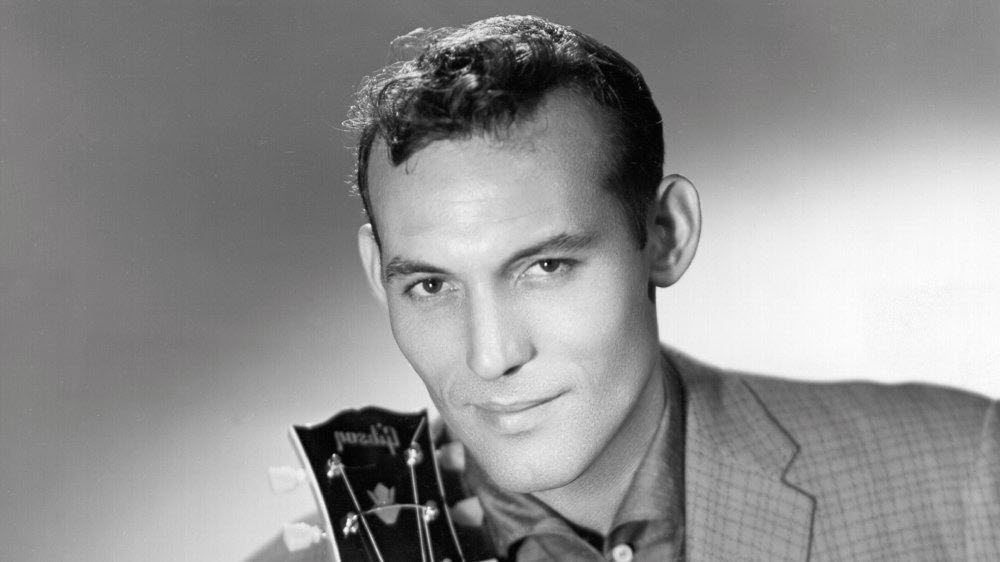
When you think of rockabilly legends, Carl Perkins undoubtedly shines as one of the genre’s most influential pioneers. With a guitar in hand and a style all his own, Perkins crafted songs that transcended generations, captivating audiences with his unique blend of rock, country, and blues. His groundbreaking hit “Blue Suede Shoes” not only defined a musical era but also paved the way for countless artists who followed in his footsteps, including the likes of Elvis Presley and Johnny Cash.
From heartfelt ballads to toe-tapping anthems, Perkins’ catalog is a treasure trove of musical brilliance. With each strum of his guitar, he infused his songs with raw emotion and infectious energy, making them timeless classics. In this article, we dive into the top 10 most popular Carl Perkins songs of all time, exploring the stories behind each track and their lasting impact on the music world. Whether you’re a lifelong fan or a newcomer to his music, prepare to be inspired by the genius of Carl Perkins as we celebrate his enduring legacy and the unforgettable tunes that continue to resonate today.
1. Blue Suede Shoes (1956)
“Blue Suede Shoes” remains one of the most defining rockabilly songs ever recorded and is forever tied to Carl Perkins’ legacy. Released in 1956, this infectious hit captured a new spirit in American music—fun, fast-paced, and full of attitude. The song’s message is simple yet iconic: a man warning others not to step on his cherished blue suede shoes. It’s more than just footwear; it’s a symbol of personal pride and youthful identity. With its sharp guitar licks and rollicking rhythm, the track embodies the early rebellion of rock and roll. Perkins’ southern twang and charisma shine through, delivering every line with precision and energy. “Blue Suede Shoes” was one of the first rock and roll records to climb the pop, country, and R&B charts simultaneously, showing how universally appealing it was. While Elvis Presley later recorded a version that gained major fame, it was Perkins who first gave the song its soul. It continues to be a staple in rock and roll history and a vital influence on the artists who followed. For many, this track is the blueprint for how rockabilly should sound—raw, bold, and unforgettable.
2. Honey Don’t (1956)
Released the same year as “Blue Suede Shoes,” “Honey Don’t” reveals another side of Carl Perkins’ artistry—a perfect blend of rockabilly swagger and playful storytelling. The song crackles with energy, thanks to Perkins’ confident vocals and a strong rhythmic backbone built on a sturdy backbeat and jangling guitar. Lyrically, it’s a cheeky warning from a man who resents his honey’s wandering eye. He knows people are calling, but he demands respect—“Baby, don’t you call my honey’s telephone!”—delivered with a hint of humor and just the right amount of threat. The musical arrangement is tight and lively, with bright guitar fills, walking bass lines, and drums that spring with a sense of urgency. Despite its humorous tone, the emotion comes through clearly: he’s hurt, frustrated, but determined. Perkins bridges country storytelling and the edginess of early rock ’n’ roll, paving the way for generations of artists who followed. It’s a song that still gets crowds moving today and highlights Perkins’ knack for turning everyday drama into irresistible music.
3. Boppin’ the Blues (1956)
“Boppin’ the Blues” is a joyful celebration of the sound that Carl Perkins helped define. Released in 1956, it features a tight, straight‑ahead groove: brisk guitar picking, snappy bass, and understated drums that drive the rhythm forward. The lyrics are all about letting go—boppin’, jumping, feeling the blues in a way that makes you move. There’s a sense of collective energy: he’s singing for the dancers, the late‑night rebels, and the ones who find release through rhythm. Perkins’ vocal phrasing is understatedly playful, putting just enough bite behind each syllable to give it character. The song blends country, blues, and rockabilly into a seamless whole, capturing that kinetic 1950s spirit. It quickly became a dancefloor favorite thanks to its infectious vibe and clever lyricism—“Well, the rhythm’s gettin’ hotter, but I just can’t cool down.” More than just a record, it was a statement: rockabilly was alive, loud, and here to stay—and Perkins was one of its brightest stars. Even today, “Boppin’ the Blues” stands as a defining example of how simple structure and raw energy can produce something unforgettable.
4. Dixie Bop (1957)
“Dixie Bop,” released in 1957, is the sound of Southern celebration wrapped in six minutes of pure fun. Perkins channels the spirit of small-town jamborees with this upbeat track—bright piano chords, an infectious swinging rhythm, and lively vocals that seem to laugh with every note. Lyrically, it’s all about letting the music move you—dancing under Spanish moss, swinging with a sweetheart, soaking in the good life. But it’s not just escapism; it’s an expression of regional pride and community joy. The song showcases Perkins’ versatility, merging his rockabilly style with a bluesy shuffle that makes you feel like you’re in the front pew of a Sunday revival later that night. His guitar lines skip and bounce over the groove, while the rhythm section keeps everything rooted in danceable momentum. Whether you listen solo or play it at a gathering, “Dixie Bop” instinctively calls for your feet to tap. It’s a snapshot of 1950s musical optimism and a reminder that even in simplicity, there can be electrifying joy.
5. Movie Magg (1957)
“Movie Magg” is a cinematic gem in Carl Perkins’ catalog—a tale spun like an old Hollywood movie, but with a rockabilly beat. Released in 1957, the song paints a charming portrait of Magg, a dazzling woman who captures the narrator’s attention with every step. With crisp guitar riffs and a strolling tempo, Perkins sets up a lighthearted narrative that’s both romantic and playful. The song’s humor and charisma shine through: Perkins recounts how Magg “stole the hearts of all the boys” while he sings with frustration and admiration. His vocal tone is expressive and nuanced, balancing admiration with a touch of complaint. Musically, the track leans on snappy percussion and economical instrumentation, giving space for the story to breathe. The lyrics are conversational, putting you in the room with him—watching her walk by in her glamorous style, unable to look away. The effect is clever storytelling wrapped in melody. “Movie Magg” shows that Perkins wasn’t just about danceable grooves—he could also craft a narrative that felt vivid and relatable. It’s a delightful slice of Americana and a testament to Perkins’ knack for blending personality with pop sensibility.
6. Matchbox (1957)
“Matchbox” is a classic blues‑infused lament of heartbreak from 1957 that mixes Perkins’ sharp songwriting with raw emotional pull. Built on a traditional blues structure, the song finds the narrator singing about being “flat‑broke and matchbox full of smoke”—a vivid metaphor for a love gone wrong. Musically, it combines slinky guitar riffs with a steady shuffle rhythm, supporting Perkins’ expressive delivery. His voice conveys resignation and a touch of bitterness. The result is simple, direct, and potent. It’s one of those stories of loss that doesn’t lumber; instead, Perkins carries it with style. The track may be brief, but it’s packed with mood. The guitar fills feel spontaneous, almost improvisatory, while the beat holds steady—like a heart trying to move forward despite pain. “Matchbox” has been covered by artists from The Beatles to Johnny Cash, proving its timeless appeal. For Perkins, the song symbolizes the emotional honesty he brought to rockabilly—a genre often associated with fun and drive, but capable of real depth. This track remains a potent reminder that even simple setups can carry powerful weight when a performer truly delivers the emotion behind every phrase.
7. Everybody’s Trying to Be My Baby (1956)
“Everybody’s Trying to Be My Baby” is playful rockabilly at its best. Released in 1956, it showcases Carl Perkins’ sense of humor and charisma in equal measure. The lyrics chronicle a guy who’s suddenly gotten attention—his phone rings off the hook, people ask for pictures, and admirers stare from the crowd. Rather than complain, he sings with bemused pride, pointing out that he doesn’t always understand the fuss. Backed by a bouncy, echoing guitar line and twangy rhythm, the track dances between humility and triumph. Perkins’ delivery is lighthearted yet assured—fully aware of the irony, fully in control. The arrangement is tight and essential, letting the groove take center stage. It’s an early example of how rock ‘n’ roll could be fun and self‑reflective at the same time. “Everybody’s Trying to Be My Baby” has a genuineness to it: he’s not boastful, just bemused by fame knocking on his door. The song later became more widely known through versions by other artists, but it remains a signature Perkins performance—charismatic and catchy, with charm to spare.
8. Long Tall Sally (1958)
Carl Perkins’ 1958 version of “Long Tall Sally” reinvigorates Little Richard’s rock and roll classic with his own voice and guitar flair. The track is fast, punchy, and unapologetically rockabilly—sharp drum hits, bouncing bass, and Perkins firing off urgent guitar fills around every corner. The lyrics celebrate a confident, towering woman—Long Tall Sally—who commands attention wherever she goes. Perkins delivers the story with both energy and admiration, his voice carrying a sense of urgency and humor. Where Little Richard’s version is frenetic, Perkins tames it with clarity but maintains the excitement: he’s in control, but still spinning. The result is a dynamic reinterpretation that showcases Perkins’ versatility. It’s not a mellow or slowed-down cover; it’s energetic and true to rock’s spirit. The arrangement amplifies the playful lyrics with a musical rush that invites movement. In Perkins’ hands, “Long Tall Sally” isn’t just a cover—it’s a reaffirmation of rockabilly’s power to evolve while honoring the roots. It reminds listeners that rock and roll thrives on character, rhythm, and pure enjoyment—and Perkins captured all three with finesse.
9. Your True Love (1958)
“Your True Love” is a tender moment in Carl Perkins’ rockabilly repertoire—a heartfelt ballad carried by sincerity and emotional clarity. Released in 1958, the song finds Perkins singing about yearning and devotion for someone who represents honesty and connection. The music drifts more gently than much of his upbeat work: mellow guitar, soft backing vocals, and a steady, relaxed rhythm that lets the emotion breathe. The lyric is straightforward: he’s missing his true love, and nothing else compares. Perkins’ vocal timbre is rich and vulnerable, offering a sense of earnest longing without grandeur. It’s more about warmth than showmanship. The melody lingers in the mind, a quiet echo of heartache mixed with hope. The song captures a moment of reflection—choosing emotional truth over everything else. While not a chart-topping single, “Your True Love” is beloved among fans who appreciate Perkins’ softer side. It’s proof that even within rockabilly’s upbeat vein, there’s space for quiet sorrow and emotional candor. Perkins delivers that with simplicity and heart, reminding us that sometimes the most powerful songs are the quietest.
10. Let the Good Times Roll (1958)
Released in 1958, “Let the Good Times Roll” is Carl Perkins embracing the joy of music and celebration. The track opens with swinging piano and upbeat horns, quickly launching into a rhythm that feels like the start of a party. Perkins’ voice is warm and inviting as he sings about forgetting troubles, dancing, and making the most of the moment. The arrangement balances instrumentation precisely—enough energy to get people moving, but also lightness that keeps it fun and carefree. The lyrics are simple, heartfelt—a call to celebrate life, love, and camaraderie. Perkins delivers them with sincerity, making it feel less like a show and more like an invitation to his friends. The track embodies the optimistic spirit of the late ’50s—somewhere between doo-wop lounge and dance-hall joy. It’s a song that doesn’t overthink; it just lives in its groove and reminds listeners why music feels good. “Let the Good Times Roll” remains a feel-good anthem—an enduring testament to Perkins’ ability to lift spirits, even with a simple chorus and steady beat.

Edward Tomlin is a frequent contributor to Singers Room. Since 2005, Singersroom has been the voice of R&B around the world. Connect with us via social media below.









