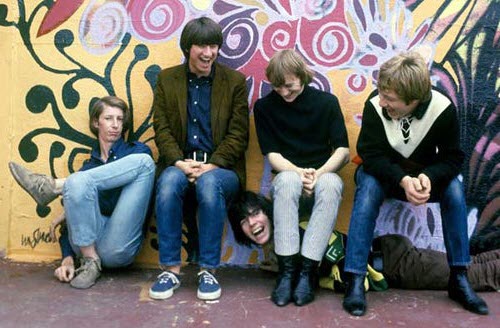
Buffalo Springfield, the quintessential band of the 1960s, left an indelible mark on the landscape of rock music and counterculture. Formed in 1966, this California-based group, featuring the legendary talents of Neil Young, Stephen Stills, and Richie Furay, blended folk, rock, and psychedelia to create a sound that resonated with a generation yearning for change. Their music captured the spirit of a tumultuous era, addressing themes of love, protest, and social justice with poignant lyrics and unforgettable melodies.
As we delve into the top 10 most popular Buffalo Springfield songs of all time, we celebrate the anthems that not only defined a decade but continue to inspire listeners today. From the haunting echoes of “For What It’s Worth” to the infectious energy of “Mr. Soul,” each track tells a story that reflects the hopes and struggles of its time. Join us on this musical journey as we explore the songs that solidified Buffalo Springfield’s legacy and influenced countless artists, ensuring their place in the pantheon of rock history. Whether you’re a lifelong fan or a newcomer, these tracks are sure to ignite your passion for one of the most iconic bands of all time.
1. For What It’s Worth
Released in 1966, “For What It’s Worth” has become one of the defining anthems of the 1960s, capturing the spirit of a generation grappling with upheaval. Written by Stephen Stills for Buffalo Springfield, the song was inspired by the Sunset Strip curfew riots in Los Angeles, but its message reached far beyond that specific event. From the very first haunting guitar riff, there’s an air of urgency that draws listeners in, setting the stage for lyrics that speak of tension, confusion, and the need for awareness. “There’s something happening here,” Stills sings, and those words became a mantra for an entire era of social change. The song’s restrained, almost ominous tone made it even more powerful—it wasn’t a call to arms so much as a call to think, to open your eyes to what was happening in the world. Over the decades, “For What It’s Worth” has remained just as relevant, finding new meaning in different times of protest and unrest. Its combination of a simple melody, unforgettable riff, and thoughtful lyrics turned it into more than just a hit single—it became a timeless message, one that continues to echo through generations.
2. Mr. Soul
“Mr. Soul,” released in 1967, showcases Neil Young’s distinctive songwriting style and Buffalo Springfield’s bold, evolving sound. Written as a response to the sudden pressures of fame, Young turned his feelings of disorientation and unease into a sharp, introspective rock song. The lyrics drip with irony and self-reflection, exploring the alienation that can come when adoration and scrutiny arrive all at once. Musically, “Mr. Soul” brims with energy, propelled by gritty guitar riffs and a driving rhythm that give it an edge. Young’s slightly weary yet compelling vocal delivery adds another layer, making it feel like both a confession and a critique of celebrity culture. There’s a cool swagger to the song, but underneath it lies a tension that makes it fascinating to revisit. Decades later, it remains a standout not only in Buffalo Springfield’s catalog but also in Young’s career—a glimpse of the themes he would continue to explore. “Mr. Soul” feels as relevant now as it did then, a reminder of how the glare of fame can illuminate and distort in equal measure.
3. Broken Arrow
Released in 1967, “Broken Arrow” is one of Buffalo Springfield’s most ambitious and haunting pieces—a song that feels like a dream you can’t quite shake. Written by Neil Young, it’s not a straightforward tune; it’s an intricate collage of sound, emotion, and imagery. The lyrics weave together fragments of longing, loss, and searching, filled with metaphors that invite interpretation. Musically, the track is daring for its time, shifting moods and textures with ease—soft, reflective moments give way to swells of sound, creating a feeling of emotional turbulence. Young’s fragile yet expressive vocals guide the listener through this shifting landscape, grounding the song even as it drifts into the surreal. “Broken Arrow” isn’t just a love song or a lament—it’s an experience, a glimpse into Young’s creative mind and the experimental spirit of the late 1960s. Though it may not have been a chart-topping hit, it became a cult favorite, revered for its complexity and emotional weight. Even now, it stands as a testament to Buffalo Springfield’s willingness to push boundaries and create music that lingers in the heart and mind.
4. Expecting to Fly
“Expecting to Fly,” released in 1967, is one of Buffalo Springfield’s most moving and ethereal ballads, a song that feels almost like a whisper from another world. Written by Neil Young, it captures a sense of fragile hope mingled with quiet heartbreak, the feeling of reaching for something just out of grasp. The lush orchestral arrangement sets this track apart—it floats around Young’s delicate voice like a dream, with strings and gentle horns creating a cinematic soundscape. The lyrics are poetic and slightly bittersweet, speaking of love, loss, and the bittersweet beauty of expectation. Young’s delivery is tender, almost hesitant, as if he’s revealing something deeply personal. “Expecting to Fly” is not just a song; it’s an atmosphere, a moment of stillness that invites you to stop and feel. It reflects the ambitious, genre-blending approach that Buffalo Springfield embraced, combining folk sensibilities with grand, almost symphonic arrangements. Even decades later, “Expecting to Fly” remains one of those songs that can stop you in your tracks—a fragile, timeless reminder of the dreams we hold and the heartbreaks that shape us.
5. Rock and Roll Woman
“Rock and Roll Woman,” released in 1967, is a burst of joy and energy, celebrating not just music, but the people who bring it to life. Written primarily by Richie Furay, the song has an upbeat, irresistible groove that perfectly captures the freewheeling spirit of the late 1960s. From the very first notes, it’s clear this is a track meant to lift you up—the guitars are bright, the harmonies are rich, and the rhythm practically dares you not to tap your foot. Lyrically, it’s a tribute to a “rock and roll woman,” a muse who embodies creativity, independence, and a little bit of mystery. Furay’s vocals, backed by Buffalo Springfield’s trademark harmonies, give the song an infectious charm that’s hard to resist. It’s celebratory without being overly polished, capturing that raw, joyful energy that made the band so special. “Rock and Roll Woman” isn’t just a song about someone—it’s a song about a feeling, the thrill of music and freedom colliding. More than 50 years later, it still feels fresh, a reminder of an era when rock music felt like a revolution and a celebration all at once.
6. A Child’s Claim to Fame
Released in 1966, “A Child’s Claim to Fame” shows Buffalo Springfield’s softer, more introspective side. Written by Stephen Stills, it’s a song that blends a folksy warmth with a subtle bite, reflecting on ambition, youthful pride, and the hard truths that come with chasing dreams. The melody is gentle and inviting, with a country-tinged lilt that sets it apart from the band’s rockier tracks. Stills’ vocals are steady but laced with feeling, and the harmonies from the band wrap around his voice like a familiar comfort. There’s a bittersweetness to the lyrics—they speak of hope and determination, but also the realization that not all ambitions are easily fulfilled. The arrangement is simple yet effective, letting the words and emotions take center stage. “A Child’s Claim to Fame” might not have the urgency of the band’s protest songs or the bold experimentation of their later work, but it has something just as valuable: honesty. It feels like a quiet confession, a snapshot of youthful dreams, and a reminder of how music can make even the hardest truths a little easier to hear.
7. Bluebird
“Bluebird,” released in 1969, is one of Buffalo Springfield’s most beloved songs, a track that seems to embody the very idea of freedom. Written by Neil Young, it begins with a tender, almost wistful melody, then gradually unfolds into something richer and more expansive. The lyrics are simple but evocative, painting the image of a bluebird as a symbol of hope, renewal, and the open possibilities of life. But what makes “Bluebird” so captivating isn’t just the words—it’s the music. The interplay of acoustic and electric guitars is intricate and mesmerizing, creating textures that shift and build as the song progresses. Young’s vocals are both vulnerable and uplifting, giving the song an emotional core that’s impossible to ignore. By the time the song stretches into its extended jam, it feels less like a single track and more like a journey. “Bluebird” captures the essence of what made Buffalo Springfield so unique: their ability to mix folk intimacy, rock energy, and pure musical exploration into something timeless. It’s a song that feels like a breath of fresh air, as beautiful and boundless now as when it was first released.
8. I Am a Child
“I Am a Child,” released in 1969, is one of Neil Young’s most tender and reflective compositions—a song that distills the essence of innocence into a few simple verses. The lyrics are straightforward, written from the perspective of a child, but they carry a surprising weight, asking subtle questions about the world and the adults who shape it. Young’s delivery is soft and pure, almost fragile, which makes the words feel even more poignant. The melody is gentle and folksy, with a simplicity that mirrors the song’s theme. There’s a sweetness to it, but also a quiet sadness, a recognition that innocence doesn’t last forever. The arrangement is understated, allowing the lyrics to take the spotlight while warm harmonies and delicate instrumentation provide a soft cushion for Young’s voice. “I Am a Child” is the kind of song that sneaks up on you—it seems small at first, almost lullaby-like, but by the end, it leaves you thinking about your own childhood, your own questions, and the way we all see the world differently as we grow. It’s a tiny masterpiece of honesty and grace.
9. Go and Say Goodbye
“Go and Say Goodbye,” released in 1966, is a bittersweet gem from Buffalo Springfield’s early days, blending folk-rock sensibilities with raw emotion. Written by Richie Furay, the song feels like a letter written in the aftermath of heartbreak—a mix of sadness, acceptance, and a touch of lingering hope. The lyrics are straightforward yet poignant, telling someone to “go and say goodbye” with a resigned tenderness that makes the message hit even harder. Musically, it’s deceptively simple, with jangly guitars and a steady rhythm that give it a warm, approachable feel. The harmonies are a highlight, adding depth and texture to the song’s emotional core. “Go and Say Goodbye” captures something universal: the quiet pain of letting go and the bittersweet courage it takes to accept when love has run its course. It may not have the epic sweep of some of Buffalo Springfield’s other tracks, but its simplicity is its strength—it feels honest, human, and deeply relatable. Even now, it’s a song that can stop you in your tracks with just a few words and a melody that lingers long after it’s over.
10. Carefree Country Day
Released in 1968, “Carefree Country Day” is one of Buffalo Springfield’s most whimsical and charming tracks—a lighthearted tune that feels like sunshine bottled into a song. Written by Stephen Stills, it captures the easy joy of a lazy afternoon, painting a picture of a day free from worries, full of simple pleasures. The melody is bright and breezy, and the lyrics have an almost childlike playfulness that makes the song feel effortlessly happy. The instrumentation adds to the mood with a lively bounce, blending folk and country elements into something that feels casual yet perfectly crafted. Stills’ vocals are warm and relaxed, like he’s inviting you to kick off your shoes and stay awhile. “Carefree Country Day” might seem lighter than some of the band’s deeper, more introspective work, but that’s what makes it special—it’s a reminder that music doesn’t always have to be heavy to be meaningful. Sometimes, a song about happiness, about slowing down and savoring the moment, can be just as profound. Decades later, it still feels like an open window on a perfect spring day, letting in a breeze of pure joy.

Edward Tomlin is a frequent contributor to Singers Room. Since 2005, Singersroom has been the voice of R&B around the world. Connect with us via social media below.









