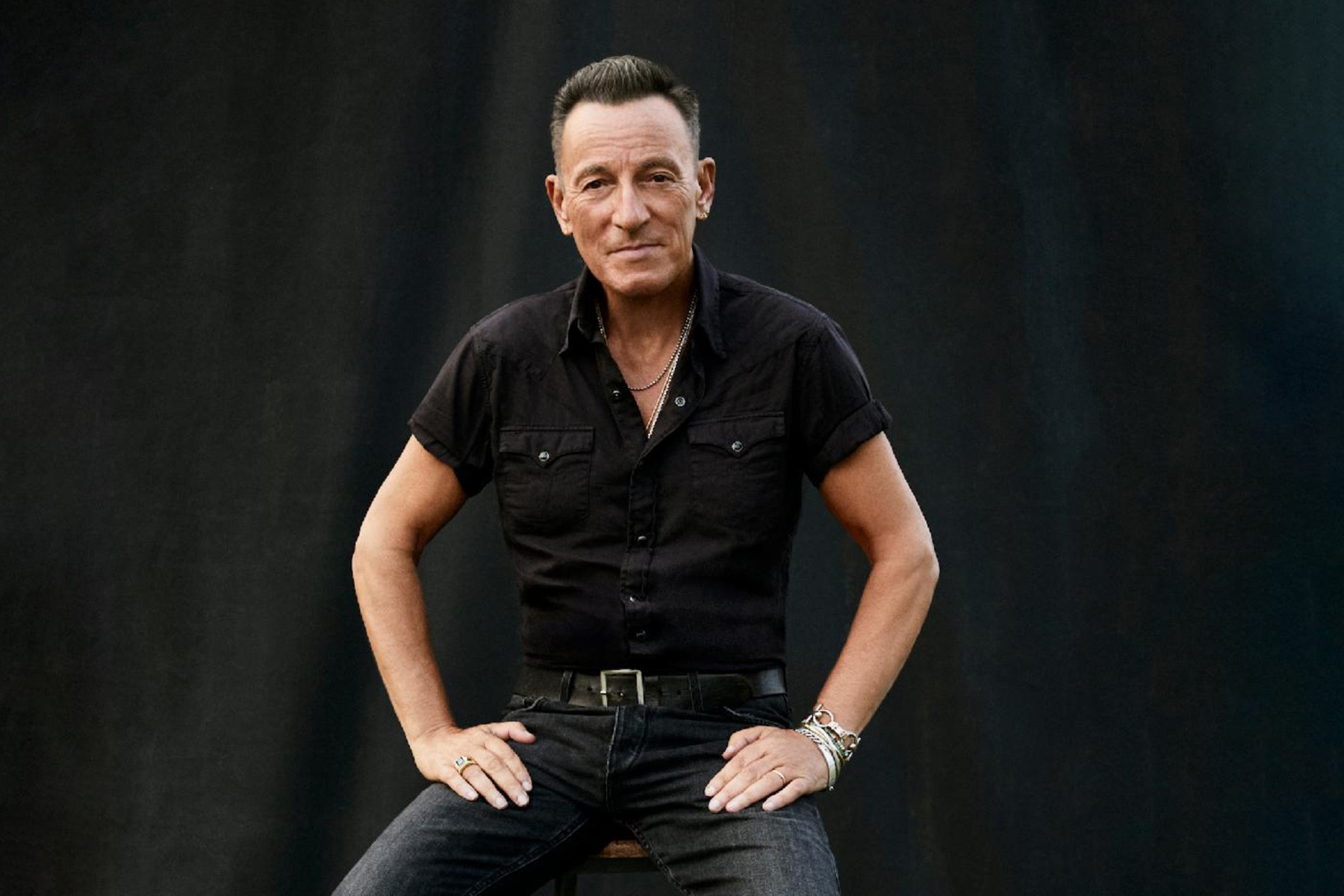
Few artists have captured the spirit of America quite like Bruce Springsteen. With his gravelly voice, poetic storytelling, and anthemic sound, The Boss has spent over five decades chronicling the hopes, heartbreaks, and highways of the working class. From small-town dreams to big-city struggles, Springsteen’s music has become the soundtrack of resilience, rebellion, and redemption. But with a legendary catalog spanning dozens of albums and hundreds of songs, which tracks truly stand out as the most iconic?
In this article, we count down the Top 10 Most Popular Bruce Springsteen Songs of All Time—the timeless anthems that defined generations, filled stadiums, and etched themselves into rock and roll history. These are the songs that made fans scream with joy, cry with recognition, and find solace in the stories Bruce so effortlessly tells. Whether you’re a lifelong devotee or just discovering the magic of Asbury Park’s favorite son, get ready to relive the moments that made Springsteen a legend. From thunderous rockers to soul-baring ballads, these tracks are more than music—they’re American epics. So rev up your engines, cue the vinyl, and let’s hit the road with The Boss. These are the songs that made us believe we were born to run.
1. Born to Run (1975)
“Born to Run” is more than a rock song—it’s a full-throttle escape plan wrapped in soaring guitars, cinematic lyrics, and thunderous urgency. Released in 1975, this track propelled Bruce Springsteen into the spotlight and remains one of his most iconic anthems. The song captures the longing of youth trapped in dead-end towns, chasing something bigger, faster, freer. It’s the sound of two people—tramps, as he calls them—racing toward an undefined future, driven by love and desperation. Springsteen’s Wall of Sound production echoes with ambition, layering guitars, saxophones, and drums into a towering wave of emotion. Lines like “We gotta get out while we’re young” speak to that universal ache to break away before life hardens. The epic guitar solo, Clarence Clemons’ unforgettable saxophone part, and Bruce’s urgent vocals turn “Born to Run” into a fever dream of escape and possibility. It’s not just a breakout hit; it’s a defining piece of American rock. Whether you’re stuck in traffic or standing on the edge of change, “Born to Run” feels like it’s begging you to hit the gas and never look back.
2. Born in the U.S.A. (1984)
Often misinterpreted as a patriotic singalong, “Born in the U.S.A.” is actually one of Springsteen’s most searing critiques of American disillusionment. Released in 1984 at the peak of Reagan-era optimism, the song’s anthemic sound—booming drums, sharp synths, and Bruce’s stadium-ready shout—contrasts sharply with its grim message. The lyrics tell the story of a working-class Vietnam veteran abandoned by his country after fighting its war, left to struggle in a system that promised much and delivered little. Springsteen’s raspy voice drips with pain and bitterness, especially in verses that recount lost jobs, broken homes, and the loss of dignity. The powerful chorus, often misunderstood, actually underscores the tragic irony of being “born in the U.S.A.” and still left behind. Despite the disconnect between sound and meaning, or perhaps because of it, the song became a massive hit and cemented Springsteen’s place as both a rock icon and a voice for the forgotten. It’s a protest song disguised as a national anthem—a razor wrapped in red, white, and blue.
3. Thunder Road (1975)
Opening his 1975 Born to Run album, “Thunder Road” feels like the beginning of a movie—quiet, expectant, and ready to burst with life. It starts with a lonely harmonica and piano as Springsteen paints the image of Mary standing on her front porch, full of dreams and hesitation. As the song builds, it becomes a sweeping call to action—a promise to leave behind old ghosts and chase something better. It’s part love song, part spiritual awakening. Springsteen sings not just to Mary, but to anyone who’s ever felt stuck, offering an open road and a full tank of hope. When the band kicks in midway through, the song takes off like a car pulling onto the highway at full speed. There’s no chorus, just a buildup of emotion, momentum, and longing. “Thunder Road” isn’t flashy; it’s raw, honest, and utterly cinematic. With its mix of realism and optimism, it captures that uniquely American blend of heartbreak and hope. It’s no wonder it’s considered one of Bruce’s greatest works—because it doesn’t just tell a story, it invites you to live it.
4. Dancing in the Dark (1984)
“Dancing in the Dark” is Springsteen’s most danceable cry for help. Released in 1984 on the blockbuster Born in the U.S.A. album, it marked a major stylistic departure from his earlier, grittier work. Built on pulsing synths and a slick pop beat, the song became a chart-topping hit and brought Bruce to a whole new audience. But underneath the polished production lies a deeply personal confession. Springsteen voices the frustration of stagnation, the yearning for something more. “I’m just tired and bored with myself,” he admits—words that hit hard for anyone who’s ever felt stuck in their own skin. The song is deceptively upbeat, with its catchy chorus and iconic video (featuring a then-unknown Courteney Cox), but its emotional core is unmistakable. Bruce isn’t just singing about dancing—he’s searching for meaning, change, a spark. “Dancing in the Dark” remains one of his biggest hits not just because it sounds good, but because it resonates. It reminds us that even in our darkest moments, movement—any movement—can be a step toward something brighter.
5. The River (1980)
“The River” is a haunting ballad of dreams deferred, perhaps one of Springsteen’s most heartbreaking songs. Released in 1980 as the title track of his double album, it reflects a turning point in his songwriting—more mature, grounded, and painfully real. The song tells the story of a young couple whose hopes are drowned by economic hardship. What begins with teenage love and promise ends in a weary acceptance of reality. Accompanied by a somber harmonica and sparse arrangement, Springsteen’s vocals are heavy with resignation. “Is a dream a lie if it don’t come true?” he asks—a question that cuts deep into the heart of the American working class. Inspired by his sister and brother-in-law’s real-life struggles, the song captures the personal toll of economic decline without ever losing its compassion. “The River” doesn’t rage—it mourns. And in doing so, it connects with anyone who has ever watched their hopes slip quietly away. It’s not just a standout track—it’s a solemn hymn for those left behind in America’s progress.
6. Atlantic City (1982)
“Atlantic City,” released on 1982’s Nebraska, strips Springsteen’s sound to its barest bones and delivers one of his most haunting stories. Armed with just an acoustic guitar and a stark, lo-fi recording, Bruce paints a bleak portrait of desperation, crime, and moral compromise. Set against the crumbling promises of a decaying Atlantic City, the song’s protagonist turns to the underworld in a last-ditch bid to survive. “Everything dies, baby, that’s a fact,” he sings—not with anger, but with exhausted resolve. There’s no bombast, no triumphant escape, just cold acceptance and haunting ambiguity. The city, once seen as a place of dreams, becomes a symbol of faded hope and looming danger. The rawness of the recording enhances the song’s tension, making it feel like a confession whispered in the dark. Despite its minimalism, or perhaps because of it, “Atlantic City” remains one of Springsteen’s most powerful and enduring works. It captures the moment when dreams curdle into necessity, when survival outweighs ideals. In just a few minutes, Springsteen turns a single city into a metaphor for a crumbling America.
7. Streets of Philadelphia (1994)
“Streets of Philadelphia” stands as one of Springsteen’s most emotionally raw and quietly powerful songs. Written for the 1993 film Philadelphia and released in 1994, the song marked a shift in Bruce’s sound—subdued, electronic, and deeply introspective. Gone were the anthems and guitar solos; in their place, a hushed drum machine, subtle synths, and a voice weighed down by sorrow. The lyrics explore alienation, illness, and emotional isolation, capturing the quiet suffering of a man fading from society due to AIDS. “I was bruised and battered, I couldn’t tell what I felt,” Bruce sings with ghostlike intimacy, embodying the physical and emotional pain of being invisible. The song earned him an Academy Award and four Grammys, but more importantly, it helped humanize the AIDS crisis for mainstream audiences. It’s a rare instance where a song transcends its soundtrack role to become a cultural moment—one that blends artistry and empathy with devastating grace. “Streets of Philadelphia” remains a testament to Springsteen’s ability to evolve, to listen, and to speak for those whose voices go unheard.
8. Glory Days (1985)
“Glory Days,” from the 1985 Born in the U.S.A. album, is Bruce Springsteen at his most playful—and most reflective. With a rollicking barroom beat, infectious guitar riffs, and Clarence Clemons’ joyful sax solo, the song sounds like a party. But listen closer, and you’ll find a bittersweet story about time slipping through our fingers. Springsteen sings of old friends stuck reminiscing about high school baseball games, beauty that faded too fast, and dreams that never quite materialized. “Glory days, well they’ll pass you by,” he warns, with a wink and a sigh. It’s a humorous look at nostalgia, but also a cautionary tale: cling too tightly to the past, and you’ll miss the present. The track became a huge hit and a staple of Springsteen’s live performances, often turning crowds into singalong choirs. But its staying power comes from its emotional truth. Everyone has their own version of “glory days,” and Springsteen captures the joy—and the ache—of looking back. It’s a song that makes you laugh, reflect, and maybe even call an old friend.
9. Badlands (1978)
“Badlands” is a defiant roar from the depths of frustration. Released in 1978 on Darkness on the Edge of Town, it marked Springsteen’s transition from romantic dreamer to hard-eyed realist. The song bursts open with a driving beat, pounding drums, and a relentless guitar riff that feels like it could punch through concrete. Bruce’s vocals are fierce, urgent, and unapologetically angry. He rails against a world that offers too little and demands too much, but he never gives in. “I believe in the faith that can save me,” he shouts, clinging to hope like a lifeline. The lyrics are both personal and universal—a working-class cry for dignity and meaning. “Badlands” isn’t about giving up—it’s about fighting back. The energy is electric, the message clear: life may be hard, but giving up isn’t an option. This track became a staple of Springsteen’s live shows, and its message resonates just as powerfully today. It’s not just a song—it’s a battle cry for anyone who’s ever wanted more from life and refused to settle.
10. Jungleland (1975)
“Jungleland” is Bruce Springsteen’s rock opera—a sprawling, emotionally charged masterpiece that closes out 1975’s Born to Run with cinematic flair. Clocking in at nearly ten minutes, the song is an epic tale of doomed love, street gangs, and shattered dreams. It begins with a delicate piano intro from Roy Bittan, slowly building into a grand, orchestral soundscape that ebbs and flows like a tragic movie score. The lyrics read like poetry—rich with imagery, heartbreak, and brutal honesty. Springsteen tells the story of “the Magic Rat” and “the barefoot girl,” caught in a violent and unforgiving world. Clarence Clemons’ saxophone solo is legendary, crying out with emotion that words alone can’t capture. As the song closes, the city swallows its characters whole, and silence falls. “Jungleland” isn’t just a song—it’s a saga. It blends elements of rock, jazz, classical, and soul into a breathtaking, genre-defying composition. It stands as one of Springsteen’s greatest achievements, not just for its ambition but for its raw humanity. It’s a reminder that even amid chaos and loss, beauty can still break through.

Samuel Moore is a frequent contributor to Singers Room. Since 2005, Singersroom has been the voice of R&B around the world. Connect with us via social media below.









