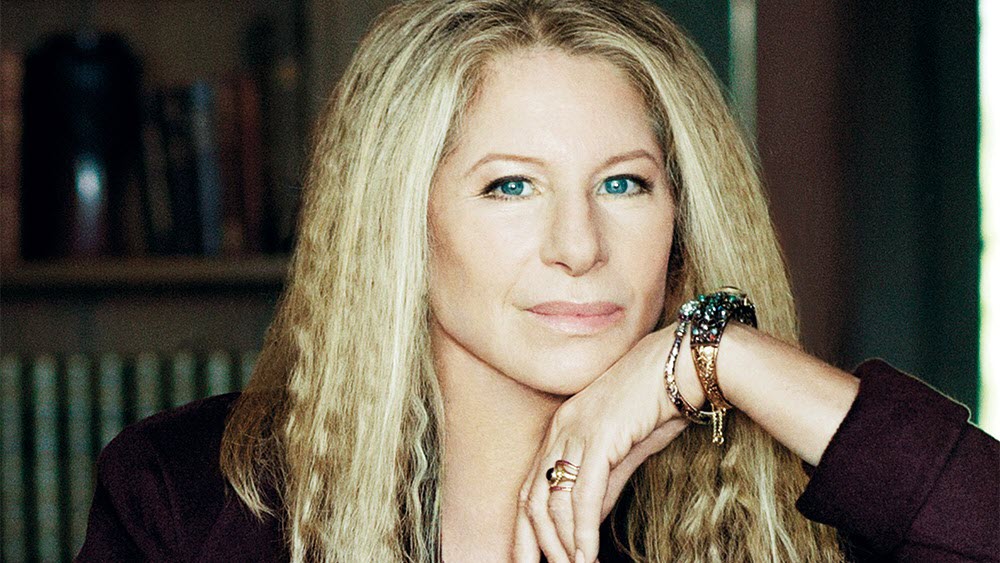
Barbra Streisand, an unparalleled icon in the world of music and film, has captivated audiences for decades with her powerful voice and emotive performances. From her humble beginnings in Brooklyn to becoming a global superstar, Streisand’s journey is nothing short of extraordinary. With a career that spans over six decades, she has released countless hits that resonate with fans across generations. Her ability to blend pop, jazz, and Broadway styles has not only redefined the music landscape but has also solidified her status as a cultural phenomenon.
In this article, we delve into the top 10 most popular Barbra Streisand songs of all time. Each track showcases her unique artistry, emotional depth, and vocal prowess. Whether you’re a lifelong fan or a newcomer to her music, these songs represent the essence of Streisand’s legacy. From heart-wrenching ballads to uplifting anthems, her discography is a treasure trove of unforgettable melodies and poignant lyrics. Join us as we celebrate the magic of Barbra Streisand and explore the songs that have left an indelible mark on the hearts of millions. Get ready to rediscover the brilliance of this legendary artist!
1. “The Way We Were” (1973)
Barbra Streisand’s “The Way We Were” is one of those rare songs that feels like an emotional time capsule. Released in 1973 as the title theme for the film The Way We Were, it weaves together the soft ache of nostalgia with the beauty of cherished memories. The lyrics reflect on a past love that once brought happiness but now lives only in the recesses of memory. Streisand’s voice is tender, emotive, and beautifully expressive, bringing out the sorrow, warmth, and wistfulness embedded in each line. Marvin Hamlisch’s orchestration elevates the emotional landscape, allowing the music to swell with every sigh and reflection. This song doesn’t just remind us of what once was—it honors it, even as it acknowledges that some things can never be recaptured. It became a cultural touchstone almost immediately, winning the Academy Award for Best Original Song and becoming one of Streisand’s most enduring hits. “The Way We Were” still resonates with anyone who has loved and lost, offering a graceful, melodic embrace to the bittersweet moments of the past.
2. “Evergreen (Love Theme from A Star Is Born)” (1976)
“Evergreen” stands as one of Barbra Streisand’s most touching and enduring love songs. Originally written for the 1976 film A Star Is Born, this delicate ballad captures the essence of a timeless romance. Streisand’s voice glides effortlessly over the soft melody, bringing an emotional richness that only she can deliver. The lyrics speak of a love that remains constant and unwavering, like an evergreen tree through the changing seasons. Her performance is heartfelt and intimate, drawing the listener into a moment of vulnerable beauty. The arrangement is simple yet elegant, allowing her voice to shine without distraction. What makes “Evergreen” so powerful is its understated sincerity—it doesn’t need to shout to be heard. Instead, it quietly settles into the heart, resonating with anyone who has loved deeply and hoped that feeling would last forever. Over the years, the song has remained a staple in her repertoire and a favorite among fans who appreciate her ability to bring raw emotion into every note. With its gentle strength and graceful delivery, “Evergreen” continues to symbolize enduring love in its purest form.
3. “People” (1964)
“People” is one of those rare songs that seems to live and breathe with the emotions of its performer. First introduced to audiences in the Broadway musical Funny Girl, Barbra Streisand’s rendition quickly became iconic. The song explores the simple yet profound truth that people need each other, a sentiment that feels as relevant today as it did in the 1960s. Streisand’s vocal delivery is filled with warmth, vulnerability, and strength—qualities that made her a star. Her phrasing adds texture to every word, and the sweeping orchestration supports her voice like a gentle wave. What elevates this ballad beyond its theatrical origins is Streisand’s deep understanding of the lyrics. She doesn’t just sing “People who need people are the luckiest people in the world”—she makes you believe it. The performance feels deeply personal, as if she’s confiding something intimate to the listener. Whether experienced live or on record, “People” remains a highlight of Streisand’s career and a timeless reflection on the power of human connection.
4. “Woman in Love” (1980)
“Woman in Love” captures Barbra Streisand at the height of her pop prowess. Released in 1980, this soaring ballad paints a vivid portrait of romantic surrender. With its dramatic production and emotionally charged lyrics, the song tells the story of a woman completely devoted to the man she loves, no matter the cost. Streisand’s voice is bold and unwavering here—she doesn’t just sing the lyrics, she inhabits them. Her delivery balances tenderness with power, showing both vulnerability and strength. The orchestration complements her voice perfectly, with sweeping strings and subtle synths giving the track a cinematic quality. It’s not just a love song; it’s a declaration of passion and sacrifice. “Woman in Love” became a massive hit for Streisand, earning her fans across pop and adult contemporary audiences alike. What makes it endure is the way it taps into a universal emotion—that desperate, beautiful ache of being utterly consumed by love. In just a few minutes, Streisand manages to take listeners on an emotional journey that lingers long after the final note.
5. “No More Tears (Enough Is Enough)” (1979)
“No More Tears (Enough Is Enough)” is a thrilling powerhouse duet that sees Barbra Streisand stepping into the disco spotlight alongside Donna Summer. This 1979 hit is more than just a dance track—it’s an anthem of empowerment. The song begins with a slow, dramatic build, showcasing Streisand’s signature vocal control and emotion. But then the tempo kicks in, and the track transforms into a full-blown disco storm, with both singers belting out declarations of independence and self-worth. Their voices—so different in tone but perfectly matched in intensity—blend into a fierce harmony that electrifies the track. Lyrically, it’s about reaching the breaking point in a toxic relationship and choosing to walk away. What makes the song special is the mix of theatrical flair and club-ready energy. It’s the sound of two women reclaiming their power, and the message still hits hard today. “No More Tears” isn’t just a standout in Streisand’s catalog—it’s a cultural moment that bridged genres and brought together two legends for an unforgettable collaboration.
6. “Somewhere” (1985)
Barbra Streisand’s version of “Somewhere” takes the classic West Side Story tune and transforms it into a personal plea for peace, love, and understanding. Her interpretation brings a rich, emotional depth to the song, turning it into more than a theatrical number—it becomes a universal yearning for a better world. Streisand’s vocal performance is hauntingly beautiful, filled with subtle inflections and controlled power. She begins softly, almost like a whisper, and then builds to a majestic crescendo that sends chills down the spine. The orchestration is lush and cinematic, perfectly supporting her voice without overwhelming it. There’s a sense of hope in her delivery, but also sadness—a recognition that “somewhere” might still be far off. This duality gives the performance its emotional gravity. The song speaks to anyone who has ever felt out of place or longed for something more. In Streisand’s hands, “Somewhere” becomes a timeless call to dream, believe, and hope, even when the world seems out of reach. It’s one of her most stirring ballads, filled with longing that stays with the listener.
7. “The Way We Were” (1973)
Few songs capture nostalgia and heartbreak as poignantly as “The Way We Were.” Released in 1973 as the theme for the film of the same name, this ballad became one of Barbra Streisand’s most beloved hits. From the first gentle notes, the song feels like a memory unfolding—soft, delicate, and bittersweet. Streisand’s voice is filled with aching emotion as she reflects on a love that once was but could never quite last. Her delivery is honest and restrained, never overdone, allowing every word to resonate with quiet sorrow. The lyrics are simple yet profound, pondering how we hold on to moments and relationships even after they fade. What makes Streisand’s performance so powerful is the sincerity she brings to it—you can feel the heartbreak in every breath. “The Way We Were” isn’t just a song; it’s a meditation on love, loss, and the passage of time. With its lush orchestration and cinematic beauty, it became an instant classic. Even decades later, it remains a go-to song for anyone looking to revisit the echoes of a past relationship and the tenderness of remembering what once was.
8. “Guilty” (1980)
“Guilty” is the perfect blend of sensuality and sophistication, a duet that showcases Barbra Streisand’s ability to cross genres and create magic with unexpected collaborators. Recorded with Barry Gibb of the Bee Gees, the song was released in 1980 as the title track of their joint album. It’s a smooth, romantic track wrapped in warm harmonies and soft grooves, capturing the essence of two lovers caught in a passion they can’t deny. Streisand and Gibb’s voices intertwine beautifully—his falsetto adding a breathy charm, while her powerful vocals ground the song with emotional depth. The chemistry between the two is palpable, making the song feel intimate and real. Lyrically, “Guilty” explores the tension between desire and the fear of being judged for it, but ultimately, it celebrates love without shame. The production is sleek, with a soft pop-disco feel that still sounds classy decades later. It’s one of Streisand’s most successful duets, and it proved that she could embrace a contemporary sound while staying true to her unique style. “Guilty” remains a standout in both artists’ discographies—a sexy, soulful gem that oozes confidence and charm.
9. “You Don’t Bring Me Flowers” (1978)
“You Don’t Bring Me Flowers” is a deeply emotional duet that unfolds like a quiet conversation between two people who’ve grown apart. Originally recorded separately by Barbra Streisand and Neil Diamond, it was later blended into a duet that struck a chord with millions. Released in 1978, the song captures the subtle pain of love fading—not through explosive fights or betrayals, but through silence and distance. Streisand and Diamond’s voices complement each other perfectly, each conveying the sadness and resignation of two lovers mourning what they once had. Streisand’s delivery is especially poignant—soft, reflective, and aching with unspoken emotion. The orchestration is restrained, allowing the vocals to take center stage, emphasizing the raw vulnerability in every line. What makes the song so moving is how real it feels. Many listeners can relate to that quiet drift in a relationship, where affection is replaced by routine and gestures of love simply stop. “You Don’t Bring Me Flowers” became an instant hit because it speaks to that universal fear—that love, no matter how strong, can sometimes fade away without either person knowing exactly when it happened.
10. “My Heart Belongs to Me” (1977)
“My Heart Belongs to Me” is a soaring ballad of self-discovery and emotional independence, released in 1977 following the success of A Star Is Born. This track sees Barbra Streisand reclaiming her sense of self after heartbreak, and she does so with both grace and power. From the opening lines, there’s a quiet strength in her voice, as if she’s reminding herself—and the listener—that love should never cost your identity. The melody builds steadily, culminating in a powerful chorus that serves as a declaration of self-worth. The orchestration blends classic pop with a touch of Broadway drama, perfectly suited to Streisand’s expressive style. Lyrically, the song tells a story of moving on from a relationship that once meant everything, but now must be left behind. What resonates most is the message: even when love ends, there’s dignity in choosing to stand tall and move forward. Streisand’s delivery makes it clear this isn’t about bitterness—it’s about resilience. “My Heart Belongs to Me” reminds us that heartbreak doesn’t have to break you. With courage and clarity, Streisand turns pain into power, making the song a quiet anthem for emotional freedom.

Edward Tomlin is a frequent contributor to Singers Room. Since 2005, Singersroom has been the voice of R&B around the world. Connect with us via social media below.









