Louisiana isn’t just a state—it’s a sound. From the soulful streets of New Orleans to the quiet corners of small southern towns, this musical melting pot has birthed some of the most iconic voices the world has ever heard. It’s where jazz found its roots, zydeco was born, gospel soared to new heights, and hip-hop legends took flight. The Pelican State pulses with rhythm, culture, and raw talent, producing artists who not only topped charts but transformed entire genres. Whether it’s the raspy brilliance of Louis Armstrong, the genre-bending genius of Lil Wayne, or the undeniable pop power of Britney Spears, Louisiana has been a breeding ground for music that moves the world. In this article, we’re diving into the top 10 most famous singers from Louisiana—artists whose voices have defined generations and whose roots run deep in Creole, Cajun, and Southern soul. Each name on this list is more than just a chart-topper—they’re cultural icons, storytellers, and trailblazers. So hit play on your mental playlist and get ready to explore the rich, vibrant, and often surprising musical history of Louisiana—one superstar at a time.
1. Louis Armstrong
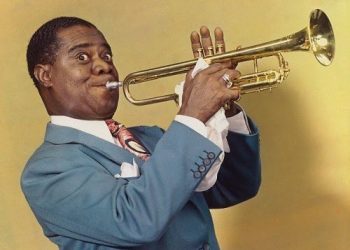
Louis Armstrong wasn’t just a musician—he was a revolution in sound and spirit. Born in 1901 in New Orleans, the cradle of jazz, Armstrong rose from poverty to become one of the most influential figures in American music. His virtuosic trumpet playing and instantly recognizable gravelly voice helped redefine jazz, turning it from group improvisation into a platform for the solo artist. Songs like “West End Blues,” “Hello, Dolly,” and his timeless rendition of “What a Wonderful World” weren’t just hits—they became cultural touchstones. Armstrong’s magnetic charisma and joyful presence transcended racial barriers during deeply segregated times, making him one of the first Black performers to find broad acceptance among white audiences. Known affectionately as “Satchmo,” Armstrong brought a sense of warmth and humanity to every stage he graced, whether it was a smoky jazz club or an international festival. He also appeared in films and on television, further cementing his role as an ambassador of American culture. More than a musician, Louis Armstrong was a beacon of joy, resilience, and innovation—his smile and sound remain among the most enduring in music history.
2. Fats Domino
Fats Domino was a gentle giant of early rock and roll whose rolling piano rhythms and laid-back charm brought New Orleans straight to the national airwaves. Born Antoine Dominique Domino Jr. in 1928, he grew up immersed in the rich musical traditions of the Crescent City. With his unmistakable piano triplets and smooth, mellow voice, Domino helped shape the sound of rock ‘n’ roll before the term was even widely used. Hits like “Ain’t That a Shame,” “Blueberry Hill,” and “I’m Walkin’” didn’t just top charts—they helped define an era. He sold over 65 million records, rivaling Elvis Presley in popularity, all while remaining grounded in his roots. Domino’s appeal crossed racial boundaries at a time when that was no small feat. His humility, warmth, and dedication to family and community made him beloved well beyond his music. Even after Hurricane Katrina devastated his beloved Lower Ninth Ward, he chose to stay close to home. Fats Domino wasn’t flashy—he let the music speak. And when it did, it spoke of joy, rhythm, and the soulful heart of New Orleans.
3. Lil Wayne
Lil Wayne emerged from the vibrant streets of New Orleans to become one of hip-hop’s most prolific and inventive voices. Born Dwayne Michael Carter Jr. in 1982, he was already rapping by the age of eight and signed his first record deal with Cash Money Records before his teenage years were over. His debut, Tha Block Is Hot, signaled a new era, but it was the Tha Carter series that truly cemented his legend. Wayne’s intricate rhyme schemes, metaphoric brilliance, and fearless experimentation helped redefine what a modern rapper could be. Tracks like “A Milli,” “Lollipop,” and mixtapes like Dedication 2 showcased his lyrical dexterity and unpredictable style. Known for his distinctive raspy voice, face tattoos, and genre-blending approach, Wayne became a cultural icon, inspiring countless others. Beyond his own hits, he played a critical role in launching the careers of superstars like Drake and Nicki Minaj. With dozens of charting singles and a relentless work ethic, Lil Wayne has built a legacy few in hip-hop can rival. He’s not just an artist—he’s an architect of 21st-century rap.
4. Britney Spears
Britney Spears rocketed from a small-town girl in Kentwood, Louisiana, to become one of the most iconic pop stars of all time. Bursting onto the scene in 1998 with the irresistible single “…Baby One More Time,” Spears instantly captured the world’s attention. Her combination of infectious melodies, polished dance routines, and Southern charm earned her the title “Princess of Pop.” Albums like Oops!… I Did It Again, In the Zone, and Circus showcased her evolution as an artist, blending teen-pop appeal with more mature, introspective themes. Despite facing intense scrutiny and personal struggles, Britney remained a symbol of resilience. Her battle to end her long-standing conservatorship ignited a global movement, turning her into an advocate for personal freedom and autonomy. Through it all, her influence on pop music, fashion, and performance art has remained undeniable. From sold-out world tours to unforgettable music videos, Britney Spears is more than just a performer—she’s a cultural force whose legacy is still unfolding.
5. Dr. John
Dr. John was the embodiment of New Orleans’ eccentric soul—an artist whose music, mystique, and storytelling spirit echoed the city’s rich cultural gumbo. Born Malcolm John Rebennack in 1941, he began as a session musician before stepping into the spotlight with his 1968 debut Gris-Gris, an album that fused voodoo, psychedelic rock, blues, and jazz into a hypnotic brew. With his raspy voice, flamboyant costumes, and mystical stage persona, Dr. John wasn’t just performing—he was conjuring. His hit “Right Place, Wrong Time” became his calling card, but his influence extended far beyond the charts. Collaborating with legends like The Band, Eric Clapton, and Van Morrison, he helped keep the New Orleans sound alive and evolving. Dr. John was a Grammy winner, a Rock & Roll Hall of Famer, and above all, a keeper of the city’s musical flame. He channeled the spirit of Mardi Gras, the blues of the bayou, and the funk of Frenchmen Street into every performance. Even after his passing in 2019, Dr. John’s legacy continues to haunt and enchant the music world.
6. Tim McGraw
Tim McGraw rose from small-town Louisiana to become one of country music’s most enduring stars. Born in Delhi and raised in Start, McGraw grew up surrounded by the sounds of Southern life—a rich tapestry of storytelling, faith, and family that would later shape his songwriting. His breakthrough came in the early ’90s, and by the time he released “Don’t Take the Girl,” he was a household name. Over the years, he’s delivered countless hits—“Live Like You Were Dying,” “Something Like That,” “My Best Friend,” and “Humble and Kind,” each one a window into the emotions and values that define everyday life. Known for his smooth baritone and everyman appeal, McGraw has also made a mark as an actor and philanthropist. Together with his wife, country superstar Faith Hill, he’s one-half of one of music’s most beloved power couples. Whether singing about love, loss, or personal growth, Tim McGraw brings authenticity and heart to every performance. His roots in Louisiana run deep, and his songs continue to resonate with fans across generations.
7. Mahalia Jackson
Mahalia Jackson’s voice was nothing short of divine. Born in New Orleans in 1911, she became the queen of gospel music, spreading messages of hope, strength, and faith with every note. Her rich contralto could fill a room with power and grace, and songs like “Move On Up a Little Higher,” “Take My Hand, Precious Lord,” and “How I Got Over” became anthems not just of religious devotion but of social progress. Jackson remained steadfast in her commitment to gospel, even as she became a global superstar, refusing to sing secular music despite immense pressure. She was also a passionate supporter of the Civil Rights Movement, performing at rallies and marches, including the historic 1963 March on Washington at the request of Dr. Martin Luther King Jr. Mahalia’s music transcended entertainment—it was a lifeline, a prayer, and a declaration of dignity. Her voice offered solace in turbulent times and continues to inspire generations of artists and activists alike. More than a singer, Mahalia Jackson was a spiritual leader through song, and her legacy remains one of unwavering faith and profound impact.
8. Aaron Neville
Aaron Neville possesses one of the most delicate and expressive voices in music—a smooth, high tenor that seems to float with emotion. Born in New Orleans in 1941, Neville first gained national attention with his 1966 hit “Tell It Like It Is,” a soulful ballad that highlighted his incredible vocal control and heartfelt delivery. As a member of the Neville Brothers, he helped define the New Orleans sound by blending funk, R&B, jazz, and gospel into something uniquely rich and evocative. Whether performing solo or in collaboration with artists like Linda Ronstadt, Trisha Yearwood, or the Rolling Stones, Neville’s voice always stood out—soft, spiritual, and unmistakably his own. His gentle nature and spiritual sensibility made him not just a musical icon, but a beloved figure whose work crossed genre and generational lines. His influence lives on through both his recordings and the cultural legacy of the Neville Brothers. Aaron Neville isn’t just a singer—he’s a soul whisperer from the heart of Louisiana.
9. Zachary Richard
Zachary Richard is more than just a musician—he’s a cultural steward, a poet, and a passionate advocate for Louisiana’s Cajun heritage. Born in Scott, Louisiana, Richard has spent decades preserving and promoting Francophone culture through music, literature, and activism. Singing in both English and French, his sound weaves together folk, rock, zydeco, and blues, reflecting the complexity and beauty of his homeland. Albums like Cap Enragé, Migration, and Silver Jubilee stand as musical love letters to Cajun life, language, and landscapes. But Richard’s influence extends beyond the stage—he’s an accomplished author and environmentalist, deeply involved in efforts to protect Louisiana’s fragile coastal ecosystem. Beloved in both the U.S. and Canada, he’s received numerous honors for his cultural contributions, including the Order of Canada. Zachary Richard doesn’t just make music—he tells the story of a people and a place, echoing with resilience, identity, and pride.
10. C.J. Chenier
C.J. Chenier is zydeco royalty—literally the son of Clifton Chenier, the genre’s legendary pioneer. But C.J. hasn’t simply followed in his father’s footsteps—he’s electrified them. Born in Texas but musically rooted in Louisiana, C.J. took the traditional accordion-driven sound and infused it with vibrant threads of rock, funk, blues, and soul. The result is a high-octane, crowd-moving experience that keeps dance floors buzzing from Louisiana clubs to European music festivals. Albums like The Big Squeeze and Can’t Sit Down showcase his knack for blending heritage with innovation. On stage, his energy is infectious—his accordion playing fierce, his vocals full of grit and soul. But beyond the party vibe, C.J. carries the cultural heartbeat of Creole Louisiana, preserving its rhythms while making them relevant for a new generation. Whether you’re a zydeco diehard or a first-time listener, C.J. Chenier makes sure the spirit of Louisiana music is alive, kicking, and impossible to resist.

Samuel Moore is a frequent contributor to Singers Room. Since 2005, Singersroom has been the voice of R&B around the world. Connect with us via social media below.