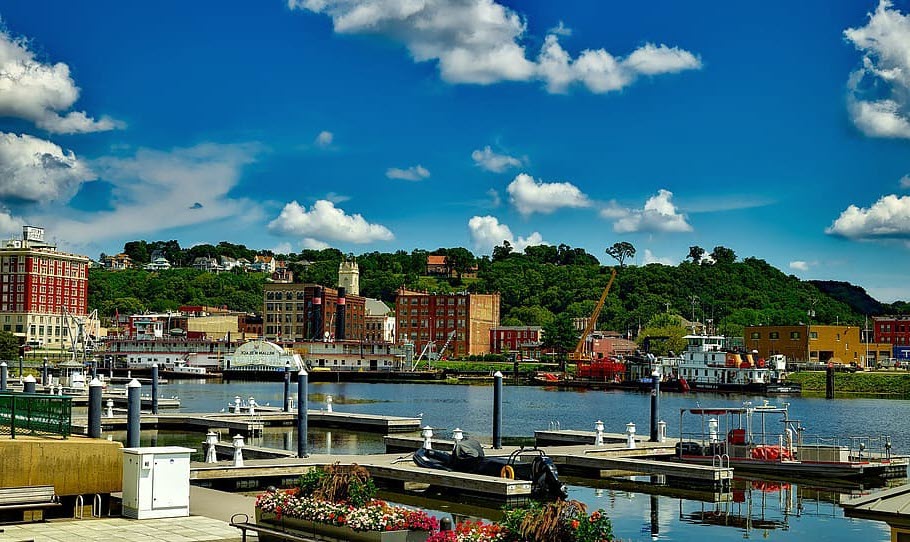
Iowa may be best known for its rolling cornfields, small-town charm, and classic Midwest values—but don’t let its humble landscape fool you. This heartland state has produced some of the most iconic and genre-defining voices in American music history. From jazz legends and swing-era pioneers to heavy metal icons and soulful R&B stars, Iowa’s musical roots run deeper than you might expect. Whether they were born in its quiet towns or rose to fame from its vibrant local scenes, these artists have left an undeniable mark on the world stage.
In this list of the Top 10 Most Popular Famous Singers from Iowa, we celebrate the voices that have shaped generations, broken boundaries, and brought the spirit of the Midwest to stages around the globe. Each artist brings a unique sound and story—some filled with glittering fame, others steeped in heartfelt authenticity. From Grammy-winning legends to underground trailblazers, these Iowan-born talents prove that greatness can grow in the most unexpected places. So crank up the volume and take a musical journey through the Hawkeye State’s finest—because Iowa doesn’t just grow crops; it grows stars.
1. Andy Williams
Andy Williams, born in the small town of Wall Lake, Iowa, became one of the most cherished voices in American music history. Known for his silky-smooth vocals and effortlessly elegant style, Williams rose to fame during the golden age of traditional pop, capturing hearts with every note. His signature performance of “Moon River” became an enduring classic, embodying a sense of timeless romance and nostalgia that still resonates today. Williams wasn’t just a singer—he was a warm and familiar presence in homes across the country, thanks in large part to The Andy Williams Show, a hit television variety series that ran for nearly a decade. His career spanned more than 60 years, during which he sold over 100 million records and performed at prestigious events, including the Academy Awards. He also helped shape the cultural landscape of Branson, Missouri, where he opened the Moon River Theatre. Despite trends shifting around him, Williams’ appeal remained constant—a beacon of class and charm. His music continues to echo through generations, a gentle reminder of a more graceful era in American entertainment. For many, Andy Williams wasn’t just a singer; he was the sound of home.
2. Slipknot (Corey Taylor)
Slipknot erupted out of Des Moines, Iowa in the late 1990s like a sonic hurricane, crashing into the metal scene with brutal force and unrelenting energy. At the helm was Corey Taylor, whose raw vocals and deeply personal lyrics gave the band its emotional and spiritual core. Known for their haunting masks, matching jumpsuits, and chaotic nine-member lineup, Slipknot redefined what metal could look and sound like. Their self-titled debut shocked listeners with its aggressive sound, but it was albums like Iowa and Vol. 3: (The Subliminal Verses) that solidified their status as modern metal legends. Taylor’s voice could shift from guttural screams to melodic crooning in an instant, revealing a depth rarely seen in the genre. Beyond the theatrics, Slipknot was—and remains—about confronting darkness with honesty. Their music speaks to the alienated, the angry, the misunderstood. Taylor’s visceral performances and fearless lyrics turned pain into power, making him a voice for those who often go unheard. More than two decades later, Slipknot continues to be a relentless force in heavy music, and Corey Taylor stands tall as one of the most influential frontmen of his generation.
3. Glenn Miller
Glenn Miller, born in Clarinda, Iowa, became one of the most iconic figures of the Swing Era and left a lasting imprint on American music. As a bandleader, arranger, and trombonist, Miller had a knack for crafting smooth, sophisticated arrangements that perfectly captured the spirit of the 1930s and ’40s. With unforgettable hits like “In the Mood,” “Moonlight Serenade,” and “Chattanooga Choo Choo,” his orchestra became the soundtrack to a generation navigating the challenges of the Great Depression and World War II. Miller’s music brought joy and elegance to dance halls and radios across the nation, offering comfort and escape during uncertain times. His distinctive sound, marked by a clarinet-led reed section, was instantly recognizable and set his band apart from others. In a tragic twist of fate, Miller disappeared over the English Channel in 1944 while en route to entertain U.S. troops in France. Though his life was cut short, his legacy is anything but. His recordings continue to inspire nostalgia and admiration, and his impact is felt in every big band that followed. Glenn Miller wasn’t just a musician—he was a national treasure whose melodies still stir the heart.
4. Bix Beiderbecke
Bix Beiderbecke, born in Davenport, Iowa in 1903, was a jazz genius whose brief life left a permanent mark on American music. A self-taught cornetist and pianist, Beiderbecke’s playing stood out for its lyrical phrasing, emotional depth, and understated style. At a time when jazz was dominated by brash, extroverted performances, Bix brought something different—something introspective and hauntingly beautiful. His compositions, such as “Davenport Blues” and “In a Mist,” showcased not only his technical skill but a remarkable sensitivity that resonated with fellow musicians and fans alike. Even jazz legends like Louis Armstrong and Bing Crosby held him in high regard. Despite struggling with alcoholism and the pressures of fame, Beiderbecke poured his soul into his music. He died tragically young at just 28, but his legacy has only grown in the decades since. His influence is often cited in the development of cool jazz, and his life story embodies the archetype of the tortured artist—brilliant, misunderstood, and taken too soon. Bix Beiderbecke remains one of jazz’s most compelling figures, a quiet innovator whose music still speaks volumes.
5. Tracie Spencer
Tracie Spencer, born in Waterloo, Iowa, stunned the nation when she won Star Search at just 11 years old. A child prodigy with a voice far beyond her years, Spencer quickly landed a record deal and made waves in the late 1980s and early ’90s R&B scene. By 12, she was climbing the charts with polished, soulful hits like “This House” and the heartfelt ballad “Tender Kisses,” which became a signature track. What made Spencer stand out wasn’t just her age—it was her vocal maturity, commanding stage presence, and ability to connect with audiences on an emotional level. Her blend of pop and R&B helped pave the way for other young female artists who would follow in her footsteps. Though she eventually stepped back from the public spotlight, Spencer’s early work remains a touchstone for fans of late-’80s and ’90s urban pop. Her songs captured youthful vulnerability with surprising depth, and her influence can still be felt today in a generation of young artists who grew up listening to her. Tracie Spencer wasn’t just a teen sensation—she was, and remains, a deeply talented vocalist whose early legacy endures.
6. Madison Ray
Madison Ray is one of Iowa’s most exciting and genre-defying artists, bringing a magnetic blend of music, fashion, and theatrical flair to the Des Moines arts scene. With a sound rooted in funk, soul, glam rock, and pop, Ray commands every stage with bold confidence and an unapologetic celebration of individuality. More than just a singer, he’s a multi-dimensional performer—part activist, part showman—who uses his art to uplift and challenge. His music fuses infectious grooves with messages of empowerment and inclusivity, creating an experience that’s as thought-provoking as it is entertaining. Whether he’s headlining a local music festival or curating a boundary-pushing visual production, Ray never shies away from making a statement. His ability to weave performance art, fashion, and music into a seamless whole marks him as a rare creative force. In a state known for its heartland values, Madison Ray stands as a vibrant counterbalance—an artist unafraid to break molds and push conversations forward. He’s not just making music—he’s building a platform for expression, diversity, and artistic freedom. For the Midwest’s evolving indie scene, Madison Ray is a bright, essential voice leading the way.
7. Haley Reinhart
Though she was born in Wheeling, Illinois, Haley Reinhart’s deep familial and musical ties to Iowa help root her sound in Midwestern soul. Rising to national fame on American Idol in 2011, Reinhart quickly became known for her smoky, jazz-tinged voice and retro flair. Her unique interpretations of classics like “Bennie and the Jets” and “House of the Rising Sun” showcased a bold, expressive style reminiscent of vintage crooners and rock legends alike. After Idol, Reinhart’s star continued to rise through viral covers such as her haunting rendition of Radiohead’s “Creep” and her romantic take on “Can’t Help Falling in Love,” both of which introduced her to new generations of fans. Her solo albums—filled with original songs and inventive covers—reveal her as an artist deeply committed to musical exploration and emotional storytelling. She’s also a key collaborator with Postmodern Jukebox, bringing old-school style to modern hits. Reinhart’s vocal phrasing, soulful grit, and fearless artistry place her among today’s most captivating young singers. She may straddle genres and borders, but Haley Reinhart remains, at heart, a Midwestern torch singer with timeless appeal.
8. Pieta Brown
Pieta Brown, born in Iowa City, is an artist who crafts songs like whispered poetry—delicate, mysterious, and brimming with emotional depth. The daughter of folk luminary Greg Brown, Pieta has forged her own path, blending elements of Americana, folk, indie-rock, and dreamlike production into a sound that’s uniquely hers. Her voice is smoky and intimate, often floating above sparse, atmospheric arrangements that pull the listener inward. Albums like Paradise Outlaw and Postcards showcase her lyrical elegance, often touching on themes of longing, love, solitude, and human vulnerability. She’s a true collaborator at heart, having worked with the likes of Mark Knopfler, Amos Lee, and Justin Vernon of Bon Iver—artists drawn to her thoughtful presence and creative authenticity. In both sound and spirit, Pieta Brown is less about spectacle and more about subtlety—her music simmers rather than shouts. It stays with you, echoing long after the song ends. For fans of introspective, soul-stirring songwriting, she offers a rare kind of quiet magic. Pieta Brown doesn’t just write songs—she creates sonic landscapes where emotion lives and breathes.
9. Greg Brown
Greg Brown is a cornerstone of American folk music, and his roots run deep in Fairfield, Iowa. With a voice like weathered wood and lyrics that feel carved from the soil, Brown has spent decades telling stories that capture the humor, heartbreak, and beauty of everyday life. His songs are personal yet universal—snapshots of rural America wrapped in warmth, wisdom, and often, sly wit. Albums like The Iowa Waltz, Dream Café, and Freak Flag showcase his ability to turn simple moments into lasting impressions. Whether he’s singing about family, politics, nature, or love, Brown does so with a poet’s heart and a troubadour’s soul. He’s also a mentor and collaborator, having worked with artists like Ani DiFranco, Iris DeMent (his wife), and Gillian Welch, all of whom cite his influence. Though not a mainstream star, Brown’s underground following is devoted, and his music has quietly shaped the modern folk movement. Listening to Greg Brown is like sitting on a front porch with an old friend—one who sees the world deeply and speaks with gentle truth. In the world of folk, he’s a legend rooted in the heartland.
10. William Elliott Whitmore
Hailing from the rural expanse of Lee County, Iowa, William Elliott Whitmore is a modern troubadour whose music channels the raw spirit of the land. With a voice like gravel soaked in bourbon, he delivers soul-stirring songs steeped in folk, blues, and country traditions. Armed with just a banjo or an acoustic guitar, Whitmore doesn’t need a full band to fill a room—his music brims with grit, passion, and lived experience. Tracks like “Old Devils,” “Civilizations,” and “Hell or High Water” reflect themes of struggle, perseverance, and spiritual reflection. His lyrics feel like oral history—stories passed down from one generation to the next, echoing the concerns of working-class and rural America. Whitmore lives what he sings, often writing from his farm and drawing inspiration from the rhythms of rural life. Despite his minimalist approach, his performances are emotionally rich and deeply impactful. He’s not just an artist playing folk music—he embodies it. In a world of noise and spectacle, William Elliott Whitmore reminds us of the power of simplicity, honesty, and music rooted in the soil beneath our feet.

Samuel Moore is a frequent contributor to Singers Room. Since 2005, Singersroom has been the voice of R&B around the world. Connect with us via social media below.