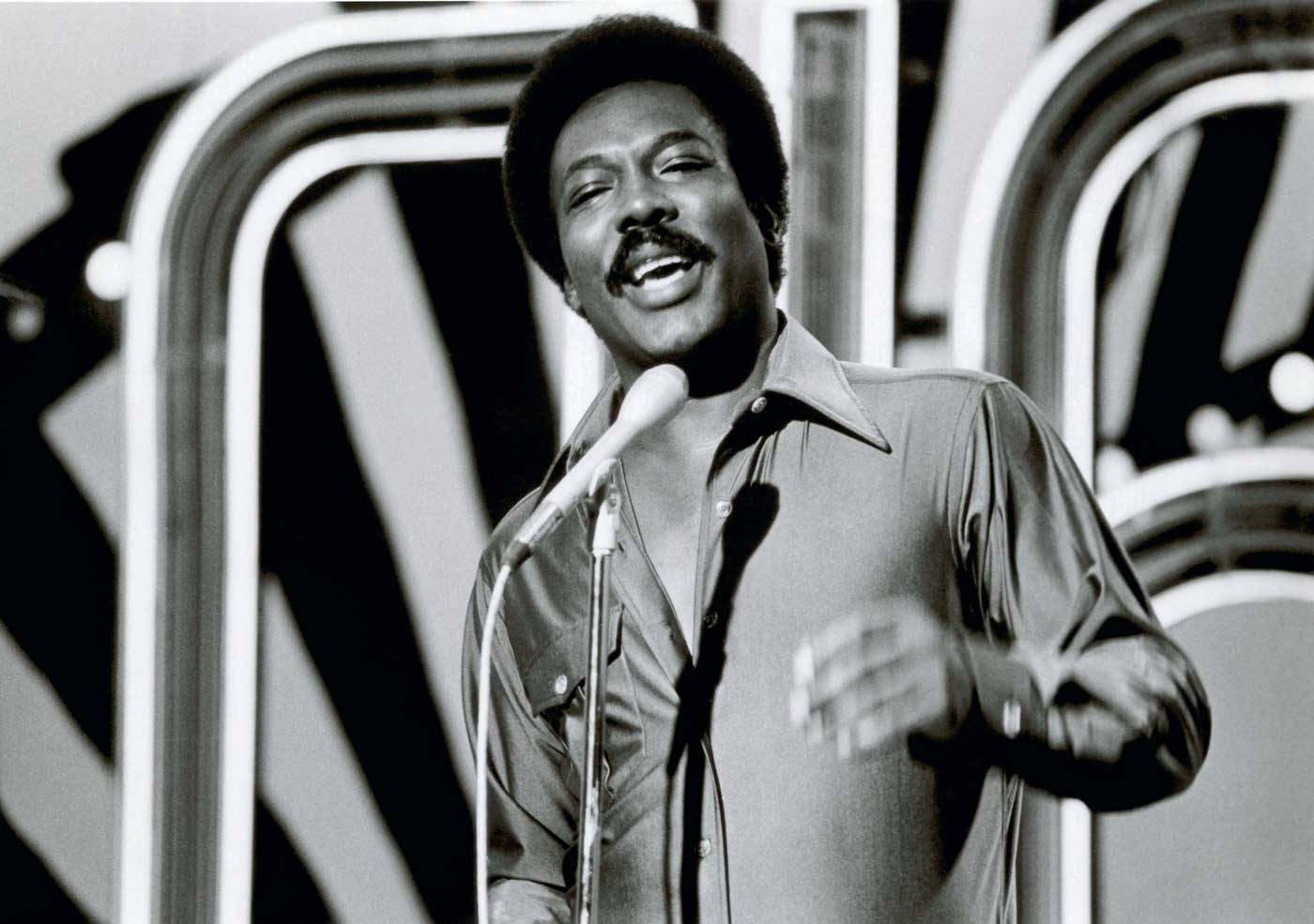
Few voices in soul music history can match the raw power, electrifying energy, and emotional grit of Wilson Pickett. Nicknamed “The Wicked Pickett,” he was a force of nature—his voice could shake the walls, his presence could ignite a stage, and his songs left an indelible mark on American music. From the sweaty clubs of the South to the top of the Billboard charts, Pickett delivered anthem after anthem, fusing gospel fire with the grooves of rhythm and blues to create something unmistakably his own. Whether he was belting out a plea for love at midnight or tearing through a funk-fueled dance number, every track he touched became a soul sermon. In this countdown of the Top 10 Most Popular Wilson Pickett Songs of All Time, we’re diving deep into the hits that made him a legend—songs that still get crowds moving and hearts pounding decades later. These aren’t just tracks; they’re cultural milestones, each one a testament to Pickett’s enduring legacy and the timeless power of soul. So turn up the volume, let the horns blare, and get ready to revisit the songs that made Wilson Pickett one of the greatest voices in music history.
1. “In the Midnight Hour” (1965)
When Wilson Pickett recorded “In the Midnight Hour” at Stax Records in 1965, he wasn’t just making a hit—he was helping shape the very foundation of Southern soul. Co-written with legendary guitarist Steve Cropper, the track introduced a rhythmic innovation that became iconic: the delayed backbeat, timed to mimic how dancers moved on the floor. That small but radical tweak gave the song an irresistible groove. Pickett’s gravelly, passionate voice delivers each line with raw longing, capturing the ache of waiting for love in the dead of night. The lyrics are simple, but the delivery is anything but—he’s not just waiting for a lover; he’s pleading, burning, needing. Backed by shimmering guitar riffs, a tight horn section, and a rhythm that smolders rather than explodes, the song is the definition of restrained fire. “In the Midnight Hour” wasn’t just another chart success—it was Pickett’s declaration that he was here to stay. The track climbed to No. 1 on the R&B chart and became one of Atlantic Records’ defining hits, earning its place in the pantheon of soul music classics. More than half a century later, its groove still feels fresh, and its emotion still hits hard.
2. “Mustang Sally” (1966)
“Mustang Sally” is one of those rare songs that manages to be both playful and powerful. Originally written and recorded by Sir Mack Rice, it wasn’t until Wilson Pickett got his hands on it in 1966 that it became the classic we know today. Pickett injected the track with swagger and soul, transforming the cheeky tale of a fast-driving woman into a funky, full-throttle anthem. His gritty vocals ride effortlessly over the steady beat and bluesy instrumentation, giving the song a mischievous, irresistible charm. The backing vocals—especially the now-iconic call-and-response of “Ride, Sally, ride!”—make it impossible not to sing along. But beneath the surface, there’s a tension in the lyrics: a sense of frustration, even jealousy, as the narrator watches Sally speed away from commitment. The groove is tight, the horns are punchy, and Pickett’s delivery walks the line between amusement and exasperation. “Mustang Sally” quickly became a staple in Pickett’s catalog and has lived on through countless cover versions, barroom renditions, and movie soundtracks. It’s more than just a great soul track—it’s a cultural touchstone that proves sometimes, the most enduring songs are the ones that know how to have a little fun while still telling a real story.
3. “Land of 1000 Dances” (1966)
When Wilson Pickett took on “Land of 1000 Dances” in 1966, he didn’t just cover the song—he detonated it. Originally written and recorded by Chris Kenner in 1962, the song was a loose tribute to the dance crazes of the era. But in Pickett’s hands, it became a full-throttle soul explosion. Opening with that now-legendary “na na na na na,” which was reportedly improvised during the session, the track launches into a frenzy of horns, pounding drums, and unrelenting energy. Pickett’s voice is on fire—raw, commanding, and gloriously untamed. He doesn’t just list the dances; he practically dares you to do them. The entire track is a call to movement, an unyielding invitation to let loose. It reached No. 6 on the Billboard Hot 100 and became one of Pickett’s signature hits, helping to cement his place among the greats of soul and R&B. The sheer kinetic energy of the song makes it feel like a live performance captured in a bottle. “Land of 1000 Dances” isn’t just a dance number—it’s a masterclass in how to turn joy, rhythm, and attitude into a song that still gets crowds moving decades later.
4. “Don’t Let the Green Grass Fool You” (1971)
By the early 1970s, Wilson Pickett was refining his sound, blending the fiery soul of the ’60s with a smoother, funkier vibe. “Don’t Let the Green Grass Fool You,” released in 1971, was a perfect showcase of this evolution. Recorded at the legendary Muscle Shoals studio and written by Jerry Akines, Johnnie Baylor, and friends, the track delivers a soulful warning wrapped in an irresistible groove. Lyrically, it’s a cautionary tale about chasing appearances—about realizing that what looks good on the outside isn’t always better than what you already have. Pickett’s voice brings grit and soul to the message, riding atop a slinky bassline and sharp horn riffs with ease. He balances intensity with nuance, showing he doesn’t always need to shout to be heard. The backing instrumentation has a subtle funk flavor that makes the song feel both grounded and polished. It reached No. 2 on the R&B charts, reaffirming Pickett’s staying power in a changing musical landscape. The result is a soulful sermon with real emotional depth, proving that Wilson Pickett’s voice could not only command the dance floor—it could also speak directly to the heart.
5. “Funky Broadway” (1967)
When “Funky Broadway” hit the airwaves in 1967, it was more than just a hit—it was a statement. Originally recorded by Dyke and the Blazers, the song was already brimming with attitude, but Wilson Pickett’s version turned it into a firestorm of funk, grit, and groove. Backed by the powerhouse musicians at Muscle Shoals, Pickett turned the song into a dancefloor anthem dripping with streetwise swagger. His vocal delivery is raw and electrifying, capturing the feel of city life with every shout and wail. The groove is locked in tight, with punchy horns, slick guitar licks, and a rhythm section that hits like a freight train. Controversially, some radio stations banned the song for using the word “funky,” a sign of how culturally provocative it was at the time. But that didn’t stop it from climbing to No. 1 on the R&B charts and breaking into the Top 10 on the Billboard Hot 100. “Funky Broadway” helped usher in a new era where funk wasn’t just underground—it was front and center. Pickett’s version is the definitive one, filled with fire and personality, and it still stands as one of the most electrifying moments in his catalog.
6. “634-5789 (Soulsville, U.S.A.)” (1966)
There’s something beautifully timeless about “634-5789 (Soulsville, U.S.A.)”—a phone number turned into one of soul’s most unforgettable hooks. Released in 1966 and co-written by Eddie Floyd and Steve Cropper, the track is an infectious blend of romance and rhythm. From the first horn blast, the song feels like an invitation—warm, upbeat, and utterly danceable. Pickett delivers every line with a mix of charm and urgency, practically daring you to call the number. The backing vocals add a gospel flavor, making the song feel like it was recorded in a church that just so happens to be throwing a party. The groove is tight, the arrangement is flawless, and Pickett’s vocal charisma is through the roof. It’s more than a love song—it’s a declaration, a promise that when you need someone, he’ll be there on the other end of the line. The track soared to No. 1 on the R&B charts and has remained a fan favorite for decades. With its upbeat feel and unforgettable hook, “634-5789” is pure soul magic—a reminder that sometimes, all it takes is a phone number and a whole lot of heart.
7. “Everybody Needs Somebody to Love” (1967)
While Solomon Burke’s 1964 original of “Everybody Needs Somebody to Love” laid the gospel-tinged foundation, Wilson Pickett’s 1967 rendition turned it into a full-blown soul revival. From the first beat, Pickett comes out swinging—his voice packed with joyful urgency and heartfelt fire. Where Burke gave the song a preacher’s touch, Pickett brings the energy of a dancefloor packed wall-to-wall with people craving connection. The tempo is faster, the groove more pronounced, and the horns punch with an intensity that drives the whole thing forward. Pickett’s version is tighter, rawer, and more relentless, capturing the spirit of communal joy and love in every shouted lyric. The song feels like it was recorded live in one explosive take, dripping with sweat, soul, and spontaneity. It’s impossible to sit still while it’s playing. Beyond the irresistible rhythm, the song’s message is universal and enduring: everyone, no matter who they are, needs love. Pickett’s delivery makes you believe it’s a matter of soul survival. This version not only brought new life to the classic—it helped solidify Pickett’s reputation as a powerhouse vocalist capable of transforming any song into a soul storm.
8. “Engine Number 9” (1970)
“Engine Number 9,” released in 1970, showcases a cinematic side of Wilson Pickett’s artistry. Where earlier tracks were brash and immediate, this one simmers with a slow-building intensity. The song finds Pickett in pursuit of a lost love, using the metaphor of a train to capture the unstoppable momentum of longing. From the moment the rhythm section kicks in, mimicking the chug of a locomotive, you can feel the tension mounting. The horns swell like steam, and Pickett’s voice climbs with urgency and desperation, making the stakes feel real. It’s not just about wanting someone back—it’s about racing against time, fate, and distance. Recorded during his later years with Atlantic Records, “Engine Number 9” reflects a more mature sound without losing any of the raw emotion that made Pickett a soul legend. Funk grooves, bluesy guitar riffs, and an atmospheric arrangement make the song feel both grounded and epic. It didn’t just show Pickett could adapt—it proved he could elevate a simple story into a soulful journey of heartbreak and hope. The track stands as a shining example of his range and staying power in a rapidly changing music landscape.
9. “I’m in Love” (1968)
In 1968, Wilson Pickett revealed a softer, more introspective side with “I’m in Love,” a soulful ballad written by none other than Bobby Womack. Known for his fiery performances and commanding presence, Pickett strips it all back here, trading his usual roar for something more vulnerable and tender. His voice still carries power, but it’s tempered with a kind of emotional restraint that makes each line land with deeper resonance. The arrangement is lush and elegant—smooth guitar, understated horns, and just enough rhythm to keep it grooving without overwhelming the sentiment. This isn’t Pickett the showman; it’s Pickett the man, laying bare his heart in a few carefully chosen words. The result is one of his most heartfelt and relatable performances, a slow-burning soul confession that proves love songs don’t need to shout to be heard. “I’m in Love” reminds listeners that Pickett’s talent went far beyond high-energy anthems—he could break your heart just as easily as he could make you dance. It remains one of the most emotionally rich tracks in his catalog, offering a glimpse into the depth and versatility that made him a true icon of soul.
10. “Hey Jude” (1969)
Tackling a Beatles song is a tall order, but in 1969, Wilson Pickett didn’t just cover “Hey Jude”—he turned it into a soul-rock revelation. Recorded at Muscle Shoals and featuring a young Duane Allman on guitar, this version is nothing short of legendary. Where the original is delicate and tender, Pickett’s rendition is bold, fiery, and bursting with emotion. He starts off slow, almost reverent, but quickly ramps up into a powerhouse performance that leaves nothing on the table. His vocals soar and shout, transforming Paul McCartney’s reflective ballad into a gospel-tinged eruption of feeling. Allman’s blistering guitar solos intertwine perfectly with Pickett’s voice, adding a gritty, bluesy edge that pushes the song into new territory. The final minutes are pure musical ecstasy—a crescendo of wails, riffs, and raw soul energy that feels more like a revival than a recording. This wasn’t just a tribute to The Beatles—it was a total reinvention, and many consider it one of the greatest Beatles covers ever made. “Hey Jude” became a defining moment in Pickett’s later career, proving that when it came to soul, he could turn even the most unexpected material into something unforgettable.

Samuel Moore is a frequent contributor to Singers Room. Since 2005, Singersroom has been the voice of R&B around the world. Connect with us via social media below.









