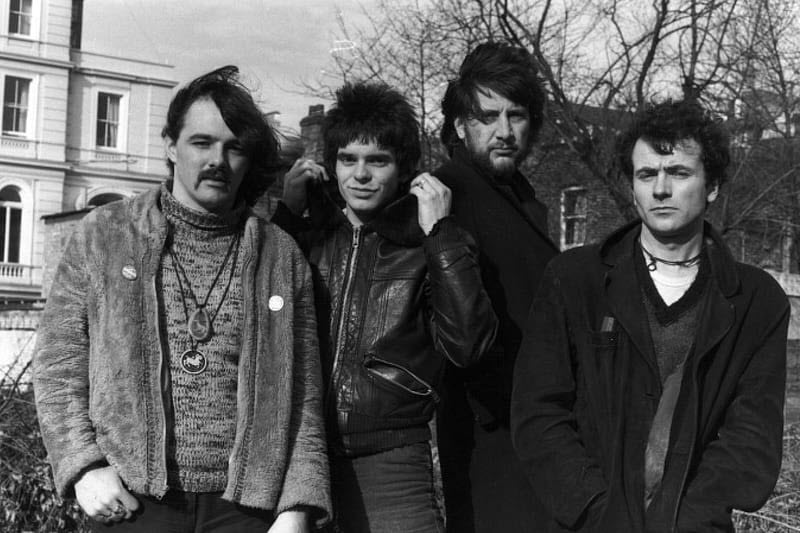
The Stranglers, a band that emerged from the UK’s punk scene in the mid-1970s, have consistently pushed musical boundaries with their unique blend of punk, new wave, and rock. Known for their darkly poetic lyrics and innovative sound, this iconic group has captivated listeners for decades. From their edgy beginnings to their evolution into a multifaceted musical force, The Stranglers have left an indelible mark on the music landscape.
In this article, we delve into the top 10 most popular songs that define The Stranglers’ legacy. Each track showcases their signature style, characterized by driving basslines, haunting melodies, and the unmistakable voice of lead vocalist Hugh Cornwell. Whether it’s the anthemic energy of “Golden Brown” or the rebellious spirit of “Peaches,” these songs not only reflect the band’s evolution but also resonate with fans across generations.
Join us on a nostalgic journey through the soundscapes that have shaped The Stranglers’ career. Discover the stories behind these timeless tracks and find out why they continue to resonate with music lovers around the globe. Get ready to celebrate the brilliance of one of rock’s most enduring bands!
1. “Golden Brown” (1981)
“Golden Brown” remains one of The Stranglers’ most iconic and mesmerizing tracks, combining baroque influences with new wave sophistication. The song opens with a captivating harpsichord melody that immediately sets it apart, weaving an intricate rhythm that feels both mysterious and hypnotic. Lyrically, it walks a fine line between poetic abstraction and personal revelation. Often interpreted as a dual reference to both a romantic muse and heroin, the song leaves space for multiple meanings, enhancing its allure. The band’s subtle shifts in tempo and timing make it rhythmically unconventional yet fluid, showcasing their willingness to experiment beyond the standard punk formula. Hugh Cornwell’s dreamy vocals ride effortlessly over the lush instrumentation, giving the song a timeless quality that still feels fresh decades later. Its elegance lies in its ambiguity—whether you’re drawn to its sonic beauty or its deeper undertones, “Golden Brown” wraps you in a golden haze of emotion and artistry. It’s a track that rewards repeated listening, revealing more with each spin, and it remains a cornerstone of The Stranglers’ evolution from raw punk to more refined, genre-blending craftsmanship.
2. “Peaches” (1977)
“Peaches” bursts onto the scene with a confident swagger and an unmistakable bassline that immediately commands attention. It’s gritty, cheeky, and unmistakably rebellious—a hallmark of The Stranglers’ early punk roots. From the first few notes, Jean-Jacques Burnel’s low, prowling bass sets the mood, while Hugh Cornwell delivers the lyrics with a smirking tone that’s part observation, part provocation. The song doesn’t hold back, reveling in its brashness and seaside innuendos, painting a vivid picture of summer lust and aimless wanderings. “Peaches” thrives on its simplicity and groove, riding a rhythmic wave that feels both laid-back and subversive. It’s a perfect snapshot of late ’70s Britain, where punk bands pushed social boundaries and challenged musical conventions. Despite—or perhaps because of—its controversy, “Peaches” became a fan favorite and a staple of the band’s live shows. There’s a sense of tongue-in-cheek humor beneath the surface, making it not just a song of youthful desire, but also a clever critique of objectification and idleness. Unfiltered and unapologetic, “Peaches” stands as a bold declaration of The Stranglers’ punk credentials and cultural impact.
3. “No More Heroes” (1977)
“No More Heroes” is a thunderous, sardonic anthem that cuts through celebrity culture with sharp wit and unrelenting energy. It captures the raw frustration of a generation disillusioned by false idols and empty promises. The driving bassline charges forward like a freight train, while Dave Greenfield’s swirling keyboards add a manic energy that elevates the entire track. Hugh Cornwell’s vocal delivery is biting and urgent, turning the lyrics into a scathing critique of historical and contemporary figures once idolized by the public. Rather than praising fallen icons, the song asks: what happens when we realize our so-called heroes are flawed or hollow? The chorus—loud, anthemic, and chant-worthy—drives the point home, making it both a rallying cry and a punk rock manifesto. It’s a track that encapsulates the anger and skepticism of the late ’70s, resonating with audiences who were growing weary of institutions, fame, and blind admiration. “No More Heroes” doesn’t offer solutions; instead, it demands awareness and self-reflection. More than four decades later, its message remains eerily relevant, proving that The Stranglers were not just provocateurs, but prophets of cultural critique.
4. “Duchess” (1981)
“Duchess” glides with elegance and emotional weight, a pop-tinged punk ballad that balances melody with melancholy. The song’s opening is immediately inviting, with a clean, ringing guitar riff that gently ushers in the narrative. Beneath the upbeat instrumentation lies a story steeped in longing and reflection, capturing the delicate balance between admiration and regret. Lyrically, it paints a portrait of a woman—perhaps idealized, perhaps remembered—whose grace and mystery linger long after she’s gone. Hugh Cornwell’s vocals are tender but restrained, allowing the emotion to simmer just below the surface. The band’s musical arrangement is tight and subtle, allowing each instrument to breathe while enhancing the overall mood of wistful nostalgia. “Duchess” showcases The Stranglers’ shift toward more mature, melodic songwriting without sacrificing the edge that made them unique. It’s a song that can be both background ambiance and a deeply emotional listen, depending on how closely you pay attention. Over time, it’s grown into one of their most beloved tracks—not for shock value or aggression, but for its vulnerability, sincerity, and sonic charm that lingers long after the final note fades.
5. “Always the Sun” (1986)
“Always the Sun” is a warm, reflective anthem that showcases The Stranglers’ softer, more introspective side. Released during the mid-’80s, a time of stylistic transition for the band, this track offers a message of hope wrapped in melodic brilliance. Its gentle, shimmering guitar work and smooth vocal delivery create a serene, comforting atmosphere. The lyrics speak to life’s uncertainties, quietly questioning why good people often face hardship while reminding us that, no matter what happens, the sun still shines. It’s a metaphor for resilience—a reminder that there’s light even in the darkest times. The chorus is memorable and inviting, easy to sing along with, making it a favorite for both longtime fans and new listeners. “Always the Sun” feels like a philosophical pause, a moment of reflection in an otherwise energetic catalog. It highlights the band’s ability to evolve without losing their core identity. More than just a radio hit, it’s a timeless piece of songwriting that continues to uplift and inspire. Whether heard on a sunny afternoon or in a moment of doubt, its warmth is undeniable and enduring.
6. “Skin Deep” (1984)
“Skin Deep” is a sleek, emotionally layered track that explores the nature of appearances and the complexities of attraction. With its polished production and smooth, synth-infused groove, the song marked a notable evolution in The Stranglers’ sound during the 1980s. The lyrics are introspective, speaking to the emptiness that can lie beneath surface-level beauty or relationships built on shallow foundations. Hugh Cornwell’s vocals carry a restrained intensity, suggesting both fascination and caution. The track’s sultry rhythm and subtle instrumentation create an almost seductive ambiance, but the message remains sharp: what’s skin deep is often deceiving. The chorus is incredibly memorable, blending melancholy with melody in a way that stays with you long after the song ends. “Skin Deep” demonstrates The Stranglers’ talent for combining thoughtful commentary with accessible, radio-friendly arrangements. It’s a song that invites you to look beyond the surface, not just in others but in yourself. The tension between allure and substance is captured perfectly in both the music and the lyrics, making it a standout in the band’s catalog and a poignant snapshot of their artistic growth during the mid-80s.
7. “Strange Little Girl” (1982)
“Strange Little Girl” is a haunting and poetic track that tells the story of a young woman finding her way in a world that doesn’t quite understand her. Originally written before the band had signed a record deal and later released as a single in 1982, it became a sleeper hit, showcasing The Stranglers’ more sensitive and narrative-driven side. The song’s arrangement is minimalist yet evocative, built on soft, moody guitar lines and atmospheric keys that let the story breathe. Lyrically, it speaks to the feeling of isolation and the courage it takes to be different. The titular “strange little girl” becomes a symbol of resilience in the face of misunderstanding or rejection. Cornwell’s vocal delivery is gentle and empathetic, allowing the character’s experience to take center stage. There’s a quiet power in its storytelling—a subtle but poignant commentary on individuality and the journey toward self-acceptance. Unlike the band’s edgier tracks, “Strange Little Girl” touches a softer emotional register, proving that The Stranglers could just as effectively move hearts as they could rattle cages.
8. “Walk On By” (1978)
The Stranglers’ cover of “Walk On By” is a bold reinterpretation of the Burt Bacharach and Hal David classic, famously recorded by Dionne Warwick. Where the original exuded elegance and smooth sorrow, The Stranglers injected it with brooding intensity and a punk edge. Their version stretches to over six minutes, featuring an extended instrumental section driven by Dave Greenfield’s swirling keyboards and Jean-Jacques Burnel’s ever-present bassline. Rather than simply paying homage, the band transforms the song into a hypnotic journey, adding layers of tension and atmosphere. Hugh Cornwell’s vocal delivery leans into cynicism and emotional detachment, giving the lyrics a different, darker color. This version walks the line between tribute and transformation, showing how a familiar love song can take on entirely new meaning with the right sonic palette. It’s a brilliant example of The Stranglers’ ability to push boundaries, even when dealing with revered material. “Walk On By” isn’t just a cover—it’s a reimagining that introduces the song to a new generation, wrapped in the textures of post-punk experimentation and raw emotional depth.
9. “Something Better Change” (1980)
“Something Better Change” is a punchy, rebellious anthem that captures the urgency and unrest of the punk era. Released at a time when political dissatisfaction and youth frustration were boiling over, the track delivers a call to action wrapped in snarling guitars and a relentless rhythm. The opening riff is immediately gripping, and it doesn’t let go, charging ahead with purpose and energy. The lyrics are direct and forceful, echoing the frustrations of a generation fed up with the status quo. Hugh Cornwell’s vocals are brimming with controlled anger, while Burnel’s bass throbs with intensity. The track is lean, loud, and unapologetic—a rallying cry for transformation that resonates even today. “Something Better Change” isn’t just a political song; it’s a universal message about the need for growth, awareness, and evolution in the face of stagnation. The band’s tight performance underscores the power of punk not just as a sound, but as a movement. Whether heard in a packed club or through headphones decades later, the song’s energy is infectious, reminding listeners that change doesn’t come without a voice—or a fight.
10. “Viva Villa” (1981)
“Viva Villa” is a high-energy track that brings the revolutionary spirit to life with vivid intensity and bold musicality. Inspired by the legendary Mexican revolutionary Pancho Villa, the song channels the excitement and chaos of rebellion into a tightly packed burst of sound. The Stranglers infuse the song with fast-paced guitar riffs, galloping percussion, and a fervent vocal delivery that mirrors the urgency of a people in revolt. Though less commercially recognized than some of their other work, “Viva Villa” stands out for its unique subject matter and storytelling approach. The lyrics read like a dramatic scene from a history book set to music, while the instrumentation adds emotional weight and cinematic flair. The song doesn’t glorify violence but rather celebrates the idea of standing up against oppression. It serves as both a historical tribute and a metaphor for resistance in any form. The Stranglers’ ability to merge politics, character, and energy into one compelling package is on full display here. “Viva Villa” may be a deep cut, but for fans and listeners drawn to revolutionary fire and rich narratives, it’s a standout moment in their discography.

Edward Tomlin is a frequent contributor to Singers Room. Since 2005, Singersroom has been the voice of R&B around the world. Connect with us via social media below.









