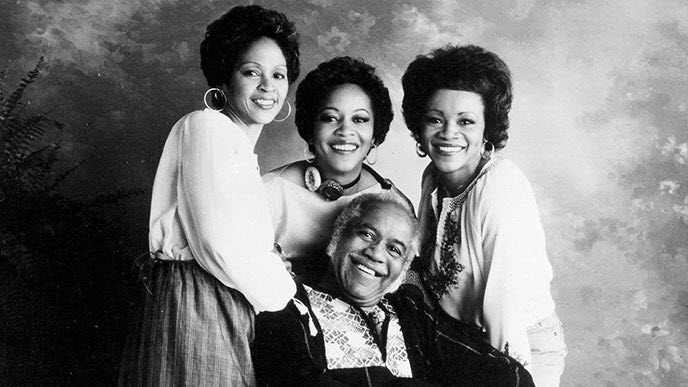
When it comes to the rich tapestry of American music, few groups have woven their threads as beautifully as The Staple Singers. Emerging from the heart of Chicago in the 1940s, this dynamic family band—led by the iconic Roebuck “Pops” Staples and featuring the soulful voices of his children—crafted a sound that blended gospel, soul, and R&B in a way that resonated with audiences across generations. Their music not only captured the spirit of the Civil Rights Movement but also celebrated love, hope, and resilience.
As we delve into the top 10 most popular songs of The Staple Singers, prepare to be transported through a musical landscape filled with powerful harmonies and poignant messages. From the anthemic “I’ll Take You There” to the heartfelt “Respect Yourself,” each track is a testament to their artistic genius and cultural impact. With their infectious rhythms and uplifting lyrics, The Staple Singers carved out a legacy that continues to inspire artists and fans alike. Join us as we explore the tunes that defined a generation and continue to echo in the hearts of many, celebrating the enduring magic of this remarkable family ensemble.
1. I’ll Take You There (1972)
“I’ll Take You There” is more than just a song—it’s a musical sanctuary, a soulful invitation to a better place. Released in 1972, this gospel-infused classic by The Staple Singers instantly strikes a chord with Mavis Staples’ warm, commanding voice leading the charge. From the very first groove, the song wraps you in its rhythm, powered by a laid-back funk beat and a bassline that practically dances on its own. The lyrics are simple but profound, offering a vision of hope, unity, and joy in the face of life’s troubles. Mavis doesn’t just sing—she ministers, turning the track into a communal experience where listeners are encouraged to imagine and believe in a brighter tomorrow. The improvisational feel of the backing vocals and instrumental licks add to its sense of spontaneity and spiritual uplift. Whether heard at a church service, protest rally, or family gathering, “I’ll Take You There” creates a space for people to come together, let go of their burdens, and find common ground in the joy of the music. It’s a timeless anthem of encouragement and healing that continues to speak to every generation.
2. Respect Yourself (1971)
“Respect Yourself” is a bold and empowering anthem that resonates with grit, wisdom, and soul. Released in 1971 during a time of major social change, the song addresses the personal responsibility we all carry in demanding and giving respect. Mavis Staples delivers each line with a righteous fire, bringing the kind of authority that makes you sit up and pay attention. The groove is thick and funky, built on a solid rhythm section and a horn arrangement that punches through with power and purpose. The lyrics are direct and uncompromising—calling out destructive behavior while encouraging self-respect as a foundation for dignity and change. It’s both a personal and political statement, channeling the ethos of the civil rights movement without ever sounding preachy. The message is clear: before you can expect others to treat you right, you have to believe you deserve it. This song became a cultural milestone, not just because of its musical excellence but because of its enduring call to action. “Respect Yourself” remains a rallying cry that feels just as relevant today as it did over 50 years ago.
3. If You’re Ready (Come Go with Me) (1973)
“If You’re Ready (Come Go with Me)” is a soulful invitation to unity, love, and new beginnings. Released in 1973, it captures the easy warmth of The Staple Singers’ style, blending gospel roots with smooth, feel-good soul. Mavis Staples’ voice carries a sweet sincerity, extending a hand to listeners and urging them to come along on a journey filled with hope and togetherness. The arrangement is mellow but uplifting, with lush harmonies, gentle guitar strums, and a groove that flows like a comforting breeze. The lyrics aren’t complicated, but that’s what makes them resonate—they express a timeless desire for connection, peace, and mutual commitment. It’s a song that gently nudges the listener toward optimism, suggesting that if we’re just willing to take that first step together, something beautiful awaits. Whether interpreted as a love song, a spiritual encouragement, or a message of social unity, “If You’re Ready” captures the heart of the early ’70s soul movement. It’s a feel-good track that still manages to carry deep meaning, making it a lasting favorite for fans of soulful, message-driven music.
4. Let’s Do It Again (1975)
“Let’s Do It Again” is a smooth and sultry slice of soul that highlights The Staple Singers’ versatility and charm. Released in 1975, the song marked a successful collaboration with Curtis Mayfield, whose signature touch is all over the groovy, slow-jam production. This track takes a more romantic turn compared to the group’s earlier gospel-rooted songs, yet it never loses that warm, heartfelt Staples sound. Mavis Staples brings a relaxed and tender energy to the vocals, capturing the soft excitement of rekindled love and cherished memories. The instrumentation is silky and understated, letting the emotions of the song shine through with every note. “Let’s Do It Again” feels like a late-night conversation set to music—intimate, nostalgic, and full of good vibes. It’s the kind of song that’s perfect for slow dancing, reminiscing, or simply getting lost in its gentle rhythm. Its crossover success on the pop and R&B charts showed that The Staple Singers could thrive in any musical setting, and this track remains a romantic favorite for listeners of all ages.
5. City in the Sky (1973)
“City in the Sky,” released in 1973, is one of The Staple Singers’ most spiritually resonant and imaginative tracks. The song paints a vivid portrait of a heavenly place where peace, justice, and love reign—a city beyond the clouds, untouched by the troubles of the world below. Mavis Staples delivers her vocals with a serene strength, capturing both longing and hope in her tone. The arrangement is atmospheric, with floating harmonies and soft instrumentation that echo the dreamlike theme. There’s a quiet urgency to the song—it calls out to the weary and the burdened, offering a vision of rest and reward for those who endure. The lyrics can be interpreted both as a religious metaphor and a social commentary, reflecting the desire for a world where righteousness prevails. “City in the Sky” is not flashy, but it’s deeply moving, pulling the listener into a place of reflection and yearning. It’s a song that uplifts while gently reminding us of the promises that lie ahead, whether in the next life or in a future shaped by justice and love.
6. Midnight Hour (1965)
“Midnight Hour,” released in 1965, is a vibrant and emotionally charged track that highlights The Staple Singers’ gospel-soul fusion at its finest. With a driving rhythm and a stirring vocal performance from Mavis Staples, this song pulses with energy and conviction. It’s not just about the literal midnight hour, but also about those quiet moments when hearts are laid bare, and emotions run deep. Mavis sings with a sense of urgency and longing, drawing listeners into an intimate spiritual space where joy and sorrow intertwine. The instrumentation is tight and dynamic, driven by a steady beat and subtle guitar work that adds a touch of grit. The harmonies are rich, with each member of the group contributing to the layered, almost call-and-response effect that was so central to their gospel roots. “Midnight Hour” is more than a soulful groove—it’s a cry for connection, a reminder of love’s power in the stillness of night. It remains a powerful example of how The Staple Singers could take a simple musical moment and elevate it into something both profound and deeply moving.
7. Uncloudy Day (1956)
“Uncloudy Day” is a cornerstone of The Staple Singers’ early gospel catalog and stands as one of the most beloved spiritual songs of its time. Released in 1956, this track features a very young Mavis Staples delivering a stunning vocal performance filled with purity and conviction. The song paints a vivid picture of heaven—a place of eternal peace and joy where clouds never dim the sky. It’s a vision of hope that resonated deeply during a time of social unrest and spiritual searching. With minimal instrumentation, the focus is placed squarely on the group’s harmonies, which are tight, soulful, and saturated with faith. Mavis’ voice, though youthful, carries remarkable power and emotional depth, hinting at the extraordinary career ahead of her. The song’s simplicity only amplifies its spiritual weight, offering a timeless message of comfort for those facing hardship. “Uncloudy Day” wasn’t just a hit—it became a gospel standard and helped to bridge sacred and secular audiences. Its enduring popularity is a testament to its message and the musical gifts of the Staples family.
8. You Got to Earn It (1971)
“You Got to Earn It,” released in 1971, is a groovy, funk-laced track that blends soul with a powerful life lesson. Built around the idea that love, respect, and trust aren’t just given—they have to be earned—the song delivers its message with style and soul. Mavis Staples leads with a spirited vocal that’s both assertive and soulful, backed by funky guitar riffs, dynamic horns, and a beat that makes it impossible not to move. The Staple Singers take a no-nonsense approach here, reminding listeners that actions matter, and that relationships—whether romantic or communal—require genuine effort. The chorus is catchy, bold, and memorable, making it easy to sing along while also reflecting on its deeper meaning. The harmonies provide depth and warmth, lifting the track with a sense of unity. What makes this song stand out is its blend of groove and grit—it feels like a danceable sermon. “You Got to Earn It” isn’t preachy, but it does hold a mirror to the listener, urging accountability in the most soulful way. It’s another example of The Staple Singers’ gift for turning everyday wisdom into musical gold.
9. Who Took the Merry Out of Christmas (1970)
“Who Took the Merry Out of Christmas” is a soulful, thought-provoking holiday song released in 1970 that asks a poignant question: Have we lost the true meaning of the season? Mavis Staples delivers a heartfelt performance that blends concern, reflection, and hope. Unlike most cheerful holiday tracks, this one pauses to examine the disconnect that many feel during the holidays—a time when consumerism often overshadows love, faith, and community. The lyrics encourage listeners to remember the spiritual significance of Christmas and to restore the joy and unity that should define the season. Musically, it features a warm arrangement with a touch of funk and gospel flair. The soft rhythm section and backing harmonies add an uplifting tone, even as the message hits close to home. There’s a sense of nostalgia in the melody, making it comforting and familiar, while also calling for introspection. The Staple Singers manage to deliver a song that feels festive yet deeply rooted in truth. “Who Took the Merry Out of Christmas” continues to resonate because it reminds us to look beyond the surface and to cherish what really matters during the holidays.
10. The Weight (1968)
https://www.youtube.com/watch?v=ccJTFXvkXkA&pp=ygUgVGhlIFdlaWdodCAoMTk2OCkgc3RhcGxlIHNpbmdlcnM%3D
“The Weight,” originally written by The Band and released in 1968, found new life when The Staple Singers collaborated on their own soulful rendition. Their version adds a rich gospel flavor to the rock classic, transforming it into something both spiritual and cinematic. Mavis Staples takes the lead with her powerful, emotive voice, giving the song an added sense of gravity and grace. The lyrics, full of metaphor and mystery, are made more human and heartfelt through the Staples’ delivery. With their harmonies elevating every line, the song feels like a parable—about helping others, carrying burdens, and navigating the challenges of life with compassion. The blending of gospel, soul, and Americana creates a transcendent musical experience that connects across generations and genres. Their interpretation of “The Weight” is not just a cover—it’s a reimagining that brings the song closer to the spirit of community and service. It stands as a testament to The Staple Singers’ ability to take any material and infuse it with purpose, soul, and a deep sense of humanity. It remains one of their most iconic and universally loved performances.

Edward Tomlin is a frequent contributor to Singers Room. Since 2005, Singersroom has been the voice of R&B around the world. Connect with us via social media below.









