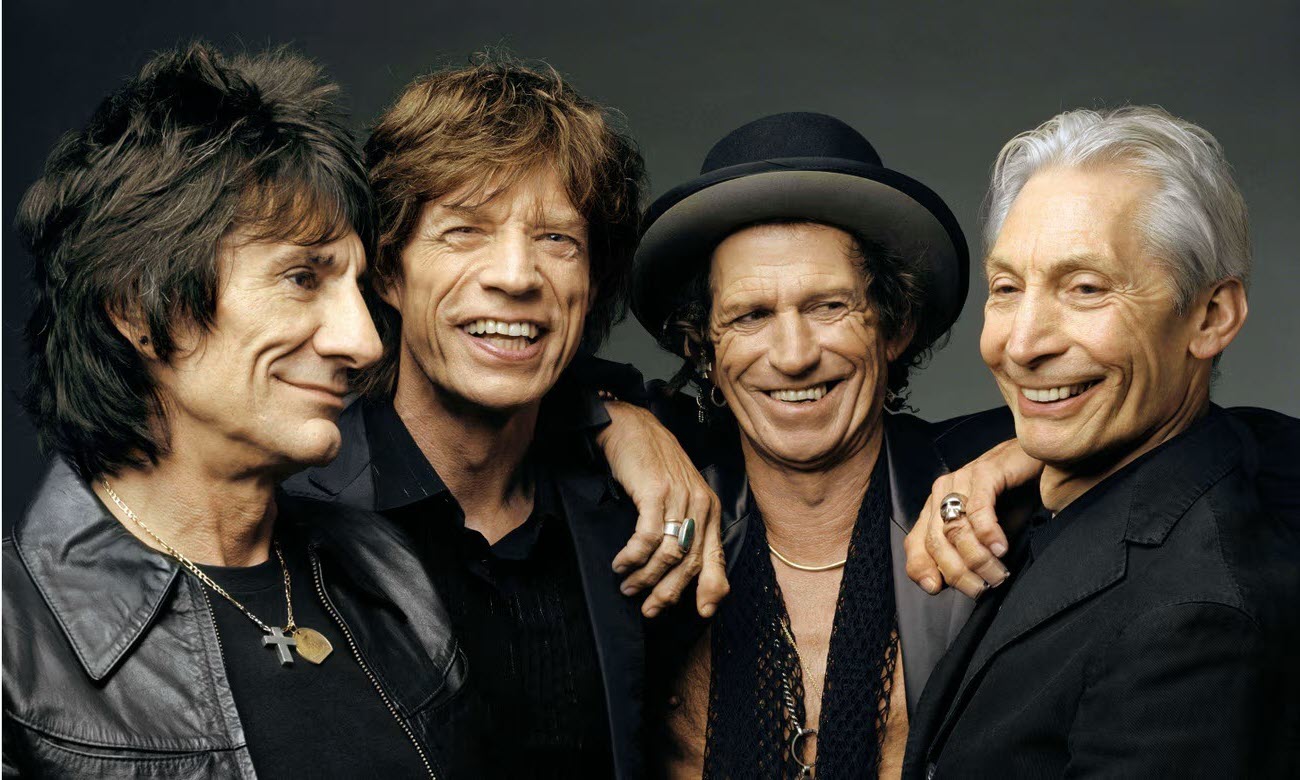
For over six decades, The Rolling Stones have been the undisputed titans of rock and roll, leaving behind a trail of iconic riffs, rebellious lyrics, and unforgettable performances. From smoky London clubs to sold-out stadiums around the world, Mick Jagger, Keith Richards, and their legendary crew have shaped the very DNA of modern music. With a catalog that spans fiery anthems, raw blues, haunting ballads, and genre-defining rockers, the Stones have never stopped evolving—or thrilling. But among their staggering discography, a handful of songs have transcended time, becoming cultural milestones and fan favorites across generations. These are the tracks that lit the fire, broke the rules, and left an indelible mark on the soundtrack of our lives. Whether you’re a lifelong fan or a curious newcomer, this list dives deep into the top 10 most popular Rolling Stones songs of all time—the ones that turned up the volume, challenged the norm, and proved why this band still holds the crown. So crank up the volume, get ready to ride the riffs, and take a journey through the Stones’ greatest musical triumphs. These aren’t just songs—they’re rock and roll legends.
1. (I Can’t Get No) Satisfaction – 1965
“(I Can’t Get No) Satisfaction” isn’t just a Rolling Stones song—it’s a rock ‘n’ roll revolution. Released in 1965, it marked the moment the Stones became more than just a band—they became a movement. Keith Richards’ iconic fuzz-drenched guitar riff, famously conceived in his sleep, feels like a primal scream against a world obsessed with image, consumerism, and control. Mick Jagger’s snarling vocals are pure frustration, railing against sexual repression and media manipulation with a sneer that still resonates today. It was a bold, brash declaration from a group that wasn’t interested in playing it safe. The track quickly shot to No. 1 on the U.S. Billboard Hot 100 and became the band’s first American chart-topper, solidifying their place in rock history. It wasn’t just a hit—it was an anthem for youth rebellion and cultural pushback. Decades later, “Satisfaction” remains electric, a sonic middle finger to authority and complacency. Whether you’re hearing it for the first time or the hundredth, its raw power still jolts you. It captures the restless spirit of the ‘60s like lightning in a bottle, and its impact has only grown with time.
2. Paint It Black – 1966
With “Paint It Black,” The Rolling Stones dove headfirst into darker, more experimental waters. Released in 1966, this groundbreaking track introduced a new emotional and sonic intensity to their music. The song’s eerie, swirling sitar—played by Brian Jones—immediately sets it apart, blending psychedelic rock with Eastern musical textures. But it’s not just about the sound; lyrically, “Paint It Black” explores themes of grief, depression, and despair. Mick Jagger’s voice drips with anguish as he describes a world drained of color, mourning something intangible yet deeply personal. Charlie Watts’ insistent drumming and the hypnotic rhythm drive the song forward with a relentless urgency. At a time when much of the pop landscape was still bright and buoyant, this track stood in stark contrast—dark, daring, and emotionally raw. “Paint It Black” soared to No. 1 in both the U.S. and the UK, cementing its place in the Stones’ legacy. More than just a hit, it marked a turning point in their artistic evolution. It showed they weren’t afraid to embrace vulnerability or explore the shadows. To this day, the song remains one of their most innovative and unforgettable statements.
3. Sympathy for the Devil – 1968
“Sympathy for the Devil,” released in 1968 on Beggars Banquet, is one of The Rolling Stones’ most audacious and brilliantly crafted songs. Inspired by literary influences like Baudelaire and Mikhail Bulgakov’s The Master and Margarita, the song reimagines Lucifer as an urbane, charismatic narrator witnessing humanity’s darkest deeds. Over a sinuous samba rhythm, Mick Jagger adopts the devil’s voice, recounting historical horrors with a sly grin and chilling detachment. The contrast between the upbeat, conga-infused instrumentation and the sinister lyrics creates a surreal tension that’s both hypnotic and unsettling. As the song progresses, the backing vocals chant “woo woo” in a fevered loop, adding to its ritualistic, almost trance-like atmosphere. Keith Richards’ searing guitar solo slices through the groove like a bolt of chaos. At the time, the song sparked controversy, with some accusing the band of flirting with satanism. But beneath the shock value lies something deeper: a meditation on evil, accountability, and the human condition. “Sympathy for the Devil” wasn’t just a stylistic leap—it was a bold artistic risk that paid off. It remains a masterclass in narrative songwriting and one of rock’s most captivating pieces of social commentary.
4. Gimme Shelter – 1969
“Gimme Shelter,” released in 1969 on Let It Bleed, is perhaps the most chillingly prophetic song in The Rolling Stones’ catalog. Opening with an ominous, echoing guitar riff from Keith Richards, the song immediately conjures a sense of looming chaos. It’s a storm on the horizon—slowly approaching and impossible to ignore. As the world grappled with the Vietnam War, civil unrest, and political assassinations, “Gimme Shelter” captured the fear and fatigue of a generation. Mick Jagger’s vocals simmer with restrained urgency, but it’s Merry Clayton’s soul-piercing scream of “Rape, murder—it’s just a shot away!” that makes the song unforgettable. Her raw, one-take performance is a cry of anguish that still sends shivers down the spine. Though it wasn’t a major chart hit, the track became an enduring symbol of the era’s turbulence and trauma. Musically, it blends rock, blues, and gospel into something both haunting and cathartic. “Gimme Shelter” isn’t just a song—it’s a warning, a cry for help, and a masterpiece of atmosphere. More than 50 years later, it still feels painfully relevant, a testament to the band’s ability to capture the chaos of their time with brutal honesty.
5. Angie – 1973
“Angie” arrived in 1973 as a moment of tenderness from a band better known for their grit and swagger. Taken from the album Goats Head Soup, this acoustic ballad showcased The Rolling Stones at their most emotionally bare. The arrangement is understated but rich, with acoustic guitar, gentle piano, and orchestral strings creating a melancholy backdrop for Mick Jagger’s heartfelt vocals. His voice trembles with vulnerability as he sings of a fading love, searching for closure in a relationship that’s slipping away. “Angie” reached No. 1 on the Billboard Hot 100 and became a worldwide hit, proving the Stones could break your heart just as easily as they could blow your speakers. While rumors swirled about who inspired the song—Angela Bowie or perhaps Keith Richards’ daughter Angela—the band remained vague, allowing the mystery to deepen the song’s allure. What truly makes “Angie” special is its universal ache—the sense of love lost but not forgotten. It’s a song of bittersweet goodbyes and lingering emotion, and it remains one of the most beautiful and enduring ballads in the band’s vast catalog. For many fans, it’s the Stones at their most human.
6. Start Me Up – 1981
“Start Me Up,” released in 1981 as the lead single from Tattoo You, proved The Rolling Stones could still set the world on fire nearly two decades into their career. Originally conceived as a reggae track during the Some Girls sessions, the song was later reimagined as a straight-ahead rock anthem—and the result was pure dynamite. The opening riff, courtesy of Keith Richards, is one of the most recognizable in rock history: simple, punchy, and instantly electrifying. Mick Jagger struts through the lyrics with sly innuendo and swagger, delivering one of his most charismatic vocal performances. Behind them, Charlie Watts and Bill Wyman lock into a tight, infectious groove that drives the track forward with unwavering momentum. “Start Me Up” climbed to No. 2 on the U.S. charts and quickly became a mainstay of live shows, sports arenas, and even tech commercials—most famously used by Microsoft to launch Windows 95. More than just a hit, the song is a testament to the Stones’ staying power and their ability to adapt while staying true to their roots. It’s brash, catchy, and undeniably fun—the sound of a band that knew how to light a fuse and let it explode.
7. Jumpin’ Jack Flash – 1968
“Jumpin’ Jack Flash” was the sound of The Rolling Stones getting their mojo back. Released in 1968 as a standalone single, it marked a gritty return to blues-rock after the psychedelic experimentation of Their Satanic Majesties Request. From the very first blast of Keith Richards’ distorted guitar riff, the track announces itself with swagger and grit. Mick Jagger’s vocals are ferocious and unrelenting as he delivers one of the most iconic opening lines in rock history: “I was born in a crossfire hurricane.” The lyrics, though cryptic, brim with defiance and survival, echoing the band’s own resilience. Though it wasn’t included on a studio album at the time, “Jumpin’ Jack Flash” quickly became a concert staple and a fan favorite, often used to kick off their live shows with a jolt of raw energy. It’s the Stones at their most elemental—dirty, urgent, and bursting with rebellious spirit. The track’s enduring power lies in its simplicity: a searing riff, a pounding beat, and a band fully locked in. Over five decades later, it still rocks like a punch to the gut. “Jumpin’ Jack Flash” is the very essence of The Rolling Stones.
8. You Can’t Always Get What You Want – 1969
Released in 1969 as the closing track on Let It Bleed, “You Can’t Always Get What You Want” is a grand, philosophical epic that blends rock, gospel, and classical elements into something truly transcendent. The song opens with the soaring voices of the London Bach Choir—a surprising touch for a band known for gritty blues rock—and gradually unfolds into a sprawling, seven-minute journey through longing, disillusionment, and hope. Mick Jagger’s lyrics reflect on personal and societal frustration, delivered with a mix of melancholy and quiet resilience. “You can’t always get what you want,” he sings, “but if you try sometimes, you just might find you get what you need”—a line that has since become a cultural mantra. Al Kooper’s French horn solo and soulful piano work add emotional depth, while the gospel-tinged backing vocals bring a spiritual richness to the track’s crescendo. Though it wasn’t a major chart hit upon release, it has grown into one of the most beloved and iconic Stones songs. It’s more than just a tune—it’s a life lesson wrapped in one of the most ambitious musical arrangements the band ever recorded. A timeless anthem for every generation.
9. Brown Sugar – 1971
“Brown Sugar,” the explosive opening track of Sticky Fingers (1971), is classic Rolling Stones—raw, raunchy, and unapologetically provocative. From the instant Keith Richards’ riff kicks in, the song barrels forward with unstoppable momentum. It’s a gritty fusion of rock, blues, and soul, with Charlie Watts’ pounding drums and Bill Wyman’s pulsing bass driving the groove. Bobby Keys’ wild saxophone solo adds a final flourish of fire, making the track feel as reckless as it is infectious. Mick Jagger’s lyrics, filled with controversial imagery and innuendo, have sparked debate for decades, and rightfully so—the content is difficult and unsettling, touching on themes of race, sex, and exploitation. But musically, “Brown Sugar” is a juggernaut, showcasing the Stones at the peak of their power. The song soared to No. 1 on the U.S. charts and became one of the band’s defining hits. It’s the sound of rock ‘n’ roll without a safety net—dangerous, exhilarating, and meant to provoke. While the lyrics have aged uncomfortably, the performance remains undeniably potent. “Brown Sugar” is a complicated classic, both loved and criticized, but always remembered for its sheer sonic force.
10. Wild Horses – 1971
Gentle, aching, and profoundly human, “Wild Horses” is one of the most emotionally stirring songs The Rolling Stones ever recorded. Released in 1971 on Sticky Fingers, it trades swagger for sincerity in a heart-wrenching ballad about love, distance, and longing. Built on a soft acoustic guitar riff and enriched by country-rock influences, the song unfolds slowly and tenderly. Mick Jagger’s vocal delivery is subdued and raw, each line filled with regret and affection. Keith Richards adds delicate harmonies that enhance the emotional texture, making it a deeply personal moment for the band. Though never a major chart smash, “Wild Horses” has grown into a fan favorite and critical darling over the years. The lyrics, rumored to be inspired by Jagger’s relationship with Marianne Faithfull or Richards’ own family struggles, remain purposefully vague—inviting listeners to find their own meaning. It’s a song that connects on a soul-deep level, proving that beneath their gritty exterior, the Stones could also bare their hearts. “Wild Horses” isn’t just beautiful—it’s timeless. It reveals a side of the band that’s often overshadowed by their bravado: the poets, the lovers, the dreamers beneath the rock stars.

Samuel Moore is a frequent contributor to Singers Room. Since 2005, Singersroom has been the voice of R&B around the world. Connect with us via social media below.









