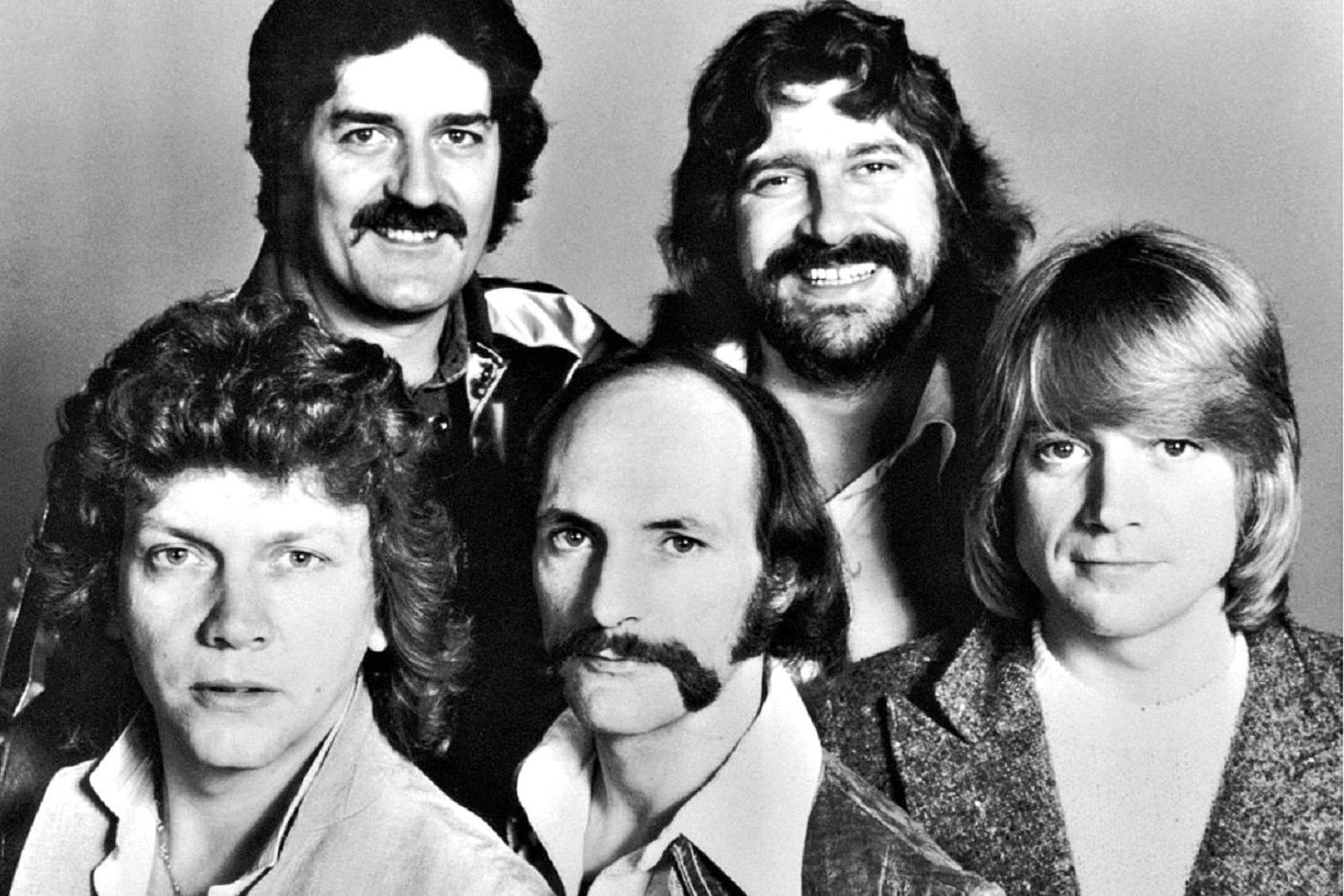
Few bands in rock history have bridged the gap between the mystical and the mainstream quite like The Moody Blues. From their orchestral innovations in the late 1960s to their synth-laden reinvention in the 1980s, the band carved a path that was as emotionally rich as it was musically groundbreaking. With poetic lyrics, sweeping arrangements, and timeless themes of love, time, and self-discovery, The Moody Blues didn’t just write songs—they built sonic landscapes that invited listeners to think, dream, and feel deeply. Whether you first heard them on a crackling vinyl record or through an ‘80s music video, their impact is undeniable.
In this countdown of the Top 10 Most Popular Moody Blues Songs of All Time, we journey through the band’s most iconic and beloved tracks—from haunting ballads that defined a generation to energetic rock anthems that still resonate today. These aren’t just fan favorites—they’re monumental moments in music history that showcase why the Moody Blues remain one of the most enduring and influential bands in progressive rock. So sit back, tune in, and let the music take you on a ride through the cosmos of sound and soul that only The Moody Blues could create.
1. Nights in White Satin – 1967
“Nights in White Satin” isn’t just a song—it’s an emotional journey wrapped in sweeping orchestration and poetic melancholy. Released in 1967 as part of Days of Future Passed, The Moody Blues’ ambitious concept album, the track marked a groundbreaking fusion of rock and classical music. Justin Hayward’s plaintive vocals deliver lines like “Letters I’ve written, never meaning to send” with aching sincerity, while the London Festival Orchestra provides lush, cinematic flourishes that elevate the piece into something otherworldly. The Mellotron, still a novelty at the time, adds a dreamlike quality that further blurs the line between pop and symphony. Initially, the song didn’t make much of a splash on the charts, but a 1972 re-release turned it into a massive international hit, cementing its status as a timeless classic. Its themes of unrequited love, emotional vulnerability, and existential yearning resonate as deeply now as they did in the late ’60s. With its haunting beauty and genre-defying arrangement, “Nights in White Satin” is not only The Moody Blues’ signature song—it’s a cornerstone of progressive rock and a defining moment in the evolution of popular music.
2. Tuesday Afternoon (Forever Afternoon) – 1967
“Tuesday Afternoon,” also known as “Forever Afternoon (Tuesday?)” on the album Days of Future Passed, is a beautifully introspective gem that captures the quiet magic of a single reflective moment. With gentle acoustic guitar strums and Justin Hayward’s thoughtful vocals, the song paints a vivid portrait of a man sitting in nature, contemplating the world around him. It’s not just a narrative—it’s a feeling. Hayward’s lyrics offer a poetic glimpse into the human desire to pause and understand life’s mysteries, all while wrapped in the warm haze of 1967’s psychedelic ambiance. As the song progresses, it blooms into a lush orchestral section courtesy of the London Festival Orchestra, merging the natural with the sublime. Released as a single in 1968, “Tuesday Afternoon” became a radio favorite and played a pivotal role in introducing audiences to the Moody Blues’ signature blend of rock and classical elements. While it may seem simple on the surface, the track is layered with emotion and existential depth. It’s not just about one afternoon—it’s about all those fleeting moments in life when time seems to stop, and everything suddenly feels a little clearer.
3. Ride My See-Saw – 1968
“Ride My See-Saw” charges out of the gate with electric energy, setting the tone for In Search of the Lost Chord, The Moody Blues’ 1968 exploration of self-discovery and inner wisdom. Written and sung by bassist John Lodge, the song combines a hard-rock edge with intellectual curiosity, critiquing societal norms and the rigid education system. With its gritty guitar riffs, pounding beat, and anthemic refrain, the track stands as one of the band’s most energetic and rebellious offerings. Lodge’s pointed lyrics challenge the listener to think beyond conditioned beliefs: “Ride my see-saw, take this place, on this trip just for me.” The song opens with a spoken-word prelude titled “Departure,” setting the mood for a journey into consciousness that contrasts sharply with the driving, almost frenetic pace of the main track. Unlike the lush orchestration of earlier works, “Ride My See-Saw” leans into a leaner, rock-forward sound without losing the band’s thoughtful core. It resonated with the countercultural spirit of the late ’60s and remains a staple in their live shows for good reason. It’s fast, it’s philosophical, and it captures the restless spirit of a generation asking deeper questions.
4. Question – 1970
“Question” is a track that begins with urgency and ends in reflection, mirroring the chaotic beauty of a world in flux. Released in 1970 as the lead single from A Question of Balance, it was Justin Hayward’s poignant response to the cultural and political unrest of the era. The song opens with a furious acoustic guitar attack, almost percussive in its intensity, as Hayward belts out existential questions about war, peace, and truth. “Why do we never get an answer when we’re knocking at the door?” he asks with raw vulnerability. As the song evolves, it slows into a melodic and introspective midsection, softening into a plea for love and understanding. This dynamic contrast—between angst and calm—makes “Question” a masterclass in emotional storytelling through music. It was a commercial hit, reaching the UK Top 10 and reaffirming the band’s ability to address weighty themes while still crafting catchy, accessible music. More than just a protest song or ballad, “Question” is a sonic embodiment of the internal and external conflicts of its time, proving The Moody Blues could balance intellect, emotion, and melody in a single, unforgettable track.
5. The Story in Your Eyes – 1971
“The Story in Your Eyes” showcases a leaner, more rock-oriented side of The Moody Blues, while still preserving their signature emotional depth. Released in 1971 on Every Good Boy Deserves Favour, the track features one of Justin Hayward’s most gripping vocal performances, paired with a jangly, driving guitar riff that propels the song forward. Lyrically, it’s an exploration of truth and emotional honesty, as Hayward sings, “But the story in your eyes, it tells me everything.” The song trades sweeping orchestration for punchier instrumentation, showing that the band could simplify without sacrificing impact. The Mellotron still adds that familiar touch of sonic richness, especially in the soaring chorus, while the guitar solo injects an edge of raw intensity. Clocking in at just under three minutes, it’s remarkably concise for a band known for expansive arrangements. Yet within that short span, “The Story in Your Eyes” delivers a surge of passion and introspection. It remains a fan favorite, frequently performed live, and a standout example of how the Moody Blues successfully blended philosophical lyricism with rock ’n’ roll spirit.
6. Your Wildest Dreams – 1986
With “Your Wildest Dreams,” The Moody Blues elegantly transitioned into the synth-pop era while holding onto the romantic soul that defined their earlier work. Released in 1986 from the album The Other Side of Life, the song became a massive hit in the U.S., reaching No. 9 on the Billboard Hot 100. Written by Justin Hayward, it’s a wistful meditation on lost love and the enduring impact of youthful memories. “I wonder if you think about me, once upon a time in your wildest dreams,” Hayward sings, his voice tinged with longing and sincerity. The production—bright, polished, and layered with shimmering synthesizers and programmed drums—marked a significant departure from their symphonic roots, yet the emotional resonance remained unmistakable. A popular MTV video helped the track connect with a younger generation, reintroducing the band to the public eye. Despite its modern packaging, “Your Wildest Dreams” feels deeply human and relatable. It’s a song about time, memory, and the universal question of what might have been. This was proof that The Moody Blues could evolve with changing musical trends without losing the heart and soul that made them special.
7. I’m Just a Singer (In a Rock and Roll Band) – 1973
“I’m Just a Singer (In a Rock and Roll Band)” is The Moody Blues at their most forceful, shaking off their reputation as introspective philosophers and delivering a high-octane rocker with bite. Released in 1973 on Seventh Sojourn, the song was John Lodge’s bold declaration of artistic independence. “Don’t ask me / I’m just a singer in a rock and roll band,” he belts out over a thunderous bassline and pounding drums, distancing the band from the “spiritual guru” label often attached to their music. The track features a vibrant horn section and tight, muscular arrangements that inject it with an irresistible swagger. It reached the Top 20 in the U.S., appealing to fans who craved something more direct and energetic from the band. This wasn’t a song about dreams or introspection—it was about loud, unapologetic reality. Still, beneath the bravado lies a subtle message about the limits of fame and the importance of critical thinking. A live favorite to this day, “I’m Just a Singer” proves the Moody Blues could rock just as hard as they could philosophize—and sometimes both at once.
8. The Voice – 1981
Released in 1981 on Long Distance Voyager, “The Voice” is a soaring anthem that blends emotional introspection with lush, modern production. Written by Justin Hayward, the track captures the feeling of being gently guided by an unseen force—whether it’s fate, intuition, or something more mystical. “Won’t you take me back to school? I need to learn the golden rule,” Hayward sings, inviting listeners into a journey of self-discovery and renewal. The song’s layered synthesizers, steady rhythm, and atmospheric textures reflect the band’s smooth transition into the sound of the 1980s, yet the soul of the Moody Blues remains intact. The chorus swells with optimism and power, giving the track an uplifting, almost spiritual quality. “The Voice” reached No. 15 on the Billboard Hot 100, proving the band’s staying power in a rapidly changing musical landscape. It’s a reminder that while styles may evolve, the search for meaning and inner truth never goes out of fashion. With its cinematic feel and heartfelt message, “The Voice” stands as one of the band’s most beautiful and enduring songs from their later period.
9. Isn’t Life Strange – 1972
“Isn’t Life Strange” is a contemplative masterpiece that showcases The Moody Blues at their most orchestral and profound. Released in 1972 on Seventh Sojourn, the song was penned by John Lodge and unfolds slowly, gradually building into a sweeping, symphonic epic. It opens with a haunting piano motif and steadily incorporates Mellotron, flute, and rich vocal harmonies that create an atmosphere of reflective grandeur. Lodge’s lyrics ponder life’s unpredictability and emotional complexity: “Isn’t life strange / A turn of the page.” His delivery is both awed and resigned, capturing the fragile balance between wonder and sorrow that defines the human experience. Unlike their more pop-driven singles, this song moves like a classical composition, with movements that rise and fall with dramatic intensity. The track reached the UK Top 20 and remains a fan favorite, especially for those who appreciate the band’s more thoughtful and orchestral side. “Isn’t Life Strange” is more than just a song—it’s a meditation on existence, told with elegance, depth, and a rare emotional honesty. It’s the kind of piece that invites repeated listens, each time revealing something new.
10. Gemini Dream – 1981
“Gemini Dream” is The Moody Blues’ dynamic leap into the sound of the 1980s, fusing their lyrical mystique with a sleek, synth-pop veneer. Released in 1981 as the lead single from Long Distance Voyager, the track was co-written by Justin Hayward and John Lodge, and marked a stylistic shift for the band. Built on a driving electronic beat, catchy guitar hooks, and vibrant keyboard textures, “Gemini Dream” is a celebration of duality—exploring the highs and lows of life on the road, and the contrasting identities one adopts along the way. The dual lead vocals add to this theme of contrast and balance, as the lyrics muse on fleeting moments and fragmented connections: “Long time no see / Short time for you and me.” With its energetic pace and polished production, the song became a commercial success, reaching No. 12 on the U.S. charts. It introduced the band to a new generation of listeners while reassuring longtime fans that their essence hadn’t been lost. “Gemini Dream” is more than just a catchy single—it’s a testament to the band’s adaptability and creative evolution in a fast-changing musical era.

Samuel Moore is a frequent contributor to Singers Room. Since 2005, Singersroom has been the voice of R&B around the world. Connect with us via social media below.









