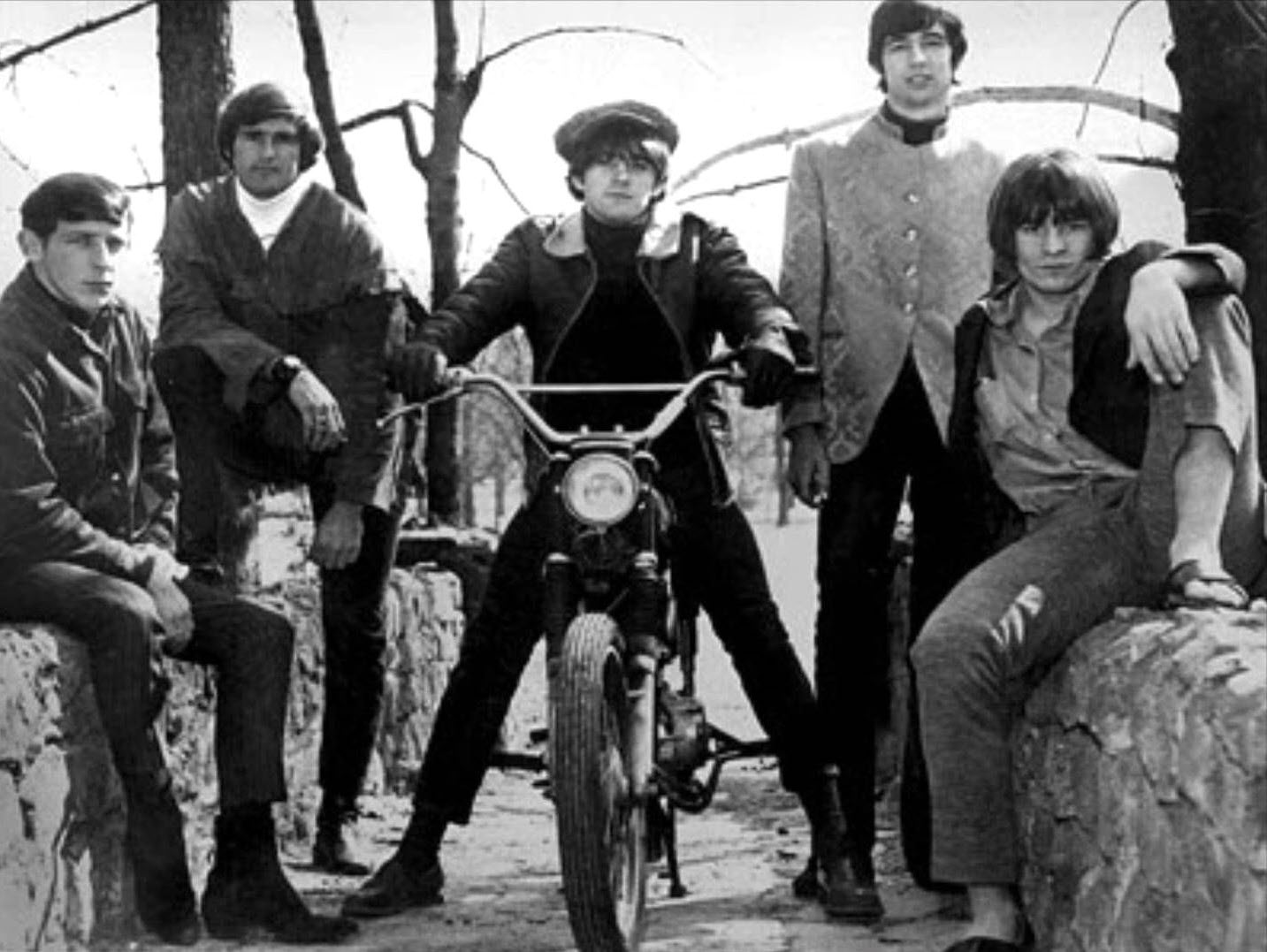
When it comes to the golden age of rock and pop music, few bands left as indelible a mark as The Box Tops. Emerging from Memphis in the mid-1960s, this powerhouse group dazzled audiences with their unique blend of rock, soul, and pop, propelled by the unmistakable voice of Alex Chilton. Their catchy melodies, heartfelt lyrics, and infectious energy captured the essence of a generation, making them a staple on the airwaves.
In this article, we delve into the top 10 most popular songs by The Box Tops, exploring the tracks that not only defined their career but also influenced countless artists who followed. From chart-topping hits to lesser-known gems, each song on our list showcases the band’s remarkable talent and enduring legacy. Whether you’re a lifelong fan or a newcomer to their music, prepare to rediscover the timeless appeal of The Box Tops. Join us as we journey through their most iconic tracks, celebrating the sounds that continue to resonate with music lovers across the globe. Get ready for a nostalgic ride filled with unforgettable hooks and the soulful spirit that made The Box Tops a true phenomenon in the world of music!
1. The Letter (1967)
“The Letter” is a gripping burst of soul and rock energy that captured the world’s attention in 1967. Performed by The Box Tops and led by a then-16-year-old Alex Chilton, the song is barely two minutes long, yet it hits with the urgency of a heartfelt telegram. The gravel in Chilton’s voice defies his age, delivering lines like “Give me a ticket for an aeroplane” with raw emotion and conviction. The story is simple—a desperate plea to get back to someone he loves—but the emotional weight packed into that simplicity makes the song unforgettable. The Memphis soul sound of the backing band, complete with punchy horns and tight rhythm, gives the track a unique edge that set it apart on the charts. “The Letter” soared to No. 1 on the Billboard Hot 100 and quickly became The Box Tops’ breakout hit. It’s a classic example of how a great pop song doesn’t need to be long to make a lasting impact. Decades later, its blend of youthful urgency and deep emotional resonance still speaks to listeners who know what it means to miss someone so much it hurts.
2. Cry Like a Baby (1968)
Released in 1968, “Cry Like a Baby” is a soul-drenched ballad that leans even more into emotional vulnerability than its predecessor. The Box Tops took a step forward in musical maturity here, adding rich strings, a full horn section, and layered harmonies that gave the song a lush, dramatic feel. Alex Chilton’s voice, again, shines at the center—heartbroken, pained, and deeply expressive. The lyrics reflect on love lost, and the crushing aftermath of heartbreak, with the chorus repeating, “When I think about the good love you gave me, I cry like a baby.” The phrase becomes both literal and poetic, capturing the universal experience of emotional devastation in the wake of a relationship’s end. This track also marked another collaboration with legendary songwriter Dan Penn, whose knack for Southern soul storytelling helped the song feel authentic and moving. “Cry Like a Baby” reached No. 2 on the Billboard Hot 100 and has remained one of the group’s most enduring tracks. With its soulful arrangement and powerful vocals, it continues to resonate with listeners who’ve walked through heartbreak and found solace in a song that feels like it understands.
3. Soul Deep (1969)
Released in 1969, “Soul Deep” is a brilliant fusion of rock, pop, and soul that truly highlights The Box Tops’ musical range. The song boasts an irresistibly catchy chorus and a driving beat that pulls listeners in from the very first note. What makes “Soul Deep” stand out is its ability to balance a joyful, singable melody with lyrics that speak to something more profound—a longing for love that goes beyond the surface. Alex Chilton’s signature gritty vocals add weight and warmth to the song, giving the heartfelt lyrics even more resonance. It’s a song that feels equally at home on the radio as it does blasting through a jukebox in a smoky diner. With its polished horn section and rich harmonies, “Soul Deep” captures the spirit of late ’60s pop-soul with effortless charm. It’s one of those songs that makes you tap your foot, hum along, and reflect on what it means to love deeply. Decades later, it still holds its power, not just as a catchy tune, but as a celebration of authentic, meaningful connection.
4. Choo Choo Train (1967)
“Choo Choo Train” chugs along with high-energy enthusiasm, bursting onto the scene in 1967 with a rhythm that’s as fun as it is infectious. The song channels a sense of childlike adventure, using the metaphor of a speeding train to convey the thrill of new beginnings and carefree momentum. From the opening beat, listeners are swept up into its rollicking pace, carried along by Alex Chilton’s exuberant vocals and the band’s tight, rhythmic instrumentation. There’s a brightness and vitality to the song that makes it impossible to ignore—it feels like a burst of summer sunshine, bottled into just over two minutes of joy. “Choo Choo Train” showcases The Box Tops’ playful side, proving they could deliver lighthearted, feel-good hits without losing the soulful grit that defined their sound. It’s a perfect track for a road trip, a dance party, or any moment when you want to feel the wind in your hair and the world rushing by. Even decades after its release, it still brings a smile and that irresistible urge to hop aboard and ride along.
5. Neon Rainbow (1968)
Released in 1968, “Neon Rainbow” is a vivid and atmospheric track that captures the beauty and loneliness of city life. The song paints a picture of neon lights shining bright against the night, symbolizing both opportunity and isolation. What makes this track special is its rich, visual storytelling—listeners are transported into a dreamy, urban world filled with glowing colors and reflective thoughts. Alex Chilton’s warm, expressive voice adds emotional depth to the lyrics, creating a sense of wonder and melancholy all at once. The arrangement is smooth and textured, with gentle rhythms and subtle strings that elevate the song’s cinematic feel. “Neon Rainbow” isn’t just a pop tune; it’s an evocative soundscape that invites listeners to slow down and take in their surroundings. Whether it’s the allure of chasing dreams or the quiet sadness that sometimes comes with it, the song touches on universal emotions in a beautifully understated way. It’s a testament to The Box Tops’ artistry and their ability to turn a simple melody into something hauntingly poetic. Even today, it feels fresh, nostalgic, and quietly profound.
6. Sweet Cream Ladies, Forward March (1971)
“Sweet Cream Ladies, Forward March,” released in 1971, is one of the most daring and clever tracks in The Box Tops’ catalog. With its upbeat tempo and whimsical tone, the song takes a surprisingly bold look at women working in the sex industry, offering a cheeky yet respectful tribute to their lives. At a time when few bands would dare touch such a subject, The Box Tops approached it with wit, compassion, and musical flair. The bouncy rhythm, catchy melody, and polished production make it feel lighthearted on the surface, but the lyrics carry a deeper meaning—challenging societal judgments and urging empathy. Chilton’s charismatic vocals are full of charm, delivering the tongue-in-cheek lines with just the right amount of playfulness and sincerity. Musically, it’s a delight, with tight horn sections and toe-tapping beats that make it easy to forget just how edgy the topic really is. It’s this combination of clever commentary and irresistible sound that has helped “Sweet Cream Ladies, Forward March” remain a cult favorite. It’s bold, it’s catchy, and it proves The Box Tops weren’t afraid to push boundaries while keeping things catchy and fun.
7. I See Only Sunshine (1968)
“I See Only Sunshine,” released in 1968, radiates optimism with every note. It’s a bright, cheerful song that embraces the joy of love and the sense of clarity it brings. The lyrics speak to a newfound positivity—a life transformed by someone special. Alex Chilton’s vocals shine here, bringing warmth and sincerity that perfectly match the song’s sunny disposition. The arrangement is breezy and uplifting, with chiming guitars, subtle brass, and a steady rhythm that mirrors the emotional steadiness love can bring. There’s an undeniable charm in its simplicity; it doesn’t try to be overly complex or dramatic. Instead, it delivers a straightforward message of happiness and contentment, and sometimes that’s exactly what a listener needs. “I See Only Sunshine” is like a morning cup of coffee or a walk in the park on a clear day—it brightens your outlook and makes you feel a little more alive. The song may not be as well-known as some of The Box Tops’ bigger hits, but it’s a hidden gem that beautifully showcases the lighter, more tender side of the band’s songwriting.
8. You Keep Tightening Up on Me (1969)
Released in 1969, “You Keep Tightening Up on Me” is a slow-burning soul track that explores the emotional tension between love and control. With its groovy, understated beat and smoky ambiance, the song invites listeners into a more mature, introspective corner of The Box Tops’ discography. The lyrics express the feeling of being emotionally constricted in a relationship, a subject that resonates with anyone who has felt both drawn to and overwhelmed by a partner’s intensity. Alex Chilton delivers a nuanced performance—full of restrained passion and quiet frustration—that gives the song its emotional weight. The arrangement is smooth and moody, relying on subtle instrumentation and a pulsing rhythm that mirrors the song’s internal conflict. “You Keep Tightening Up on Me” isn’t about big, dramatic emotions—it’s about the quieter, more complex ones that linger just under the surface. It’s an overlooked track that rewards close listening and showcases The Box Tops’ ability to craft music that’s as thoughtful as it is catchy. It may not be the most celebrated hit, but its soulful honesty gives it lasting emotional power.
9. Turn on a Dream (1968)
“Turn on a Dream” is one of those rare songs that feels like a lullaby for grownups. Released in 1968, it combines soft psychedelic textures with heartfelt lyrics to create a dreamy, comforting atmosphere. From the moment it begins, the song feels like slipping into a reverie. The arrangement is lush, with layered guitars, gentle harmonies, and a floating melody that evokes the surreal quality of a dream. Alex Chilton’s voice drifts through the track with a relaxed intimacy, encouraging listeners to escape reality and imagine something more beautiful. The lyrics speak of love, hope, and the quiet magic of believing in something bigger than the ordinary. “Turn on a Dream” is more than just a pretty tune—it’s a gentle invitation to imagine and believe, even when the world feels uncertain. It highlights The Box Tops’ ability to embrace softer, more reflective songwriting without losing their emotional impact. Though it may not be their most famous song, it’s certainly one of their most enchanting and serves as a lovely reminder of the band’s depth and versatility.
10. Shapes of Things (1969)
“Shapes of Things,” released in 1969, is The Box Tops’ powerful take on a Yardbirds classic, and it stands as one of their boldest forays into psychedelic rock. The track opens with a heavy, distorted guitar riff that immediately signals a departure from their earlier pop-soul sound. The lyrics, originally written as a commentary on war, progress, and the future of humanity, take on new intensity through Alex Chilton’s commanding performance. He sings with urgency, capturing the confusion and concern of a rapidly changing world. The instrumentation is more experimental than typical Box Tops fare—featuring fuzzed-out guitars, an insistent drumbeat, and eerie backing vocals that give the song a haunting edge. “Shapes of Things” is as much a statement as it is a song, reflecting the turbulence of the late ’60s with raw emotion and sonic boldness. While it may not have charted as high as some of their other hits, it shows a band willing to take risks and engage with the deeper issues of the day. It remains a compelling artifact of its time, full of tension, passion, and relevance.

Edward Tomlin is a frequent contributor to Singers Room. Since 2005, Singersroom has been the voice of R&B around the world. Connect with us via social media below.









