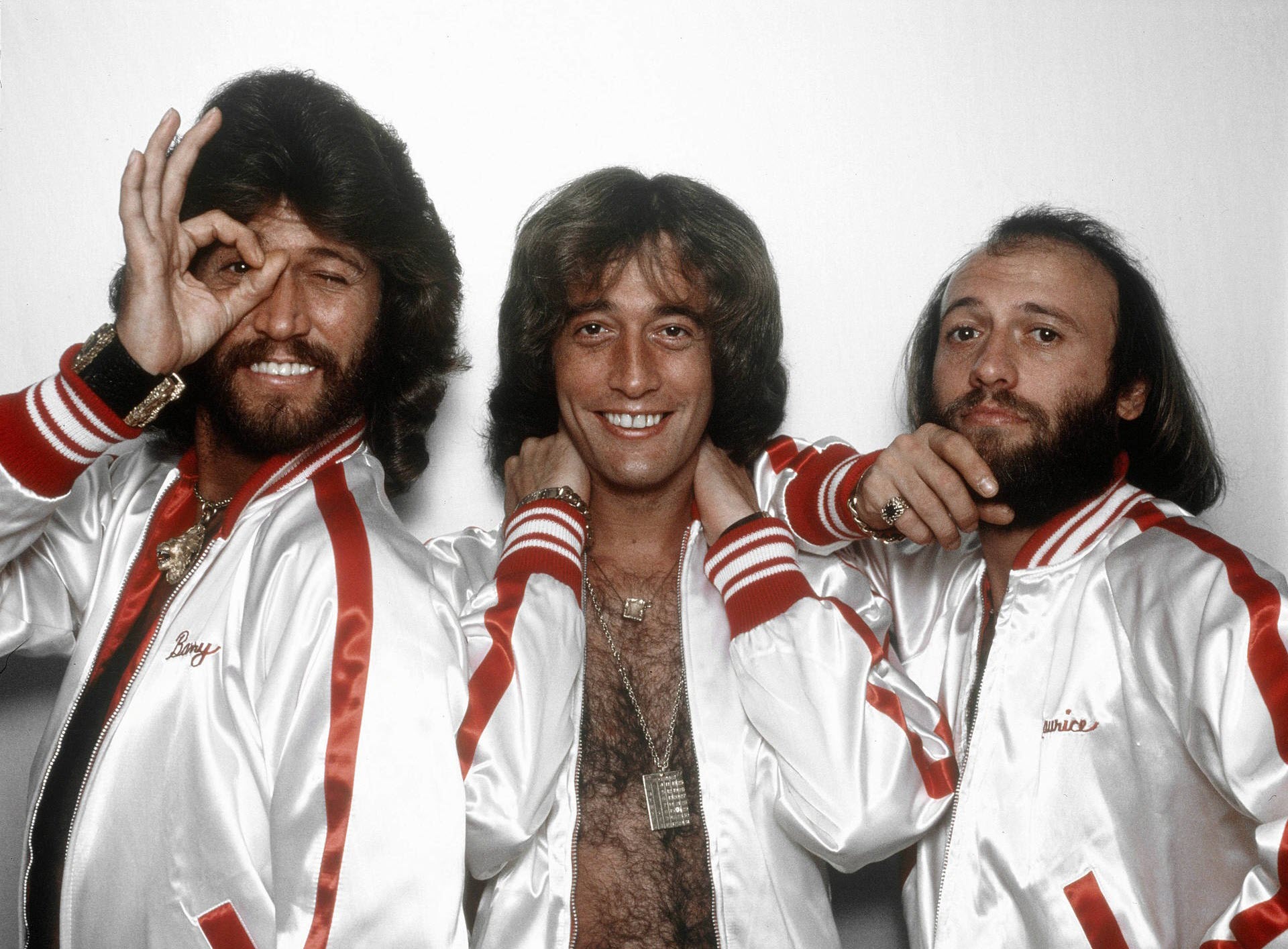
When it comes to iconic musical legacies, few can rival the Bee Gees. Bursting onto the scene in the late 1960s, this trio of brothers—Barry, Robin, and Maurice Gibb—crafted an unparalleled sound that blended pop, disco, and soul, enchanting listeners around the globe. With their signature falsetto harmonies and poignant lyrics, the Bee Gees not only defined an era but also shaped the very landscape of modern music. Their influence can be felt in countless genres, making them a perennial favorite across generations.
In this article, we’ll take you on a nostalgic journey through the top 10 most popular Bee Gees songs of all time. From dance floor classics that ignited the disco craze to heartfelt ballads that tug at the heartstrings, each track has left an indelible mark on music history. Whether you’re a lifelong fan or a newcomer eager to explore their rich catalog, prepare to rediscover the magic of the Bee Gees. Join us as we celebrate the melodies that have made them legends and continue to resonate in our hearts today!
1. Stayin’ Alive (1977)
“Stayin’ Alive” isn’t just a song—it’s a cultural phenomenon. Released in 1977 as part of the Saturday Night Fever soundtrack, it perfectly captured the pulse of the disco era while telling a story that hit deeper than just flashing lights and dance floors. Beneath its unmistakable beat and Barry Gibb’s falsetto lies a gritty urban tale of perseverance. The lyrics speak to the struggle of surviving day to day—“life goin’ nowhere, somebody help me”—but there’s also an undeniable strength behind it all. The groove is infectious, driven by that now-iconic bass line and steady beat, but it’s the Bee Gees’ vocal layering and harmonies that elevate the track to legendary status. It became an anthem of the late 1970s, reflecting both the highs and lows of urban life. Its energy is undeniable, and it has managed to endure for decades, popping up in everything from dance compilations to medical training videos for its tempo’s ideal CPR rhythm. “Stayin’ Alive” remains not just a soundtrack to a time, but a reminder of resilience, swagger, and the power of music to help us keep moving forward, no matter what life throws our way.
2. How Deep Is Your Love (1977)
“How Deep Is Your Love” is one of the Bee Gees’ most tender and heartfelt songs—a timeless ballad that taps into the vulnerable side of love. Released in 1977 and featured prominently in the Saturday Night Fever soundtrack, the song showcases the Gibb brothers’ unmatched gift for harmony. The production is smooth and understated, with soft electric piano and gentle strings setting a warm, romantic tone. Lyrically, it’s a plea for reassurance and intimacy, asking that central question we all wonder at some point in love: “How deep is your love?” Barry Gibb’s lead vocal is both delicate and rich, floating above the instrumentation with quiet urgency. The song’s emotional honesty and soothing rhythm made it an instant favorite and a staple at weddings, slow dances, and quiet moments. It’s not showy, but its simplicity is its strength. Over the decades, it’s been covered by numerous artists, yet the original still reigns supreme. The Bee Gees had a way of expressing universal feelings with clarity and grace, and this track is a shining example of their ability to connect deeply with listeners. It’s soft, sweet, and unforgettable.
3. Night Fever (1977)
“Night Fever” is the Bee Gees at their most danceable and confident, perfectly encapsulating the sound and spirit of the disco movement. Released in 1977 as another smash from Saturday Night Fever, the song glides on a sleek, seductive groove that makes it almost impossible not to move to. Right from the shimmering opening notes, you’re transported to a dance floor lit with strobe lights and spinning mirror balls. But it’s not just about the rhythm—the song captures the euphoria of nightlife, the magic of escaping your worries under the spell of music and movement. Barry Gibb’s falsetto rides over the pulsing bass and string-laced arrangement, creating a dreamy, yet energetic vibe that feels both intimate and universal. The chorus—“Night fever, night fever, we know how to do it”—is pure infectious joy. What’s remarkable is how “Night Fever” balances its party vibe with a smooth, sophisticated polish. It’s fun, yes, but it’s also finely crafted pop. This track topped charts around the world and helped define an entire generation of dance music. Even today, it’s a go-to track for DJs, proving that some grooves never go out of style.
4. To Love Somebody (1967)
“To Love Somebody” is one of the Bee Gees’ most emotional and enduring ballads. Released in 1967, it marked a major moment for the band, showcasing their ability to write soul-stirring music outside of the pop trends of the time. Originally written by Barry and Robin Gibb for Otis Redding, the song became a signature hit for the Bee Gees themselves. It’s a plea drenched in yearning and vulnerability—an earnest declaration of love that isn’t returned. Barry’s vocal performance is soulful, raw, and deeply felt, carrying a depth of emotion that cuts straight to the heart. Musically, it leans into the traditions of soul and blues more than their usual pop fare, with gospel-like backing vocals and a slow, steady build that gives the lyrics room to breathe. The message is simple yet universally relatable: loving someone who doesn’t see you the same way. Over the years, the song has been covered by artists ranging from Nina Simone to Michael Bolton, a testament to its emotional power and timeless quality. “To Love Somebody” is a reminder that at their core, the Bee Gees were master songwriters with an unmatched ability to express raw human feeling.
5. Massachusetts (1967)
“Massachusetts” is a gentle, melancholic ballad that signaled a shift in the Bee Gees’ early sound. Released in 1967, the song stands out for its introspective tone and subtle storytelling. It’s a tale of someone who’s left the lights and noise of San Francisco’s counterculture behind, longing to return to the quieter, more grounded life back East. The lyrics are filled with longing, and the harmonies—always one of the Bee Gees’ strengths—are understated but rich, creating a haunting atmosphere. Barry’s lead vocal is tinged with regret and reflection, painting a vivid emotional landscape in just a few lines. The orchestral arrangement is soft but sweeping, giving the track a cinematic quality. Unlike their later disco-era hits, “Massachusetts” feels almost folksy in its simplicity, but it’s no less powerful. It became their first number-one single in the UK, proving their versatility early in their career. The song resonates because it captures a universal feeling: the pull of home and the emotional cost of chasing something you thought you wanted. Even decades later, “Massachusetts” remains a poignant reminder that sometimes the greatest journeys are the ones that bring us back.
6. “Words” (1968)
“Words” is a tender ballad that showcases the Bee Gees’ ability to blend emotional depth with musical simplicity. Released in 1968, the song marked a shift toward more heartfelt, stripped-down compositions. Written by Barry, Robin, and Maurice Gibb, “Words” revolves around the idea that verbal expressions—no matter how sincere—can often fall short in love. Barry Gibb takes the lead vocal, delivering the lyrics with a soft vulnerability that pulls at the heartstrings. The arrangement is relatively minimalist, featuring gentle piano chords, a quiet rhythm section, and lush harmonies that elevate the melancholic mood.
The song became one of the group’s most beloved early hits and was later covered by many artists, which speaks to its timeless quality. What makes “Words” so powerful is its honesty. It’s not flashy or melodramatic; instead, it draws strength from its emotional restraint. The chorus—”It’s only words, and words are all I have to take your heart away”—captures the helplessness of wanting to fix something with love but only having language as a tool. This vulnerability resonates universally, making the track feel deeply personal to every listener. “Words” stands as one of the Bee Gees’ most poignant contributions to the pop ballad genre.
7. “Lonely Days” (1970)
“Lonely Days” was a turning point for the Bee Gees, marking their successful return after a brief breakup in 1969. Released in 1970, the song blends orchestral pop with elements of soul, foreshadowing the rich sonic evolution they would fully embrace in the years to come. What immediately grabs listeners is its structure—it starts with a slow, mournful piano and vocal section, before bursting into an upbeat, soulful chorus. This dynamic shift gives the song emotional range and makes it stand out among their early ’70s catalog.
Lyrically, “Lonely Days” speaks to the aching emptiness that comes from lost love. Barry, Robin, and Maurice sing in harmony, layering their voices with a warmth that contrasts beautifully with the song’s theme of isolation. The Beatles-like orchestration and rhythmic drive during the chorus bring a sense of urgency and emotional release, making the song both melancholy and uplifting at once. It reached No. 3 on the Billboard Hot 100 and helped reestablish the group’s place in the music scene. With “Lonely Days,” the Bee Gees proved they could evolve without losing the emotional depth that had always defined their music. It’s a masterful blend of introspection and energy.
8. “Fanny (Be Tender with My Love)” (1975)
“Fanny (Be Tender with My Love)” is one of the most emotionally rich and vocally impressive songs in the Bee Gees’ catalog. Released in 1975 from the album Main Course, it finds the group transitioning into the soulful, R&B-influenced sound that would soon define their disco era. This song, however, is more than just a precursor to dance hits—it’s a pleading, passionate ballad about vulnerability and the need for gentle love.
Barry Gibb leads with falsetto vocals that are both powerful and fragile, perfectly capturing the desperation embedded in the lyrics. The harmonies with Robin and Maurice are tight and soaring, building intensity as the song progresses. The arrangement is lush, with a climbing melody supported by strings, electric piano, and a rhythm section that grows subtly more urgent as the emotions heighten. The chorus—“Be tender with my love / You know how easy it is to hurt me”—lays bare a kind of raw sensitivity rarely expressed so openly in pop music.
“Fanny” didn’t chart as high as some of their massive hits, but it’s often cited by fans and musicians as one of their most underrated masterpieces. It showcases the Bee Gees at their expressive peak, delivering emotional truth through impeccable musical craftsmanship.
9. “Nights on Broadway” (1975)
With “Nights on Broadway,” the Bee Gees fully embraced a funkier, more dynamic sound that laid the groundwork for their disco dominance. Released in 1975 as part of their Main Course album, this track blends R&B grooves, rock energy, and pop melodies into something uniquely Bee Gees. It’s also notable for being the first time Barry Gibb prominently used his falsetto in a song, which would become a trademark element of their late ‘70s style.
The lyrics tell the story of late-night longing and betrayal, set against the backdrop of New York City’s vibrant and sometimes cruel nightlife. There’s a cinematic quality to the song, with the verses capturing the loneliness and desperation of a man trying to hold onto love, while the chorus explodes with passion and urgency. The production is tight and textured, combining driving bass lines, syncopated drums, and stabbing horns.
“Nights on Broadway” is where you can hear the Bee Gees experimenting and finding their new voice. The emotional performance, particularly Barry’s falsetto cries of heartbreak, adds another layer of drama. It’s a song that’s as much about atmosphere as it is about storytelling, making it a thrilling listen from start to finish.
10. “Love So Right” (1976)
“Love So Right” is a soulful, slow-burning ballad that highlights the Bee Gees’ exceptional songwriting and vocal harmony. Released in 1976 from the Children of the World album, the song showcases their growing comfort with the falsetto-led, soft R&B style that would soon dominate pop radio. Barry Gibb’s delicate falsetto takes center stage, delivering each line with a mix of tenderness and heartbreak that makes the song feel intensely personal.
The track is about the sorrow of losing a love that once felt perfect. The chorus—“She turned so right and walked right out of my life”—is both simple and devastating, expressing how something beautiful can vanish without warning. The arrangement is gentle and understated, with smooth string arrangements and soft electric piano chords that give the song a rich emotional palette. As always, the harmonies between Barry, Robin, and Maurice add a fullness that gives the song its signature Bee Gees sound.
“Love So Right” may not have the flash of their later disco hits, but it remains one of their most elegant and emotionally resonant works. It’s a testament to their versatility—not just hitmakers, but artists deeply in tune with the power of a well-crafted ballad.

Edward Tomlin is a frequent contributor to Singers Room. Since 2005, Singersroom has been the voice of R&B around the world. Connect with us via social media below.









