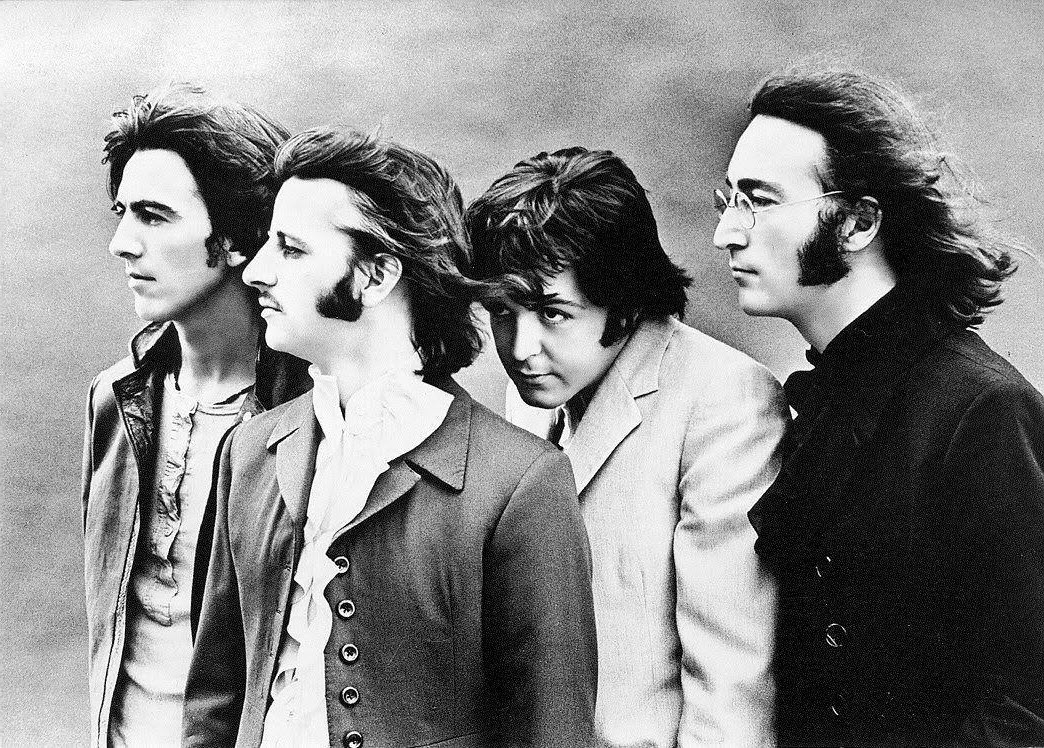
The Beatles, often hailed as the greatest band in history, revolutionized music and culture in the 1960s and beyond. Their innovative sound, lyrical genius, and charming personalities captured the hearts of millions and continue to resonate today. From catchy tunes that defined a generation to profound ballads that explore the depths of love and life, their catalog is a treasure trove of timeless classics.
In this article, we dive into the top 10 most popular Beatles songs of all time, celebrating the tracks that not only topped the charts but also shaped the landscape of modern music. Each song on this list tells a story, evoking memories and emotions that transcend time. Whether you’re a lifelong fan or discovering their magic for the first time, these songs are sure to ignite nostalgia and inspire new listeners alike.
Join us as we explore the melodies, lyrics, and impact of these unforgettable tracks, revealing what makes them beloved across generations. Get ready to relive the magic of The Beatles, as we count down the songs that have left an indelible mark on the world!
1. Hey Jude
“Hey Jude” remains one of The Beatles’ most iconic and emotionally stirring songs. Originally written by Paul McCartney to comfort Julian Lennon during his parents’ divorce, the song takes a deeply personal moment and transforms it into a universal message of hope and encouragement. The track begins with a tender piano melody and McCartney’s gentle vocals, building gradually into a soaring crescendo filled with powerful harmonies and an anthemic “na-na-na” chorus that continues for several minutes. The song’s structure—starting softly and ending with a communal sing-along—makes it feel like a journey, one that invites listeners to release pain and embrace healing. Released in 1968 during a time of global unrest, the song quickly resonated around the world, becoming an anthem for resilience. “Hey Jude” showcases The Beatles’ genius in marrying personal sentiment with mass appeal. Even decades later, its message—that it’s okay to feel sorrow, but better to move forward with courage—still strikes a chord with audiences of all ages. Whether played at stadiums, family gatherings, or intimate moments, “Hey Jude” continues to unite people with its warmth and timeless beauty.
2. Let It Be
“Let It Be” stands as a soulful and introspective farewell, arriving just before The Beatles officially parted ways. Written by Paul McCartney, the song was inspired by a dream in which he saw his late mother, Mary, offering comfort during a particularly stressful time in his life. Her words—“Let it be”—became the central theme of the track, urging calm and acceptance in the face of turmoil. The song’s gospel-tinged piano melody and steady rhythm offer a meditative space for reflection, while McCartney’s voice gently delivers lines that feel both deeply personal and universally applicable. Released in 1970, amid the band’s internal tensions and broader societal upheaval, “Let It Be” resonated with those searching for peace. Its simplicity is its strength, turning a mother’s advice into a spiritual mantra. The orchestral build-up in the latter half of the track adds emotional weight, culminating in a sense of grace and release. Over the years, “Let It Be” has been embraced at vigils, ceremonies, and quiet moments of introspection. It remains a reminder that sometimes the best course of action is to surrender to what is—and to trust that clarity will come in its own time.
3. Yesterday
“Yesterday” is a hauntingly beautiful ballad that has become one of the most beloved and frequently covered songs in the history of music. Released in 1965, it marked a departure from The Beatles’ earlier rock-oriented sound, showcasing Paul McCartney’s gift for crafting intimate, emotional songs with universal appeal. Accompanied by a simple acoustic guitar and a string quartet, McCartney’s tender vocals reflect on the pain of lost love and the longing for a simpler past. The lyrics, expressing a sudden and irreversible change in a relationship, are poignant in their minimalism. With just a few words, McCartney captures the deep ache of nostalgia and regret. What began as a melody he heard in a dream—originally jokingly titled “Scrambled Eggs”—evolved into a timeless masterpiece. “Yesterday” reveals The Beatles’ artistic growth and willingness to explore new emotional and musical territory. Its quiet vulnerability stands in contrast to their more upbeat early hits, showing a new side to the band’s creative potential. To this day, “Yesterday” remains a touchstone for anyone who has experienced heartache, proof that the most powerful songs often come from the simplest and most sincere expressions of emotion.
4. Come Together
“Come Together” is one of The Beatles’ most groove-heavy and enigmatic tracks, opening their legendary Abbey Road album with a sense of mystery and swagger. Released in 1969, the song began as a campaign anthem for Timothy Leary but quickly morphed into something uniquely Beatles. John Lennon’s cryptic lyrics are full of surreal imagery and quirky character references, leaving fans to debate their meaning for decades. Musically, the song is anchored by a slinky bassline from Paul McCartney, a laid-back drum groove from Ringo Starr, and Lennon’s smoky vocal delivery. The rhythm is hypnotic, almost bluesy, and it gives the track an undeniable cool factor. “Come Together” exemplifies the band’s ability to experiment with sound and structure while still creating something catchy and accessible. The chorus—“Come together, right now, over me”—is a compelling, if cryptic, call for unity. Whether interpreted as a political message, a personal plea, or simply a musical vibe, the song has endured as one of The Beatles’ most influential tracks. Its infectious beat and layered composition continue to inspire artists across genres, making “Come Together” a cornerstone of rock’s golden age.
5. A Hard Day’s Night
(1964)
“A Hard Day’s Night” perfectly captures the youthful energy and charm that propelled The Beatles into global superstardom. Released in 1964 as the title track for their debut film, the song opens with one of the most iconic chords in rock history—an electrifying blend that instantly grabs attention. Written primarily by John Lennon, with contributions from Paul McCartney, the lyrics reflect the everyday struggles of hard work balanced by the comfort of love. It’s a simple yet effective message: after a long, tiring day, being with someone you love makes it all worthwhile. The song’s upbeat tempo, jangling guitars, and tight vocal harmonies create a sense of joy and momentum that’s hard to resist. As the soundtrack for their first film, “A Hard Day’s Night” also showcased The Beatles’ ability to blend music with cinema, reinforcing their place as cultural icons of the 1960s. The infectious energy and relatable themes of love and fatigue made it an instant classic. Even today, it remains a testament to The Beatles’ uncanny knack for turning everyday experiences into memorable pop anthems that still feel fresh and relevant.
6. Help!
“Help!” is more than just a catchy pop tune—it’s a raw expression of vulnerability wrapped in an upbeat melody. Released in 1965 as the title track for The Beatles’ second feature film, the song was written by John Lennon during a time of personal turmoil. Behind the energetic tempo and harmonious vocals lies a heartfelt cry for support, reflecting Lennon’s feelings of stress and confusion amidst the pressures of fame. The juxtaposition of bright instrumentation and introspective lyrics makes “Help!” especially compelling, capturing the band’s transition from carefree pop stars to more reflective songwriters. Paul McCartney and George Harrison’s backing vocals add depth to the emotional tension, making the song both instantly singable and deeply moving. As one of the first Beatles songs to hint at inner struggle, “Help!” marked a turning point in their music, signaling their shift toward more mature themes. It remains a fan favorite for its honesty, energy, and enduring relatability.
7. All You Need Is Love
Released in the Summer of Love in 1967, “All You Need Is Love” became a defining anthem of peace, unity, and the cultural revolution of the 1960s. Written by John Lennon and performed by The Beatles as part of the first global satellite TV broadcast, this song sent a message of universal love to over 400 million people across the world. Musically, it combines a laid-back orchestral introduction with a catchy, singable chorus that echoes its central message: love is all you need. The track’s simplicity is its strength—Lennon’s lyrics distill complex social struggles into a single, powerful truth. The song’s orchestral embellishments and vocal layering give it a celebratory and communal feel, making it more than a pop single—it became a social and spiritual statement. “All You Need Is Love” remains one of The Beatles’ most iconic pieces, symbolizing their belief in love as a transformative force that can bridge divides and change the world.
8. Something
“Something” stands out in The Beatles’ discography as one of the most beautiful and heartfelt love songs, penned not by Lennon or McCartney, but by George Harrison. Released in 1969 on the legendary “Abbey Road” album, the song showcases Harrison’s lyrical depth and melodic elegance. With its lush instrumentation, tender guitar lines, and gentle rhythm, “Something” captures the delicate nature of love and devotion. The lyrics, such as “Something in the way she moves,” are simple yet profound, conveying intense emotion with subtlety and grace. Frank Sinatra even famously praised it as “the greatest love song ever written.” The track revealed Harrison’s emergence as a major songwriting force within the band, cementing his status as more than just The Beatles’ quiet member. “Something” is often chosen for weddings and romantic occasions, thanks to its timeless charm and sincerity. It remains one of The Beatles’ most universally cherished ballads and a crowning achievement for Harrison as a composer.
9. Here Comes the Sun
“Here Comes the Sun” radiates warmth and optimism, offering a musical breath of fresh air. Written by George Harrison during a retreat from the stresses of the business side of The Beatles’ world, the song was inspired by a quiet afternoon in Eric Clapton’s garden. Released in 1969 on the “Abbey Road” album, it quickly became a symbol of hope and renewal. The gentle strumming of Harrison’s acoustic guitar sets the tone for a song that feels like the arrival of spring after a long, cold winter. Lyrically, it’s straightforward and joyful—“It’s been a long, cold, lonely winter”—but carries emotional weight for anyone longing for brighter days. Its elegant arrangement, with Moog synthesizer flourishes and intricate harmonies, makes it sonically rich while staying lighthearted in spirit. “Here Comes the Sun” continues to uplift generations, often appearing in movies, celebrations, and moments of transition. It’s a reminder that no matter how dark things may seem, the sun will shine again.
10. Twist and Shout
(1963)
“Twist and Shout” is pure rock and roll energy, a whirlwind of raw vocals, driving rhythm, and danceable excitement. Although originally recorded by The Top Notes and popularized by The Isley Brothers, it was The Beatles’ electrifying 1963 version that truly set the song on fire. Recorded in a single take at the end of a grueling recording session, John Lennon’s raspy, shouting lead vocal is the stuff of legend—bursting with unfiltered emotion and adrenaline. Backed by the band’s tight instrumentation and infectious harmonies, “Twist and Shout” became a crowd favorite, especially during live performances where it would send audiences into a frenzy. The track captures the youthful exuberance and rebellious spirit of early Beatlemania, blending Merseybeat charm with rock swagger. Its lasting appeal lies in its simplicity and sheer joy—it’s nearly impossible to listen without wanting to move. “Twist and Shout” isn’t just a song; it’s a celebration of music’s power to ignite and energize, making it a timeless party anthem across generations.

Edward Tomlin is a frequent contributor to Singers Room. Since 2005, Singersroom has been the voice of R&B around the world. Connect with us via social media below.









