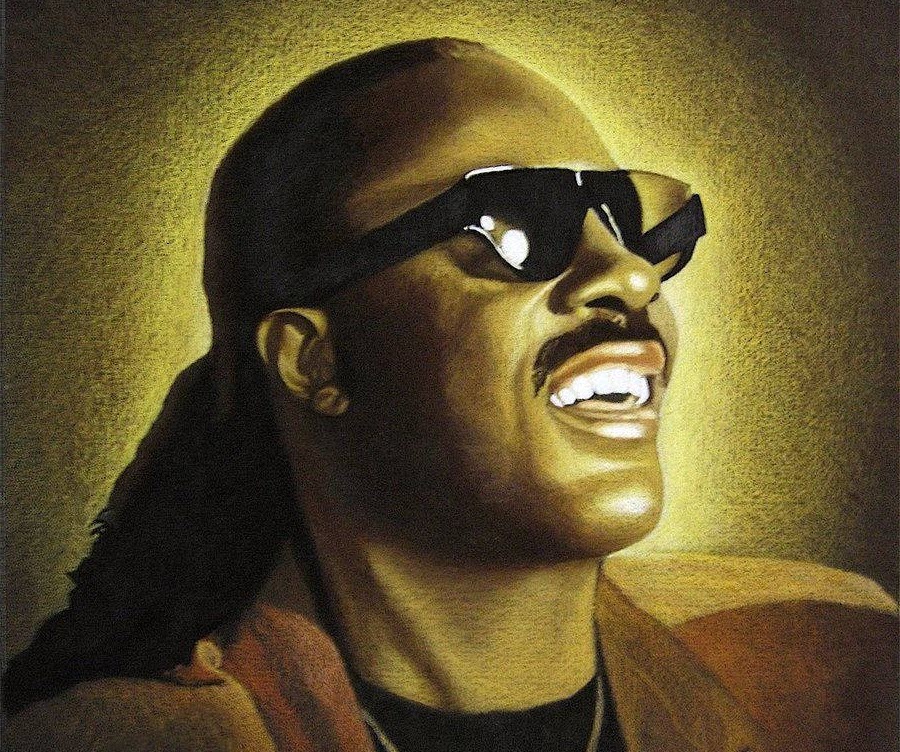
Few artists in music history have blended genius, soul, and innovation quite like Stevie Wonder. A prodigy who signed with Motown at just 11 years old, Wonder grew into one of the most influential and beloved musicians of all time. His songs transcend genres, generations, and borders—infusing funk, soul, pop, jazz, and social commentary into unforgettable melodies that continue to inspire listeners today. Whether he’s celebrating love, calling for justice, or simply crafting a groove that won’t quit, Stevie’s music is the heartbeat of a golden era and beyond.
In this article, we’re counting down the top 10 most popular Stevie Wonder songs of all time—not just based on chart positions, but on cultural impact, longevity, and the emotional connection they’ve sparked in millions. From timeless ballads to electrifying funk anthems, these tracks represent the very best of what Stevie has given the world. Each song is a snapshot of his unmatched talent and visionary artistry.
So whether you’re a lifelong fan or just discovering the magic of Stevie Wonder, get ready to groove, reflect, and fall in love all over again with these iconic hits. Let’s dive into the soundtrack of a legend’s legacy.
1. Superstition (1972)
Released in 1972 as the lead single from Talking Book, “Superstition” was a seismic moment in Stevie Wonder’s career—a defining blend of funk, grit, and visionary production. The iconic opening clavinet riff is instantly recognizable, a jagged, syncopated pulse that grabs hold and doesn’t let go. Written during a jam session with Jeff Beck, the song dives into the folly of irrational beliefs and old wives’ tales, delivering its message with both lyrical bite and irresistible groove. Wonder not only wrote the track but played nearly every instrument on the recording, crafting a layered, dynamic sound that was ahead of its time. It reached No. 1 on the Billboard Hot 100 and quickly became one of his signature songs. What makes “Superstition” truly timeless is its fusion of tight musicianship, social commentary, and Wonder’s impassioned vocal performance. The track’s cultural impact is massive—covered by countless artists and still a staple in pop culture. More than 50 years later, it sounds as fresh and fierce as ever. “Superstition” isn’t just one of Stevie Wonder’s best songs—it’s one of the greatest funk records ever made.
2. Isn’t She Lovely (1976)
“Isn’t She Lovely,” from the landmark album Songs in the Key of Life (1976), captures Stevie Wonder at his most joyful and sincere. Written to celebrate the birth of his daughter Aisha, the song feels like an open love letter—warm, proud, and deeply personal. Clocking in at over six minutes, it was never released as a commercial single in the U.S., yet it became a beloved classic through sheer emotional resonance. Wonder’s harmonica work is particularly radiant, dancing between verses with exuberance. Perhaps the most touching element is the inclusion of actual audio of baby Aisha cooing and crying in the background, grounding the track in real, tender fatherhood. Musically, it’s a sunny blend of R&B and pop, with a buoyant melody that matches the happiness in the lyrics. “Isn’t She Lovely” speaks to the universal awe of parenthood and new life while retaining an intimacy that feels uniquely Stevie. It’s a rare kind of song—both deeply personal and broadly relatable—and remains a favorite for families, weddings, and anyone moved by the miracle of birth and love.
3. I Just Called to Say I Love You (1984)
Released in 1984 as part of the soundtrack for The Woman in Red, “I Just Called to Say I Love You” became Stevie Wonder’s biggest commercial success—and also one of his most polarizing. Stripped of his usual complex arrangements and experimental edge, the track embraces simplicity: a straightforward message of affection delivered through easy-listening synth-pop. That simplicity, however, struck a chord worldwide. The song topped charts in over a dozen countries and earned Wonder both an Academy Award for Best Original Song and a Grammy. Its lyrical premise is basic but charming—declaring love just because, without a birthday or anniversary as a reason. While some critics dismissed it as overly sentimental, its sincerity is undeniable. There’s a reason it became a go-to ballad for romantic gestures across generations. The soft melody, gentle vocals, and clean production made it accessible, and its universal message helped it transcend genre or era. It may not be Wonder’s most complex work, but in terms of emotional reach and cultural staying power, “I Just Called to Say I Love You” is unforgettable.
4. Sir Duke (1977)
“Sir Duke,” released in 1977 on Songs in the Key of Life, is Stevie Wonder’s jubilant tribute to Duke Ellington and the giants of jazz who shaped American music. From the opening horn fanfare to its joyful groove, the song bursts with celebration. Wonder not only name-drops Ellington but also honors legends like Count Basie, Louis Armstrong, Ella Fitzgerald, and Glenn Miller, weaving their legacy into a tune that swings with gratitude. Musically, it’s a masterclass in fusion—melding funk, jazz, and pop into something that feels at once classic and fresh. The bright brass section and syncopated rhythm give the track its infectious bounce, while Wonder’s lyrics reflect a deep respect for the transformative power of music. “Sir Duke” was a commercial smash, hitting No. 1 on the Billboard Hot 100, and it helped introduce a new generation to jazz. But beyond that, it’s a song that reminds us how music connects generations, transcends boundaries, and lifts the spirit. Few tributes feel this alive. “Sir Duke” isn’t just about Ellington—it’s about the joy and inspiration that music itself brings to the world.
5. Signed, Sealed, Delivered (I’m Yours) (1970)
“Signed, Sealed, Delivered (I’m Yours)” arrived in 1970 and marked a significant turning point in Stevie Wonder’s artistic evolution. It was the first major hit he produced himself, signaling his move away from the Motown formula toward creative independence. The song is bursting with soul—anchored by a tight rhythm, gospel-infused backing vocals, and Stevie’s magnetic performance. With lyrics that mix regret and hope, Wonder delivers an irresistible plea for love and redemption, wrapped in a groove that’s impossible to ignore. The chorus is instantly memorable and has since become a musical shorthand for romantic commitment. From its punchy horn stabs to the raw urgency in Stevie’s voice, everything about the track exudes energy and conviction. It became a major hit, climbing to No. 3 on the Billboard Hot 100, and has remained a favorite ever since—frequently used in movies, political campaigns, and weddings. Covered by dozens of artists over the years, “Signed, Sealed, Delivered” is more than a classic soul tune—it’s a declaration of musical freedom, proof that Wonder was stepping confidently into a new era of innovation.
6. You Are the Sunshine of My Life (1973)
“You Are the Sunshine of My Life,” released in 1973 from the acclaimed Talking Book album, is one of Stevie Wonder’s most enduring love songs. Sweet, simple, and soulful, the track radiates affection and gratitude. Uniquely, the first few lines are sung not by Wonder but by backing vocalists Jim Gilstrap and Lani Groves—an unconventional move that adds a communal warmth before Wonder takes over with his tender delivery. The arrangement is understated but elegant, featuring smooth electric piano, light horns, and a laid-back rhythm that creates a cozy, intimate vibe. Lyrically, the song is a heartfelt expression of unwavering love and appreciation, the kind of sentiment that feels timeless. It reached No. 1 on the Billboard Hot 100 and earned Wonder a Grammy, cementing its place in the canon of great romantic ballads. Over the decades, it’s become a staple at weddings, anniversaries, and any moment meant to celebrate deep emotional connection. “You Are the Sunshine of My Life” is a perfect example of how Stevie Wonder could capture the profound in just a few tender lines and melodies.
7. Higher Ground (1973)
“Higher Ground,” from 1973’s Innervisions, is a spiritual and sonic powerhouse. Built on a relentless funk groove powered by a wah-wah clavinet and a hypnotic drum loop—both performed by Wonder—the song balances physical energy with philosophical depth. Written in a single day, it explores the idea of reincarnation and the human capacity for growth, rebirth, and awareness. “I’m so darn glad he let me try it again,” Wonder sings, evoking both personal resilience and a broader sense of second chances. The stripped-down arrangement gives the track a raw urgency that enhances its message. Though it reached No. 4 on the Billboard Hot 100, the song’s impact extends far beyond chart performance. It was later famously covered by the Red Hot Chili Peppers, bringing it to a new audience and reaffirming its staying power. In many ways, “Higher Ground” captures the soul of Innervisions—a fearless exploration of inner strength and social consciousness wrapped in irresistible funk. Decades later, its message remains as timely and powerful as ever: a call to keep pushing forward, no matter how high the climb.
8. For Once in My Life (1968)
“For Once in My Life” had been recorded by several Motown artists before Stevie Wonder transformed it into a joyous anthem of self-worth and newfound love. Released in 1968, his version turned the previously slow ballad into a vibrant, uptempo celebration. Wonder’s voice brims with confidence and delight, reflecting a narrator who’s finally found someone who believes in him. The bouncy horns, lively rhythm, and sparkling harmonica solo lift the song into exuberant territory, making it nearly impossible not to smile while listening. It was a major success, peaking at No. 2 on the Billboard Hot 100, and became a staple of Wonder’s live performances. More than just a love song, it marks an important step in his artistic maturity—showcasing his ability to reinterpret existing material with a fresh, soulful energy all his own. “For Once in My Life” endures because it captures a universal feeling: the joy of finally being seen and loved for who you truly are.
9. Living for the City (1973)
“Living for the City,” from the 1973 album Innervisions, stands as one of Stevie Wonder’s most powerful works of social commentary. Over seven minutes long, the track tells the harrowing story of a young Black man from Mississippi who moves to New York City seeking opportunity, only to be met with racism, exploitation, and injustice. Wonder’s storytelling is vivid and unflinching, enhanced by sound effects and voice acting—including a simulated arrest scene—that bring the narrative to life. Musically, the track fuses funk, soul, and synth-driven textures, with Wonder playing nearly every instrument. It earned him a Grammy and broke new ground in mainstream music by addressing systemic racism with such clarity and boldness. “Living for the City” isn’t just a song—it’s a cinematic experience and a call to awareness. Even decades later, it remains hauntingly relevant, a reminder of music’s power to bear witness, provoke thought, and spark change. Few songs have combined art and activism with such impact.
10. My Cherie Amour (1969)
“My Cherie Amour,” released in 1969, is Stevie Wonder at his most romantic and refined. Originally recorded in 1967 but shelved for two years, the track finally saw release and quickly became one of his signature ballads. With its elegant orchestration, soft harmonies, and French-inflected title, the song paints a vivid portrait of unrequited love. Wonder’s vocal performance is tender and dreamy, gliding effortlessly over the lush arrangement. The lyrics are simple but evocative, expressing admiration from afar with grace and longing. It peaked at No. 4 on the Billboard Hot 100 and remains one of the most beloved songs in his catalog. “My Cherie Amour” showcases Wonder’s gift for melody and emotional subtlety. Long before the funk experimentation of the ’70s, this song hinted at the depth and sophistication he would soon explore. Its charm lies in its restraint—there’s no need for theatrics when the sentiment is this genuine. Even today, it resonates as one of pop’s most graceful expressions of love and yearning.

Samuel Moore is a frequent contributor to Singers Room. Since 2005, Singersroom has been the voice of R&B around the world. Connect with us via social media below.









