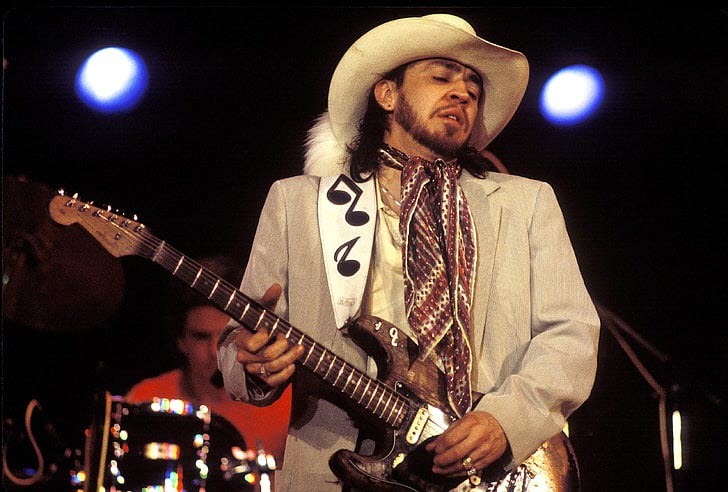
Stevie Ray Vaughan, a name synonymous with the soul of Texas blues, revolutionized the music scene with his electrifying guitar work and heartfelt vocals. Emerging from the vibrant Austin music scene in the early 1980s, Vaughan’s unique blend of rock, blues, and soul captivated audiences and left an indelible mark on generations of musicians. His raw energy and emotional depth shone through in every performance, earning him a dedicated following and multiple Grammy Awards.
In this article, we delve into the top 10 most popular Stevie Ray Vaughan songs of all time, exploring the tracks that not only defined his career but also influenced countless artists worldwide. From the blistering riffs of “Pride and Joy” to the poignant storytelling in “Texas Flood,” each song showcases Vaughan’s unparalleled talent and his ability to connect with listeners on a profound level. Whether you’re a lifelong fan or a newcomer to his music, this journey through his most iconic tracks promises to ignite your passion for the blues and celebrate the legacy of one of music’s greatest guitarists. Get ready to rediscover the magic of Stevie Ray Vaughan!
1. Pride and Joy (1983)
“Pride and Joy” is often considered the ultimate Stevie Ray Vaughan anthem—a joyful explosion of blues energy and unmatched guitar mastery. Released in 1983 on the legendary *Texas Flood* album, this song captures everything that made Vaughan a standout in the blues-rock scene. With a driving shuffle rhythm, bright and punchy guitar licks, and vocals full of grit and soul, “Pride and Joy” feels both timeless and immediate. Vaughan wrote the song as a love letter to a girlfriend at the time, and you can hear that affection in every note. His Stratocaster sings as much as he does, filling the track with melodic twists and emotional inflection. The interplay between voice and guitar creates a spirited dialogue, making each listen feel like a fresh discovery. As one of his most recognizable tracks, it quickly became a cornerstone of his live shows and helped launch Vaughan’s career into blues stardom. It’s a vibrant, feel-good song that wears its heart on its sleeve and reminds us why Stevie Ray Vaughan is remembered not just as a technical wizard, but as a passionate performer with soul in every note.
2. Texas Flood (1983)
“Texas Flood” is a masterclass in blues expression, and it’s one of the most iconic tracks Stevie Ray Vaughan ever recorded. Released in 1983 as the title track of his debut album, this slow-burning blues number is filled with raw emotion and dazzling guitar work. The song isn’t just about heavy rain—it’s a metaphor for emotional turmoil, heartache, and the feeling of being overwhelmed by life’s storms. Vaughan’s voice aches with pain and longing, while his guitar speaks volumes, often saying more than words ever could. With drawn-out bends, soulful vibrato, and searing solos, he channels the spirits of blues greats like Albert King and Buddy Guy, but with a Texas grit that’s uniquely his own. The spaciousness of the song allows every note to breathe and every nuance to shine. It’s a deeply personal track that speaks universally to anyone who’s ever been through hard times. As a statement piece on his debut, “Texas Flood” wasn’t just a song—it was a declaration that the blues was alive and well, and Stevie Ray Vaughan was leading the charge with soul, fire, and unmatched authenticity.
3. Cold Shot (1984)
“Cold Shot,” from the 1984 album *Couldn’t Stand the Weather*, is a brilliant fusion of blues, funk, and Stevie Ray Vaughan’s signature swagger. The song instantly hooks you with its funky groove and infectious rhythm, offering a more playful and lighthearted side of Vaughan’s music. Lyrically, it’s about a love gone cold, and he delivers the lines with just the right mix of humor and resignation. The groove is built around a tight, chugging riff that invites movement, and Vaughan’s tone is both gritty and smooth—a perfect balance that mirrors the song’s emotional undercurrent. His guitar playing here isn’t flashy for the sake of it; instead, it serves the groove and enhances the storytelling. The backing band, Double Trouble, shines with a locked-in rhythm section that gives Vaughan the perfect foundation to strut his stuff. “Cold Shot” was a commercial success, earning significant radio play and helping to broaden Vaughan’s appeal beyond hardcore blues fans. It’s a perfect example of his versatility, proving he could groove just as well as he could wail. The result is a song that’s fun, relatable, and endlessly replayable.
4. Voodoo Child (Slight Return) (1984)
Stevie Ray Vaughan’s cover of “Voodoo Child (Slight Return)” is a fiery tribute to the legendary Jimi Hendrix—and a bold statement of Vaughan’s own guitar prowess. Included on the 1984 album *Couldn’t Stand the Weather*, this electrifying rendition doesn’t aim to simply imitate Hendrix’s original. Instead, Vaughan puts his own Texas blues spin on it, turning up the intensity with sharper tones, heavier rhythms, and blistering solos. From the opening wah-drenched notes to the explosive finale, Vaughan commands the song like a storm, never losing control even in its wildest moments. His confidence and clarity elevate the track into something more than just a cover—it becomes a celebration of rock and blues guitar mastery. Vaughan channels Hendrix’s spirit while allowing his own voice to shine through, particularly in the way he bends notes with soul and purpose. Every solo feels spontaneous yet precise, filled with emotion and technical brilliance. “Voodoo Child” has since become a staple in Vaughan’s catalog, revered for its raw power and fearless energy. It’s a thunderous reminder that while Hendrix may have lit the path, Vaughan was more than capable of blazing a trail of his own.
5. Scuttle Buttin’ (1984)
“Scuttle Buttin’” is a jaw-dropping instrumental that clocks in at just under two minutes, but in that short time, Stevie Ray Vaughan delivers an absolute masterclass in speed, precision, and flair. Released on the 1984 album *Couldn’t Stand the Weather*, this track wastes no time—it launches straight into a whirlwind of furious guitar picking that leaves listeners stunned. There are no lyrics, no pauses, just pure, unfiltered energy. Vaughan’s fingers fly across the fretboard with lightning speed, his tone sharp and clean, proving that he didn’t need vocals to make a powerful statement. What makes “Scuttle Buttin’” so thrilling is how it balances technical prowess with a strong sense of groove. It’s not just fast—it swings. Behind Vaughan, Double Trouble locks in with tight rhythm support, allowing his Stratocaster to shine front and center. The song became a highlight of his live performances, often used to get the crowd fired up and showcase his raw talent. For guitarists, it’s a benchmark of difficulty and style. For fans, it’s an exhilarating rush that never gets old. “Scuttle Buttin’” is a high-octane reminder of why Stevie Ray Vaughan remains one of the most revered guitarists in music history.
6. Crossfire (1989)
“Crossfire,” released in 1989 as part of the *In Step* album, finds Stevie Ray Vaughan at the top of his game—more mature, more refined, and deeply connected to the message of his music. The track kicks off with a tight, funky groove that immediately hooks the listener. It’s bold, rhythmic, and brimming with tension, perfectly mirroring the song’s lyrical themes of pressure and conflict. Vaughan’s vocals are commanding, with a newfound clarity and strength that reflect his personal growth after overcoming addiction. Lyrically, “Crossfire” speaks to the feeling of being caught in life’s struggles, whether internal or external—a universal experience delivered with honesty and grit. His guitar playing is fierce and purposeful, filled with stinging solos and expressive phrasing that echo the lyrics’ intensity. The band is locked in, particularly bassist Tommy Shannon, whose punchy lines drive the track forward. “Crossfire” marked a turning point for Vaughan, showing that he could blend deep blues roots with more contemporary sounds and socially conscious lyrics. It remains one of his most compelling songs, not only for its musical muscle but also for the emotional and spiritual resolve behind it. A standout track that speaks to triumph through turmoil.
7. The House Is Rockin’ (1989)
“The House Is Rockin’” is Stevie Ray Vaughan at his most joyous and uninhibited. Released in 1989 on *In Step*, this track is a pure blast of rock ’n’ roll energy, infused with the swagger of Texas blues. From the very first riff, the song charges forward with unstoppable momentum, inviting listeners to let loose and have a good time. It’s short, punchy, and incredibly catchy—everything a feel-good party anthem should be. Vaughan’s vocals are full of life, and his guitar work is bright and energetic, complementing the celebratory mood. The lyrics are simple and to the point: the music’s loud, the people are dancing, and the night is alive. Yet, behind the good-time vibes, there’s a deeper context. Coming after Vaughan’s recovery from addiction, “The House Is Rockin’” reflects a newfound vitality and zest for life. It’s a declaration of survival as much as a celebration. The song became a staple of his live shows, guaranteed to get the crowd moving. With its rockabilly bounce and bluesy grit, it’s a reminder that music can be both healing and exhilarating. When Stevie says the house is rockin’, you believe it—and you want to be there.
8. Life by the Drop (1991)
“Life by the Drop,” released in 1991 on the posthumous album *The Sky Is Crying*, is one of the most emotionally resonant songs in Stevie Ray Vaughan’s catalog. Unlike much of his electrified blues work, this track is entirely acoustic—no soaring solos, no amplifier distortion, just a simple, heartfelt performance. Written by his friend Doyle Bramhall, the song reflects on friendship, sobriety, and the fragile beauty of life. Vaughan’s voice carries a warmth and vulnerability that feels incredibly intimate, as if he’s speaking directly to the listener. You can sense the years of struggle and redemption in every line, especially when he sings about walking away from the pain and choosing a new path. The stripped-down nature of the track allows his sincerity to shine, turning it into a powerful statement of hope and reflection. It’s especially poignant knowing it was recorded not long before his untimely death, making it feel like a parting message. “Life by the Drop” isn’t just a song—it’s a quiet, powerful meditation on what it means to live with intention. A reminder to cherish each moment, it stands as one of Vaughan’s most touching and timeless works.
9. Lenny (1983)
“Lenny,” the closing track on *Texas Flood* (1983), reveals the tender and poetic side of Stevie Ray Vaughan. Named after his wife at the time, Lenora, the instrumental piece is a deeply personal love letter expressed entirely through guitar. Slow, dreamy, and lush with emotion, “Lenny” is one of Vaughan’s most intimate compositions. Unlike the fiery solos and aggressive licks he’s known for, this song is built on subtle phrasing, delicate bends, and a melodic softness that captures a sense of calm reflection. Every note seems carefully chosen, not to impress, but to express. It’s a sonic portrait of love—serene, fragile, and beautiful. The clean, shimmering guitar tone and use of jazz-influenced chords add to the song’s rich, romantic atmosphere. “Lenny” often served as a closing number in Vaughan’s live sets, giving fans a chance to witness his emotional depth as a musician. It proves that power doesn’t always come from volume or speed—sometimes, it’s in the quiet moments that an artist speaks the loudest. “Lenny” stands as one of Vaughan’s most elegant and heartfelt compositions, reminding us of the emotional storytelling that can happen without a single word.
10. Wall of Denial (1990)
“Wall of Denial,” released on the 1990 album *In Step*, is one of Stevie Ray Vaughan’s most profound and spiritually charged songs. At its core, it’s a soul-searching anthem about facing one’s demons, breaking through personal barriers, and seeking redemption. The lyrics deal openly with denial and addiction—topics Vaughan knew intimately—and offer a message of hope, responsibility, and renewal. Musically, the song is driven by a heavy, brooding riff that underlines the weight of its subject matter. Vaughan’s guitar tone is thick and gritty, punctuated by sharp solos that cut through like bolts of realization. His vocals are fierce and impassioned, as if he’s not just singing the song but living it out loud. This is Vaughan in a new light—not just the blues hero, but a man who has wrestled with darkness and come out stronger. “Wall of Denial” is a standout on *In Step*, a record that marked his full recovery and creative resurgence. It’s more than just a blues-rock track—it’s a testimony, a warning, and a declaration of change. In confronting his past, Vaughan gave us one of his most inspiring and enduring works, filled with truth and fearless honesty.

Edward Tomlin is a frequent contributor to Singers Room. Since 2005, Singersroom has been the voice of R&B around the world. Connect with us via social media below.









