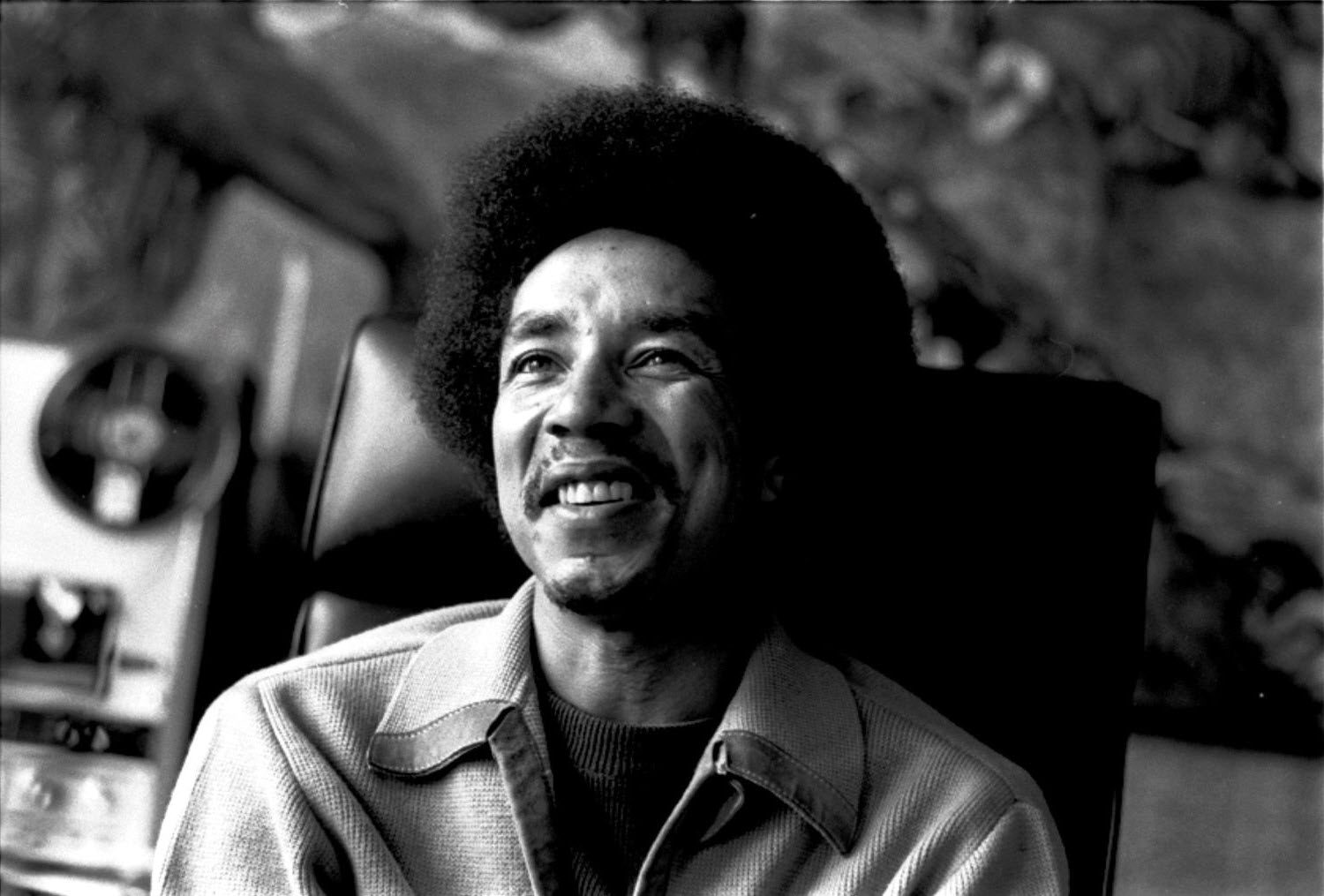
When you talk about the smooth, poetic heartbeat of Motown, one name rises above the rest—Smokey Robinson. With a voice as silky as satin and lyrics that speak directly to the soul, Smokey has been serenading the world for over six decades. Whether as the frontman of The Miracles or a solo sensation, his music has become the soundtrack of love, heartbreak, and everything in between.
From tender ballads to toe-tapping chart-toppers, Smokey’s songs have stood the test of time, cementing his legacy as one of the greatest songwriters and vocalists in music history. He didn’t just help shape the sound of a generation—he defined it. His words painted vivid pictures, his melodies wrapped around our hearts, and his performances left us breathless.
In this article, we’re counting down the Top 10 Most Popular Smokey Robinson Songs of All Time—the timeless classics that still echo through speakers, decades after their release. Whether you’re a lifelong fan or just discovering his magic, get ready to groove, swoon, and sing along to the unforgettable hits that made Smokey Robinson a living legend. Let the music begin! 🎤✨
1. “The Tracks of My Tears” – The Miracles (1965)
Released in 1965, “The Tracks of My Tears” is a shining example of Smokey Robinson’s unparalleled gift for emotional storytelling. From the very first notes of Marv Tarplin’s plaintive guitar riff, the song wraps you in a bittersweet melancholy that’s impossible to shake. Smokey’s voice, delicate yet full of ache, gives life to the story of a man who smiles in public but cries when no one’s looking. It’s a haunting portrayal of heartache, one that resonated deeply with listeners across generations. What makes it especially powerful is the contrast between its polished Motown sound and its raw emotional undercurrent. The Miracles provide lush, soulful harmonies, creating a layered backdrop that heightens the sadness at the core of the lyrics. The song became one of Motown’s most revered ballads, earning a spot in the Grammy Hall of Fame and a permanent place on Rolling Stone’s list of the 500 Greatest Songs of All Time. “The Tracks of My Tears” remains timeless, a masterclass in how to express deep sorrow with elegance and restraint. Few songs have captured emotional vulnerability so poignantly—and even fewer have done it with such beauty.
2. “Cruisin’” – Smokey Robinson (1979)
“Cruisin’,” released in 1979, marked a stunning reinvention for Smokey Robinson as he stepped into his solo spotlight with a sultry, laid-back groove that would come to define the quiet storm genre. The song is all about slowing down and savoring love—literally and figuratively—as Smokey sings about taking a leisurely drive with the one you adore. His falsetto is intoxicating, gliding effortlessly over soft keyboard textures, whispery guitar lines, and a silky rhythm that oozes intimacy. It’s a mood more than a melody, the kind of song that plays in the background of candlelit evenings and late-night conversations. Lyrically simple but emotionally resonant, “Cruisin’” captures the sensual side of romance without ever being explicit. The song reached No. 4 on the Billboard Hot 100, becoming one of Smokey’s biggest solo hits and reintroducing him to a younger generation. It’s also become a favorite for duets and covers, a testament to its enduring appeal. With “Cruisin’,” Smokey didn’t just update his sound—he expanded it, proving his voice and artistry were as vital in the late ’70s as they were during Motown’s heyday.
3. “The Tears of a Clown” – Smokey Robinson & The Miracles (1970)
Released as a single in 1970, though recorded back in 1967, “The Tears of a Clown” became a surprise chart-topping hit that brilliantly showcases Smokey Robinson’s lyrical depth and emotional nuance. Co-written with Stevie Wonder and Hank Cosby, the song cleverly contrasts its upbeat, carnival-like melody with lyrics full of sadness and self-deception. The juxtaposition is striking—a whimsical arrangement full of horns and whimsy paired with a soul-baring narrative about hiding heartbreak behind a smiling facade. Smokey’s metaphor of the sad clown resonates with anyone who’s ever pretended to be okay when they weren’t. His vocals dance across the melody with a mix of charm and pain that feels both theatrical and deeply human. The song shot to No. 1 in both the U.S. and U.K., becoming one of The Miracles’ most iconic tracks and a high point just before Smokey left the group. “The Tears of a Clown” remains one of Motown’s most sophisticated and emotionally complex hits—a song that entertains on the surface but leaves a lasting impact with its layers of meaning beneath the glitter.
4. “Shop Around” – The Miracles (1960)
“Shop Around” wasn’t just a song—it was a cultural milestone. Released in 1960, it became Motown’s first million-selling single and firmly established Smokey Robinson and The Miracles as rising stars. The song opens with a catchy piano riff and moves quickly into a clever, infectious tune packed with advice and wit. Smokey, with his smooth yet assertive delivery, sings from the perspective of a concerned mother telling her son to explore his options in love before settling down. It’s a humorous twist on dating advice, made even more memorable by its danceable beat and doo-wop harmonies. Berry Gordy, sensing the song’s potential, reworked the original version to give it more punch and commercial appeal—an instinct that paid off when it climbed to No. 2 on the Billboard Hot 100. More than just a hit, “Shop Around” signaled the arrival of the Motown sound: polished but rooted in soul, sophisticated yet universally relatable. It launched not only The Miracles’ career into overdrive but also set the blueprint for the label’s future success. This track is where it all began.
5. “Being with You” – Smokey Robinson (1981)
Released in 1981, “Being with You” was a career-defining solo hit for Smokey Robinson, proving he could still craft a chart-topper well beyond his Motown group days. The song is a lush, romantic ballad built around a simple yet powerful message: love matters more than anyone’s approval. With heartfelt lyrics about standing by someone despite outside disapproval, Smokey captured the defiant tenderness of real love. His warm, expressive voice delivers every line with conviction, floating effortlessly over a soft, synth-driven arrangement that reflects the musical aesthetics of the early ’80s without overpowering his vocals. Written solely by Smokey, the song reached No. 2 on the Billboard Hot 100 and climbed to the top of the UK charts, showing his global appeal hadn’t waned. Its smooth production and universal theme made it a radio favorite and a staple at weddings and romantic moments for years. “Being with You” is a prime example of Smokey’s enduring artistry—proof that his ability to connect emotionally through song never aged, even as musical trends shifted. It’s a testament to love, loyalty, and the timeless charm of a great melody.
6. “I Second That Emotion” – Smokey Robinson & The Miracles (1967)
“I Second That Emotion,” released in 1967, is one of Smokey Robinson’s most playful and clever songs—full of charm, wit, and irresistible groove. The title itself was born from a casual slip during a shopping trip, where Smokey’s friend said “I second that emotion” instead of “motion.” That offhand remark sparked lyrical gold. Set to a toe-tapping beat and layered with sunny harmonies, the song captures a flirtatious back-and-forth, with Smokey’s silky vocals delivering lines that are both romantic and teasing. The blend of pop and soul is signature Motown—catchy, polished, and full of heart. Backed by The Miracles’ rich harmonies, the track walks the line between earnest and tongue-in-cheek, making it endlessly replayable. It became a major hit, peaking at No. 4 on the Billboard Hot 100 and topping the R&B charts, solidifying The Miracles’ position as crossover stars. “I Second That Emotion” stands as one of those rare songs that feels light and breezy on the surface but reveals craftsmanship and lyrical smarts upon closer listen. It’s vintage Smokey—clever, smooth, and irresistibly soulful.
7. “You’ve Really Got a Hold on Me” – The Miracles (1962)
With “You’ve Really Got a Hold on Me,” released in 1962, Smokey Robinson delivered one of Motown’s earliest and most emotionally rich hits. The song captures the inner conflict of loving someone who causes pain—a sentiment that resonates with anyone who’s struggled in a complicated relationship. Smokey’s vocals ache with sincerity as he sings lines like, “I don’t like you, but I love you,” revealing the kind of emotional contradiction that few pop songs had explored at the time. The gospel-inspired harmonies of The Miracles give the track a powerful, soulful undertone, enhancing its raw emotional pull. It became a breakthrough moment for the group, reaching No. 8 on the Billboard Hot 100 and becoming a blueprint for countless soul ballads to follow. The Beatles’ decision to cover the song a year later was a testament to its influence and universal appeal. “You’ve Really Got a Hold on Me” is more than a love song—it’s a confession, a cry for help, and a moment of truth all wrapped in one. Its emotional honesty and elegant simplicity remain timeless.
8. “Ooo Baby Baby” – The Miracles (1965)
Released in 1965, “Ooo Baby Baby” is the very definition of a soul ballad—delicate, heartfelt, and achingly beautiful. Smokey Robinson’s falsetto has rarely sounded more vulnerable than it does here, as he pours every ounce of emotion into a song about regret and the plea for forgiveness. The lyrics are sparse but powerful: “I did you wrong, my heart went out to play,” he confesses with devastating honesty. Backed by the tender harmonies of The Miracles and an understated arrangement featuring gentle strings and soft percussion, the focus remains on the raw emotional core of the performance. The song only reached No. 16 on the Billboard Hot 100, but its legacy far exceeds its chart placement. It’s been covered by legends like Linda Ronstadt and Ella Fitzgerald, and continues to move listeners decades later. “Ooo Baby Baby” is often hailed as one of the greatest love songs ever recorded—a slow, mournful masterpiece that showcases the quiet power of Smokey’s voice and the emotional resonance of simplicity done right.
9. “Baby, Baby Don’t Cry” – Smokey Robinson & The Miracles (1968)
“Baby, Baby Don’t Cry,” released in 1968, is one of those Motown tracks that soothes as much as it stirs. It starts softly, with a lullaby-like calm, before gradually building into a sweeping, emotional arrangement filled with strings, backing vocals, and Smokey Robinson’s reassuring voice at the center. This is Smokey at his most nurturing, gently coaxing a heartbroken lover through tears with words of comfort and loyalty. The emotional depth of the lyrics is matched by the rich instrumentation that never overpowers the message. The song reached No. 8 on the Billboard Hot 100, proving that The Miracles still had the power to move audiences as the decade came to a close. “Baby, Baby Don’t Cry” is a quintessential late ’60s soul record—elegantly arranged, emotionally generous, and lyrically heartfelt. It shows Smokey’s ability to not only express his own emotions but to offer solace through song. More than just a hit, it’s a musical embrace.
10. “Quiet Storm” – Smokey Robinson (1975)
When Smokey Robinson released “Quiet Storm” in 1975, he didn’t just put out another soulful ballad—he unknowingly coined a new genre. The title track from his third solo album, “Quiet Storm” became the blueprint for a smoother, softer kind of R&B that would come to dominate late-night radio for decades. With its gentle jazz inflections, slow-burning groove, and hushed, intimate vocals, the song feels like a whispered conversation between lovers. Lyrically, it’s a poetic ode to love as a calming force, a storm not of chaos but of quiet passion. The arrangement is minimalist but lush, letting Smokey’s voice drift like smoke through the melody. While it didn’t top the charts, the track’s influence was massive—spawning an entire radio format that catered to mature, romantic soul music. “Quiet Storm” is more than a song; it’s a vibe, a feeling, a mood that transcends time. It showcases Smokey at his most refined and introspective, and solidified his legacy not just as a hitmaker, but as a visionary capable of reshaping the sound of R&B.

Samuel Moore is a frequent contributor to Singers Room. Since 2005, Singersroom has been the voice of R&B around the world. Connect with us via social media below.









