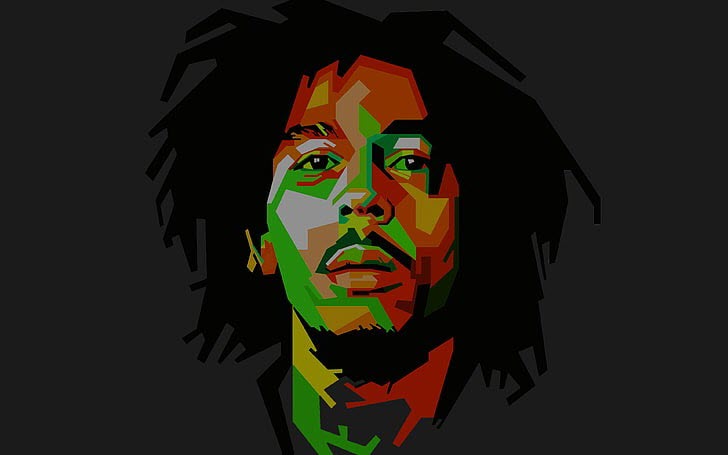
Reggae is more than just music — it’s a heartbeat, a movement, and a message. Born from the streets of Kingston, Jamaica, this genre has transcended borders to become a global force of unity, resistance, and joy. From sun-soaked beaches to city streets, reggae’s hypnotic rhythms and soulful lyrics have inspired generations with their messages of love, justice, and freedom. Whether it’s the spiritual echoes of Rastafari, the call to social consciousness, or simply the irresistible groove that gets your feet moving — reggae speaks to the soul in a language of truth.
In this article, we’re diving into the Top 15 Most Popular Reggae Songs of All Time — timeless tracks that have defined a genre and shaped music history. These are the anthems that made the world fall in love with reggae, from the revolutionary voice of Bob Marley to the dancehall vibes of Inner Circle and the smooth serenades of Gregory Isaacs. Each song on this list carries its own story, rhythm, and reason for greatness. So turn up the volume, feel the bassline, and let the spirit of reggae take over — because this is a journey through the very best reggae has to offer.
1. “One Love / People Get Ready” – Bob Marley & The Wailers (1977)
Few songs embody the spirit of unity and hope quite like Bob Marley’s “One Love / People Get Ready.” Released in 1977 on the Exodus album, this track isn’t just a song—it’s a spiritual invocation. Marley weaves his own original lyrics with lines borrowed from Curtis Mayfield’s “People Get Ready,” creating a fusion that feels both prophetic and profoundly uplifting. The message is simple but powerful: in a divided world, love and togetherness are the only true answers. With its smooth, bouncing rhythm and warm harmonies, the song delivers a peaceful, joyful groove that belies its deeper political and spiritual message. Marley sings not just of love, but of justice—inviting the righteous to take their place and the world to come together as one. “One Love” has since become a global anthem, embraced in political campaigns, humanitarian efforts, and everyday life as a symbol of peace. It’s a song that transcends genres and borders, offering reassurance that love, in its truest form, can heal. More than four decades later, it still feels as fresh and necessary as ever.
2. “No Woman, No Cry (Live)” – Bob Marley & The Wailers (1975)
While the original studio version of “No Woman, No Cry” from 1974 introduced listeners to its emotional depth, it was the hauntingly soulful live recording from the Lyceum Theatre in London—released in 1975—that made it immortal. This version, captured on the Live! album, strips the song down to its emotional essence. Bob Marley’s performance is raw, tender, and brimming with empathy. The song is a comforting tribute to perseverance, offering solace in the face of poverty, hardship, and loss. Its lyrics take us to Trench Town, where Marley reflects on the struggles of everyday life while assuring a woman—and, by extension, the world—that brighter days are coming. The audience’s participation, the warmth of the organ, and Marley’s heartfelt delivery all combine to create a truly transcendent moment. This live version helped solidify Marley’s image as a voice for the voiceless, a poet of the people. “No Woman, No Cry” isn’t just a song—it’s a balm for the soul, a timeless lullaby for anyone who’s ever faced adversity and needed a reminder that they’re not alone.
3. “Red Red Wine” – UB40 (1983)
UB40’s 1983 cover of “Red Red Wine” transformed a relatively obscure Neil Diamond ballad into a global reggae-pop sensation. With their signature blend of smooth grooves, syncopated rhythms, and Astro’s distinctive toasting in the extended version, UB40 injected a laid-back, tropical flair into the song that made it instantly memorable. At its core, “Red Red Wine” is a heartbreak anthem—an ode to numbing pain through drink—but UB40’s interpretation gave it a breezier, more romantic feel. Their version charted in the UK and later became a surprise hit in the U.S., topping the Billboard Hot 100 in 1988. What makes it stand out is how seamlessly the band blended pop sensibilities with reggae roots, bringing Jamaican-inspired rhythms to mainstream audiences worldwide. It’s catchy, smooth, and endlessly replayable—just melancholic enough to tug at the heart, yet mellow enough to soundtrack a summer sunset. “Red Red Wine” is a testament to UB40’s ability to reinterpret and breathe new life into classic material while keeping reggae’s spirit at the center of their sound.
4. “Three Little Birds” – Bob Marley & The Wailers (1977)
Few songs capture serenity as effortlessly as “Three Little Birds.” Released in 1977 as part of Bob Marley’s iconic Exodus album, the track radiates joy and comfort through its simple, optimistic lyrics and bright melody. Inspired by the birds that frequently visited Marley’s windowsill in Jamaica, the song distills the reggae legend’s philosophy into one uplifting chorus: “Don’t worry about a thing, ’cause every little thing gonna be all right.” It’s a musical hug—a reminder to breathe, to trust the process, and to let go of worry. With its playful guitar line, easy tempo, and Marley’s reassuring voice, “Three Little Birds” became one of his most beloved songs and a universal anthem for calm in the face of chaos. Unlike Marley’s more politically charged work, this song leans into personal reassurance, reminding listeners that even in uncertain times, peace is possible. It’s a timeless track that has comforted generations and continues to be a go-to anthem for anyone needing a little light in the dark.
5. “I Shot the Sheriff” – Bob Marley & The Wailers (1973)
Released in 1973 on the Burnin’ album, “I Shot the Sheriff” stands as one of Bob Marley’s most provocative and poetic works. The song tells the story of a man accused of a crime he insists he didn’t commit—or at least, not entirely. He confesses to shooting the sheriff, but denies killing the deputy, leaving listeners with a trail of ambiguity that opens up layers of social commentary. Marley’s lyrics hint at institutional oppression, injustice, and the struggle of the individual against a corrupt system. While Eric Clapton’s 1974 cover popularized the song among rock audiences, it’s Marley’s original that carries the true weight and rhythm of resistance. With its steady beat, pointed delivery, and subtly rebellious tone, “I Shot the Sheriff” blurs the lines between personal narrative and political allegory. It’s a masterclass in storytelling and a bold example of reggae’s capacity to speak truth to power. Even today, it prompts listeners to question authority and consider the deeper implications behind justice and who gets to define it.
6. “Sweat (A La La La La Long)” – Inner Circle (1992)
When Inner Circle released “Sweat (A La La La La Long)” in 1992, they delivered one of the most infectious reggae-pop crossovers of the decade. With its cheeky lyrics, smooth groove, and irresistible chorus, the song quickly became a global summer hit. The track’s playful flirtation, combined with Caribbean rhythms and a singalong-friendly hook, made it a favorite at parties, on the radio, and across MTV. While it leans more toward pop than traditional roots reggae, “Sweat” opened the genre up to a wider audience and helped keep reggae relevant in the early ’90s music scene. Inner Circle, known as the “Bad Boys of Reggae,” perfectly balanced fun and musicality in this track, ensuring that it resonated far beyond Jamaica. Despite its lighthearted tone, the song showcases the genre’s capacity to adapt and evolve without losing its infectious spirit. “Sweat” remains a nostalgic anthem of carefree joy—fun, flirty, and impossible to forget.
7. “Bad Boys” – Inner Circle (1987)
Before it was immortalized as the theme song for COPS, “Bad Boys” was already a standout reggae anthem by Inner Circle. Released in 1987, the song combines a hauntingly hypnotic rhythm with hard-hitting lyrics about consequences and street justice. The refrain—“Whatcha gonna do when they come for you?”—became iconic, but there’s more depth here than the pop culture reference might suggest. The track critiques criminal behavior while also touching on the societal pressures that can lead people down that path. Inner Circle’s gritty delivery and powerful vocal performance give the song urgency and edge, setting it apart from more laid-back reggae tracks of the time. “Bad Boys” is less about glorifying rebellion and more about examining it, wrapped in a dark, catchy rhythm that sticks with you. It’s a rare blend of entertainment and social commentary that helped reggae music reach new ears, particularly in the United States. Even decades later, its refrain echoes in pop culture and continues to spark conversations about law, justice, and personal responsibility.
8. “Israelites” – Desmond Dekker (1968)
When Desmond Dekker released “Israelites” in 1968, he didn’t just score a hit—he made history. This groundbreaking single became the first reggae song to reach number one on the UK Singles Chart, marking the genre’s first true international breakthrough. With its upbeat ska rhythm and gritty lyrics, “Israelites” painted a vivid portrait of working-class hardship in Jamaica. Dekker’s voice, high-pitched and filled with urgency, sings in thick Jamaican patois about unemployment, poverty, and family struggles. Though many international listeners couldn’t decipher every word, the emotion behind them was unmistakable. What really set “Israelites” apart was its authenticity—it wasn’t polished for foreign ears, but that’s exactly why it resonated. It brought the realities of Jamaican life into the global spotlight and paved the way for the reggae explosion that would follow in the 1970s. The song’s influence can’t be overstated: it proved that reggae could transcend borders, both musically and culturally. Today, “Israelites” still stands as a testament to reggae’s raw storytelling power and Desmond Dekker’s pioneering spirit.
9. “Buffalo Soldier” – Bob Marley & The Wailers (1983)
“Buffalo Soldier,” released posthumously in 1983 on Confrontation, is one of Bob Marley’s most powerful historical commentaries disguised as a catchy reggae anthem. Drawing inspiration from the African American cavalry soldiers who served in the U.S. Army after the Civil War, Marley uses the story as a metaphor for Black resilience and the fight against oppression. With the unforgettable “woy yoy yoy” refrain, the song pairs its educational narrative with an infectious rhythm that makes you want to dance—even as you’re digesting its deeper meaning. Marley sings of displacement, forced migration, and resistance, crafting a tune that’s as enlightening as it is entertaining. It’s a masterclass in message-driven music, where history becomes poetry, and groove becomes protest. More than just a tribute, “Buffalo Soldier” is a reminder of the global Black struggle, and Marley’s way of connecting past injustices with present-day identity. Its upbeat tone contrasts its heavy subject matter, making it both a celebration of survival and a lament for what was lost. The song continues to resonate today, teaching new generations about strength, heritage, and the enduring legacy of those who came before.
10. “Jammin’” – Bob Marley & The Wailers (1977)
“Jammin’,” released in 1977 on the Exodus album, is more than just a dance track—it’s a rhythmic celebration of unity, resistance, and the power of music. From the first infectious groove, the song pulls you into its world of joy and freedom. On the surface, it feels like a party: laid-back rhythms, vibrant instrumentation, and an irresistibly singable chorus. But as with much of Marley’s work, there’s deeper meaning layered beneath. The line “No bullet can stop us now” turns this jam session into a political statement, underscoring the resilience of a people who refuse to be silenced. Marley invites listeners not only to dance but to stand tall, to be joyful even in the face of adversity. The song became one of Marley’s most enduring hits and remains a staple at reggae festivals and gatherings worldwide. “Jammin’” blends carefree vibes with a quiet strength, proving that celebration itself can be a form of resistance. Whether you hear it as a protest song, a love song, or simply a great tune to move to, “Jammin’” continues to connect people across cultures, generations, and struggles.
11. “Could You Be Loved” – Bob Marley & The Wailers (1980)
Released in 1980 on the Uprising album, “Could You Be Loved” showcases Bob Marley at his most accessible and universal. With its smooth blend of reggae, disco, and funk, the track was a crossover hit that managed to hold onto Marley’s soulful roots while appealing to a wide global audience. The upbeat tempo, punctuated by tight guitar licks and slick backing vocals, masks a deeper message about love, self-worth, and authenticity. Marley questions whether we can truly accept love without compromising our integrity or giving in to societal expectations. It’s a call to love oneself and others genuinely, free from judgment or conformity. The chorus is catchy and inviting, but the verses carry a subtle warning: “Don’t let them fool ya, or even try to school ya.” That duality—lighthearted rhythm with a serious undercurrent—is part of what makes this song so powerful. “Could You Be Loved” isn’t just a pop-friendly reggae tune; it’s a reflection of Marley’s global mission to awaken, uplift, and unify. Decades later, it remains a dancefloor favorite and a poignant reminder to live and love with honesty.
12. “Johnny B. Goode” – Peter Tosh (1983)
When Peter Tosh reimagined Chuck Berry’s rock ‘n’ roll classic “Johnny B. Goode” in 1983, he didn’t just cover it—he reinvented it. Featured on his Mama Africa album, Tosh’s version takes the familiar story of a young guitar prodigy and places it squarely in the context of reggae rebellion. With driving horns, heavy basslines, and his unmistakable vocal swagger, Tosh transforms the American dream into a Jamaican anthem of ambition and pride. The lyrics remain mostly intact, but Tosh injects the song with his militant edge, giving the tale of Johnny a sharper, more urgent tone. It’s more than a nod to rock history—it’s a bold declaration that reggae, too, can carry stories of greatness and grit. By covering “Johnny B. Goode,” Tosh bridged cultures while asserting reggae’s place in the global music canon. The track captures his fiery spirit and musical dexterity, making it one of the most electrifying genre-crossovers in reggae history. It’s loud, proud, and deeply symbolic—a tribute to musical heroes and a statement that greatness knows no borders.
13. “Satta Massagana” – The Abyssinians (1976)
“Satta Massagana,” released by The Abyssinians in 1976, is not just a reggae song—it’s a spiritual invocation. Sung partially in Amharic, the language of Ethiopia, and rooted deeply in Rastafarian theology, the track has become one of the most revered anthems in roots reggae. The title translates roughly to “He Gave Praise,” and from the first note, the song feels like a hymn—slow, meditative, and profoundly sacred. The Abyssinians’ three-part harmonies float over a hypnotic bassline and steady drumbeat, creating a trance-like atmosphere that transports listeners to a higher plane. “Satta Massagana” quickly became a staple in reggae sound systems and Rastafarian ceremonies, embraced not only for its musical beauty but for its spiritual power. It speaks of suffering, deliverance, and divine presence, offering solace and strength to those seeking meaning through music. Its influence spread far beyond Jamaica, shaping the sound and soul of conscious reggae worldwide. To this day, it’s more than a song—it’s a ritual, a declaration of faith, and a timeless piece of reggae history that continues to uplift and inspire.
14. “Night Nurse” – Gregory Isaacs (1982)
Gregory Isaacs’ “Night Nurse,” released in 1982, is the quintessential lovers rock track—seductive, smooth, and irresistibly soulful. The title track of one of Isaacs’ most celebrated albums, it finds the reggae crooner at his most vulnerable and alluring. With minimalistic production—a soft, pulsating rhythm section, sparse guitar, and echoing keys—the song creates an intimate soundscape where every whisper and sigh feels amplified. Isaacs sings with a hushed urgency, his voice caressing each word as he pleads for the attention of the “night nurse” who can heal his emotional wounds. The track’s sensual mood and understated delivery redefined what reggae could be—less militant, more romantic, yet still emotionally rich. “Night Nurse” became a staple not only in reggae but across soul and R&B playlists, solidifying Isaacs’ reputation as the genre’s “Cool Ruler.” It’s the kind of song that lingers long after it ends, with its slow burn and bedroom vibe inviting repeated listens. Decades later, “Night Nurse” still stands as a gold standard in romantic reggae, proving that softness can be just as powerful as strength.
15. “Ganja Gun” – Bob Marley (1970s)
“Ganja Gun” is one of those underground Bob Marley tracks that, despite its unofficial status, has taken on a life of its own. Recorded sometime in the early 1970s and circulated widely through bootlegs and fan compilations, the song is a cheeky, upbeat ode to marijuana—a recurring theme in Marley’s music and Rastafarian spirituality. With a laid-back groove and a bouncy rhythm, “Ganja Gun” doesn’t preach—it playfully revels in the herb’s power to uplift and enlighten. Marley’s lyrics blend humor and rebellion, poking fun at authority while championing ganja as a sacred right. Though it lacks the polish of his studio releases, the track captures Marley’s raw charisma and his deep connection to countercultural ideals. The chorus—infectious and defiant—cements its status as a cult favorite among fans. “Ganja Gun” isn’t just about weed; it’s about freedom of choice, spiritual awakening, and standing firm in your beliefs. Even without official release, it remains a beloved gem in Marley’s catalog—a song that lives and breathes the rebellious, free-spirited essence of reggae.

Samuel Moore is a frequent contributor to Singers Room. Since 2005, Singersroom has been the voice of R&B around the world. Connect with us via social media below.









