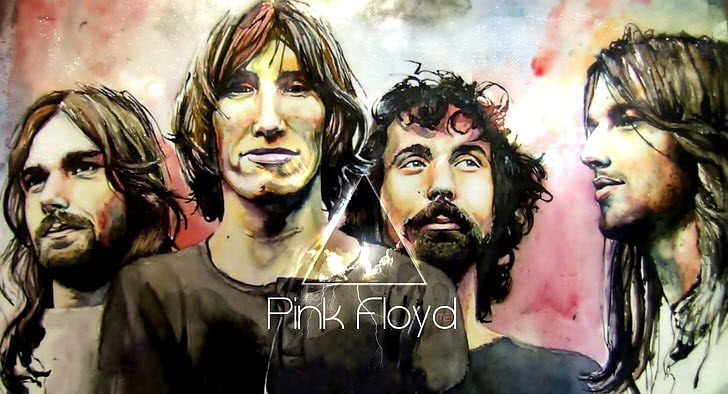
Pink Floyd, the legendary British rock band, has captivated audiences for decades with their innovative soundscapes and thought-provoking lyrics. Emerging from the psychedelic rock scene of the 1960s, they transformed music with their conceptual albums and groundbreaking performances. With an enchanting blend of haunting melodies, intricate compositions, and profound themes, Pink Floyd has left an indelible mark on the world of music.
From the ethereal echoes of “The Dark Side of the Moon” to the dystopian narratives of “The Wall,” their discography is a treasure trove of iconic tracks that resonate with generations of fans. Each song tells a story—whether it’s exploring the depths of human experience, questioning societal norms, or delving into the complexities of the mind.
In this article, we embark on a journey through time to uncover the top 10 most popular Pink Floyd songs of all time. These tracks not only showcase the band’s musical genius but also highlight their ability to connect with listeners on a deeply emotional level. Join us as we celebrate the timeless artistry of Pink Floyd and revisit the songs that continue to inspire and provoke thought long after they were first released.
1. “Comfortably Numb” (1979)
“Comfortably Numb” isn’t just a song—it’s an emotional experience that immerses you in a world of detachment and eerie calm. Featured on Pink Floyd’s iconic album *The Wall*, it tells the story of a character sinking into a haze of isolation, where numbness feels safer than reality. Roger Waters delivers verses that are almost clinical, describing the sensation of being disconnected, while David Gilmour’s soaring guitar solos provide the soul and fire that pierce through the coldness. The second solo, in particular, is considered one of the greatest in rock history—an explosion of feeling that contrasts the song’s muted tone. The chorus, almost chilling in its calm invitation to “just nod if you can hear me,” resonates deeply with anyone who has felt trapped in emotional or mental fog. It’s a track that balances beauty and despair, creating something hauntingly unforgettable. More than four decades after its release, “Comfortably Numb” still stirs listeners, serving as a timeless reminder of how music can capture feelings that words alone can’t express, cementing its place as one of Pink Floyd’s defining masterpieces.
2. “Wish You Were Here” (1975)
Few songs capture longing and nostalgia as tenderly as Pink Floyd’s “Wish You Were Here.” Released on the 1975 album of the same name, the song was a heartfelt tribute to Syd Barrett, the band’s former member and creative spark who had drifted away due to struggles with mental health. From the moment the gentle acoustic guitar riff begins, there’s an intimate, almost fragile mood that pulls you in. The lyrics aren’t just about missing someone—they dig deeper, questioning authenticity, absence, and the way life often leaves us feeling disconnected. “We’re just two lost souls swimming in a fish bowl,” Gilmour and Waters sing, a line that has become iconic for its raw vulnerability. The simplicity of the melody only amplifies the weight of the message, making it feel like a quiet conversation with someone you desperately wish could hear you. It’s not just a song about Syd Barrett—it’s about anyone we’ve lost, whether through distance, time, or change. Decades later, “Wish You Were Here” still feels like a shared sigh, a universal expression of yearning that continues to touch hearts across generations.
3. “Another Brick in the Wall, Part 2” (1979)
“Another Brick in the Wall, Part 2” is far more than just a rock anthem—it’s a cultural statement. Released in 1979 as part of *The Wall*, the song became a rallying cry for kids and teens everywhere who felt stifled by authority, especially within the rigid walls of traditional schooling. Its famous chorus, “We don’t need no education,” was both rebellious and infectious, capturing the frustration of generations who felt their individuality crushed by systems built for conformity. The use of a children’s choir chanting those very lines added a haunting and almost sarcastic edge, turning the critique into a powerful, unsettling chorus of defiance. Musically, the groove is deceptively simple but unforgettable, driven by a steady beat and David Gilmour’s clean, understated guitar work. Yet beneath the rebellion lies something sadder—the sense that each oppressive experience, each “brick,” builds up emotional walls around us. More than four decades later, this track still resonates because it’s not just about school; it’s about any structure that suffocates creativity and independence. “Another Brick in the Wall, Part 2” remains one of Pink Floyd’s most iconic tracks, bridging rock, protest, and pop culture in one unforgettable song.
4. “Time” (1973)
“Time,” from Pink Floyd’s landmark album *The Dark Side of the Moon*, is a song that sneaks up on you with its truth. It begins with the unsettling sound of chiming clocks and alarms, jarring the listener awake before easing into a reflective, almost melancholy groove. The lyrics are brutally honest, addressing how easily life can slip by while we’re distracted, waiting for the “right moment” that never comes. Lines like “and then one day you find ten years have got behind you” cut with uncomfortable clarity. Musically, the track is rich and layered, blending thoughtful instrumentation with David Gilmour’s searing guitar solo that feels like both a cry of regret and a call to action. There’s a strange balance in the song—it’s sobering but also strangely uplifting, a reminder that even as time passes, we can still choose to live more fully. Pink Floyd doesn’t just sing about the concept of time—they make you feel it, weighing on you as the song unfolds. “Time” remains one of the band’s most profound works, a timeless reminder of how fleeting our days are and how important it is not to waste them.
5. “Money” (1973)
“Money” is Pink Floyd at their most biting and witty, a sharp critique of greed and capitalism wrapped in one of the most recognizable riffs in rock history. From the opening sounds of cash registers and clinking coins, the track from *The Dark Side of the Moon* throws listeners straight into the chaos of consumerism. The song’s funky, blues-infused bass line immediately grabs attention, while the unusual 7/8 time signature gives it a slightly off-kilter feel, mirroring the instability and absurdity of chasing wealth. Roger Waters’ lyrics are sarcastic and pointed, calling out the shallow promises of riches and the darker side of material obsession. “Money, it’s a gas,” he sings, mocking how easily people are seduced by the illusion of financial security. Then, mid-song, the beat shifts into a more traditional 4/4 groove, almost like the chaos briefly finds structure—before plunging back into disorder. David Gilmour’s guitar solos slice through the track, adding both swagger and tension. More than just a catchy rock song, “Money” forces listeners to question what they value, making it as thought-provoking today as it was when it debuted.
6. “Shine On You Crazy Diamond” (1975)
“Shine On You Crazy Diamond” is Pink Floyd’s epic love letter and lament for Syd Barrett, the band’s founding member whose brilliance was dimmed by mental illness and personal struggles. Spanning nine parts across the *Wish You Were Here* album, it’s less a song and more a journey—an atmospheric, almost spiritual experience. The opening is slow and ethereal, with Gilmour’s guitar crying out in mournful, almost human tones, setting a mood of both beauty and sadness. When the lyrics finally arrive, they’re tender and bittersweet: “You were caught in the crossfire of childhood and stardom.” It’s both a tribute to Barrett’s genius and a sorrowful acknowledgment of how fame and fragility collided in his life. The song swells and shifts, with synths, saxophone, and guitar weaving together a dreamlike tapestry. It’s long, yes—but that’s part of its magic. You’re not meant to rush it; you’re meant to sink into it, to feel every note. “Shine On You Crazy Diamond” isn’t just a song about Barrett—it’s a meditation on loss, legacy, and the strange, fragile spark of creativity that Pink Floyd invites us all to honor.
7. “Hey You” (1979)
“Hey You” is one of the most haunting moments on *The Wall*, a song that captures the pain of isolation with aching clarity. From the first line, there’s an almost whispered desperation, a cry for connection across an invisible barrier. The music is stripped down and minimal at first, with a gentle acoustic guitar that feels almost fragile, setting the mood for Roger Waters’ plaintive vocals. As the song builds, David Gilmour’s guitar lines cut through like flashes of emotion, mirroring the growing intensity of the lyrics. “Hey you, don’t tell me there’s no hope at all,” the song pleads, as if clinging to the last thread of faith that someone might still reach out. What makes “Hey You” so powerful is its universality—whether you’ve felt emotionally walled off, lost in your own thoughts, or simply unseen, the song speaks to that experience. By the end, you don’t just hear the longing; you feel it. “Hey You” isn’t just another track from *The Wall*—it’s a fragile, devastating reminder of how deeply we need each other, and how painful it is when that connection feels out of reach.
8. “Breathe” (1973)
“Breathe” opens *The Dark Side of the Moon* with a quiet grace that sets the tone for the album’s exploration of life, time, and the human condition. From the first shimmering notes, there’s a sense of calm, almost like the song itself is telling you to slow down and take in the world. The lyrics are deceptively simple but profound, urging listeners to “breathe, breathe in the air” while hinting at the inevitability of life’s fleeting nature. Gilmour’s warm, airy vocals paired with the mellow slide guitar create a dreamlike mood that feels like floating. It’s a song that doesn’t rush you—instead, it wraps around you like a soft haze, inviting reflection. “Breathe” also seamlessly connects into “On the Run,” establishing the album’s cohesive, almost cinematic flow. It’s not just the start of a record—it’s an invitation into an experience. Even decades later, “Breathe” remains a song people turn to when they need a moment of stillness, a reminder to live fully but also gently. It’s Pink Floyd whispering across time, asking you to pause, look around, and really *breathe*.
9. “Run Like Hell” (1979)
“Run Like Hell” is one of the most intense and adrenaline-charged tracks on *The Wall*. From the very first pounding beat, it feels like a chase scene—a desperate sprint to escape something closing in. David Gilmour’s sharp, echoing guitar riffs drive the urgency, while Roger Waters’ menacing, almost snarling vocals paint a picture of fear and survival. The song isn’t just about physical flight—it’s about psychological escape too, a frantic attempt to break free from control, oppression, or even one’s own demons. The relentless rhythm, paired with the haunting atmosphere, makes you feel as if you’re running alongside the song, heart pounding. There’s a darkness to it, an undercurrent of paranoia and aggression, yet it’s impossible to turn away—it grabs hold of you. The live versions, often accompanied by dramatic lighting and visuals, have only amplified its power, turning “Run Like Hell” into a theatrical centerpiece of Pink Floyd performances. More than just a rock track, it’s a sonic adrenaline shot, an embodiment of urgency and fear that remains as gripping now as it was in 1979.
10. “The Wall” (1979)
The titular track of *The Wall* album, “The Wall” isn’t just a song—it’s the emotional and thematic climax of Pink Floyd’s masterpiece. Throughout the album, listeners follow the story of a man building a metaphorical wall around himself, brick by brick, as trauma, pain, and alienation cut him off from the world. This track is where it all comes to a head. The music is dramatic and cinematic, starting with a sense of weight and foreboding before swelling into a powerful crescendo. The lyrics are sparse but heavy, carrying the weight of everything that’s come before them. What makes “The Wall” so gripping is how it embodies that final feeling of isolation—the wall is complete, and the world is shut out. Yet, even in its darkness, there’s a strange beauty in how the song ties together the album’s narrative threads, offering both closure and a haunting question of what happens next. “The Wall” isn’t just a finale—it’s an experience that leaves listeners reflecting on their own emotional barriers, making it one of Pink Floyd’s most enduring and thought-provoking works.

Edward Tomlin is a frequent contributor to Singers Room. Since 2005, Singersroom has been the voice of R&B around the world. Connect with us via social media below.









