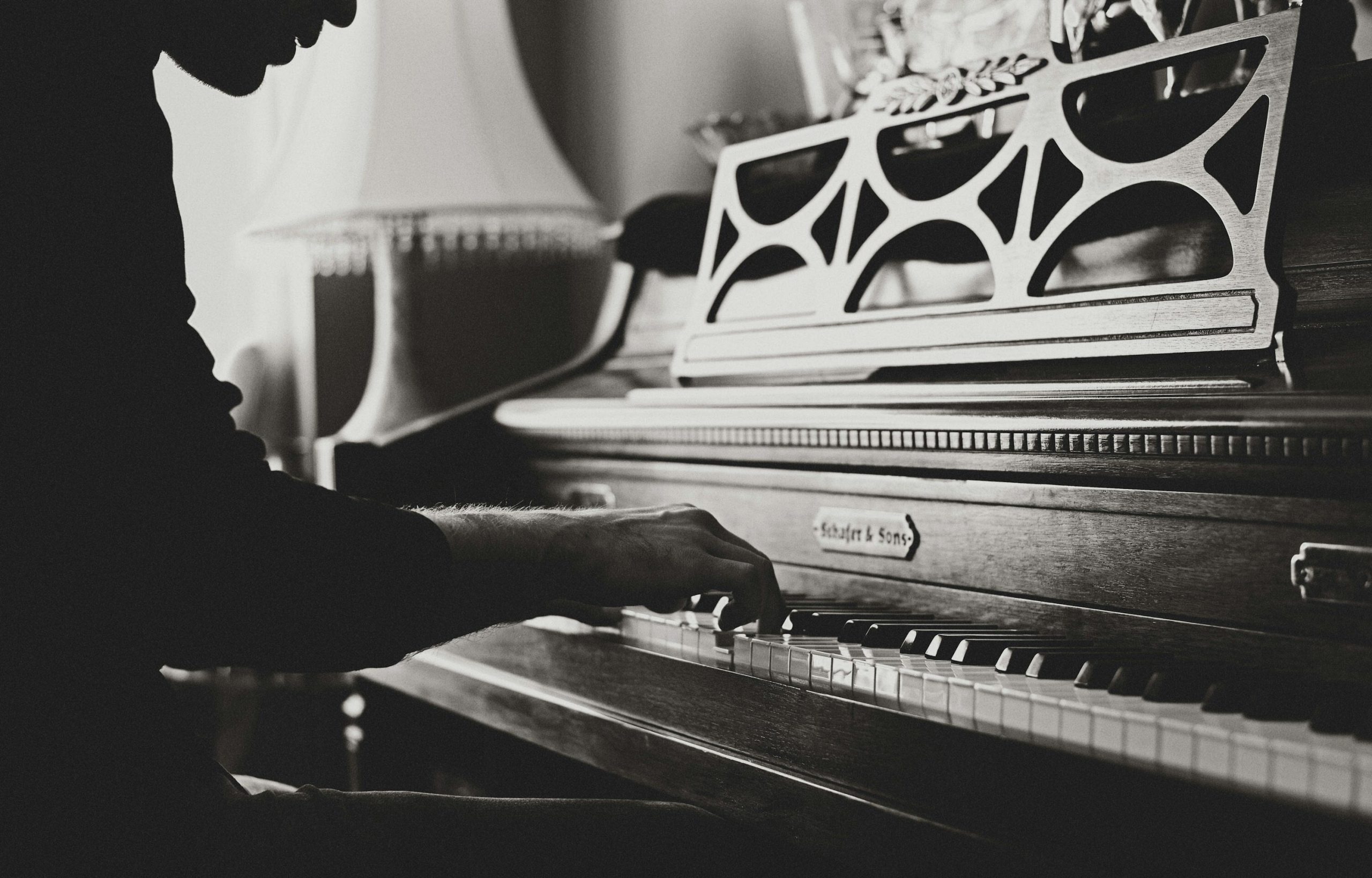
The piano has long stood at the heart of music—an instrument of elegance, power, and endless expression. From the delicate touch of classical masterpieces to the soul-stirring chords of modern ballads, the piano has shaped some of the most unforgettable songs in history. Whether you’re a seasoned pianist, a casual listener, or someone discovering the magic of piano music for the first time, there’s no denying the emotional pull of a beautifully played melody. In this article, we’re diving into the Top 15 Most Popular Best Piano Songs of All Time—a handpicked list that spans centuries, genres, and cultures. These are the pieces that have resonated across generations, been featured in films, filled concert halls, and become the soundtrack to countless lives. Each song on this list is more than just notes on a page—it’s a story, a feeling, a timeless moment captured in sound. So whether you’re looking for inspiration, nostalgia, or just a reason to fall in love with the piano all over again, get ready to explore some of the greatest piano songs ever written. Let your fingers—and your heart—follow the music.
1. Clair de Lune – Claude Debussy (1905)
Few piano pieces are as instantly recognizable or emotionally stirring as Claude Debussy’s Clair de Lune. Published in 1905 as the third movement of his Suite Bergamasque, the piece takes its name from Paul Verlaine’s poem, meaning “moonlight,” and it captures that imagery perfectly. The music feels like moonlight shimmering across a still pond—delicate, mysterious, and quietly radiant. Written in Debussy’s signature impressionistic style, the piece doesn’t rely on showy virtuosity, but rather on fluid dynamics, lush harmonies, and subtle shifts in tone. Its gentle, cascading lines have made it a favorite for pianists and film directors alike, showing up in movies, commercials, and emotional soundtracks across generations. Yet despite its popularity, it demands a nuanced, sensitive performance to fully convey its depth. For pianists, it’s often a milestone—beautiful to play, but deceptively complex beneath the surface. For listeners, Clair de Lune feels timeless, offering a moment of serenity and introspection with each note. It’s not just a piano piece—it’s an atmosphere, a feeling, a memory wrapped in sound. More than a century later, its quiet magic remains as powerful as ever.
2. Piano Sonata No. 14 “Moonlight Sonata” – Ludwig van Beethoven (1802)
Ludwig van Beethoven’s Piano Sonata No. 14 in C-sharp minor, better known as the Moonlight Sonata, is one of the most beloved and haunting works in classical music. Though Beethoven never called it that—the nickname came from a poet after his death—it’s easy to see why the image of moonlight stuck. The sonata opens with a slow, almost meditative movement, built around a steady triplet rhythm and a mournful, lyrical melody. It feels like quiet contemplation, as if the piano is whispering secrets in the dark. The second movement offers a brief moment of lightness, but it’s the stormy third movement that truly shows Beethoven’s brilliance. With rapid arpeggios, crashing chords, and fierce intensity, the finale breaks away from convention, foreshadowing the emotional heights of the Romantic era. Composed in 1801 and published in 1802, this sonata not only challenged traditional form but also showcased Beethoven’s genius for expressing raw emotion through music. Whether you’re a listener or a performer, Moonlight Sonata is a deeply personal journey—melancholy, powerful, and unforgettable.
3. River Flows in You – Yiruma (2001)
Released in 2001 by South Korean pianist and composer Yiruma, River Flows in You quickly became a modern piano classic. Its beauty lies in its simplicity—a flowing, lyrical motif that repeats and evolves like ripples on water. Often mistaken for a piece from the Twilight soundtrack (despite not appearing in the film), it still found a deep emotional connection with listeners around the world. The composition blends elements of classical technique with a contemporary, almost pop-like accessibility, which has helped it go viral across streaming platforms and social media. It’s a favorite for weddings and emotional montages, thanks to its gentle pacing and heartfelt mood. For pianists, River Flows in You strikes a perfect balance—it’s approachable enough for intermediate players to learn, yet rich enough in emotion to draw seasoned performers back to it again and again. Yiruma helped usher in a wave of modern classical and “new age” piano music that prioritizes mood over technical fireworks. At its core, the piece speaks to something universal—longing, hope, nostalgia—and that’s why it continues to resonate so deeply, even decades after its release.
4. Let It Be – The Beatles (1970)
Let It Be stands as one of The Beatles’ most iconic and emotionally resonant songs. Released in 1970 during the group’s final chapter, it was penned by Paul McCartney, who was inspired by a dream in which his late mother, Mary, comforted him with the words, “let it be.” That phrase, simple yet profound, became the foundation for a song that transcends personal grief to deliver a universal message of peace, acceptance, and resilience. Built around a warm, gospel-influenced piano progression, the track gently rises with each verse, supported by soulful backing vocals and an understated yet unforgettable guitar solo. Though the band was fracturing at the time, this song offered a moment of clarity and calm amidst the chaos. Its stripped-down production and spiritual undertones have helped it endure across generations, becoming a comforting anthem during difficult times. Whether heard in moments of personal struggle or public mourning, Let It Be speaks to the human need for grace and surrender. It’s not just a Beatles classic—it’s a musical prayer, timeless in its ability to soothe and uplift.
5. Bohemian Rhapsody (Piano Intro) – Queen (1975)
The opening piano notes of Queen’s Bohemian Rhapsody are instantly recognizable, setting the stage for one of the most ambitious and beloved songs in rock history. Released in 1975, the track begins with a hauntingly beautiful piano arpeggio that immediately draws the listener into Freddie Mercury’s unique world—equal parts opera, rock ballad, and theatrical spectacle. Mercury’s classical piano training shines through in this intro, which is deceptively simple yet emotionally loaded, acting as a gateway to the song’s rollercoaster of styles and moods. That initial motif gives the piece its brooding atmosphere, capturing sorrow, introspection, and grandeur all at once. As the song evolves into operatic flourishes and thunderous guitar riffs, the piano remains its emotional anchor. This introduction alone has become legendary, often taught in piano lessons and covered in tributes. It’s a masterclass in how to use harmony, phrasing, and dynamic control to evoke drama and depth. Bohemian Rhapsody is more than a rock song—it’s a genre-defying composition where the piano takes a starring role, opening the door to a musical journey unlike any other.
6. Comptine d’un autre été: L’après-midi – Yann Tiersen (2001)
Yann Tiersen’s Comptine d’un autre été: L’après-midi is a delicate piece that has quietly become one of the most cherished modern piano works. Released in 2001 and featured prominently in the film Amélie, the composition captures a sense of wistful nostalgia and subtle emotion. The title translates to “Nursery Rhyme of Another Summer: The Afternoon,” and the music feels exactly like that—faint memories of childhood afternoons, soft sunlight, and fleeting moments of quiet reflection. Built around a repeating left-hand ostinato and a gentle, music-box-like melody, the piece uses minimalism to maximum emotional effect. It doesn’t shout; it whispers, inviting the listener into a private, introspective world. Though technically accessible to intermediate players, it requires a deep sense of timing and sensitivity to truly bring it to life. The piece gained global recognition after its cinematic use, adding weight to poignant scenes and anchoring emotional arcs. Yet even outside the film, Comptine resonates with those seeking calm, connection, or a simple moment of stillness. Tiersen proves that music doesn’t have to be complex to be profound—sometimes, a few carefully placed notes can say everything.
7. Imagine – John Lennon (1971)
Imagine is more than a song—it’s a vision. Released in 1971, John Lennon’s most enduring solo work has become a universal anthem for peace, hope, and the belief in a better world. With its gentle piano chords and straightforward melody, the song invites listeners to strip away the divisions of nationality, religion, and materialism to imagine a more unified existence. The piano part is unassuming, almost lullaby-like, yet it carries an emotional weight that grows with each verse. Lennon’s lyrics, both idealistic and radical, continue to provoke thought and inspire action. The minimalist arrangement, with its restrained instrumentation and soft production, lets the message take center stage. Imagine has been performed at countless rallies, tributes, and memorials, its message resonating in times of both celebration and sorrow. For pianists, it’s often one of the first songs learned and one of the last forgotten. Lennon distilled a powerful idea into just a few minutes of music, and in doing so, created something timeless. Whether you hear it in a stadium, a classroom, or a quiet living room, Imagine still asks us to dream—and that dream feels as urgent today as ever.
8. The Entertainer – Scott Joplin (1902)
Scott Joplin’s The Entertainer is the quintessential ragtime tune—a piece so joyful, so rhythmically infectious, that it practically dances off the page. Published in 1902, it helped bring ragtime into the mainstream and solidified Joplin’s place as the genre’s undisputed master. With its bouncing syncopation, playful motifs, and upbeat charm, The Entertainer showcases the piano’s ability to both sing and swing. While its melody might sound familiar today—especially thanks to its use in the 1973 film The Sting—it was revolutionary in its time. Joplin’s composition blends technical complexity with accessibility, offering pianists a chance to showcase timing, dexterity, and a bit of flair. Each section sparkles with character, from its cheerful opening to its subtly shifting rhythmic variations. Despite being over a century old, the piece still feels fresh and full of life, often taught to students and performed in recitals around the world. The Entertainer isn’t just a piece of music; it’s a slice of American history, a joyous reminder of how the piano can captivate, entertain, and bring smiles across generations.
9. Someone Like You – Adele (2011)
When Adele released Someone Like You in 2011, it wasn’t just another breakup ballad—it was an emotional gut punch that struck a universal chord. Co-written with Dan Wilson, the song features Adele’s hauntingly powerful vocals paired with a sparse, heartbeat-like piano progression that mirrors the raw vulnerability of the lyrics. There’s nothing flashy about the arrangement, and that’s exactly why it hits so hard. The minimalist structure allows every word to resonate, every pause to echo, and every crescendo to swell with aching honesty. At its core, Someone Like You is a modern torch song—one that doesn’t beg or plead but quietly grieves and accepts. Its relatable theme of lost love and unspoken goodbyes helped it top charts around the world and become a staple of modern pop balladry. Whether performed live or played on a solitary piano, the song holds a mirror to anyone who’s had to let go of someone they once imagined forever with. For many, Someone Like You isn’t just a song—it’s a moment, a memory, and a cathartic release wrapped in music. And at the heart of it all is that plaintive piano, echoing the quiet strength in sorrow.
10. Prelude in E Minor, Op. 28 No. 4 – Frédéric Chopin (1839)
Few piano pieces convey melancholy as deeply and succinctly as Chopin’s Prelude in E Minor, Op. 28 No. 4. Composed in 1839, this brief but profoundly moving work delivers an emotional depth far beyond its modest length. Its descending bass line and slow, pleading melody seem to speak of resignation—of sorrow that lingers quietly rather than shouts. Often described as a “musical sigh,” the piece evokes a sense of inevitable decline, like autumn leaves falling one by one. Frequently chosen for funerals and memorials, it holds a universal poignancy that resonates with grief, reflection, and longing. While the notes may appear simple on the page, they demand extraordinary control and nuance from the performer. Each chord must be weighted just right; every pause must breathe with meaning. Chopin’s genius lies in making the simple feel profound, and this prelude is a testament to that gift. In just a few minutes, he captures what many composers spend pages trying to say. Prelude in E Minor is more than a piece of music—it’s a quiet meditation on loss, and its somber beauty continues to move listeners nearly two centuries after it was written.
11. Für Elise – Ludwig van Beethoven (1810)
Für Elise is one of the most recognizable piano pieces ever written, instantly familiar even to those who’ve never played a note. Composed by Ludwig van Beethoven in 1810 and published decades after his death, the piece opens with a delicate, almost sing-song motif that dances between whimsy and melancholy. Though technically titled Bagatelle No. 25 in A minor, its affectionate nickname and lyrical charm have cemented its iconic status. The piece’s opening section is deceptively simple, making it a popular choice for early piano students, yet later passages introduce challenges in phrasing, articulation, and expression that give it depth well beyond its surface appeal. Speculation swirls about who “Elise” truly was—perhaps a lost love, a student, or a poetic muse—but the mystery only adds to its romantic allure. Despite its brevity, Für Elise captures the essence of Beethoven’s emotional complexity: playful one moment, wistful the next. It has endured through centuries, not just as a piano staple, but as a symbol of how even a short, modest piece can touch hearts across generations. Whether performed by a child or a concert pianist, its charm remains as irresistible as ever.
12. All of Me – John Legend (2013)
John Legend’s All of Me is the kind of love song that feels personal to just about everyone who hears it. Released in 2013 and written as a tribute to his wife, Chrissy Teigen, the song soared to global success with its heartfelt lyrics and elegant piano accompaniment. What makes All of Me so enduring isn’t its complexity—it’s its honesty. The piano follows the vocal line with fluid grace, supporting the emotion without overpowering it. It rises and falls naturally, mirroring the ebb and flow of love itself. Legend’s voice carries vulnerability and strength in equal measure, singing of devotion that embraces both perfection and imperfection. The song became a staple at weddings and romantic occasions almost overnight, resonating with anyone who’s loved deeply and without reservation. It’s also become a favorite for pianists, both amateur and professional, thanks to its accessibility and emotional punch. More than a chart-topping ballad, All of Me is a modern-day standard—simple, sincere, and deeply moving. In an age of overproduction and digital sheen, this stripped-back love song reminds us that sometimes all it takes is a piano, a voice, and a little bit of heart.
13. Cristofori’s Dream – David Lanz (1988)
David Lanz’s Cristofori’s Dream is a luminous tribute to the man who gave the world the piano—Bartolomeo Cristofori. Released in 1988, this piece blends the elegance of classical tradition with the gentle touch of New Age aesthetics, resulting in a work that feels both timeless and contemporary. The arpeggiated passages ripple like water, while the melody floats with a sense of serenity and wonder. It’s music for quiet moments—reflective, emotional, and calming. Lanz helped shape the modern solo piano genre, and Cristofori’s Dream is his masterpiece, often used for meditation, relaxation, or simply to escape the noise of the day. While technically approachable, the piece offers room for expressive depth, inviting performers to infuse it with personal feeling. It doesn’t shout for attention; it gently invites you in. For many, Cristofori’s Dream was an entry point into the world of instrumental piano music in the late 20th century, and it remains one of the most beloved compositions in that style. It’s a dream not just about the past, but of the emotional possibilities the piano continues to offer. Elegant, flowing, and filled with gratitude, it honors the instrument’s roots while celebrating its soul.
14. Ballade No. 1 in G minor, Op. 23 – Frédéric Chopin (1835)
Chopin’s Ballade No. 1 in G minor is a tour de force of Romantic piano music—intensely expressive, technically demanding, and emotionally rich. Written in 1835, it was inspired in part by the poetry of Polish writer Adam Mickiewicz, and it unfolds like a dramatic story told through music. From its enigmatic opening chords to its explosive finale, the piece takes listeners on a journey through tenderness, turmoil, hope, and despair. The ballade format was relatively new at the time, and Chopin elevated it into something extraordinary—merging narrative form with virtuosic composition. The work shifts between lyrical melodies and tempestuous outbursts, requiring both precision and passion from the pianist. Its coda, a whirlwind of cascading arpeggios and thunderous chords, is one of the most thrilling in the piano repertoire and a climactic reward for both performer and audience. To play this ballade is to engage in an intense emotional dialogue; to hear it is to witness music at its most powerful. Chopin didn’t just write a piece—he captured a universe of feeling in under ten minutes. For pianists, it’s a rite of passage. For listeners, it’s nothing short of breathtaking.
15. My Heart Will Go On (Piano Version) – James Horner (1997)
My Heart Will Go On, originally composed by James Horner and immortalized by Céline Dion for the 1997 film Titanic, is one of the most iconic love themes of all time. Stripped of its soaring vocals, the piano version reveals an intimate, emotional core that’s equally powerful in its own quiet way. With tender phrasing and gentle dynamics, the piano captures the longing, heartbreak, and eternal love that made the original so unforgettable. The harmonies ripple softly, evoking images of distant memories and bittersweet farewells. Whether played as a solo or part of a romantic medley, the piece brings a cinematic quality to the piano—rich in emotion without ever needing words. Its melodic phrasing makes it accessible for intermediate pianists, while its emotional resonance continues to draw advanced players back. The piece transcends its movie origins to stand on its own as a tribute to enduring love and memory. When played with care, it feels like a whispered promise that love, even when lost, leaves something behind. For many, this piano version becomes a personal elegy—soft, graceful, and profoundly moving.

Samuel Moore is a frequent contributor to Singers Room. Since 2005, Singersroom has been the voice of R&B around the world. Connect with us via social media below.









