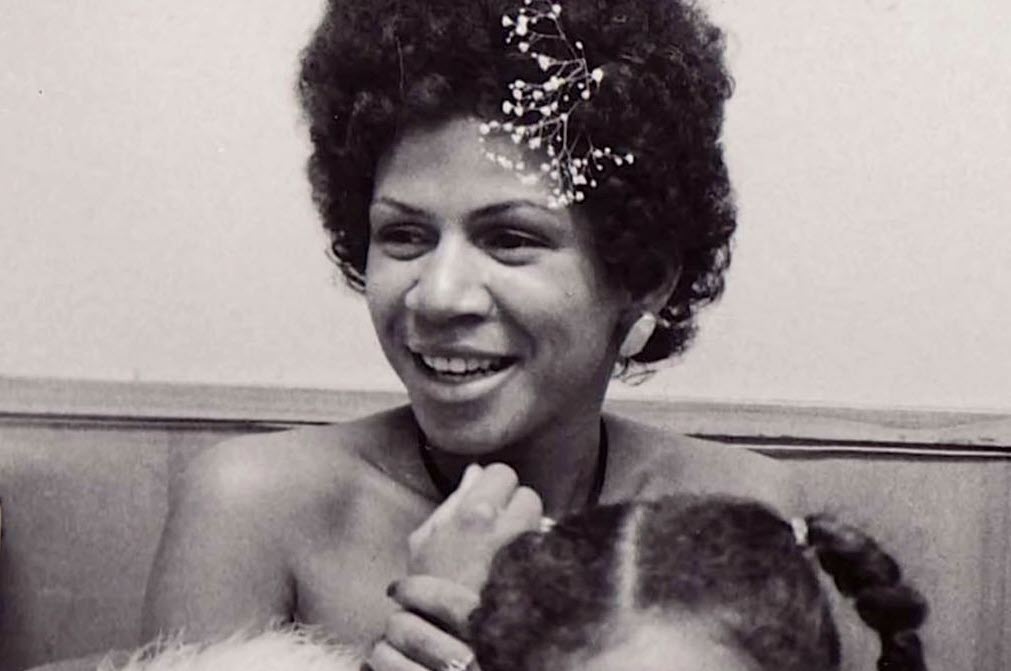
Few voices in music history are as instantly recognizable—or as breathtaking—as Minnie Riperton’s. With a five-octave vocal range, an angelic tone, and an ability to blend vulnerability with power, Riperton carved out a legacy that continues to inspire artists and captivate listeners decades after her passing. From soul-stirring ballads to funky, feel-good grooves, her music transcended genre and time, always anchored by that unmistakable voice. Though her life was tragically cut short in 1979, the impact she made in just a few short years is nothing short of extraordinary. Whether you first heard her iconic whistle notes in “Lovin’ You” or discovered her deeper cuts through samples and tributes, Minnie Riperton’s music has a way of staying with you—haunting, healing, and elevating all at once. In this article, we take a heartfelt journey through the Top 10 Most Popular Minnie Riperton Songs of All Time—the tracks that defined her legacy, moved millions, and turned a once-background vocalist into an everlasting musical icon. Get ready to rediscover the magic, the emotion, and the genius of one of soul music’s most gifted voices. If you think you know Minnie Riperton, these songs might just reveal an even deeper brilliance.
1. “Lovin’ You” (1975)
Released in 1975, “Lovin’ You” became the song that defined Minnie Riperton’s career and elevated her to legendary status. Taken from her Perfect Angel album, the track is a masterclass in simplicity and vocal brilliance. Co-written with her husband Richard Rudolph and produced by Stevie Wonder (credited as El Toro Negro), the song is built around a delicate electric piano and birdsong—recorded in Riperton’s own backyard—which gives it a tranquil, almost lullaby-like charm. But the true star is Riperton’s remarkable voice, particularly her use of the whistle register, which floats effortlessly above the minimal arrangement. “Lovin’ You” is both a romantic declaration and a personal message, originally crafted as a love letter to her daughter, Maya Rudolph. When the single hit number one on the Billboard Hot 100 in April 1975, it made Riperton one of the few Black female solo artists of the time to top the chart. The emotional intimacy of the song, combined with its technical brilliance, has allowed it to transcend generations. Decades later, its unmistakable opening and soaring falsetto continue to captivate listeners, proving that sometimes the most powerful songs are the quietest ones.
2. “Inside My Love” (1975)
“Inside My Love,” released in 1975 on Minnie Riperton’s Adventures in Paradise album, is one of her most daring and emotionally layered recordings. Co-written with Leon Ware and Richard Rudolph, the song walks a fine line between sensuality and vulnerability, merging physical intimacy with deeper emotional resonance. While the lyrics are rich with double meanings and provocative phrasing, Riperton’s performance turns the track into something more profound than just a sultry ballad. Her vocal delivery is smooth, breathy, and magnetic, gliding effortlessly through a wide range that only she could navigate with such grace. The instrumentation features silky jazz elements, slow-burning soul rhythms, and warm textures that wrap around her voice without ever overshadowing it. Though “Inside My Love” didn’t reach the commercial heights of “Lovin’ You,” it has since earned its place as a cult classic and a staple in neo-soul and trip-hop, thanks in part to later samples and covers by artists like Tricky and Delilah. It’s a song that feels both bold and intimate, a slow dance between desire and honesty. Even now, it stands as a testament to Riperton’s artistry and her fearless approach to emotional storytelling through music.
3. “Memory Lane” (1979)
Released in 1979 on her final studio album Minnie, “Memory Lane” is one of Minnie Riperton’s most touching and emotionally charged songs. Coming at a time when she was battling terminal cancer, the track takes on a poignant resonance that feels both reflective and brave. From the opening piano notes, there’s a gentle sadness that blankets the entire piece. Riperton’s voice—still luminous, but edged with quiet vulnerability—guides the listener through a narrative of longing and recollection. The lyrics speak to the bittersweet nature of nostalgia, reminiscing about past love and life’s fleeting joys. Unlike the youthful innocence of “Lovin’ You,” “Memory Lane” showcases a deeper, more contemplative side of Riperton, marked by wisdom and acceptance. The arrangement is sparse yet powerful, allowing her voice to carry the emotional weight of the song. Though it didn’t top charts, it resonated deeply with listeners and found a home on R&B radio, where it became a favorite. For many, it serves as a musical farewell from an artist who poured her soul into her work until the very end. “Memory Lane” remains a haunting, beautiful reminder of Riperton’s unparalleled emotional depth and grace.
4. “Perfect Angel” (1974)
The title track from Minnie Riperton’s breakthrough album Perfect Angel is a hidden gem that reveals the softer, more acoustic side of her artistry. Released in 1974, the song was co-written by Riperton and Stevie Wonder, and it radiates warmth and gentle affection. With breezy acoustic guitar strums, subtle keyboard flourishes, and minimalist production, “Perfect Angel” feels like a tender breeze on a summer day. It’s a love song at heart, filled with poetic lyricism and delivered with Riperton’s signature delicacy. Here, she opts for subtlety over vocal fireworks, proving she could evoke deep emotion without reaching into her famously high register. The track wasn’t released as a single, but it remains a fan favorite and an essential deep cut that demonstrates her ability to craft intimate, heartfelt stories through song. The emotional clarity and sonic simplicity allow Riperton’s storytelling to shine, offering a glimpse into the sincerity behind her voice. “Perfect Angel” may not be as instantly recognizable as “Lovin’ You,” but its understated beauty adds an important dimension to her legacy—showing that she could be both vocally grand and quietly profound.
5. “Les Fleurs” (1970)
“Les Fleurs,” the opening track from Minnie Riperton’s 1970 debut solo album Come to My Garden, is nothing short of a sonic dream. Produced by Charles Stepney, the song is a lush, genre-blending masterpiece that fuses orchestral soul, jazz, and baroque pop into something uniquely magical. From its first notes, “Les Fleurs” feels like stepping into a fairytale, with sweeping strings, ethereal harmonies, and Riperton’s celestial voice blooming like the flowers the lyrics celebrate. Her vocals rise and fall with a serene, almost spiritual grace, making the song as much an experience as it is a listening pleasure. Though it didn’t chart upon its initial release, “Les Fleurs” has since undergone a remarkable revival, appearing in film soundtracks, commercials, and being sampled by artists across genres. It’s a song about transformation, beauty, and nature, themes that still resonate deeply today. The emotional crescendo builds to a stunning finale that lingers in the listener’s heart long after the final note. More than just an album opener, “Les Fleurs” introduced the world to Riperton’s visionary artistry and set the tone for a career marked by creativity, elegance, and unearthly vocal prowess.
6. “Reasons” (1974)
“Reasons,” featured on Minnie Riperton’s Perfect Angel album from 1974, is one of her most overlooked treasures. The song captures the emotional complexity of love—not the idealized kind, but the fragile, aching kind that’s full of quiet doubt and unanswered questions. Written by Riperton and her husband Richard Rudolph, with Stevie Wonder’s unmistakable touch on the arrangement, “Reasons” is stripped down and intimate. Its mellow groove, gently swaying rhythm, and soft guitar lines create the perfect canvas for Riperton’s introspective performance. Her voice moves between tender vulnerability and quiet strength, never overpowering, but always emotionally rich. Lyrically, it speaks to the pain of growing distance in a relationship, with Riperton asking unspoken questions through every carefully delivered phrase. Though it wasn’t released as a single, “Reasons” has become a cherished deep cut for devoted fans—those who appreciate the emotional storytelling that Riperton brought to even her most understated songs. It showcases her ability to channel raw feeling into melody, proving that her genius wasn’t just in hitting impossibly high notes, but in making you feel every word she sang. “Reasons” is a gentle heartbreak set to music—and it’s one of Riperton’s most emotionally honest moments.
7. “Take a Little Trip” (1970)
“Take a Little Trip,” from Riperton’s 1970 debut solo album Come to My Garden, is a cosmic blend of psychedelic soul and orchestral jazz that invites the listener into a world of imagination and escapism. Produced by Charles Stepney, the track is richly layered yet elegantly restrained, featuring strings, harpsichord, and subtle jazz instrumentation that feel both timeless and experimental. Riperton’s voice, as always, is the centerpiece—dreamy, playful, and effortlessly expressive. She doesn’t just sing the lyrics—she invites you along for the journey, gently urging listeners to leave behind the mundane and explore the unknown. The song’s title is more than a metaphor; it’s a spiritual and emotional suggestion to embrace openness and discovery. Though “Take a Little Trip” wasn’t a commercial hit at the time, it has since been recognized for its artistic depth and forward-thinking sound. It represents a moment when Riperton was still carving out her solo identity, pushing the limits of genre while staying grounded in emotional sincerity. The track’s sense of wonder, combined with its lush production and poetic vocals, makes it one of her most enchanting and adventurous works.
8. “Young, Willing and Able” (1977)
With “Young, Willing and Able,” released in 1977 as the opening track of her Stay in Love album, Minnie Riperton made a confident leap into the disco era. Produced by hitmaker Freddie Perren, the track bursts with funk-driven energy and a sassy groove that signaled a new chapter in Riperton’s evolving sound. A bright horn section, bouncing bassline, and tight rhythm guitar set the stage for her playful, empowered vocal delivery. Lyrically, it’s a bold declaration of readiness—romantically, emotionally, and perhaps creatively. Riperton sings with a mix of flirtation and assertiveness, proving that her voice could command a dancefloor just as effortlessly as it could deliver a tender ballad. While the track didn’t dominate the charts, it found a strong following in R&B and disco circles, where it was embraced for its infectious beat and modern edge. “Young, Willing and Able” showed Riperton wasn’t content to be boxed in by genre or image—she was an artist in motion, capable of reinventing herself without sacrificing her authenticity. It’s a fun, vibrant slice of late-’70s soul that remains a standout in her catalog for its sheer vitality and rhythmic spark.
9. “Back Down Memory Lane” (1979)
“Back Down Memory Lane,” released in 1979 on her Minnie album, is a soul-stirring ballad that often gets mistaken for “Memory Lane,” but it stands firmly on its own as a distinct and deeply reflective piece. Where “Memory Lane” leans into soft melancholy, “Back Down Memory Lane” has a slightly groovier edge, though it’s still rooted in introspection. The song builds slowly, with lush arrangements and a subtle funk undertone, creating a cinematic atmosphere that supports Riperton’s wistful vocal performance. Her voice is filled with warmth and maturity, telling a story of love remembered—its highs, its heartbreaks, and everything in between. The lyrics, poetic and vivid, take listeners on a personal journey through time, capturing that universal feeling of looking back on what once was. Given the context of its release—just months before her passing—the song carries an even deeper emotional resonance. It feels like a goodbye wrapped in gratitude, a gentle recollection of a life richly lived. “Back Down Memory Lane” might not have been a massive commercial hit, but it has become a lasting favorite for those who appreciate Riperton’s gift for turning memory into melody.
10. “Can You Feel What I’m Saying?” (1979)
Closing out her final studio album Minnie, “Can You Feel What I’m Saying?” is a powerful blend of soul, funk, and philosophical reflection that captures Minnie Riperton at her most direct and self-assured. Released in 1979, the track departs from her earlier ethereal soundscapes and enters funkier, more grounded territory, with tight grooves, rhythmic keyboards, and a smooth, almost spoken-word delivery in places. It’s clear from the first few bars that this is a different kind of Minnie—a woman confronting truth, vulnerability, and the search for real connection. Her voice is rich and soulful, trading soaring high notes for earthy resonance. The lyrics question whether anyone is truly listening—not just to her, but to each other—and they offer a quiet challenge to engage more deeply. Despite its understated commercial performance, the track has aged remarkably well, appreciated today for its lyrical candor and musical sophistication. It’s introspective without being heavy, funky without being frivolous, and undeniably authentic. “Can You Feel What I’m Saying?” is Minnie Riperton’s quiet mic drop—a reminder that her artistry was never one-dimensional, and that her voice, in every sense of the word, still demands to be heard.

Samuel Moore is a frequent contributor to Singers Room. Since 2005, Singersroom has been the voice of R&B around the world. Connect with us via social media below.









