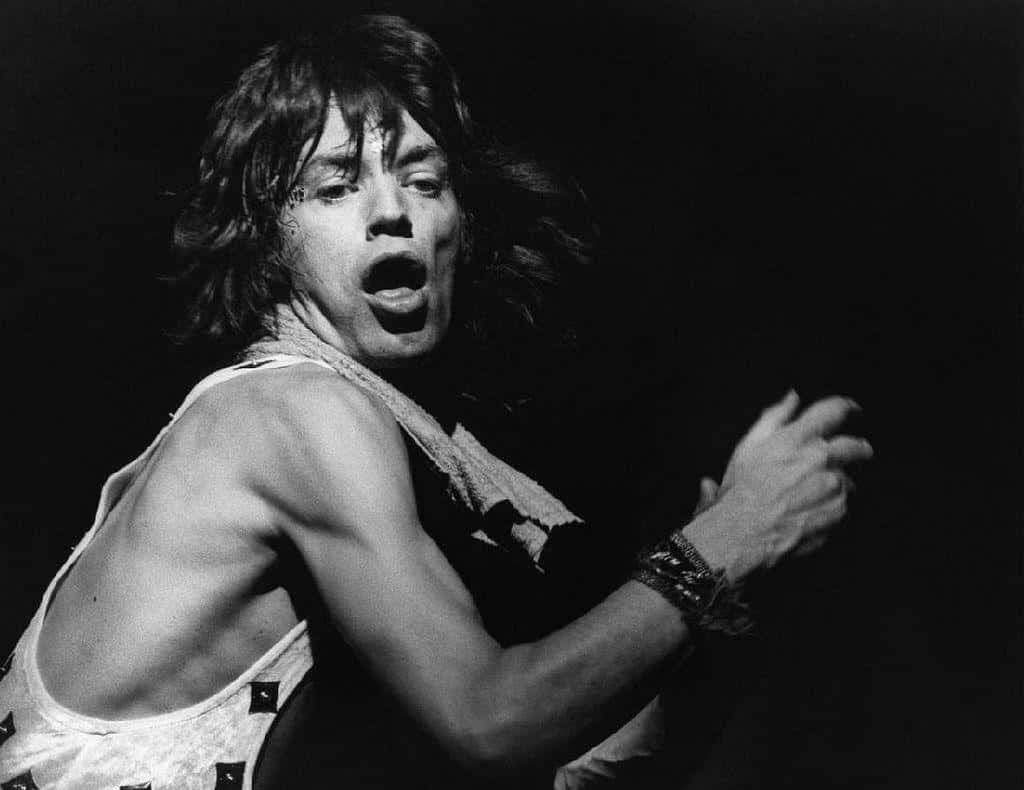
Mick Jagger, the indomitable frontman of The Rolling Stones, is a name synonymous with rock ‘n’ roll. With his unmistakable voice, magnetic stage presence, and a career spanning over six decades, Jagger has not only defined a genre but also influenced generations of musicians. From the gritty streets of London to sold-out stadiums worldwide, his songs resonate with raw energy and emotional depth, capturing the spirit of an era.
In this article, we delve into the top 10 most popular Mick Jagger songs of all time, celebrating his remarkable ability to blend rock, blues, and rhythm into unforgettable anthems. Each track tells a story, whether it’s a heart-wrenching ballad or an electrifying rock hit that gets crowds on their feet.
Join us as we explore the classics that have made Jagger a cultural icon, examining the themes and sounds that have cemented his legacy in music history. From timeless classics like “Paint It Black” to the rebellious vibes of “Start Me Up,” we’ll take you on a journey through the songs that not only define Jagger’s career but also continue to inspire and ignite passion among fans around the globe.
1. “(I Can’t Get No) Satisfaction” (1965)
“(I Can’t Get No) Satisfaction” is the definitive Rolling Stones anthem and a bold expression of teenage frustration. From the very first fuzz-toned guitar riff—famously played by Keith Richards—listeners are hooked. Mick Jagger’s raw, rebellious vocal delivery gave voice to the disillusionment of a generation, voicing dissatisfaction with everything from commercialism to sexual frustration. It wasn’t just the catchy melody that made this song stick—it was the attitude. The lyrics reflect a growing weariness with societal expectations and the relentless marketing machine that defined the post-war consumer boom. Released in the heat of the cultural revolution, the track quickly rose to the top of the charts and cemented the Stones’ status as rock icons. What really gives the song staying power is how it channels youthful angst into a driving beat that still resonates today. Whether heard on vinyl or at a live concert, “Satisfaction” never fails to ignite a fire in its listeners. It’s rebellious, cathartic, and unforgettable—a true cornerstone of rock and roll history.
2. “Paint It Black” (1966)
“Paint It Black” is one of the Rolling Stones’ darkest and most haunting songs. Driven by Brian Jones’ sitar riff and Charlie Watts’ pounding drums, the song veers into psychedelic territory, capturing the atmosphere of loss, despair, and grief. The lyrics dive into the psyche of someone mourning the loss of a loved one, desiring to paint the world black to match their emotional state. It’s poetic, almost Gothic in tone, and far removed from the band’s early blues-rock roots. Mick Jagger’s vocal performance is anguished and intense, perfectly mirroring the song’s emotional weight. The use of Eastern instrumentation was bold for its time, signaling a willingness by the Stones to experiment and evolve. “Paint It Black” became an anthem for those grappling with sorrow and existential dread, especially during the tumultuous backdrop of the Vietnam War. Today, it still resonates with anyone who has faced deep emotional pain. Its fusion of rock and exotic elements, combined with its lyrical depth, make it one of the Stones’ most enduring and powerful compositions.
3. “Jumpin’ Jack Flash” (1968)
“Jumpin’ Jack Flash” is a blast of raw energy, a return to the Stones’ bluesy rock roots after a brief foray into psychedelia. From the first snarling guitar riff, the song hits with ferocity and confidence. Mick Jagger’s lyrics paint a picture of resilience—”I was born in a crossfire hurricane”—as he declares triumph over adversity with swagger and grit. Keith Richards’ guitar work drives the track forward, creating a riff so iconic that it feels almost elemental to rock music itself. This song is often considered a reinvention point for the Stones, signaling their arrival as seasoned rock giants. Its upbeat tempo and rebellious spirit made it a concert staple and fan favorite. More than just a hit single, “Jumpin’ Jack Flash” is a statement of identity: raw, rebellious, and unmistakably Stones. It’s no surprise that it’s often the song they choose to open or close their shows—it embodies everything fans love about the band: energy, grit, and timeless rock and roll attitude.
4. “Sympathy for the Devil” (1968)
“Sympathy for the Devil” is one of the Rolling Stones’ most daring and controversial tracks. Sung from the perspective of Lucifer himself, the song offers a chilling commentary on human nature, history, and evil. Mick Jagger’s seductive and sinister delivery lures listeners into a narrative that blurs the lines between good and evil, while the samba-inspired percussion and piano keep the groove hypnotic. The lyrics reference historical atrocities—wars, assassinations, and betrayals—positioning the Devil not as the cause, but as the observer of mankind’s worst moments. It’s a bold artistic statement that challenges the listener to reflect on personal and collective responsibility. Despite initial backlash and misunderstandings, the song became a critical and commercial success, praised for its depth and innovation. The blend of world music rhythms with provocative rock lyrics was ahead of its time. “Sympathy for the Devil” remains one of the Stones’ most thought-provoking tracks—a song that demands attention, invites debate, and refuses to fade from cultural relevance.
5. “Brown Sugar” (1971)
“Brown Sugar” is one of the Rolling Stones’ most recognizable hits, bursting with energy, grit, and controversy. Built around a driving guitar riff from Keith Richards, the song grabs you from the very first note. Mick Jagger’s vocals are fierce and full of swagger, riding the groove with confidence. Lyrically, the song dives into provocative territory, touching on themes of race, sexuality, and power. While the content has sparked debate and criticism over the years, it also highlights the band’s willingness to push boundaries. Musically, “Brown Sugar” is a powerhouse—raw and rhythmic, with hints of blues, rock, and even funk influences. The saxophone solo adds another layer of swagger and groove, making the track irresistibly danceable despite its heavy subject matter. Released as the lead single from the album Sticky Fingers, it quickly became a commercial success and concert staple. For all its controversy, “Brown Sugar” is a reminder of how the Rolling Stones excelled at blending danger, rebellion, and unforgettable hooks into a singular rock and roll package.
6. “Wild Horses” (1971)
“Wild Horses” reveals the softer, more vulnerable side of the Rolling Stones, contrasting sharply with their usual rebellious bravado. Released in 1971 on the Sticky Fingers album, the song is a slow-burning ballad that captures the heartache of love and separation. Its gentle acoustic guitar intro sets a melancholic tone, while Mick Jagger’s subdued vocals deliver a message of longing, regret, and enduring connection. The lyrics are often interpreted as a reflection on the toll of touring and fame on personal relationships, with the line “Wild horses couldn’t drag me away” becoming one of rock’s most enduring expressions of devotion. Keith Richards’ harmonies add an emotional depth that underscores the song’s sincerity. Musically, it leans into country-rock, a direction the band would explore more deeply in later albums. The stripped-down arrangement and poetic lyricism give “Wild Horses” a timeless quality, making it a favorite among both die-hard fans and casual listeners. Its emotional honesty continues to resonate, proving that even rock icons like the Stones aren’t immune to heartbreak. Over the years, the song has been covered by countless artists, but the original still stands as one of the band’s most beautiful and tender moments.
7. “Angie” (1973)
“Angie” is one of the Rolling Stones’ most iconic ballads—a hauntingly beautiful song that showcases the band’s ability to craft tender, emotionally rich music. Released in 1973 on the Goats Head Soup album, the track quickly became a worldwide hit thanks to its delicate acoustic guitar intro and Mick Jagger’s soulful vocal delivery. The song’s lyrics revolve around a love that is slipping away, but still clings to hope and affection. “Angie, you can’t say we never tried” is a line filled with emotional weight, capturing the complexity of a relationship in its twilight. While many speculated about the identity of “Angie”—ranging from Angela Bowie to Keith Richards’ daughter Angela—the band has said the name was chosen for its lyrical sound. Musically, the song is built around a poignant piano line, with subtle orchestration that adds to its emotional resonance. Unlike many of the Stones’ harder rock hits, “Angie” highlights their versatility and skill in writing ballads. It’s a track that continues to captivate listeners, offering a heartfelt reflection on love, loss, and the bittersweet memories that remain long after a romance ends.
8. “It’s Only Rock ‘n Roll (But I Like It)” (1974)
“It’s Only Rock ‘n Roll (But I Like It)” is the Rolling Stones’ cheeky anthem that doubles as both a self-aware jab and a celebration of their musical legacy. Released in 1974, the song leans into the band’s identity as the torchbearers of rock excess, with a wink and a shrug. The opening guitar riff immediately sets a playful, rollicking tone, while Mick Jagger’s lyrics mock critics and detractors who expected more profound messages from the band. “If I could stick a knife in my heart and spill it all over the stage, would it satisfy you?” he sneers, calling out the absurd expectations placed on rock stars. Yet the chorus—“But I like it!”—delivers the punch: at its core, rock and roll is about passion, rebellion, and sheer joy. The track features contributions from David Bowie and Ron Wood, who would later join the Stones, adding to its legendary status. With its infectious groove, swaggering attitude, and layered meaning, the song became a defiant mission statement. It’s a reminder that rock doesn’t always need to be deep—sometimes, it just needs to be loud, fun, and unapologetically alive.
9. “Miss You” (1978)
“Miss You” marked a stylistic shift for the Rolling Stones as they embraced the disco-influenced rhythms of the late 1970s. Released in 1978 as the lead single from Some Girls, the song was an unexpected hit that proved the band could stay relevant while still pushing their sound into new territory. Built around a catchy bassline and steady four-on-the-floor beat, “Miss You” blends funk, R&B, and rock into a groove-heavy track that’s impossible not to dance to. But beneath its infectious rhythm lies a darker emotional core—Mick Jagger sings of loneliness and longing, giving the track a bittersweet undertone. The lyrics touch on love lost and the numbing effects of nightlife, reflecting the weariness and excess of the era. Ronnie Wood’s guitar work, Charlie Watts’ drumming, and Billy Preston’s keyboard flourishes elevate the song’s sonic texture. Despite initial skepticism from purists, “Miss You” became a chart-topping hit and remains a highlight of the band’s catalog. It’s a perfect example of how the Stones evolved with the times without losing their identity, effortlessly blending innovation with their trademark swagger.
10. “Start Me Up” (1981)
“Start Me Up” is a full-throttle rocker that’s become one of the Rolling Stones’ most enduring stadium anthems. Released in 1981 as the lead single from Tattoo You, the track reintroduced the band to a new generation of fans with its infectious riff and driving beat. Originally conceived as a reggae song, it morphed into the guitar-heavy juggernaut we know today after countless takes and studio experimentation. From the moment Keith Richards’ riff kicks in, the song demands your attention, while Mick Jagger delivers one of his most energetic and cheeky vocal performances. With lyrics that toe the line between flirtation and innuendo—“You make a grown man cry”—the track is unabashedly fun and confident. “Start Me Up” became synonymous with major sports events, Apple’s advertising campaigns, and high-octane live shows, cementing its place in pop culture. It’s a song that feels built for movement—whether that’s dancing, cheering, or just revving up the day. After decades in the business, the Stones proved they could still ignite a crowd with just a riff, a groove, and their signature swagger.

Edward Tomlin is a frequent contributor to Singers Room. Since 2005, Singersroom has been the voice of R&B around the world. Connect with us via social media below.









