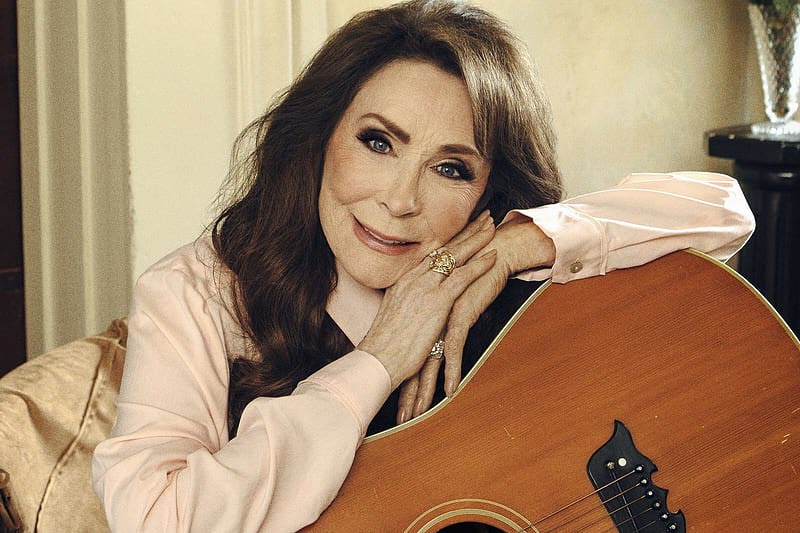
Loretta Lynn, the Queen of Country Music, has left an indelible mark on the music industry with her powerful voice and poignant storytelling. Born in a humble Appalachian home, she rose to stardom through sheer talent and determination, becoming a beacon for women in country music. With a career spanning over six decades, Loretta has penned and performed countless hits that resonate with themes of love, heartbreak, and the struggles of everyday life.
From her groundbreaking anthem “Coal Miner’s Daughter,” which tells her own story of resilience, to the heart-wrenching ballad “You Ain’t Woman Enough,” her songs capture the essence of the human experience. Each track reflects her journey and the rich tapestry of American life, making her music timeless and relatable.
In this article, we’ll explore the top 10 most popular Loretta Lynn songs of all time, celebrating the melodies that have defined generations. Whether you’re a lifelong fan or new to her music, prepare to be enchanted by the stories and emotions that have solidified Loretta’s place in the pantheon of country legends. Join us as we take a nostalgic trip through her most beloved hits!
1. Coal Miner’s Daughter (1970)
“Coal Miner’s Daughter” is more than a country song—it’s a personal memoir set to music. Released in 1970, this iconic track offers a heartfelt look into Loretta Lynn’s upbringing in the rural town of Butcher Hollow, Kentucky. With plainspoken honesty and vivid storytelling, Lynn takes listeners on a journey through her childhood, marked by poverty, hard work, and deep familial love. She paints a rich picture of her life, from her father’s long days in the coal mines to her mother’s dedication at home. The details are simple but powerful—homemade clothes, hand-pumped water, and music on the radio that gave her hope. What makes this song truly unforgettable is Lynn’s emotional delivery; every line carries the weight of real experience. You can hear both pride and struggle in her voice, a testament to her resilience and the values that shaped her. This song didn’t just tell her story—it resonated with countless others who grew up in similar circumstances. “Coal Miner’s Daughter” is a cornerstone of American country music and a defining moment in Lynn’s career, establishing her as a voice for working-class women and a masterful autobiographical songwriter.
2. You Ain’t Woman Enough (1966)
“You Ain’t Woman Enough (To Take My Man)” is pure, unapologetic fire—a bold statement of female strength and defiance. Released in 1966, this track solidified Loretta Lynn’s reputation as a fearless voice in country music. With a twangy melody and confident delivery, she steps into the role of a woman who won’t be pushed aside by a romantic rival. The song’s premise is simple: a woman is trying to steal her man, but Loretta’s having none of it. What elevates it is her fierce conviction—she sings with a sense of ownership, dignity, and unshakable pride. The lyrics cut cleanly: “You ain’t woman enough to take my man,” she declares, without blinking. It was a radical statement at the time, coming from a woman in a genre dominated by male voices. And yet, Lynn made it sound completely natural—because it was. She understood what it meant to fight for your relationship, your respect, and your place in the world. This track became a feminist anthem long before the term was mainstream, empowering women everywhere to speak up and stand strong. It’s not just a country classic—it’s a rallying cry dressed up as a love song.
3. One’s on the Way (1971)
“One’s on the Way” is one of Loretta Lynn’s most cleverly crafted songs, blending humor, realism, and sharp social commentary. Released in 1971, it paints a vivid picture of the everyday chaos that defines the life of a housewife and mother. The lyrics, written by Shel Silverstein and delivered with Lynn’s signature charm, describe a woman juggling chores, screaming kids, and endless responsibilities—all while expecting yet another baby. Meanwhile, glamorous images of women living it up in cities like New York and Los Angeles flash by, making the contrast even starker. What makes the song stand out is Loretta’s tone—it’s warm, playful, and dripping with wit. She’s not complaining; she’s surviving, laughing, and maybe a little overwhelmed. The song struck a chord with women everywhere, especially those who rarely saw their lives reflected in music. Lynn gave voice to the unsung heroes of domestic life, and she did it with a wink and a grin. “One’s on the Way” remains a lighthearted anthem of motherhood and womanhood, proving that even the most hectic, unglamorous lives deserve to be celebrated—and sung about—with honesty and a good sense of humor.
4. Fist City (1968)
“Fist City” is Loretta Lynn at her most fiery and fearless. Released in 1968, this song is a musical showdown that leaves no room for doubt—Lynn is not afraid to throw down if you mess with her man. With a gritty, fast-paced beat and razor-sharp lyrics, she warns a would-be romantic rival to stay away or risk getting dragged to “Fist City.” The song is direct, fierce, and fueled by real-life experience—Loretta wrote it in response to women who tried to get too close to her husband. But rather than wallow in jealousy or sadness, she channeled her emotions into pure defiance. Lynn’s vocals are urgent and strong, giving the song an electric tension that makes it unforgettable. What’s remarkable is how she balances strength and humor—there’s a wink behind every word, even as she lays down the law. “Fist City” isn’t just about protecting a relationship; it’s about standing your ground, speaking your truth, and not letting anyone push you around. It’s one of Loretta’s most iconic tracks, a brilliant mix of personal storytelling and bold attitude that continues to inspire fierce loyalty among fans.
5. Don’t Come Home A-Drinkin’ (With Lovin’ on Your Mind) (1967)
“Don’t Come Home A-Drinkin’ (With Lovin’ on Your Mind)” was a revolutionary song when Loretta Lynn released it in 1967. At a time when women were often expected to remain silent about their husbands’ bad behavior, Lynn boldly called it out. This song tells the story of a woman fed up with her partner stumbling home drunk and expecting affection. It’s a powerful mix of heartbreak, frustration, and firm boundaries. Loretta’s voice is steady and clear—there’s no yelling or crying here, just a strong woman saying enough is enough. The melody is upbeat and catchy, which contrasts with the seriousness of the message, making it all the more impactful. This track resonated with women everywhere, many of whom had lived through similar situations. It gave them a voice, a song they could sing with pride, knowing someone understood. “Don’t Come Home A-Drinkin’” became Loretta’s first No. 1 hit on the country charts, proving that honesty and courage could be just as commercially successful as love songs. It marked a turning point in country music and in Loretta’s career, cementing her role as a truth-teller for women who needed one.
6. The Pill (1975)
With “The Pill,” Loretta Lynn didn’t just sing a catchy country tune—she ignited a cultural firestorm. Released in 1975, this track tackled the subject of birth control head-on, a topic few dared to address, especially in the conservative world of country music. Lynn’s bold, spirited vocals deliver the message with unapologetic sass: a woman finally has control over her own body and choices. The song gave a voice to women who had long been told to stay silent about reproductive rights and family planning. Behind the lively piano and bouncy rhythm lies a radical declaration of independence and empowerment. Loretta’s no-nonsense lyrics—“All I’ve done is give and give and give”—speak volumes about a woman reclaiming her life after years of sacrifice. Unsurprisingly, “The Pill” was controversial at the time, even banned by some radio stations. But the very controversy fueled its success, proving that women were eager to hear their experiences reflected in music. More than just a milestone in Loretta Lynn’s career, “The Pill” is a landmark in American music history. It’s a fearless reminder of how country music, in the hands of someone like Loretta, could challenge the status quo and still make you tap your feet.
7. Rated X (1972)
“Rated X” is one of Loretta Lynn’s most fearless and socially perceptive songs. Released in 1972, it takes on the harsh double standards faced by divorced women in American society. In a time when simply being divorced could carry a scarlet letter, Loretta called it out with sharp wit and plainspoken truth. Her lyrics question why women are judged so harshly for things that men are often praised for—why society treats a divorced woman as “damaged goods” while ignoring a man’s role in the breakup. Set to a classic country rhythm, the song is both catchy and cutting. Lynn’s vocal performance is strong yet vulnerable, capturing the frustration and dignity of a woman tired of being labeled and limited. What makes “Rated X” so compelling is its raw honesty. Loretta doesn’t sugarcoat the experience—she sings it like it is. This track solidified her status as not just a hitmaker, but a cultural voice. Even today, its message feels timely, reminding listeners that progress often starts when someone is brave enough to tell the truth. In just over two minutes, Loretta Lynn made a bold feminist statement—without ever needing to raise her voice.
8. Love Is the Foundation (1973)
“Love Is the Foundation” stands as one of Loretta Lynn’s most tender and heartfelt ballads. Released in 1973, this song showcases a softer side of Lynn, where vulnerability and warmth take center stage. With gentle instrumentation and a steady, soothing melody, the track beautifully conveys the idea that love is the bedrock of a meaningful life. It’s not just romantic love she’s singing about—it’s love as the steady, unwavering force that keeps people going through the ups and downs of life. Lynn’s vocals are rich with emotion, each line delivered with genuine feeling. She doesn’t overdo it—there’s a quiet strength in her voice, a peaceful assurance that love really does hold everything together. The song’s simplicity is part of its charm. There are no grand metaphors or flashy musical tricks—just honest words, a sweet melody, and a voice that knows what it’s singing about. “Love Is the Foundation” reminds us that beneath all the heartache, the headlines, and the hustle of life, love remains the most essential thing we have. It’s a song to slow down to, to reflect on, and to hold close.
9. When the Tingle Becomes a Chill (1976)
“When the Tingle Becomes a Chill” is a poignant look at love’s gradual decline—a theme Loretta Lynn handles with remarkable honesty and grace. Released in 1976, the song speaks to that difficult moment in a relationship when passion begins to fade, and routine sets in. It doesn’t blame or accuse, but rather paints a picture of emotional distance and quiet sorrow. Lynn’s performance is deeply emotive, her voice carrying the weight of disappointment and longing. The soft, melancholy melody reinforces the sadness in the lyrics, creating a reflective atmosphere that resonates with anyone who’s watched love slip away slowly. It’s the kind of heartbreak that isn’t loud or dramatic—it’s the kind that happens in silence, in everyday moments, behind closed doors. Loretta’s strength as a storyteller shines here, as she manages to say so much with so little. This track shows her ability to capture the emotional nuances of adult relationships—messy, complicated, and sometimes painful. “When the Tingle Becomes a Chill” is a reminder of Loretta Lynn’s depth as a songwriter and singer. It’s a quiet heartbreak set to music, delivered with the kind of honesty only she could provide.
10. Home (1975)
“Home” is Loretta Lynn at her most nostalgic and grounded. Released in 1975, this song captures the deep emotional connection many people feel toward their roots. In a world constantly pushing for change and movement, Loretta turns our attention back to the simple comforts of home—where values are shaped, memories are made, and identity is born. The lyrics are filled with warmth and gratitude, celebrating not only the physical place but also the people and traditions that make home truly special. Lynn’s vocal delivery is tender and reassuring, wrapping listeners in the same kind of security the song describes. The music, simple and uncluttered, mirrors the uncomplicated joys of family life and belonging. “Home” is more than just a sentimental ballad—it’s a tribute to the quiet strength found in familiar surroundings. Loretta reminds us that no matter where life takes us, home will always be the place we measure everything else against. In this song, she doesn’t just sing about a location—she sings about a feeling, a memory, a refuge. It’s a track that touches hearts across generations, proving once again that the most powerful songs are often the most personal.

Edward Tomlin is a frequent contributor to Singers Room. Since 2005, Singersroom has been the voice of R&B around the world. Connect with us via social media below.









