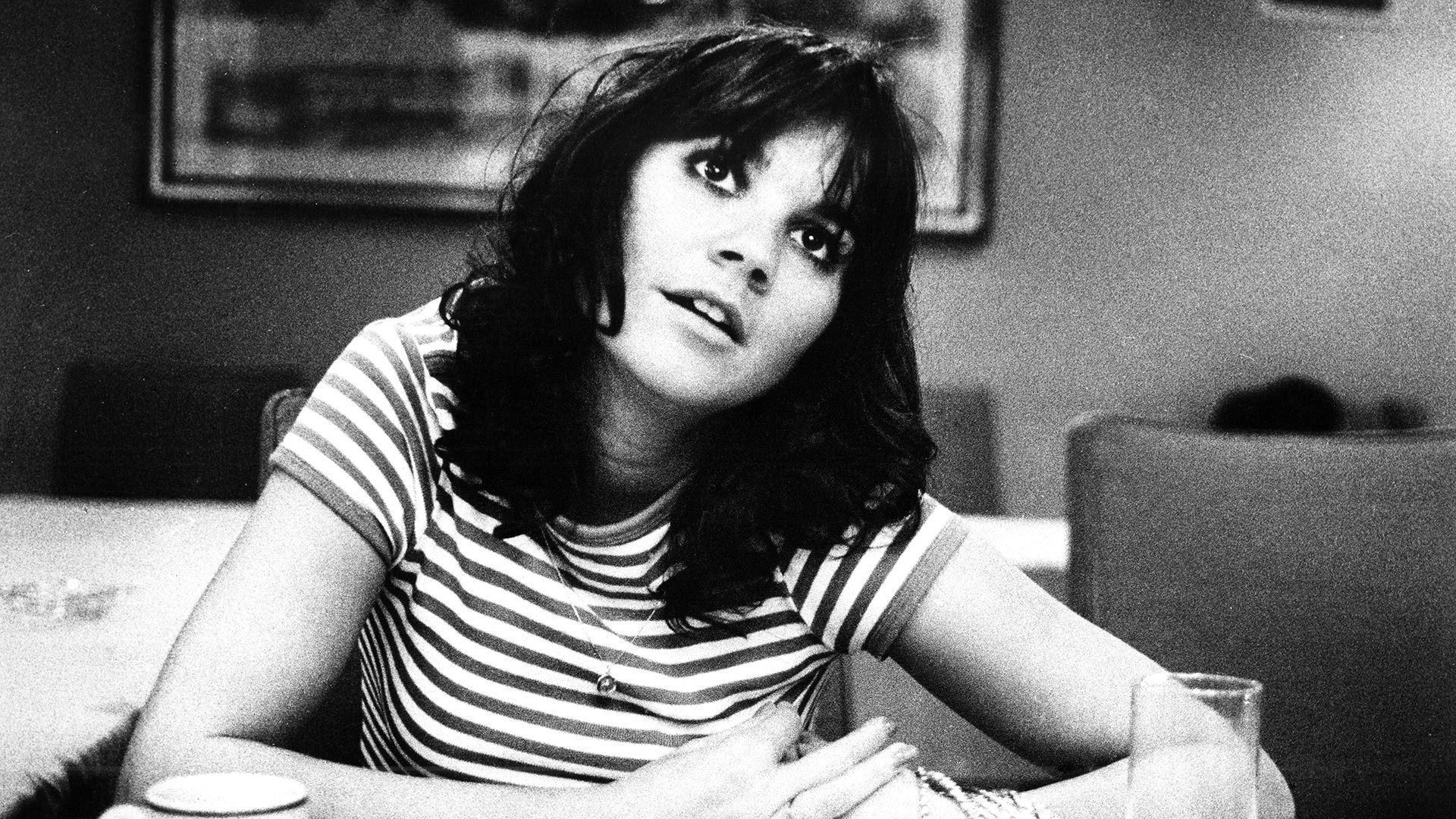
Few voices in music history have the power, versatility, and emotional depth of Linda Ronstadt. From her early folk-rock days with The Stone Poneys to her reign as the Queen of ’70s pop-rock and beyond, Ronstadt carved out a career defined not just by chart-topping success, but by fearless artistic exploration. She was a trailblazer who effortlessly moved between genres—rock, country, pop, Latin, and even opera—leaving a lasting legacy in every corner of the musical landscape. With a voice that could soar, whisper, and cut straight to the heart, she turned covers into definitive versions and transformed simple lyrics into soul-stirring anthems.
In this article, we’re counting down the Top 10 Most Popular Linda Ronstadt Songs of All Time—the ones that defined an era, captivated millions, and showcased the full brilliance of her talent. These aren’t just hits; they’re timeless classics that continue to resonate across generations. Whether you’re a lifelong fan or just discovering her magic, get ready to dive into a list of unforgettable tracks that prove why Linda Ronstadt remains one of the greatest vocalists of all time. Turn up the volume—this musical journey is about to begin.
1. “You’re No Good” (1974)
When Linda Ronstadt unleashed “You’re No Good” in 1974 as the lead single from Heart Like a Wheel, it became a game-changer—not just for her career, but for how a cover song could completely eclipse its predecessor. Originally recorded by Dee Dee Warwick in 1963, the track had modest beginnings. But in Ronstadt’s hands, it exploded. With a slinky guitar riff, a punchy, polished rhythm section, and that unmistakable powerhouse vocal performance, her version surged to No. 1 on the Billboard Hot 100—her first chart-topper. Producer Peter Asher’s cinematic arrangement—complete with dramatic strings—gave the song emotional scope and polish, transforming it into something rich and multidimensional. What really sets Ronstadt’s rendition apart is the conviction she brings to every line. She doesn’t just sing about leaving a toxic relationship—she owns it, shifting effortlessly from simmering cool to vocal fire. In a time when women in music were often expected to be passive, Ronstadt’s performance felt bold, assertive, and ahead of its time. “You’re No Good” proved she wasn’t just a talented vocalist—she was a musical force capable of reimagining songs into definitive versions. It remains one of the most compelling pop-rock singles of the 1970s, and a career-defining moment for Ronstadt.
2. “Blue Bayou” (1977)
Linda Ronstadt’s 1977 recording of “Blue Bayou” is more than a cover—it’s a heartfelt cry for home that turned into one of her most iconic songs. Originally performed by Roy Orbison in 1963, the ballad found new emotional weight through Ronstadt’s tender, evocative voice. Her version, featured on the Simple Dreams album, climbed to No. 3 on the Billboard Hot 100 and earned a Grammy nomination, cementing her status as one of the era’s most emotionally expressive vocalists. The arrangement, rich with layered harmonies, gentle guitar picking, and subtle country flourishes, provides the perfect canvas for Ronstadt’s vocals to soar. She infuses every word with aching beauty, capturing the wistful yearning for a simpler, better place—a “Blue Bayou” that exists more in memory than reality. Beyond its chart success, the song resonated deeply across cultural lines, especially among her Mexican-American fans, bridging country, pop, and Latin influences. It also foreshadowed her future explorations in Spanish-language music. Today, “Blue Bayou” remains one of the most emotionally resonant ballads of the 1970s. It’s not just a song—it’s a longing, a lullaby for the lost, and a shining example of Linda Ronstadt’s ability to turn vulnerability into vocal art.
3. “When Will I Be Loved” (1975)
With “When Will I Be Loved,” Linda Ronstadt brought a fierce new spirit to a classic. Originally recorded by the Everly Brothers in 1960, the song was reimagined in 1975 on her Heart Like a Wheel album and quickly climbed to No. 2 on the Billboard Hot 100. While the original had a sweet, melancholic tone, Ronstadt’s version brims with vitality and a touch of sass. Her rendition is driven by jangly guitars, crisp harmonies, and an infectious beat that makes it feel like a country-rock anthem. Vocally, Ronstadt delivers the lyrics with a fiery mix of heartbreak and resolve, injecting raw emotion into every line. The way she belts the chorus—demanding, not pleading—transforms the song into something defiant and empowered. It’s not just a question of love—it’s a call for justice. The track also showcases Ronstadt’s knack for reinvention, taking familiar material and reshaping it through her own musical lens. She walks the line between sorrow and strength so skillfully that the song feels both vintage and fresh at once. “When Will I Be Loved” is a definitive Linda Ronstadt moment: timeless, passionate, and bursting with heart.
4. “It’s So Easy” (1977)
Linda Ronstadt’s version of “It’s So Easy” revs up the energy and hits with the full force of a late-’70s rock juggernaut. Originally a rockabilly gem by Buddy Holly, the song was resurrected and electrified on Ronstadt’s Simple Dreams album in 1977. Her take doesn’t just pay homage to Holly—it reinvents his breezy tune into a fierce, radio-ready rocker. With its crunchy guitars, stomping backbeat, and Ronstadt’s powerhouse vocals, the track hit No. 5 on the Billboard Hot 100 and became one of her most recognizable hits. She adds a sly attitude to the lyrics, flipping the meaning of “It’s So Easy” into something bold and a little bit dangerous. The way she leans into the chorus, strutting her vocal confidence, is pure swagger. This wasn’t just a cover—it was a reassertion of rock’s roots through the lens of a woman in command. The track captures everything that made Ronstadt special: her versatility, her power, and her fearless ability to breathe new life into old classics. “It’s So Easy” feels like an adrenaline shot of retro rebellion, proving that rock ‘n’ roll isn’t just about nostalgia—it’s about attitude.
5. “Heat Wave” (1975)
In 1975, Linda Ronstadt put her own blazing stamp on “Heat Wave,” turning the Motown classic into a full-blown rock eruption. Originally recorded by Martha and the Vandellas in 1963, the song was already a high-octane dance floor favorite. But Ronstadt amped up the intensity, swapping soul horns for searing electric guitars on her Prisoner in Disguise album. Her version doesn’t simmer—it scorches. From the moment the drums kick in, it’s a musical wildfire, with Ronstadt’s vocals riding the flames. She belts each line with urgency and joy, capturing the delirium of love with a rock ‘n’ roll snarl. Although it didn’t climb the charts as high as some of her other singles, “Heat Wave” became a live concert staple and a fan favorite for good reason. It showcased her genre-defying range and ability to inject adrenaline into any song. What makes her take on “Heat Wave” stand out is its unapologetic energy—it’s raw, explosive, and totally infectious. This track proves that Ronstadt wasn’t just a singer of ballads—she could rock with the best of them. Her “Heat Wave” is a fever dream of love, lust, and uncontainable groove.
6. “Desperado” (1973)
Linda Ronstadt’s rendition of “Desperado” is a hushed and haunting meditation that adds a feminine grace to the Eagles’ classic. Featured on her 1973 album Don’t Cry Now, her version arrived the same year as the original, offering a poignant counterpoint to the more masculine grit of Frey and Henley’s take. Ronstadt’s delivery is intimate and aching, almost like a whispered plea to someone who’s hardened their heart. Stripped back to a piano-led arrangement, the track leaves space for every nuance of her voice to resonate. There’s a tenderness in her interpretation that brings out new emotional colors in the lyrics—less resignation, more empathy. She turns the song into a quiet conversation with the lonely, the guarded, and the weary. Though it wasn’t released as a single, “Desperado” became one of Ronstadt’s most cherished deep cuts and deepened her connection with the Eagles, who had once served as her backing band. It stands as one of her most emotionally nuanced performances—a moment of stillness, where vulnerability becomes a strength. Ronstadt’s “Desperado” doesn’t just echo the original—it transforms it, offering solace to anyone who’s ever felt adrift and unreachable.
7. “Different Drum” (1967)
“Different Drum” was the song that first made people stop and ask, “Who is that voice?” Released in 1967 when Linda Ronstadt was fronting the folk-rock trio The Stone Poneys, the song became her breakout hit and set the tone for a career built on bold choices. Written by Michael Nesmith of Monkees fame, the track was a lyrical curveball for its time—a woman singing about not wanting to be tied down in a relationship. That alone was revolutionary. But what truly elevated “Different Drum” was Ronstadt’s delivery: strong, assured, and heartbreakingly honest. Over a baroque pop arrangement that included harpsichord and strings, she conveyed both emotional distance and personal conviction, walking away not out of coldness, but out of clarity. The song reached the Top 20 and made Ronstadt an artist to watch. Even more importantly, it helped pave the way for a wave of female artists asserting autonomy in their music. Ronstadt wasn’t just singing someone else’s song—she was telling her truth. “Different Drum” remains a milestone not only for her career but for women in music. It’s a declaration of independence set to a perfectly bittersweet melody.
8. “Long Long Time” (1970)
“Long Long Time” is the ballad that first unveiled Linda Ronstadt’s emotional depth as a solo artist. Released in 1970 on her Silk Purse album, the song served as her first real introduction to a national audience—and what an impression it made. Written by Gary White, it’s a heartbreak anthem about loving someone who can’t love you back, and Ronstadt sings it with devastating vulnerability. Her voice is delicate in the opening lines, gradually building into a controlled storm of sorrow that swells and crashes with aching beauty. The string-laden arrangement only enhances the emotional gravity. The track climbed to No. 25 on the Billboard Hot 100 and earned her a Grammy nomination, marking the beginning of her rise as a serious solo artist. Decades later, “Long Long Time” found new life in 2023 when it was featured prominently in HBO’s The Last of Us, introducing the song to a new generation of listeners. For many, it’s still the definitive portrait of unrequited love—quiet, powerful, and unforgettable. “Long Long Time” is more than just a song; it’s a cathartic release that proves sometimes, heartbreak is what gives a voice its soul.
9. “How Do I Make You” (1980)
With “How Do I Make You,” Linda Ronstadt broke away from her roots and charged headfirst into the sound of the new decade. Released in 1980 on her Mad Love album, the track was a sharp pivot from her country-rock leanings toward a harder-edged, new wave-inspired sound. Written by Billy Steinberg, the song wastes no time getting to its point—snappy guitars, a punchy rhythm, and a sense of urgency that hadn’t been heard in her earlier work. Ronstadt sounds invigorated, even a little edgy, as she belts out the song’s plea with a mix of vulnerability and fire. It shot up to No. 10 on the Billboard Hot 100, proving that Ronstadt wasn’t just evolving—she was thriving. The change in direction didn’t alienate her core audience; instead, it expanded her reach to younger listeners who were tuning into the post-punk, power-pop energy of the era. “How Do I Make You” is short, sharp, and full of bite—an electrifying reminder that Ronstadt could reinvent herself without losing the emotional resonance that defined her career. It’s a rock pulse with a pop heart, and it still hits hard.
10. “Tracks of My Tears” (1975)
Linda Ronstadt’s 1975 cover of “Tracks of My Tears” is a soul-searching reinterpretation that pays tribute to its Motown roots while carving out new emotional space. Originally recorded by Smokey Robinson and the Miracles in 1965, the song is known for its polished soul sound and heartfelt lyrics. Ronstadt, on her Prisoner in Disguise album, strips it down and leans into the quiet devastation beneath the surface. Gone are the shimmering harmonies and horns—in their place is a more subdued, folk-rock arrangement that allows her vocal nuance to shine. She doesn’t over-sing or dramatize; instead, her voice carries a gentle ache, making the heartbreak feel intimate and personal. Each phrase feels lived-in, especially the line “My smile is my makeup I wear since my breakup,” which lands like a whispered confession. While the single didn’t chart as high as her biggest hits, critics praised her emotional control and interpretive depth. It’s a reminder that Ronstadt could not only sing any genre, but also uncover new truths within the music. Her “Tracks of My Tears” isn’t flashy—it’s honest, restrained, and utterly human, a quiet triumph that lingers long after the final note fades.

Samuel Moore is a frequent contributor to Singers Room. Since 2005, Singersroom has been the voice of R&B around the world. Connect with us via social media below.







