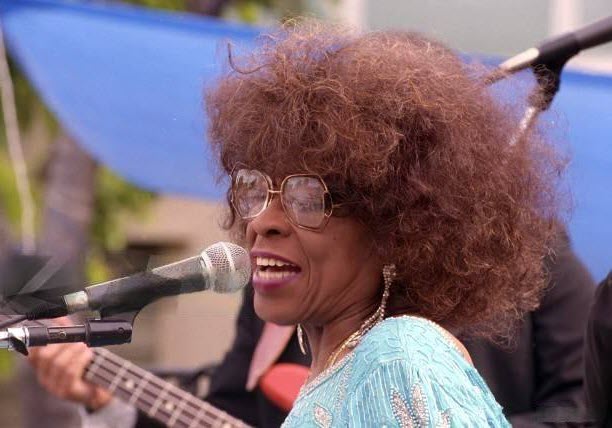
Lavern Baker, the iconic queen of rhythm and blues, left an indelible mark on the music scene with her powerful voice and captivating performances. Emerging in the 1950s, Baker not only defined an era but also paved the way for countless artists who followed. With a blend of gospel, jazz, and rock ‘n’ roll, her songs resonated with audiences, making her a beloved figure in the world of music.
In this article, we celebrate the top 10 most popular Lavern Baker songs of all time, delving into the tracks that showcased her extraordinary talent and unique style. From the heart-wrenching ballads that stirred emotions to the upbeat anthems that got everyone dancing, each song is a testament to her artistry and influence. Baker’s music transcends generations, continuing to inspire listeners and musicians alike.
Join us as we journey through the iconic melodies and unforgettable lyrics that solidified Lavern Baker’s legacy in the annals of musical history. Whether you’re a lifelong fan or new to her work, prepare to discover or rediscover the magic of Lavern Baker, a true pioneer of American music.
1. “Tweedle Dee” (1955)
LaVern Baker’s breakout hit, “Tweedle Dee,” released in 1955, marked a pivotal moment in the evolution of rhythm and blues. Infused with a carnival-like bounce and Baker’s vibrant personality, the song captivated audiences with its playful lyrics and irresistible swing. What sets it apart is Baker’s electrifying vocal delivery—clear, bold, and brimming with charm. She dances over the melody with effortless confidence, breathing life into each quirky phrase as she sings about a love-struck heart. The song’s instrumentation, anchored by a jumpy piano and peppy horn section, creates a joyful backdrop that elevates the sense of youthful excitement. Though on the surface light and whimsical, “Tweedle Dee” also carried deeper significance—it broke racial barriers as Baker’s version competed with a white cover by Georgia Gibbs, drawing attention to the ongoing appropriation of Black music. Still, Baker’s original shines with authenticity, energy, and heart, laying the groundwork for future female R&B performers. It wasn’t just a hit—it was a statement. To this day, “Tweedle Dee” is remembered not just for its catchy chorus and carefree rhythm, but also for the way it introduced a dynamic new voice to the musical mainstream.
2. “Jim Dandy” (1956)
“Jim Dandy,” released in 1956, is an exuberant and high-energy track that brought LaVern Baker national fame and became one of her defining hits. The song revolves around a slick-talking, cape-wearing ladies’ man who swoops in to save women from trouble—Jim Dandy to the rescue! Baker delivers the lyrics with sass, humor, and a kind of theatrical charm that feels ahead of its time. Her vocals are bold and agile, capturing the playful spirit of the track while never losing control of the groove. The rockin’ backing band, driven by a pounding rhythm section and blaring horns, makes it impossible not to move to the beat. The song became a major crossover hit, not only for its irresistible catchiness but also because Baker infused every syllable with charisma and joy. It’s one of the earliest examples of a woman fronting a high-powered R&B track with the kind of swagger usually reserved for male performers. “Jim Dandy” isn’t just a song—it’s an experience, a celebration of storytelling and showmanship. Even decades later, it still jumps off the speakers, proving that Baker was as much a performer as she was a singer.
3. “See See Rider” (1955)
LaVern Baker’s 1955 recording of “See See Rider” breathes new life into a classic blues number that had already been interpreted by many artists before her. What makes Baker’s version stand out is the sheer emotional punch of her performance. Her voice—soulful, deep, and perfectly textured—takes command of the song, telling the story of a wandering lover who causes heartbreak wherever he goes. Baker transforms the traditional lyrics into a personal lament, filled with both longing and defiance. The instrumentation is simple but effective, featuring a moody guitar line, a steady drumbeat, and a touch of brass that swells at just the right moments. What begins as a blues standard becomes something uniquely Baker’s: an anthem of frustrated love that refuses to sound defeated. Her phrasing is masterful, stretching syllables just long enough to make them ache, then snapping back with a fiery retort. “See See Rider” in Baker’s hands becomes a lesson in vocal storytelling. It’s not just a cover—it’s a reinvention. This recording remains one of the most enduring versions of the song and a showcase of Baker’s ability to blend traditional blues with modern R&B flair.
4. “I Cried a Tear” (1958)
“I Cried a Tear,” released in 1958, stands as one of LaVern Baker’s most emotionally potent ballads. The moment the song begins, you can feel the ache in her voice—it’s restrained but undeniably powerful. The lyrics are straightforward: a woman heartbroken and betrayed, shedding tears for a lost love. But what elevates the track is the soulful gravity of Baker’s delivery. She doesn’t wail or over-dramatize; instead, she lets the sorrow simmer beneath the surface, giving the performance a mature, heartbreaking resonance. The arrangement is simple yet elegant. A mournful saxophone weaves through a soft piano and steady rhythm, creating a somber, reflective atmosphere. As the song builds, Baker’s vocals rise with a gentle intensity that never feels forced. It’s this emotional control that makes the song so gripping—she makes you feel every word. “I Cried a Tear” became a commercial success, not just for its beautiful melody, but because so many listeners recognized their own pain in her voice. It’s a timeless piece of music that speaks to the human experience of love and loss, and it solidified Baker’s place not just as a dynamic performer, but as a true interpreter of emotion.
5. “Love Me Right” (1956)
“Love Me Right,” released in 1956, is a vibrant, upbeat number that perfectly captures LaVern Baker’s knack for combining attitude with melody. From the first beat, the song demands attention with its swinging rhythm, sharp brass lines, and foot-tapping groove. Baker doesn’t just sing the lyrics—she commands them. With every note, she tells her partner (and the audience) exactly what she wants: a love that’s real, respectful, and strong. The lyrics are assertive, yet playful, echoing the rising empowerment of women in music during the era. Baker’s voice dances between fierce demands and tender longing, striking a perfect balance that few singers of her time could manage. The instrumentation features a rock ‘n’ roll pulse with an R&B heart—highlighting her ability to merge genres seamlessly. “Love Me Right” stands as a powerful reminder of how Baker’s work paved the way for later female vocalists who refused to be boxed into a single musical category. This track, while perhaps less commercially dominant than some of her bigger hits, remains one of her most exciting performances—unapologetically bold, musically rich, and bursting with personality.
6. “Bumble Bee” (1960)
Released in 1960, “Bumble Bee” is a cheeky, blues-tinged track that showcases LaVern Baker’s playful side. Built around a clever metaphor, the song likens a pesky, unreliable lover to—you guessed it—a buzzing bumblebee. With its swinging rhythm, stop-start phrasing, and snappy horn arrangements, “Bumble Bee” invites listeners into a story of love gone slightly sour. Baker doesn’t approach this tale with sorrow, though. Instead, she leans into the humor of the situation, delivering her lines with a mix of sarcasm and swagger. Her voice flutters one moment and growls the next, always staying perfectly in control of the groove. The blues influence is unmistakable, but the song is infused with a buoyant R&B bounce that makes it stand out from more traditional blues laments. “Bumble Bee” may not have been one of her biggest chart-toppers, but it’s a fan favorite for its charm, originality, and unforgettable delivery. It’s a great example of Baker’s storytelling chops—using wit and musicality to turn a simple idea into a three-minute gem. Whether you’re laughing along or just admiring her vocal finesse, it’s hard not to be swept up in the buzz.
7. “My Happiness” (1956)
Released in 1956, “My Happiness” is a tender ballad that captures the universal longing for someone we deeply love. LaVern Baker delivers this emotional track with heartfelt sincerity, using her remarkable vocal control to convey both vulnerability and strength. The song’s gentle arrangement, featuring soft piano, subtle strings, and warm harmonies, sets a dreamy atmosphere that pulls the listener into a world of sweet reflection. Baker’s voice effortlessly floats above the instrumentation, making each note feel personal and genuine. The lyrics speak to the joy and pain of love—the quiet moments of yearning when distance or absence makes the heart ache. What makes this track truly memorable is the way Baker wraps each phrase in emotion, never overdoing it but always making you feel the depth of her sentiment. “My Happiness” became a favorite for slow dances and quiet evenings, and it remains a touching reminder of how music can give voice to our most intimate emotions. It’s a shining example of LaVern Baker’s ability to move from fiery rhythm and blues to soulful balladry with ease and elegance.
8. “You Better Stop” (1957)
“You Better Stop” was released in 1957 and immediately stood out for its bold attitude and empowering message. In this track, LaVern Baker shifts gears from heartbreak to a no-nonsense declaration of self-worth. She doesn’t just sing the lyrics—she delivers them with a warning, full of fire and flair. With a confident tone and rhythmic precision, Baker confronts dishonesty and mistreatment in a relationship, demanding better and refusing to settle. Her assertiveness, paired with a catchy horn section and a driving beat, gives the song a pulse that commands attention. This track was ahead of its time, especially in the way it gave voice to female empowerment and emotional boundaries. The blend of R&B with hints of gospel fervor makes it sonically thrilling, while the message remains relatable even decades later. “You Better Stop” shows that LaVern Baker wasn’t just a powerhouse vocalist—she was also a storyteller unafraid to speak her truth. It’s a song that doesn’t beg for respect; it demands it, all while making you want to dance along.
9. “Don’t Deceive Me” (1957)
In “Don’t Deceive Me,” released in 1957, LaVern Baker explores the emotional weight of betrayal with a powerful mix of sorrow and strength. This track is a plea wrapped in rich, soulful instrumentation, marked by slow-burning piano chords, a steady groove, and background vocals that heighten the drama. Baker’s voice is the centerpiece, pouring out both heartbreak and defiance as she calls out dishonesty and pleads for the truth. She sings each word with deep feeling, her phrasing capturing the tension between hope and disillusionment. What makes the song so captivating is its emotional realism—it doesn’t glamorize love or heartbreak but tells it like it is. The way Baker climbs into the upper range of her voice during the chorus adds urgency to the plea, making listeners feel like they’re right there in the moment of confrontation. “Don’t Deceive Me” is more than just a song about unfaithfulness—it’s a declaration that love without honesty is not enough. This track showcases Baker’s range not only vocally but emotionally, proving why she was one of the most compelling voices in early soul and R&B.
10. “The Soul of the City” (1959)
“The Soul of the City,” released in 1959, is a vibrant musical portrait of urban life, pulsing with energy and rich with atmosphere. In this song, LaVern Baker becomes a guide through the heartbeat of the metropolis, bringing to life the rhythm, noise, and vibrancy of city streets. Her vocals are animated and full of charisma, painting scenes of bustling corners, neon lights, and the diverse lives woven into the urban fabric. The arrangement reflects this liveliness—snappy drums, jazzy brass, and a groove that never lets up. The lyrics celebrate not just the glamour but the grit and soul of the city, capturing its beauty in motion. What makes this track special is how it transcends nostalgia to become a living, breathing tribute to the places where stories unfold every day. Baker’s voice blends storytelling and song so seamlessly that listeners can almost feel the pavement beneath their feet. “The Soul of the City” is both a love letter and an anthem, reflecting Baker’s ability to connect with her audience by making the familiar feel extraordinary. It’s a standout piece in her discography that pulses with timeless vitality.

Edward Tomlin is a frequent contributor to Singers Room. Since 2005, Singersroom has been the voice of R&B around the world. Connect with us via social media below.









