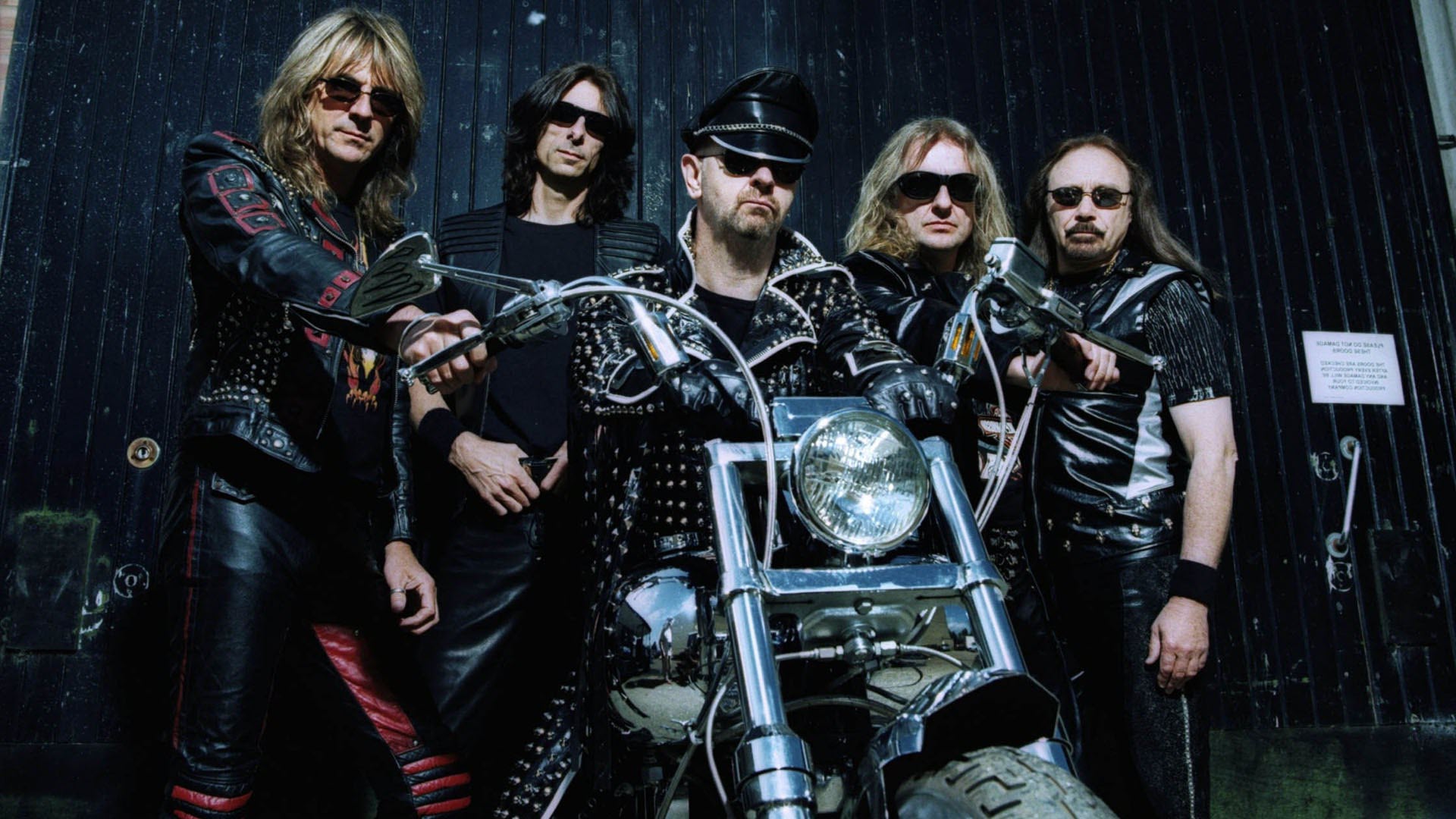
When it comes to the titans of heavy metal, few bands can match the legendary status of Judas Priest. With their electrifying riffs, soaring vocals, and a penchant for theatrical flair, this British band has been a cornerstone of the genre since the 1970s. As pioneers of the sound that would define heavy metal, they’ve inspired countless artists and captivated millions of fans worldwide. From the adrenaline-pumping energy of their anthems to the deep, introspective lyrics that resonate with the soul, Judas Priest has crafted a timeless catalog that stands the test of time.
In this article, we’ll dive into the top 10 most popular Judas Priest songs, each a testament to their incredible talent and innovation. Whether you’re a lifelong fan or a newcomer to their music, prepare to rediscover the tracks that have become synonymous with the metal movement. Get ready to crank up the volume and experience the raw power of Judas Priest, as we celebrate the songs that have not only defined a band but have also left an indelible mark on rock history. Rock on!
1. “Breaking the Law” (1980)
“Breaking the Law” is one of Judas Priest’s most recognizable tracks, and for good reason—it’s a punchy, rebellious anthem that captures the frustration and angst of the everyday person pushed to the edge. The opening riff is instantly recognizable and sets the tone for a song that doesn’t just talk about breaking the rules—it lives it. Rob Halford’s vocals are filled with defiance and urgency, telling the story of someone who’s had enough of society’s constraints. There’s a raw honesty in the lyrics that makes it resonate with anyone who’s ever felt powerless or overlooked. The short runtime only adds to its intensity, delivering its message like a quick, loud burst of resistance. It’s also one of those rare songs that manages to balance simplicity with power—minimalistic in structure, but massive in impact. Over the years, “Breaking the Law” has become more than just a song; it’s a symbol of standing up and pushing back, a soundtrack for every underdog moment. It’s no wonder it continues to be a crowd favorite at Judas Priest’s live shows, where its rallying cry still inspires fists in the air and voices shouting along in unity.
2. “You’ve Got Another Thing Comin'” (1982)
“You’ve Got Another Thing Comin'” is one of Judas Priest’s most empowering songs—an anthem for resilience and unshakeable confidence. Released on their breakthrough album Screaming for Vengeance, this track cemented the band’s place in the pantheon of metal giants. From the moment the guitar riff kicks in, the song feels like a declaration: a bold, unrelenting response to anyone who doubts your strength. Rob Halford delivers the vocals with conviction, channeling a spirit that refuses to be defeated no matter how many times life knocks you down. The lyrics are filled with determination, making it a go-to motivational anthem for generations of fans. Musically, the track blends driving rhythm guitars, a pounding beat, and soaring solos that underscore its powerful message. It’s no surprise that it’s a staple at Judas Priest concerts, often turning into a massive sing-along. The song isn’t just entertainment—it’s fuel for the soul. Whether you’re facing a challenge or simply need a shot of confidence, “You’ve Got Another Thing Comin’” is a reminder that strength comes from within, and the fight isn’t over until you say it is.
3. “Living After Midnight” (1980)
“Living After Midnight” perfectly captures the wild, carefree spirit of rock ‘n’ roll. It’s a celebration of life lived on your own terms, especially when the sun goes down. Released on the British Steel album, the track marked a slightly more radio-friendly side of Judas Priest without losing any of their signature edge. The song’s catchy riff, upbeat tempo, and singable chorus make it one of the band’s most accessible hits. Rob Halford’s vocals exude freedom and mischief as he narrates the thrill of late-night escapades and living in the moment. There’s a sense of rebellion here, not out of anger, but out of joy—the kind that makes you want to roll the windows down and blast this song on the highway. The band’s chemistry shines through in the tight instrumentation, especially the guitar work that adds a dynamic punch to the feel-good vibe. “Living After Midnight” has become a timeless party anthem, often played at shows and celebrated by fans young and old. It stands as a fun, enduring reminder that sometimes the best moments in life happen when the rest of the world is asleep.
4. “Painkiller” (1990)
“Painkiller” is Judas Priest at their most explosive and intense. Released as the title track for their 1990 album, it marked a bold return to their heavier roots and became an instant metal classic. From the rapid-fire drumming in the intro—courtesy of new drummer Scott Travis—to the razor-sharp guitar solos and blistering riffage, the track is an adrenaline rush from start to finish. Rob Halford’s vocals are a force of nature here, reaching impossibly high notes and delivering each line with otherworldly ferocity. Lyrically, the song introduces a powerful, almost mythic savior figure—the Painkiller—who rescues humanity from destruction. The narrative feels larger than life, matching the track’s epic scale and breakneck speed. This is not just a song; it’s a full-blown sonic onslaught that demonstrates everything metal is capable of: speed, precision, power, and drama. Fans and critics alike often cite “Painkiller” as one of the greatest heavy metal songs of all time, and for good reason. It’s the kind of track that leaves you breathless, exhilarated, and ready to hit repeat. In live settings, it’s nothing short of a spectacle.
5. “Hell Bent for Leather” (1978)
“Hell Bent for Leather” is an unapologetic declaration of speed, attitude, and raw rock energy. Released on the album Killing Machine (titled Hell Bent for Leather in the U.S.), the track quickly became a defining anthem for Judas Priest and a cornerstone of their live performances. Musically, the song charges ahead with a tight, galloping rhythm that mirrors the imagery of a roaring motorcycle ride. Glenn Tipton and K.K. Downing’s guitar work is ferocious yet melodic, providing the perfect foundation for Rob Halford’s soaring vocals. The lyrics celebrate a lifestyle of freedom and rebellion, evoking the thrill of fast rides and loud music. It’s also a showcase of the leather-and-steel aesthetic that Judas Priest helped popularize in heavy metal. When performed live, the song is legendary—often featuring Halford riding a Harley onto the stage to thunderous cheers. “Hell Bent for Leather” captures the heart of metal’s appeal: loud, bold, and fueled by an unrelenting desire to live on your own terms. It’s a song that feels like motion, power, and independence all rolled into one high-octane package.
6. “Electric Eye” (1982)
“Electric Eye” is one of Judas Priest’s most compelling songs, combining a futuristic theme with aggressive instrumentation and razor-sharp commentary. Released in 1982 as part of the Screaming for Vengeance album, the track opens with an eerie instrumental called “The Hellion” that seamlessly transitions into the main song. The lyrics plunge into a dystopian world where constant surveillance reigns supreme. Halford’s commanding vocals embody the all-seeing digital force watching every move, making it feel like Big Brother has a guitar and leather jacket. The relentless rhythm section and piercing guitar riffs by Glenn Tipton and K.K. Downing add urgency and drama, pulling the listener into the high-stakes atmosphere. More than just a metal track, “Electric Eye” taps into real societal fears about privacy and control, wrapped in a headbanging package. It’s a fan favorite at live shows, where its unforgettable chorus—”I’m made of metal, my circuits gleam”—gets roared back by thousands. It’s a perfect example of how Judas Priest could be both thought-provoking and wildly entertaining, using metal not just for rebellion but as a vehicle for storytelling and critique.
7. “Beyond the Realms of Death” (1978)
“Beyond the Realms of Death” is a haunting, introspective ballad that reveals a deeper, more emotional side of Judas Priest. Found on their 1978 album Stained Class, the track stands out for its soulful storytelling and profound lyrics about mental health and inner torment. The song begins with a somber, acoustic-like intro that slowly builds in intensity, showcasing Glenn Tipton’s melodic guitar lines before exploding into powerful riffs and solos. Rob Halford’s vocals are heartbreaking and raw, capturing the despair and alienation of a person retreating from a world that has failed them. Lyrically, it confronts isolation and hopelessness in a poetic, compassionate way—offering listeners both catharsis and comfort. The track is structured with shifting moods: gentle passages that reflect inner reflection and massive crescendos that portray emotional outbursts. It’s often praised by fans and critics alike as one of Priest’s most meaningful compositions. Live performances of the song are especially moving, with the audience often falling into hushed awe. “Beyond the Realms of Death” proves that heavy metal can be as emotionally profound as any other genre, serving as both an anthem for the suffering and a call for empathy.
8. “The Sentinel” (1984)
“The Sentinel” is a gripping tale of vengeance, heroism, and survival set to a blazing heavy metal soundtrack. Released in 1984 on the Defenders of the Faith album, this track is storytelling through sound—featuring a lone warrior who rises from devastation to guard what remains. From the very beginning, the song plunges you into an apocalyptic world with its pounding double bass drums and twin guitar harmonies. The riffs are complex and aggressive, matching the song’s narrative intensity. Halford’s vocals are at their theatrical best here, delivering each line with a mix of menace and drama. The structure is intricate, weaving between brutal force and melodic precision, a hallmark of Judas Priest’s sound during the mid-’80s. The guitar solos by Tipton and Downing are especially virtuosic, showcasing the band’s musicianship while advancing the mood of the story. Fans often cite “The Sentinel” as a top-tier deep cut—less mainstream than other hits, but just as essential. Its cinematic scale and relentless pace make it a thrilling ride, proving that Judas Priest could create not just songs, but entire worlds.
9. “A Touch of Evil” (1990)
“A Touch of Evil” is a dark and seductive track that perfectly blends menace and melody. Released in 1990 on the Painkiller album, this song stands out for its slower tempo and sinister atmosphere, contrasting the album’s otherwise blistering pace. It opens with an ominous keyboard riff—an unusual texture for Judas Priest—that sets the tone for a tale about temptation, desire, and the dangerous allure of the unknown. Halford’s vocals are haunting and sultry, embodying both the hunter and the hunted, the sinner and the sinned against. His delivery oozes emotion, making each line feel like a whispered confession or an incantation. The guitars, while not as frenetic as in “Painkiller,” are still sharp and expressive, enhancing the track’s dark ambiance. Lyrically, it plays with the duality of pleasure and pain, exploring the fine line between attraction and destruction. “A Touch of Evil” shows the band’s range—not just in sound, but in tone and thematic complexity. It remains a favorite for fans who appreciate Judas Priest’s more gothic and brooding side. This song proves that metal doesn’t have to be fast to be powerful—it just has to be intense.
10. “United” (1980)
“United” is Judas Priest’s rallying cry for solidarity and strength, delivered with anthemic power and infectious optimism. Released on their 1980 album British Steel, the song is a bold departure from their usual themes of rebellion and darkness. Instead, it’s a message of hope and camaraderie—a call for listeners to stand together through life’s battles. The music is straightforward but effective: a pounding rhythm, sing-along chorus, and power chords that feel like clenched fists raised in unison. Halford’s vocals are triumphant and full of conviction, urging everyone to find unity and pride within the heavy metal community and beyond. The lyrics, though simple, are empowering—“United, united, united we stand / United we never shall fall.” In live settings, it becomes a moment of collective release, with the entire crowd chanting along as one. “United” may not be the band’s most complex composition, but its emotional impact is undeniable. It’s a feel-good anthem for a genre often associated with aggression, reminding fans that heavy metal is also about fellowship, empowerment, and shared passion. Whether you’re a longtime metalhead or a newcomer, “United” is a song that brings everyone together.

Edward Tomlin is a frequent contributor to Singers Room. Since 2005, Singersroom has been the voice of R&B around the world. Connect with us via social media below.









