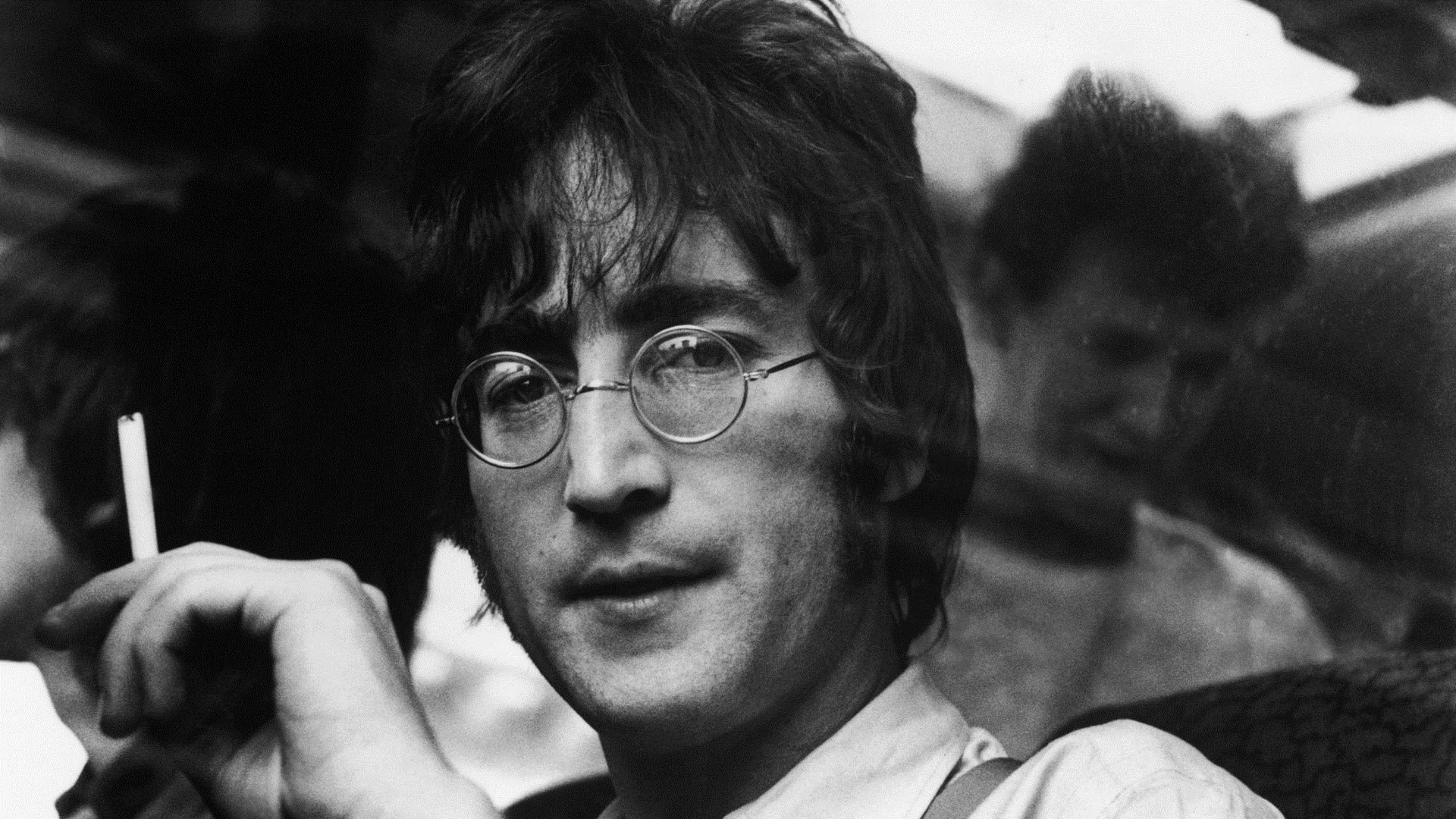
In the annals of music history, few artists have left as profound a mark as John Lennon. As a founding member of The Beatles and a solo artist, Lennon crafted an extraordinary legacy that transcends generations. His songs are not just melodies; they are anthems of love, peace, and introspection that continue to resonate with listeners around the globe. From the vibrant energy of his early Beatles hits to the poignant reflections of his solo career, Lennon’s music captures the essence of human experience.
In this article, we delve into the top 10 most popular John Lennon songs of all time, celebrating the tracks that have defined his illustrious career. Each song tells a unique story, offering a glimpse into Lennon’s thoughts, dreams, and ideals, and showcasing his unparalleled ability to connect with audiences. Whether you’re a lifelong fan or discovering his work for the first time, prepare to embark on a musical journey that highlights the genius of one of the 20th century’s most influential artists. Join us as we explore the timeless magic of John Lennon’s music, one unforgettable song at a time.
1. Imagine (1971)
“Imagine” stands as John Lennon’s most profound and enduring legacy—a musical vision of hope, unity, and peace. Released in 1971, this iconic track invites listeners to dream of a world free from divisions like religion, borders, and materialism. The piano-driven melody is gentle yet emotionally stirring, allowing Lennon’s idealistic lyrics to shine without distraction. There’s a quiet urgency in his voice, as if he’s not just dreaming aloud, but pleading for a better way forward. Though its message may seem utopian to some, it resonates with generations of dreamers, activists, and anyone longing for harmony in a chaotic world. “Imagine” has transcended time and genre, becoming a universal anthem for peace movements and humanitarian causes. Its strength lies in its simplicity—both musically and lyrically—making it accessible and poignant across cultures. Over five decades later, the song remains as relevant as ever, a spiritual call to imagine not just what the world is, but what it could be. Whether played at vigils, protests, or quiet moments of introspection, “Imagine” continues to inspire hope and action, reminding us all that change begins with the courage to envision something better.
2. Instant Karma! (We All Shine On) (1970)
“Instant Karma! (We All Shine On)” captures the fierce urgency and rebellious energy that marked John Lennon’s post-Beatles solo work. Released in 1970, this track is both a musical wake-up call and an anthem of cosmic justice. From the first pounding piano chord to the anthemic chorus, the song brims with raw conviction. Lennon delivers his message with fiery passion, challenging listeners to recognize the immediate consequences of their actions—hence, “instant karma.” The production, famously done by Phil Spector, is bold and gritty, featuring crashing drums and echo-laden vocals that give the song a dynamic, almost confrontational presence. At its core, the track is about personal accountability and the universal light that connects us all—“we all shine on,” he proclaims, urging people to take charge of their lives without delay. More than just a catchy tune, “Instant Karma!” reflects Lennon’s desire to provoke thought and action. It’s a snapshot of a man demanding better from the world and from himself, wrapped in the fearless energy of rock and roll. To this day, it remains a timeless reminder that what we do matters—and often, the consequences come quicker than we expect.
3. (Just Like) Starting Over (1980)
“(Just Like) Starting Over” feels like a breath of fresh air—John Lennon’s warm reintroduction to the world after a five-year break from recording music. Released in 1980, just weeks before his tragic death, the song brims with nostalgia and hope, capturing the spirit of second chances. Its retro rock ‘n’ roll vibe nods to the sounds of the ’50s and early ’60s, with a modern polish that keeps it grounded in its era. Lyrically, Lennon reflects on rekindling love and embracing life with renewed joy and intention. There’s a tenderness in his voice, a genuine affection that speaks of real-life relationships weathering time and change. What makes this song resonate is its personal nature—it feels like Lennon letting us into a private moment of clarity and devotion. Musically upbeat and emotionally resonant, it represents both a return to form and a glimpse into what could have been a new chapter in his artistry. “(Just Like) Starting Over” is more than just a love song; it’s a celebration of resilience, growth, and the beauty of beginning again, no matter how far you’ve come.
4. Woman (1980)
“Woman” is John Lennon’s poetic love letter, not just to Yoko Ono, but to all women whose strength and beauty often go uncelebrated. Released in 1980 on the *Double Fantasy* album, the track reveals a softer, more introspective side of Lennon, one shaped by maturity, reflection, and gratitude. His voice carries a gentle sincerity as he sings of love, regret, and admiration, blending vulnerability with reverence. The lyrics are heartfelt and deeply personal—acknowledging his past mistakes while expressing deep appreciation for the woman by his side. Musically, the song is wrapped in lush melodies and soft harmonies, creating a soothing and intimate atmosphere. It feels like a whispered apology and a tender tribute all at once. “Woman” stands as a universal anthem of love and respect, transcending Lennon’s personal story to touch the hearts of anyone who’s loved and been loved in return. It’s a reminder of the healing power of affection and the importance of honoring those we hold dear. Even decades later, the song continues to resonate, offering comfort and inspiration with every note.
5. Give Peace a Chance (1969)
“Give Peace a Chance” emerged in 1969 as a powerful and unifying anthem during one of the most turbulent eras in modern history. Recorded during John and Yoko’s famous Bed-In for Peace in Montreal, the song’s charm lies in its simplicity. It’s more chant than complex composition, built around a single catchy phrase that quickly caught fire among anti-war demonstrators around the globe. Lennon’s intention was clear: create a song that everyone could sing, regardless of musical ability or political background. The stripped-down production, complete with background chatter and group vocals, gives it a raw, communal feel—like a spontaneous sing-along at a protest or rally. What “Give Peace a Chance” lacks in musical complexity, it more than makes up for in message. It became a slogan, a movement, a shared cry for nonviolence during the Vietnam War and beyond. Lennon once said, “All we are saying is give peace a chance,” and that statement still echoes across generations. The song remains a living piece of history, a testament to the idea that sometimes, the most profound messages are also the simplest. It’s a reminder that unity in voice can be a catalyst for real change.
6. Happy Xmas (War Is Over) (1971)
Released in 1971, **”Happy Xmas (War Is Over)”** stands out as a unique blend of holiday warmth and pacifist conviction. Co-written with Yoko Ono, the song opens with tender acoustic guitar and soft orchestral touches, building toward a crescendo of hope that echoes through time. Lennon’s voice carries a gentle reassurance as he juxtaposes the joy of the season with the stark reality of war—inviting listeners to reflect and act. The inclusion of children’s voices singing the refrain gives the track a communal, almost hymn-like quality, reminding us that peace is a collective aspiration. Visually accompanied by iconic album art featuring a white poster declaring, “War Is Over! If You Want It,” the message feels both intimate and urgent. Over the decades, this song has become a nontraditional holiday evergreen: one part festive carol, one part call to conscience. Even now, it’s regularly embraced during the holiday season not only for its melodic warmth but for the powerful reminder that kindness, unity, and activism can coexist with celebration. It’s a song that encourages us to spread love and purpose—and to remember that peace begins with individual choice.
7. Jealous Guy (1971)
Originally written during The Beatles era, **”Jealous Guy”** was officially released in 1971 on Lennon’s *Imagine* album. The song is a raw and emotionally honest confession of regret and love marred by insecurity. Lennon’s voice is vulnerable yet tender, as he sings of jealousy’s destructive power and seeks forgiveness for the hurt he’s caused—“I’m sorry that I made you cry, oh, I didn’t want to hurt you.” What makes this song so powerful is its universality: nearly everyone has loved imperfectly or let jealousy distort a relationship. The arrangement is understated—soft piano, gentle strings, and a slow tempo that gives weight to every lyric. As the track unfolds, it’s clear that Lennon isn’t trying to fix things; he’s simply expressing a heartfelt apology and acknowledging his own mistakes. Over time, “Jealous Guy” has been covered by countless artists across genres, each bringing new emotion to Lennon’s words. Yet the original remains unmatched in its intimacy and bravery. It’s a testament to Lennon’s songwriting—and to the healing potential of emotional honesty and self-awareness.
8. Mind Games (1973)
Released in 1973, **”Mind Games”** marks a transitional point in John Lennon’s solo career—a shift toward exploring the complexities of human connection and consciousness. The track opens with dreamy electric piano chords and a pulsing rhythm that evokes both serenity and tension. Lyrically, Lennon encourages his listeners to embrace love, open their minds, and think beyond everyday distractions: “Love is the answer, and you know that for sure.” The song blends elements of psychedelic pop with a peaceful, spiritual message—there’s a calm intensity in Lennon’s delivery that feels both introspective and inspiring. While it lacks the simplicity of earlier political anthems, “Mind Games” digs deeper into emotional and psychological territory, suggesting that internal transformation is the key to broader change. The layered vocals and harmonies reinforce the message of unity—mind games shouldn’t be about conflict, but about shared enlightenment. Over time, the song has gained renewed appreciation as a meditation on the power of thought, intention, and human connection. It showcases Lennon’s evolving artistry and his belief that music can be both reflective and revolutionary.
9. Power to the People (1971)
**”Power to the People,”** released in 1971, is a straightforward and forceful anthem of activism that captures John Lennon at his most politically engaged. Driven by a bold riff and punchy rhythm, the song is built for rallying crowds, with a chorus designed for mass participation. Lennon delivers his message with clarity and passion: “Say you want a revolution, we better get on right away.” The lyrics call for collective action and self-determination, especially in a historical moment defined by political unrest and social change. With jangly guitars and simple yet effective production, the song feels accessible—like a call-and-response chant you’d hear at a protest. Despite—or because of—its straightforwardness, it remains a powerful exhortation: change begins when people speak up and act together. Hallmarks of Lennon’s activism are on full display—this is not an abstract ideal but a street-level plea for empowerment and community. Decades later, “Power to the People” is still used in rallies and gatherings, a reminder that music and social change remain intertwined—and that calling for power doesn’t guarantee it, but gives you a fighting chance.
10. Working Class Hero (1970)
Released in 1970 on his *Plastic Ono Band* album, **”Working Class Hero”** is one of John Lennon’s most stark and provocative songs. Stripped down to just an acoustic guitar and Lennon’s voice, the track’s rawness feels intentional—there’s no distraction from the biting critique embedded in the lyrics. Lennon dissects social conditioning, class limitations, and the emotional toll of conformity with brutal honesty: “They hurt you at home and they hit you at school… and they keep you doped with religion, sex, and TV.” The song speaks directly to everyday struggle, offering a voice to those who feel marginalized or disempowered. Lennon’s vocal delivery is quiet but cutting; he doesn’t shout, but every word lands like a punch, challenging the listener to reflect. The minimalist arrangement, combined with the lyrical gravity, makes this one of his most compelling pieces. Despite its autobiographical tone, the sentiment is communal—it’s for anyone who’s felt worn down by social pressure. Still relevant today, “Working Class Hero” stands as a timeless commentary on inequality, identity, and the power structures that shape our lives. It’s a defiant, sobering declaration that being aware is the first step toward change.

Edward Tomlin is a frequent contributor to Singers Room. Since 2005, Singersroom has been the voice of R&B around the world. Connect with us via social media below.









