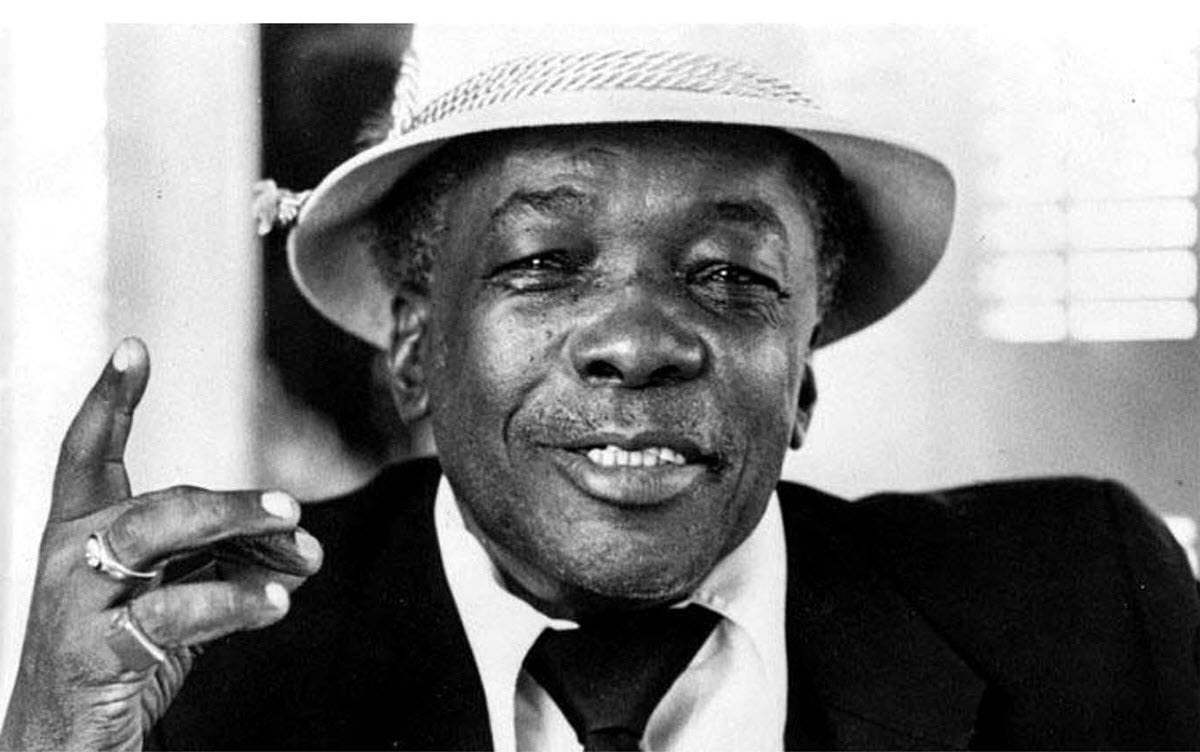
When it comes to the rich tapestry of American blues, few names resonate as deeply as John Lee Hooker. With his distinctive voice and powerful guitar riffs, Hooker not only shaped the genre but also carved a lasting legacy that continues to inspire musicians and fans alike. Born in Mississippi in 1917, he emerged from humble beginnings to become a titan of the blues, blending traditional Delta sounds with urban sophistication.
Hooker’s music is a compelling journey through the struggles and triumphs of life, capturing everything from heartache to resilience. His iconic tracks, characterized by raw emotion and a hypnotic rhythm, have made him an enduring figure in music history. In this article, we’ll explore the top 10 most popular John Lee Hooker songs of all time, each a testament to his unmatched artistry and influence. Whether you’re a lifelong fan or new to his work, these tracks showcase the essence of Hooker’s genius and the timeless nature of the blues. Get ready to dive into the soulful world of John Lee Hooker, where every note tells a story and every rhythm pulses with life.
1. Boogie Chillen’ (1948)
“Boogie Chillen'” marks the explosive debut of John Lee Hooker, a track that forever changed the landscape of modern blues. Released in 1948, it was unlike anything audiences had heard before—raw, stripped down, and driven by nothing more than Hooker’s stomping foot, electric guitar, and hypnotic rhythm. The song tells a semi-autobiographical story about a young man discovering freedom, nightlife, and the power of music in Detroit. With his deep, drawling vocals and chugging guitar line, Hooker creates a groove that seems to echo straight from the soul. It wasn’t just a hit—it was a revolution. “Boogie Chillen’” climbed the charts and brought Hooker national attention, laying the foundation for a blues style that was both deeply traditional and thrillingly new. The track captures a moment in time, yet its minimalist power continues to resonate decades later. More than a song, “Boogie Chillen’” is a statement of identity and independence, declaring that the blues is personal, electric, and endlessly alive.
2. One Bourbon, One Scotch, One Beer (1966)
With “One Bourbon, One Scotch, One Beer,” John Lee Hooker crafts a barroom blues tale that’s part confession, part coping mechanism, and all heart. Released in 1966, the song is a perfect example of Hooker’s storytelling magic. He takes a simple premise—a man trying to drink away his troubles—and turns it into a vivid, spoken-word-style blues narrative. Each verse pulls listeners further into the scene: the unpaid rent, the arguments, the heartbreak, and the only solace found in a smoky bar with three stiff drinks. What makes this track so timeless is the way Hooker balances the sorrow with humor and groove. His phrasing feels like a conversation, casual yet cutting, making listeners feel like they’re sitting right there at the bar with him. The guitar playing is deliberate and steady, mimicking the slow burn of whiskey down the throat. It’s not just about the booze—it’s about pain, pride, and finding strength in the blues. “One Bourbon, One Scotch, One Beer” is gritty, authentic, and deeply human—an anthem for those who’ve felt down but never out.
3. Dimples (1956)
“Dimples,” released in 1956, is one of John Lee Hooker’s most charming and seductive songs. With a swagger that’s both playful and soulful, Hooker crafts a blues number that feels like a flirtatious grin set to music. The song revolves around admiration—of a woman’s beauty, yes, but also the spellbinding way she carries herself. Hooker’s delivery is smooth and teasing, his voice rolling over each line like he’s savoring the words. The guitar riff, repetitive yet magnetic, drives the track forward with irresistible momentum. What gives “Dimples” its magic is the balance between confidence and yearning—it’s romantic, but never sappy; cool, but never cold. This isn’t heartbreak blues—it’s attraction blues, delivered with just enough grit to keep things grounded. Over the years, “Dimples” became one of Hooker’s most recognizable songs, covered by many but rarely with the same sly charm. It’s a track that proves blues doesn’t always have to be about sorrow—it can groove, seduce, and make you smile. Hooker wasn’t just playing the blues; he was living it with style.
4. Boom Boom (1962)
“Boom Boom” is arguably John Lee Hooker’s most instantly recognizable hit, a blues classic that crossed into rock and roll territory with undeniable swagger. Released in 1962, this song explodes with energy from the very first note. The driving rhythm, punchy guitar, and Hooker’s gritty vocals create a track that demands attention. It’s a blues song, yes, but it grooves like a dance floor anthem. The lyrics are flirtatious and cheeky—Hooker sees a woman walk by and lets her know, in no uncertain terms, that she’s got his full attention. “Boom Boom” is playful, assertive, and dripping with attitude. It’s the sound of the blues getting loud, confident, and fun. The song quickly became a staple in Hooker’s live performances and has been covered by countless artists, from The Animals to the Yardbirds, helping cement his influence on rock music. What makes “Boom Boom” endure is its simplicity—just a great riff, a catchy hook, and pure charisma. It’s Hooker at his most infectious, showing that the blues can be just as exciting and danceable as any pop hit. It still hits hard today, like a musical lightning bolt.
5. I’m in the Mood (1951)
“I’m in the Mood,” released in 1951, is a slow-burning blues masterpiece that simmers with longing and desire. From the moment John Lee Hooker’s voice enters, low and sultry, the mood is set. There’s no rush here—just a steady, seductive groove and Hooker’s signature minimalist style. The guitar lines are sparse but perfectly placed, giving his voice the space to draw listeners into a world of late-night intimacy. Lyrically, the song is simple and direct: Hooker is in the mood for love, and he wants his partner to know it. But there’s a vulnerability under the surface, a quiet plea wrapped in confidence. It’s this emotional layering that makes the song so compelling. The track was a massive success and became one of Hooker’s signature songs, influencing generations of blues and rock musicians. With “I’m in the Mood,” Hooker showed that the blues didn’t have to shout to be powerful—it could whisper and still shake your soul. The song’s magic lies in its restraint, its hypnotic rhythm, and the way it captures a feeling we’ve all known: the aching need to connect.
6. “I’m in the Mood” (1951)
“I’m in the Mood” stands out as one of John Lee Hooker’s most iconic songs, showcasing his deep, mesmerizing voice and signature guitar style. Released in 1951, the track simmers with raw emotion and sensual tension. The repetitive, hypnotic riff creates a trance-like feel that pulls the listener into Hooker’s world—a world filled with longing and desire. Unlike the flashier blues of his peers, Hooker’s stripped-down, minimalistic approach lets every note breathe, emphasizing mood over melody. The song’s power lies in its simplicity, allowing Hooker’s emotion to cut through clearly. With its slow groove and simmering intensity, “I’m in the Mood” became a crossover hit, reaching audiences well beyond traditional blues circles. It’s a prime example of how Hooker could make the blues deeply personal while remaining universally relatable. His influence is evident in the countless artists who have covered this song, and it remains a cornerstone of modern blues.
7. “Crawlin’ King Snake” (1949)
Released in 1949, “Crawlin’ King Snake” is a sultry, swaggering blues number that highlights John Lee Hooker’s ability to turn a traditional Delta blues song into something deeply personal. With lyrics drawn from old folk blues standards, Hooker reinterprets the material through his own haunting vocal delivery and signature guitar rhythms. His foot-stomping beat and hypnotic guitar lines create a dark, almost predatory atmosphere that suits the song’s lyrical bravado. The snake metaphor adds layers of dominance, secrecy, and seduction, and Hooker embodies it with authority. What makes this version so compelling is the subtle tension Hooker builds with his pacing and phrasing—he doesn’t rush; he draws you into his lair. “Crawlin’ King Snake” is a standout in Hooker’s early catalog and has influenced generations of blues and rock musicians, including The Doors and The Black Keys. It’s a brilliant example of how he made the blues feel alive and dangerous.
8. “Shake It Baby” (1963)
“Shake It Baby,” released in 1963, is a high-energy, electrified blues track that radiates joy and movement. In this song, John Lee Hooker moves away from the slow, brooding blues he’s often known for and delivers something more upbeat and danceable. With a steady, pulsing rhythm and catchy guitar licks, the track invites the listener to get up and groove. Hooker’s voice is playful yet commanding, encouraging his audience to let loose and feel the music. The repetition in both the lyrics and guitar creates a hypnotic drive that’s hard to resist. “Shake It Baby” captures the raw spontaneity of Hooker’s live performances, where rhythm and energy took precedence over polish. It’s a fun, irresistible jam that also demonstrates Hooker’s range as an artist—he could be dark and intense, but he also knew how to make people move. This track remains a dance-floor favorite among blues fans and a testament to Hooker’s versatility.
9. “Boom Boom” (1962)
“Boom Boom” is arguably John Lee Hooker’s most famous and widely recognized song. Released in 1962, it’s a masterclass in blues swagger and attitude. From the opening riff, “Boom Boom” hooks the listener with a groove that’s both infectious and irresistible. Hooker’s vocals are brimming with charm, confidence, and just a hint of menace, as he sings about catching the attention of someone he just can’t resist. The tight, punchy rhythm section gives the song a rock ’n’ roll edge, making it one of Hooker’s most accessible tunes. It quickly became a crossover hit, cementing his status as a blues legend. The track’s success also helped Hooker find a new generation of fans in the British blues and rock scenes. “Boom Boom” has been covered countless times, but the original still hits the hardest. With its mix of flirtation and grit, the song remains a signature anthem of electric blues.
10. “Hobo Blues” (1950)
“Hobo Blues” is a deeply personal and melancholic song that showcases John Lee Hooker’s storytelling brilliance. Released in 1950, the track reflects on his experiences as a young man traveling across the country, riding trains and living the uncertain life of a drifter. The acoustic arrangement is stark and haunting, placing Hooker’s raw voice front and center. His guitar playing mimics the rhythm of a slow train, and his lyrics are filled with longing and regret. There’s a real sense of solitude in this song—Hooker doesn’t romanticize the hobo life; instead, he shares its emotional weight. “Hobo Blues” is more than just a blues tune; it’s a snapshot of post-war America seen through the eyes of someone on the margins. The vulnerability in Hooker’s performance makes it one of his most emotionally resonant songs. It’s a beautiful example of how he could channel personal pain into timeless music that still speaks to listeners today.

Edward Tomlin is a frequent contributor to Singers Room. Since 2005, Singersroom has been the voice of R&B around the world. Connect with us via social media below.







