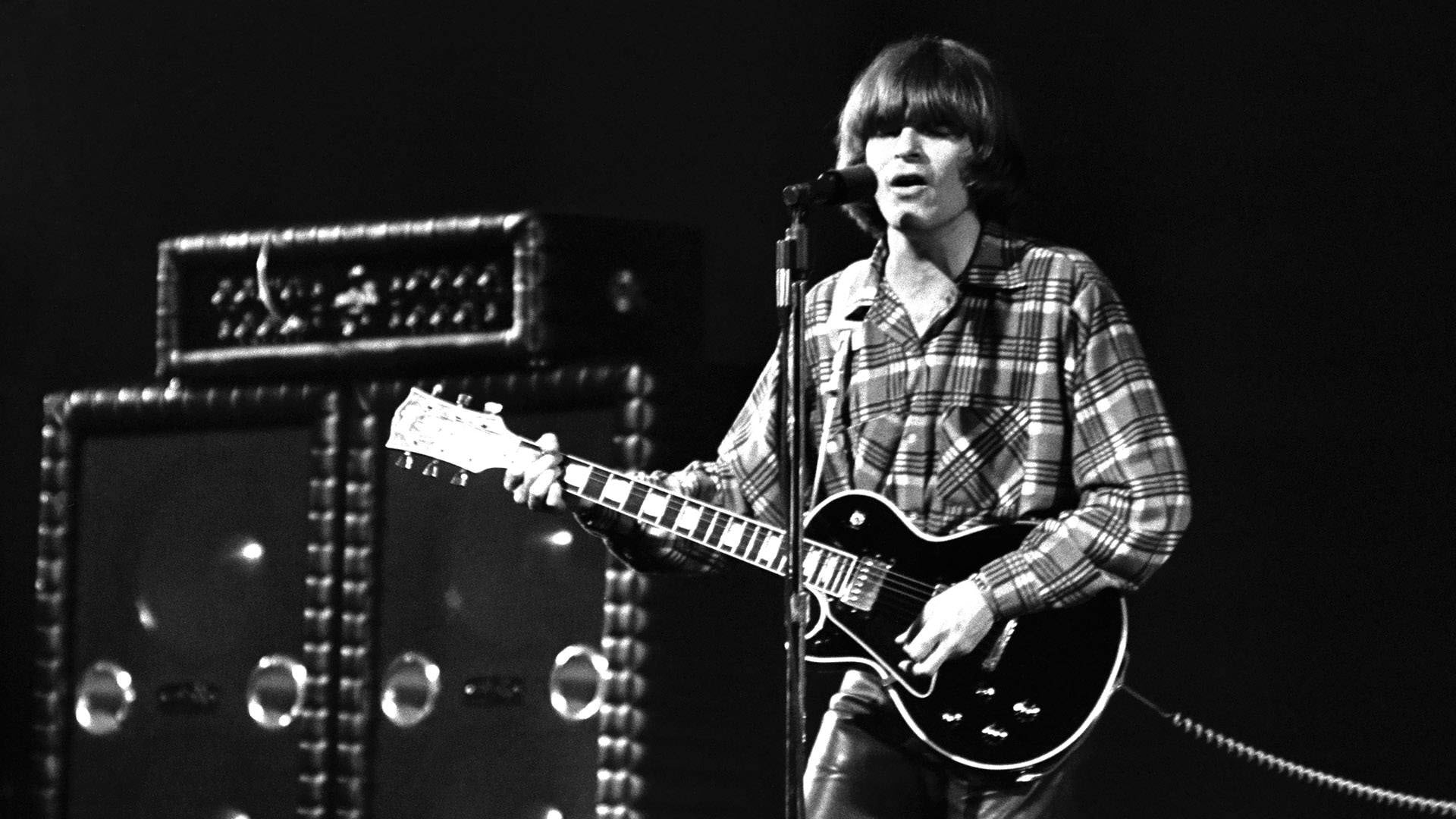
Few artists have left as deep a mark on American rock music as John Fogerty. As the unmistakable voice and creative force behind Creedence Clearwater Revival (CCR), and later as a wildly successful solo artist, Fogerty has crafted some of the most iconic songs in rock history. From swampy Southern rock anthems to heartfelt Americana ballads, his music has become the soundtrack of generations, echoing through war protests, baseball stadiums, and backyard barbecues alike. With his gritty vocals, unforgettable guitar riffs, and razor-sharp songwriting, Fogerty captured the spirit of a restless nation and turned it into pure rock and roll magic.
Whether you’re revving up with “Fortunate Son”, rolling down the river with “Proud Mary”, or stepping up to the plate with “Centerfield”, Fogerty’s songs are more than just hits—they’re cultural touchstones. In this article, we’re counting down the Top 10 Most Popular John Fogerty Songs of All Time, celebrating the tracks that defined a generation and continue to inspire new fans today. So crank up the volume, put on your flannel, and get ready to rock—because we’re diving headfirst into the legendary soundscape of one of America’s greatest musical storytellers.
1. Proud Mary (1969)
“Proud Mary” wasn’t just a breakout moment for Creedence Clearwater Revival—it was a lightning strike that lit up the rock world. Released in January 1969, this is the song that introduced John Fogerty’s signature swampy sound to the masses. With its rolling rhythm, soulful backing vocals, and riverboat imagery, “Proud Mary” plays like a slow cruise down the Mississippi, carrying the listener through the heart of Americana. Fogerty’s raspy, impassioned delivery gives the track both grit and grace, while his clean guitar work roots the song in a kind of rugged simplicity. It’s storytelling through rhythm—equal parts rock, gospel, and southern blues. Though many know the fiery Ike & Tina Turner rendition, the original version remains iconic in its own right: raw, rootsy, and rich with atmosphere. It defined CCR’s sound and became a touchstone for countless covers and tributes. “Proud Mary” isn’t just a song—it’s a river of sound that’s still rolling strong more than five decades later.
2. Fortunate Son (1969)
“Fortunate Son” arrived in November 1969 like a fist through the radio dial—a two-and-a-half-minute burst of righteous fury. With its blistering opening riff and snarling vocals, the track distilled the frustration and resentment of an entire generation into one scathing protest anthem. John Fogerty’s lyrics pull no punches, calling out the hypocrisy of privileged elites who dodged the Vietnam War while working-class Americans were shipped off to fight. There’s no fat on this track—just raw energy, sharp commentary, and a searing guitar line that refuses to be ignored. More than just a protest song, “Fortunate Son” became an enduring symbol of resistance, not just to war, but to inequality and injustice in any form. Its message has aged far too well, reappearing in movies, rallies, and political ads whenever tensions flare. This isn’t just a relic of the 1960s—it’s a perpetual battle cry. Fogerty didn’t just write a song—he channeled a national outrage and gave it a beat that still hits like a gut punch.
3. Bad Moon Rising (1969)
Don’t be fooled by its upbeat strumming—“Bad Moon Rising,” released in April 1969, is a classic case of dark lyrics wrapped in an irresistibly catchy melody. With a jaunty rhythm and singalong chorus, the song might sound cheerful at first blush, but listen closer and you’ll hear warnings of disaster, chaos, and apocalyptic dread. Fogerty wrote the song inspired by a film scene showing a massive hurricane, and that tension between calm and catastrophe is woven throughout. What makes “Bad Moon Rising” so brilliant is how it sneaks that foreboding sense of doom into a toe-tapping folk-rock tune. It’s a masterclass in contrast: simple chords, sunny delivery, and lyrics that talk about hurricanes blowing, rivers overflowing, and impending ruin. Despite—or perhaps because of—this clever dissonance, the song became one of CCR’s most beloved hits. It’s infectious, ominous, and uniquely American in its blend of optimism and warning. Few tracks can make you dance and look over your shoulder at the same time, but this one does it perfectly.
4. Have You Ever Seen the Rain? (1971)
Released in January 1971, “Have You Ever Seen the Rain?” stands as one of Creedence Clearwater Revival’s most emotionally resonant songs. Written by John Fogerty during a turbulent time in the band’s history, the song uses simple yet poetic language to explore feelings of disillusionment and burnout. Though it’s often interpreted as a metaphor for the Vietnam War or personal depression, Fogerty has said it was really about the band’s internal struggles—how everything can seem sunny on the outside even when a storm is approaching. Musically, the track is stripped down and reflective, with gentle acoustic guitar, a steady drumbeat, and Fogerty’s weary, searching vocal delivery. The rain in the lyrics isn’t just literal—it’s symbolic of confusion, change, and emotional heaviness. What makes the song so timeless is that it speaks to anyone who has experienced joy shadowed by sadness. “Have You Ever Seen the Rain?” is more than a question—it’s a quiet confession, wrapped in melody, asking listeners to confront the storms in their own lives.
5. Green River (1969)
“Green River,” released in August 1969, is pure, distilled nostalgia from John Fogerty’s soul. Evoking images of childhood summers, fishing trips, and lazy afternoons by the water, the song taps into a deep vein of Americana that feels both personal and universal. With its swampy, punchy guitar riff and driving rhythm section, the track doesn’t just reminisce—it barrels forward with energy and confidence. Fogerty’s vocals are sharp and urgent, yet tinged with longing, perfectly capturing that elusive feeling of wanting to return to a simpler, freer time. Inspired by his own memories of visiting Putah Creek in California, “Green River” isn’t just a geographical reference—it’s a state of mind. The song showcases everything CCR did best: tight instrumentation, vivid storytelling, and a blend of rock, blues, and country that made their sound so distinct. It’s a musical postcard from a place you may never have been, but somehow know by heart. Fogerty didn’t just write a song—he bottled a moment in time.
6. Centerfield (1985)
After a decade of legal battles and silence, John Fogerty came roaring back in 1985 with “Centerfield,” a solo triumph that doubled as a heartfelt tribute to baseball and a metaphor for personal redemption. From its opening claps to the instantly iconic line—“Put me in, coach, I’m ready to play!”—the song is a celebration of second chances and long-awaited comebacks. Fogerty, sidelined by disputes with his former label, channeled his return into this energetic anthem, using baseball metaphors to reflect his own desire to get back in the game. Musically, it’s upbeat and breezy, with jangly guitars and a melody that feels like a warm summer day at the ballpark. But beyond the sports imagery lies a universal message about perseverance, hope, and stepping up when the moment calls. “Centerfield” became a staple at baseball stadiums across America, but its real power is how it resonates with anyone who’s ever waited for their shot at redemption. It’s more than a sports song—it’s a celebration of the American spirit, sung by a man who knows what it means to fight your way back.
7. Down on the Corner (1969)
“Down on the Corner,” released in October 1969, is a joyful burst of rhythm and street-side charm. With its washboard percussion, jangly guitars, and bouncy beat, it conjures a scene straight out of small-town America—where impromptu music sessions on the corner can lift spirits and bring neighbors together. John Fogerty brings to life the fictional band “Willy and the Poor Boys,” an everyman group whose simple tunes get people smiling and tapping their feet. It’s a celebration of music for music’s sake: raw, accessible, and community-driven. The song’s playful lyrics and catchy groove made it an instant radio hit, proof that CCR could deliver feel-good tunes just as powerfully as their more politically charged numbers. There’s a homespun magic here, a reminder that great music doesn’t need a studio or a big stage—just a few instruments, a little rhythm, and an audience ready to enjoy. “Down on the Corner” is a street performance you never want to end.
8. Run Through the Jungle (1970)
Released in April 1970, “Run Through the Jungle” plunges listeners into a world of paranoia, fear, and foreboding—soundtracked by one of CCR’s most haunting riffs. Though often linked with the Vietnam War due to its jungle imagery and ominous tone, John Fogerty later clarified that the song was a commentary on America’s growing obsession with guns. That context only deepens the eerie weight of the track. Built on a hypnotic guitar line and laced with eerie sound effects, the song captures a sense of menace that lingers long after the final note. Fogerty’s vocals are filled with tension, and the sparse, echoing arrangement adds to the feeling of being trapped or hunted. This is CCR at their most atmospheric—eschewing catchy hooks for mood, and delivering a sonic warning that still resonates in today’s turbulent times. “Run Through the Jungle” isn’t just a song—it’s an immersive experience, pulling you into a dark landscape where every sound feels like a threat.
9. Who’ll Stop the Rain (1970)
“Who’ll Stop the Rain,” released in January 1970, is a quiet yet powerful reflection on history, disillusionment, and the search for answers in a chaotic world. Serving as the B-side to the raucous “Travelin’ Band,” the song couldn’t be more different in tone. With gentle acoustic strumming and a simple, solemn melody, it presents a weary narrator seeking shelter from the storm—both literal and metaphorical. Fogerty’s lyrics move from ancient times to present-day confusion, suggesting that the struggle for truth and understanding is eternal. The song doesn’t preach or shout; instead, it quietly asks a profound question: When will the turmoil end? In contrast to other protest songs of the era, “Who’ll Stop the Rain” conveys its message with subtlety and poetic grace. It’s a lament and a prayer, capturing the emotional fatigue of those trying to make sense of a world spinning out of control. One of Fogerty’s most enduring compositions, it remains a touchstone for anyone seeking clarity in the storm.
10. Rock and Roll Girls (1985)
“Rock and Roll Girls,” released in 1985 from John Fogerty’s Centerfield album, is a breezy, nostalgic tribute to youth, freedom, and the carefree magic of summer. Built on a simple, toe-tapping rhythm and accented by a bright saxophone hook, the song carries the unmistakable warmth of a sunny day spent chasing dreams and good times. Unlike some of Fogerty’s heavier, politically driven work, this track feels lighthearted and intimate—a snapshot of innocence captured in three minutes. The lyrics celebrate the simple joys of cruising with friends, listening to music, and falling in and out of love with ease. It’s not just a look back—it’s a reminder of how certain moments, no matter how small, can define a feeling of pure happiness. With its clean production, easygoing groove, and singalong charm, “Rock and Roll Girls” stood out as a fan favorite and proved that Fogerty’s songwriting magic was alive and well. It’s a love song—not to a person, but to a time, a place, and the music that makes it all unforgettable.

Samuel Moore is a frequent contributor to Singers Room. Since 2005, Singersroom has been the voice of R&B around the world. Connect with us via social media below.









