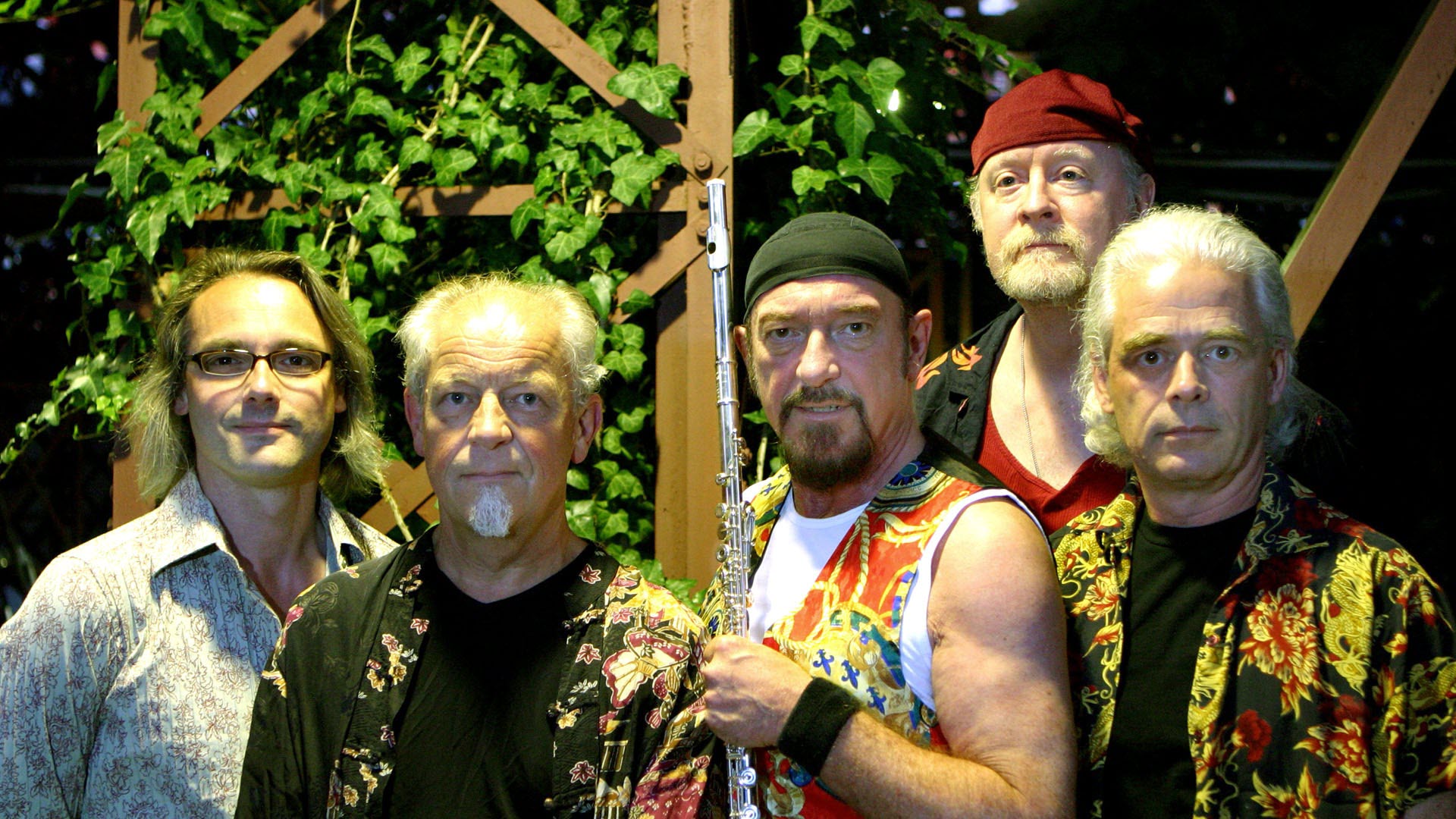
Few bands in rock history have blended genres, challenged conventions, and sparked imaginations quite like Jethro Tull. With their signature fusion of progressive rock, folk, blues, and classical influences, led by the unmistakable flute and sharp wit of frontman Ian Anderson, Jethro Tull carved out a sound that was as eccentric as it was electrifying. From sprawling concept albums to razor-sharp singles, their music defies easy categorization—and that’s exactly why it continues to captivate listeners across generations.
Whether you’re a lifelong fan or just discovering the band’s rich catalog, this list dives into the Top 10 most popular Jethro Tull songs of all time—the tracks that have defined their legacy, moved crowds, and stood the test of time. These aren’t just fan favorites; they’re cultural touchstones, each representing a unique chapter in the band’s evolution. From the haunting riff of Aqualung to the folk-laced joy of Songs from the Wood, these songs showcase the band’s brilliance in storytelling, musicianship, and fearless experimentation.
So dust off your LPs, crank up the volume, and journey through the world of one of rock’s most innovative and enduring acts. Here are the songs that made Jethro Tull legendary.
1. “Aqualung” (1971)
“Aqualung” stands as Jethro Tull’s most iconic song—part grim character sketch, part rock powerhouse, and wholly unforgettable. Released as the title track to their 1971 breakthrough album, it paints a stark portrait of a disheveled vagabond lurking on society’s edge. Ian Anderson doesn’t just sing the lyrics—he inhabits them, delivering each line with a gravelly intensity that makes Aqualung feel as real as the man next to you on the subway. The song opens with an eerie, almost acoustic melancholy, before erupting into a thunderous guitar riff that showcases Martin Barre’s legendary solo—still hailed as one of the finest in classic rock. The shifts between quiet folk passages and full-on hard rock aren’t just stylistic flourishes; they mirror the duality of the character himself—pitiful yet menacing, broken yet resilient. The result is a complex musical narrative that pushed boundaries and helped reshape what rock could express. “Aqualung” didn’t just define Jethro Tull’s sound—it announced their arrival as bold storytellers and sonic adventurers. Even decades later, it remains a visceral, challenging listen that lingers long after the last note fades.
2. “Locomotive Breath” (1971)
“Locomotive Breath” charges forward like the steel beast it’s named after—relentless, massive, and impossible to stop. One of Jethro Tull’s most enduring tracks, it debuted on the 1971 Aqualung album and has since become a staple of their live shows. The song starts not with thunder, but with a deceptively delicate piano intro that builds ominously, like a train inching out of a station before picking up terrifying speed. Then it hits: barreling drums, gritty guitar, and Anderson’s signature flute—cutting through the mix like a whistle in the night. Lyrically, the song tells of a man hurtling out of control, a metaphor for modern life’s crushing inevitability and personal chaos. The bluesy core of the track gives it a rawness, while the layered arrangement elevates it into progressive territory. Anderson’s vocals ride the rhythm like a man clinging to fate, and the entire composition mirrors its narrative—urgent, chaotic, yet tightly engineered. “Locomotive Breath” isn’t just a song; it’s a sonic steam engine that builds momentum with every bar. It captures the band’s unique ability to marry lyrical depth with instrumental force—and it still feels like it could derail at any moment.
3. “Thick as a Brick (Part 1)” (1972)
When Jethro Tull released “Thick as a Brick” in 1972, they weren’t just making music—they were poking fun at the very genre they helped define. Clocking in at over 20 minutes on Side A of the original album, “Part 1” is a masterstroke of satire and ambition. Presented as a setting of a poem supposedly written by 8-year-old prodigy Gerald Bostock, the lyrics overflow with wordplay, absurdity, and buried meaning. But the brilliance lies in how well it works musically. Anderson and company weave through a kaleidoscope of moods, tempos, and time signatures with seamless finesse. Acoustic passages give way to electric barrages; flutes dart in and out of intricate rhythm changes; melodies rise and fall like an operatic epic. It’s equal parts pastiche and precision—a sly wink at the excesses of prog rock, wrapped inside one of the genre’s most towering achievements. “Thick as a Brick” challenges the listener to dig deeper while also reveling in its own absurdity. More than 50 years later, it stands as both a satire of complexity and a celebration of it—proof that intelligence, humor, and musical virtuosity can thrive in the same space.
4. “Bungle in the Jungle” (1974)
“Bungle in the Jungle” may be one of Jethro Tull’s most radio-friendly hits, but don’t mistake its accessibility for simplicity. Released on 1974’s War Child, the song is as sharp in wit as it is smooth in melody. Built around clever animal metaphors, it uses the chaos of the natural world to mirror human society—its power struggles, survival instincts, and petty cruelties. Ian Anderson’s vocal delivery is sly and slightly theatrical, perfectly suited to the song’s playful yet biting tone. The arrangement is lush, featuring layered strings, rhythmic guitar strums, and, of course, Anderson’s signature flute weaving through the mix. With a catchy chorus and tight runtime under four minutes, it was tailor-made for airplay without sacrificing the band’s distinctive style. Unlike their sprawling epics, “Bungle in the Jungle” showcases Jethro Tull’s ability to distill their message into a compact package without losing their artistic edge. It’s satire with a groove, and it remains one of the band’s most memorable for its balance of commercial charm and lyrical bite.
5. “Living in the Past” (1969)
“Living in the Past” is a rarity: a hit song in 5/4 time that still managed to feel instantly catchy. Released as a standalone single in 1969, this jazzy oddity became one of Jethro Tull’s earliest breakout tracks. From the first notes of its bouncy bass line and off-kilter rhythm, the song hooks the listener in a way that feels both sophisticated and effortless. The flute melody dances with elegant restraint, giving it a refined edge, while Ian Anderson’s vocals glide across the syncopated groove with a cool, detached charm. Lyrically, the song critiques nostalgia and the tendency to romanticize the past instead of engaging with the present. But rather than sound bitter, it carries a breezy, almost ironic tone—underscoring its message with a wink. “Living in the Past” showcased the band’s willingness to take risks early on, proving that unconventional ideas could still have wide appeal. It later lent its name to the 1972 compilation album, reinforcing its importance in the Tull canon. Few bands could make such an unusual composition feel so natural—and that’s exactly what makes it timeless.
6. “Cross-Eyed Mary” (1971)
“Cross-Eyed Mary” is a gritty tale wrapped in one of Jethro Tull’s most hard-hitting arrangements. Released on the 1971 Aqualung album, it serves as a thematic companion piece to the title track, diving deeper into society’s forgotten and shamed. The song tells the unsettling story of a schoolgirl-turned-prostitute who caters to older men, delivered through Ian Anderson’s piercing vocals and razor-sharp lyrics. It begins with an eerie flute intro—almost like a lullaby gone wrong—before the full band kicks in with a distorted, syncopated riff that propels the track forward with a sense of menace. The blend of heavy rock with progressive flourishes creates a soundscape that’s both gripping and grim. Martin Barre’s guitar work snarls beneath Anderson’s biting delivery, while the flute adds a ghostly elegance that keeps the listener off balance. What makes “Cross-Eyed Mary” so powerful isn’t just its provocative subject matter—it’s the fearless way the band confronts societal hypocrisy through both words and sound. Bold, unsettling, and unforgettable, it captures the dark underbelly of humanity with unflinching precision.
7. “Songs from the Wood” (1977)
With “Songs from the Wood,” Jethro Tull delivered a joyful embrace of nature and folklore, filtered through the band’s ever-inventive blend of folk and progressive rock. Released in 1977 as the title track to their pastoral-inspired album, the song opens with intricate a cappella harmonies that immediately transport the listener into a realm of ancient woods and timeless traditions. What follows is a beautifully crafted fusion of acoustic guitar, sprightly flute, and rhythmic complexity, capturing the cyclical rhythm of rural life. Anderson’s lyrics celebrate the turning of the seasons, the mysteries of old England, and the earthy pleasures of simple living—all wrapped in poetic language that feels like something lifted from a medieval ballad. The musicianship is top-tier, with tight transitions and dynamic shifts that keep the listener engaged from start to finish. “Songs from the Wood” is not just an invitation to listen—it’s an invitation to reconnect with something primal and grounding. It’s one of Jethro Tull’s most uplifting tracks, brimming with warmth, wisdom, and a sense of celebration that’s rare in the often cerebral world of prog rock.
8. “Skating Away on the Thin Ice of the New Day” (1974)
“Skating Away on the Thin Ice of the New Day” is one of Jethro Tull’s most reflective compositions—a delicate balance of gentle urgency and philosophical weight. First released on 1974’s War Child, the song actually originated during sessions for A Passion Play, and it carries that album’s introspective spirit. The track begins with the sound of ticking clocks and the soft strumming of an acoustic guitar, setting a meditative mood. As layers of instrumentation build—flute, percussion, and warm backing textures—the song grows richer without ever losing its subtle grace. Anderson’s lyrics use the image of skating on thin ice as a metaphor for life’s uncertainty and the fleeting nature of time. Yet, there’s an underlying optimism, a sense of forward movement despite the danger. The acoustic melody is crisp and bright, and the flute plays like a breeze across frozen water. It’s a song that encourages mindfulness without preaching, grounded yet ethereal. “Skating Away” is a shining example of Jethro Tull’s ability to pair philosophical themes with accessible, melodic arrangements—and it remains a quiet favorite for those seeking something both beautiful and thought-provoking.
9. “Teacher” (1970)
“Teacher” is a slyly critical rock tune that showcases Jethro Tull’s knack for wrapping big ideas in foot-tapping grooves. Originally included on the U.S. release of Benefit in 1970, the track didn’t appear on the UK version but quickly found an audience thanks to its infectious energy and sharp lyrical perspective. With its punchy rhythm, bold guitar work, and playful flute lines, “Teacher” moves with a swagger that feels confident and a little mischievous. But beneath the catchy surface lies a deeper commentary—Anderson takes aim at self-proclaimed gurus and societal leaders who promise enlightenment but lead their followers astray. The lyrics challenge blind obedience and urge listeners to think for themselves, a message that remains strikingly relevant today. The band is in tight form here, delivering a muscular performance that balances groove and intellect. “Teacher” became a fan favorite and remains a highlight of Jethro Tull’s early catalog. It’s rock with a conscience, wrapped in a tune you can’t help but move to.
10. “My God” (1971)
“My God” is perhaps the most confrontational and controversial track in Jethro Tull’s discography—a bold indictment of organized religion wrapped in a musical tour de force. Released on 1971’s Aqualung, the song pulls no punches in its critique of religious institutions, questioning their motives and exposing the commercialization of faith. It begins starkly, with a solitary acoustic guitar accompanying Ian Anderson’s solemn vocal—setting the tone for what becomes an emotional reckoning. As the song builds, it explodes into a powerful blend of rock instrumentation and dramatic arrangement. The middle section features one of Anderson’s most fiery flute solos, followed by an almost liturgical choral interlude that drips with irony. Lyrically, “My God” spares no sacred cow, and its raw honesty sparked debate upon its release. But it’s more than just provocative—it’s a masterclass in dynamics, structure, and expressive performance. Anderson’s impassioned delivery, combined with the band’s fearless instrumentation, makes “My God” a powerful statement that still resonates. It’s a moment where Jethro Tull stopped asking questions and started demanding answers, making it one of their most unforgettable and thought-provoking songs.

Samuel Moore is a frequent contributor to Singers Room. Since 2005, Singersroom has been the voice of R&B around the world. Connect with us via social media below.









