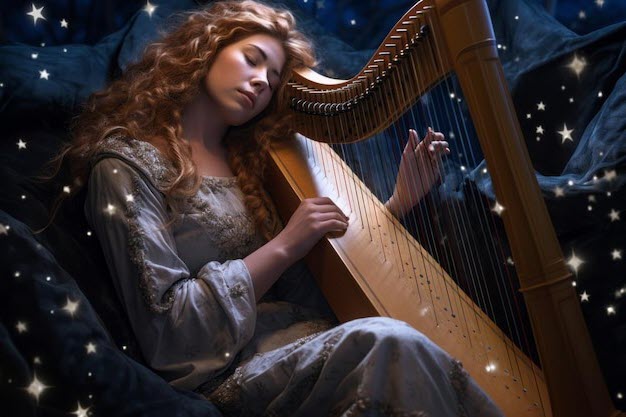
The harp, often referred to as the “Queen of Instruments,” weaves a tapestry of sound that captivates audiences across genres and generations. From the ethereal strains of classical concertos to the vibrant rhythms of folk music, the harp has enchanted listeners for centuries. In this article, we’ll explore the top 15 best harp players of all time—artists whose mastery of this exquisite instrument has left an indelible mark on the world of music.
Imagine the glistening strings shimmering under the spotlight as these virtuosos effortlessly conjure melodies that transport us to other realms. Each player on our list has not only showcased extraordinary technical skill but also a unique ability to convey emotion and storytelling through their performances. Whether they’ve shaped the classical repertoire, pioneered new styles, or brought the harp into contemporary pop, these musicians have pushed the boundaries of what the harp can achieve.
Join us as we delve into the lives and legacies of the most influential harpists in history—celebrating their contributions and the timeless beauty of the music they create. Get ready to be inspired by the artistry and passion of these remarkable players!
1. Grandjany
Marcel Grandjany is remembered as one of the most important figures in the history of the harp, blending dazzling technique with heartfelt expression. Born in Paris in 1891, he was a prodigy who studied under the legendary Henriette Renié and went on to become one of the harp’s great ambassadors. Grandjany’s performances were marked by an effortless elegance and a deep sensitivity, captivating audiences around the world. Beyond his performing career, he was also an influential teacher, eventually joining the faculty at the Juilliard School, where he shaped generations of harpists. His compositions, including the beloved *Rhapsodie* and numerous pedagogical works, continue to be essential to harpists of all levels. Grandjany’s writing reflects his ability to balance technical challenges with lyrical beauty, making the harp sing with a uniquely French charm. He also created many arrangements and transcriptions, bringing masterpieces from other instruments into the harp repertoire. Through his artistry, Grandjany elevated the harp from a supporting orchestral instrument to a commanding solo voice. His legacy lives on in every harpist who performs his works, proof of his vision to showcase the harp not just as an instrument of elegance, but one capable of profound and lasting emotional impact.
2. Lily Laskine
Lily Laskine was one of the first female harpists to gain worldwide recognition, forever changing how the instrument was perceived. Born in Paris in 1893, she became a child prodigy at the Conservatoire de Paris and went on to perform with prestigious ensembles, including the Paris Opera. Laskine’s playing had a unique combination of grace, playfulness, and depth, making her a sought-after soloist and collaborator for decades. Her interpretations of both classical staples and contemporary works were groundbreaking, giving audiences fresh insight into what the harp could express. Laskine also worked closely with composers, inspiring them to write new pieces for the instrument—many of which have become part of the standard harp repertoire. Her collaborations resulted in works that expanded the harp’s voice beyond its traditional roles, and her recordings remain essential listening for harp students today. Laskine’s career was not only remarkable for her musicianship but also for paving the way for future generations of female musicians in a time when classical music was still heavily male-dominated. Through her artistry, charm, and persistence, she left an indelible mark on harp history, inspiring countless players to dream of what was possible for the instrument and themselves.
3. Nicanor Zabaleta
Nicanor Zabaleta is celebrated as one of the finest harpists of the 20th century, bringing Spanish flair and virtuosity to every performance. Born in San Sebastián in 1907, Zabaleta was drawn to the harp from an early age and quickly became one of its greatest champions. His playing was notable for its impeccable precision and expressive warmth, qualities that allowed him to bridge classical traditions with the rich folk sounds of his Spanish heritage. Zabaleta toured extensively, performing with major orchestras and introducing audiences worldwide to the harp as a powerful and captivating solo instrument. His discography is vast and includes many definitive recordings that remain benchmarks for harpists. Zabaleta also worked to expand the harp repertoire by commissioning and premiering new works, many of which are now staples for performers. What made Zabaleta remarkable was his ability to connect deeply with listeners, making the harp’s voice both intimate and grand. Whether playing a Spanish folk melody or a Bach transcription, his artistry resonated with authenticity and passion. Today, his legacy endures not only through his recordings but also through the generations of harpists he inspired to approach the instrument with the same dedication and expressive spirit.
4. Dorothy Ashby
Dorothy Ashby was a groundbreaking jazz harpist who completely redefined what the instrument could do. At a time when the harp was largely confined to classical music, Ashby boldly brought it into the world of jazz, making it swing, groove, and improvise like never before. Born in Detroit in 1932, she combined her classical training with a deep love for jazz, crafting a style that was sophisticated yet daringly fresh. Her albums, such as *Hip Harp* and the iconic *Afro-Harping*, showcase her ability to blend jazz, soul, and even world music influences, creating a sound that was entirely her own. Ashby was a trailblazer for women and for the harp, facing and overcoming significant barriers in the male-dominated jazz scene. Her improvisational skills and rhythmic sense were extraordinary, and her innovative use of the harp proved it could hold its own alongside saxophones, pianos, and trumpets. Today, her work is often sampled by hip-hop and R&B artists, proving her influence continues decades later. Dorothy Ashby didn’t just play the harp—she reinvented it, opening the door for future generations of musicians to explore new possibilities and showing that the harp could be as bold and adventurous as any instrument in jazz.
5. Debussy
Claude Debussy may not have been a harpist himself, but his influence on the instrument is profound and lasting. As one of the leading composers of the Impressionist movement, Debussy had an ear for shimmering textures and atmospheric sounds, and the harp became one of his favorite tools for creating them. Works like *Danse sacrée et danse profane* and his *Sonate for Flute, Viola, and Harp* are masterpieces that highlight the harp’s ethereal voice, inviting listeners into dreamlike soundscapes. Debussy’s music allowed harpists to explore new colors and moods, from delicate whispers to sweeping waves of sound. His writing also challenged harpists technically and expressively, pushing the instrument into new territory and expanding its role in the concert hall. Through Debussy, the harp became more than an orchestral accent—it became central to the impressionistic sound world, capable of painting light, shadow, and emotion. Generations of harpists have been inspired by the beauty and depth of his works, and his compositions remain among the most performed pieces in the harp repertoire. Debussy may not have played the harp, but he understood its soul, giving it some of its most iconic and beloved music.
6. Andreas Vollenweider
Andreas Vollenweider is a true innovator who has taken the harp into places few imagined it could go. Born in Switzerland in 1953, he created an entirely new genre of music by fusing classical, jazz, folk, and world elements with a distinctive, dreamlike sound. Vollenweider is known for playing an electroacoustic harp, which allowed him to experiment with textures and effects, crafting lush, atmospheric soundscapes that feel both intimate and expansive. His landmark album *Down to the Moon*, which won a Grammy in 1987, showcased his ability to transport listeners into an otherworldly experience, a quality that has defined his career. Unlike many harpists who stay within the classical tradition, Vollenweider pushed boundaries, performing in major concert halls and at world music festivals alike. His music is cinematic, meditative, and often deeply emotional, resonating with audiences across cultures. For many listeners, he was their first introduction to the harp, proving it could be more than a classical instrument—it could be a vehicle for exploration and innovation. Vollenweider’s work continues to inspire musicians to look beyond tradition and imagine entirely new ways for the harp to sing, making him one of the most influential harpists of the modern era.
7. Julie Smith
Julie Smith is a harpist whose artistry bridges the classical and contemporary worlds with effortless grace. Known for her versatility and passion, she has built a career performing everything from traditional harp repertoire to innovative modern arrangements that stretch the instrument’s expressive potential. Smith has been praised for her ability to connect with audiences on an emotional level, often crafting programs that feel both intimate and adventurous. Whether she’s performing a delicate solo piece or collaborating with orchestras and chamber ensembles, her playing is marked by warmth, sincerity, and technical brilliance. Beyond performance, Smith is deeply committed to education, teaching workshops and creating arrangements that help make the harp more accessible to students and audiences alike. Her influence is felt not only on the concert stage but also in classrooms and community programs where she shares her love for the instrument. By blending old and new, she helps ensure the harp remains relevant and inspiring in today’s musical landscape. Julie Smith’s artistry is a reminder that the harp is as much a living, evolving voice as it is a historic one, and through her work, she continues to expand its role in the modern music scene.
8. Catrin Finch
Catrin Finch, often called the “Queen of Harps,” has brought global attention to the instrument with her extraordinary technique and compelling artistry. Born in Wales, Finch began playing the harp at a young age and quickly rose to prominence, becoming the official harpist to the Prince of Wales—an honor that highlighted her role as a cultural ambassador for her country. Her playing is renowned for its breathtaking precision and emotional depth, whether she’s performing traditional Welsh music, classical masterpieces, or daring new works. Finch has also embraced collaboration, working with artists from around the world, from Malian kora players to pop singers, creating genre-defying music that showcases the harp’s versatility. Her recordings and performances reveal an artist unafraid to take risks, bringing the harp into conversations about world music, jazz, and contemporary sounds. More than just a performer, Finch is an advocate for the harp, introducing audiences everywhere to its rich beauty and potential. Her charismatic stage presence and passion for her craft have made her concerts unforgettable experiences. Through her artistry, she proves that the harp is not just a historical instrument but one that can engage and excite modern audiences around the globe.
9. Harpo Marx
Most people remember Harpo Marx as the silent, mischievous member of the legendary Marx Brothers comedy troupe, but behind his comedic persona was a harpist of surprising sensitivity and skill. Harpo brought the harp into the mainstream in an entirely unique way—through humor and charm. In countless Marx Brothers films, audiences were treated to moments when the chaos paused, and Harpo would sit down at his harp, transforming the scene into something unexpectedly magical. These interludes were never just comedic gimmicks; they revealed a genuine talent and love for the instrument. Though self-taught, Harpo developed a style that was both whimsical and heartfelt, bridging classical and popular sensibilities. His performances introduced millions to the harp who might never have heard it otherwise, making it part of Hollywood’s golden age soundtrack. Harpo’s legacy goes beyond music—he showed that the harp could be playful, tender, and enchanting all at once. For many, his performances sparked a lifelong curiosity and affection for the instrument. In his own way, Harpo Marx was one of the harp’s greatest ambassadors, using laughter and music to leave an enduring mark on entertainment history and on the hearts of audiences everywhere.
10. Kim Robertson
Kim Robertson is one of the leading voices in Celtic harp music, known for her lyrical style and dedication to the folk tradition. Originally trained as a classical harpist, Robertson found her true calling in the world of Celtic music, where she could explore the harp’s rich history and its deeply emotional resonance. Her playing has a warmth and intimacy that draws listeners in, making every performance feel like a personal experience. Robertson’s recordings are celebrated for their graceful interpretations of traditional melodies as well as her original compositions, which blend folk sensibilities with modern nuances. She has also been a key figure in reviving and popularizing the small Celtic harp, showing audiences its unique charm and expressive power. Beyond the concert stage, Robertson has written instructional books and given workshops, helping countless students discover the joy of playing folk harp. Her contributions have ensured that the Celtic harp tradition not only survives but thrives, connecting past and present in meaningful ways. Through her artistry, Kim Robertson reminds us that music can be both deeply rooted and endlessly fresh, and that the harp, in its simplest form, is still one of the most stirring instruments in the world.
11. Edmar Castañeda
Edmar Castañeda is a virtuoso who has redefined what the harp can be in the world of jazz and Latin music. Born in Bogotá, Colombia, he grew up immersed in the rhythms of his culture, playing the traditional Colombian harp before moving to the United States, where he fused those influences with jazz improvisation. The result is a style unlike anything else—explosive, percussive, and full of life. Watching Castañeda perform is an experience in itself; his fingers fly across the strings with unbelievable speed, coaxing out not just melodies but bass lines and percussion simultaneously, as if he’s a one-man band. His performances are infused with energy and passion, drawing from salsa, joropo, tango, and jazz to create a vibrant soundscape. Albums like *Entre Cuerdas* showcase his ability to honor his roots while pushing the harp into entirely new territory. Castañeda has performed with jazz legends and symphonies alike, showing the harp’s incredible versatility. He is not just a performer but a cultural bridge, bringing the sounds of Colombia to audiences around the globe. Through his groundbreaking work, Edmar Castañeda has proven that the harp can groove, swing, and inspire in ways the world never expected.
12. Mary O’Hara
Mary O’Hara is cherished as one of the most important voices in Irish folk music, both as a singer and a harpist. Born in Ireland in 1935, she became a leading figure in reviving the Irish harp tradition during the mid-20th century, at a time when the instrument had almost faded from the cultural landscape. O’Hara’s delicate voice and gentle harp playing created a sound that felt timeless, weaving stories and emotions that resonated deeply with audiences. Her interpretations of traditional Irish songs were filled with authenticity and reverence, preserving the old while making it accessible to new generations. After a remarkable early career, she left the stage for several years to pursue a religious vocation, only to return with renewed spirit and artistry, captivating audiences once again. O’Hara’s recordings remain essential listening for anyone interested in Celtic music, offering a window into Ireland’s heart and history. Her legacy is not just about beautiful music—it’s about cultural preservation and the power of song to keep traditions alive. Through her voice and her harp, Mary O’Hara reintroduced the world to the beauty of Irish folk music and inspired countless musicians to follow her path.
13. Sunita Staneslow
Sunita Staneslow is a contemporary harpist whose music speaks directly to the heart, blending classical technique with world music influences. Born in the U.S. but now living in Israel, Staneslow has built an international reputation for her deeply moving performances and her role in expanding the harp’s reach. Her music draws from Celtic, Jewish, and Scandinavian traditions, creating a sound that is both ancient and refreshingly new. She has a gift for arranging traditional melodies in ways that feel deeply personal, allowing listeners to connect with the music on a profound level. Staneslow is also a prolific educator and arranger, producing books and resources that help harpists of all levels explore folk and sacred music. Her concerts often feel like storytelling sessions, with each piece offering a glimpse into history, culture, or personal reflection. Whether performing in a concert hall or an intimate gathering, she brings warmth and authenticity that leave audiences enchanted. Through her artistry and dedication, Sunita Staneslow has helped broaden the harp’s identity—not just as a classical instrument but as a versatile voice for cultural connection and emotional expression.
14. Anne Vanschothorst
Anne Vanschothorst is a harpist and composer known for her innovative and deeply atmospheric approach to music. Hailing from the Netherlands, she has carved out a unique niche, blending classical harp technique with minimalism, jazz, and cinematic elements. Her compositions often feel like sound paintings—delicate, spacious, and evocative, inviting listeners into meditative landscapes. Vanschothorst isn’t just a performer; she’s a storyteller, using the harp to express themes of nature, introspection, and emotion. Her albums, like *EK IS EIK*, showcase her ability to merge tradition with experimentation, offering harp music that feels both timeless and boldly modern. She also collaborates with visual artists, filmmakers, and poets, creating multidisciplinary works that expand the harp’s role beyond concert stages. Her playing is marked by a sense of calm and beauty, but also a willingness to take risks, showing that the harp can be as forward-thinking as any contemporary instrument. Through her artistry, Anne Vanschothorst has become an important voice in redefining the harp for today’s audiences, proving it can be not only an instrument of elegance but also of exploration and deep creative expression.
15. Marisa Robles
Marisa Robles is a Spanish harpist whose career has spanned decades, filled with brilliant performances and a commitment to expanding the harp’s role in music. Born in Spain in 1937, she showed prodigious talent early on, making her debut at just 11 years old. Her playing is distinguished by a combination of technical mastery and heartfelt expression, qualities that have made her a favorite with audiences and orchestras alike. Robles has performed with leading ensembles across the globe, leaving a trail of celebrated recordings that showcase the harp in its full glory. She has also been a passionate advocate for new music, inspiring composers to write works that highlight the harp’s versatility and power. Beyond her own performances, Robles has been a dedicated teacher, nurturing a new generation of harpists who carry forward her legacy of artistry and innovation. Her ability to seamlessly blend classical tradition with a curiosity for new sounds has kept her music fresh and relevant for decades. Through her artistry, Marisa Robles has shown the harp not just as an instrument of beauty, but as one of boundless possibility, ensuring her influence will resonate for years to come.

Edward Tomlin is a frequent contributor to Singers Room. Since 2005, Singersroom has been the voice of R&B around the world. Connect with us via social media below.