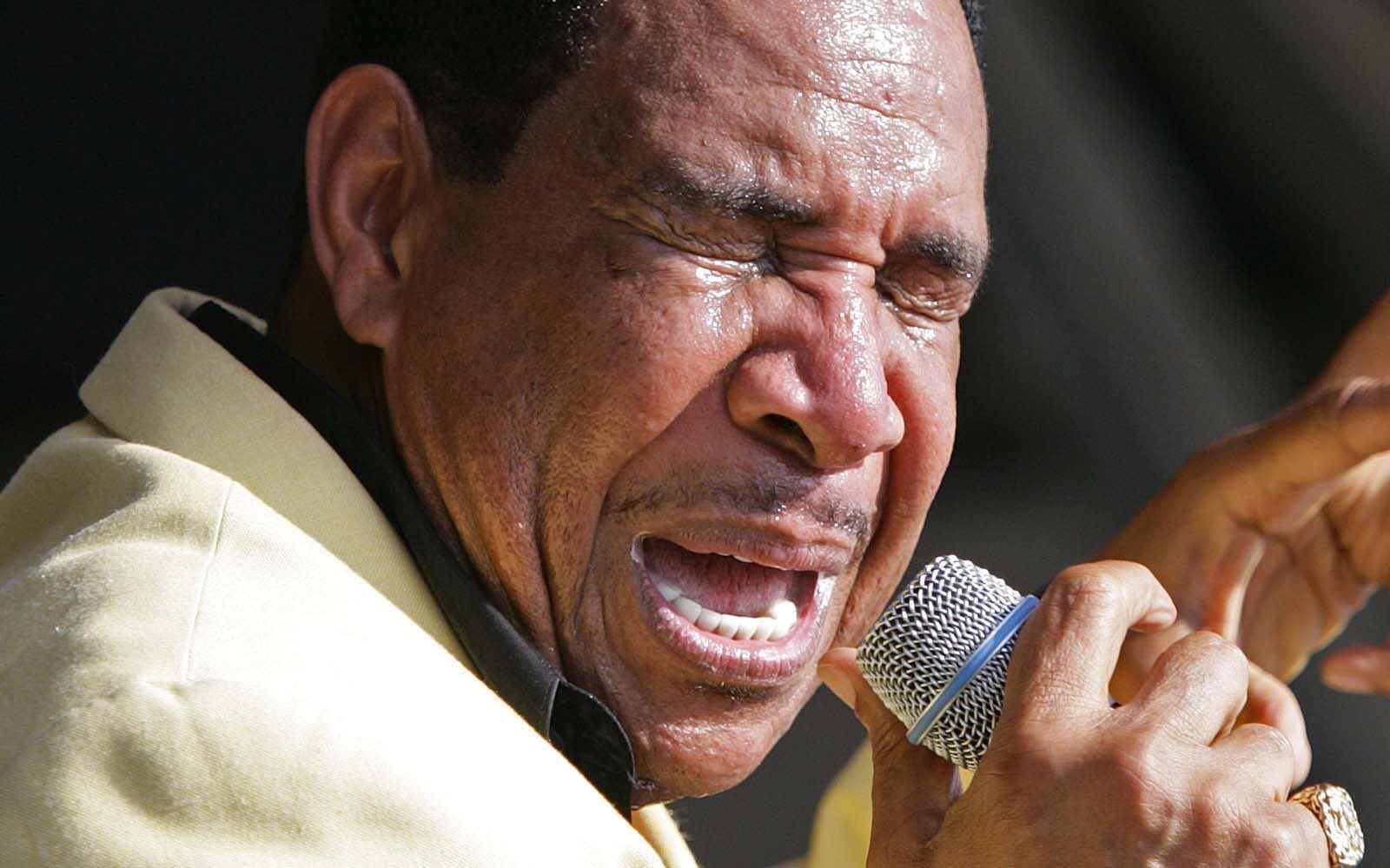
Gene Chandler, the “Singing Sentinel,” has left an indelible mark on the music landscape with his smooth vocals and infectious energy. Emerging from the vibrant Chicago music scene in the early 1960s, Chandler quickly captured the hearts of fans with his unique blend of soul, R&B, and pop. From the moment he burst onto the charts, he became a defining voice of his generation, with hits that not only showcased his vocal prowess but also resonated with the emotional experiences of love, heartbreak, and celebration.
In this article, we’ll take you on a nostalgic journey through the top 10 most popular Gene Chandler songs of all time. Each track tells a story, reflecting the evolution of a talented artist who navigated the changing tides of the music industry. Whether you’re a lifelong fan or new to his music, these songs encapsulate the essence of what made Chandler a beloved figure. Get ready to tap your feet and hum along as we celebrate the timeless hits that have made Gene Chandler a true legend in the world of music!
1. Duke of Earl (1962)
Released in 1962, “Duke of Earl” is not just a song—it’s a cultural landmark. With its unmistakable “Duke, Duke, Duke of Earl” chant opening the track, Gene Chandler immediately commanded attention and crafted a timeless doo-wop anthem that continues to echo through the decades. Chandler’s silky baritone brings a regal quality to the track, as he steps into the role of the “Duke,” a character of romantic nobility who promises unwavering love and protection. The song’s simplicity is its strength—built on a minimalistic yet effective chord progression and vocal harmonies that uplift rather than clutter. This stripped-down elegance lets Chandler’s charisma shine through.
“Duke of Earl” topped the Billboard Hot 100 and sold over a million copies, solidifying Chandler’s place in music history. It was more than a hit—it became an identity. Gene Chandler embraced the role so fully that he was dubbed “The Duke of Earl” from then on. Its legacy is celebrated not just for its musicality but also for its cultural resonance, becoming a staple in movies, commercials, and nostalgic playlists. Few songs from the early ’60s maintain the charm and power of this doo-wop classic. It remains a crowning achievement in Chandler’s career and the genre at large.
2. Nothing Can Stop Me (1965)
“Nothing Can Stop Me” is a soul gem from Gene Chandler that radiates hope, determination, and heartfelt devotion. Released in 1965 and produced by Curtis Mayfield, the song blends a smooth Chicago soul groove with Chandler’s emotional vocal delivery. Lyrically, it tells the story of a man committed to reuniting with the one he loves, no matter the obstacles. This message of perseverance is reinforced by the steady beat and uplifting arrangement, which features rich horn sections and classic Motown-style backing vocals.
What makes this song stand out is its combination of raw feeling and polished production. Chandler doesn’t just sing the lyrics—he feels every line. His performance captures a kind of triumphant yearning, making it both deeply personal and universally relatable. This track also marked a successful transition from his earlier doo-wop style to the more modern soul sounds that were taking over the charts in the mid-60s.
“Nothing Can Stop Me” became a hit on the R&B charts and remains one of Chandler’s most beloved tracks. It perfectly balances emotional storytelling with musical elegance, standing as a testament to his ability to adapt and evolve while staying true to the heart of soul music.
3. Groovy Situation (1970)
“Groovy Situation” marked a powerful comeback for Gene Chandler in 1970, showcasing his ability to reinvent himself for a new musical era. This track is drenched in good vibes, funk-laced rhythm, and the kind of soulful swagger that defines early ’70s R&B. It’s a song about finding joy in the simple things—sunshine, love, and the sheer pleasure of being alive. With its laid-back groove and instantly catchy chorus, “Groovy Situation” became an anthem for easygoing optimism.
Chandler’s voice, smooth and confident, rides effortlessly over a funky bass line, bright horns, and gently percolating percussion. The line “Can you dig it?” became a cultural catchphrase, adding a sense of playful cool that still resonates. What really makes the song work, though, is its sincerity. Chandler sells the joy of a “groovy situation” not as a passing mood but as a way of life.
The song reached No. 12 on the Billboard Hot 100 and No. 8 on the R&B chart, reaffirming Chandler’s relevance in a changing musical landscape. “Groovy Situation” remains one of his most recognizable songs—a feel-good classic that has stood the test of time and still puts smiles on faces today.
4. Rainbow (1963)
“Rainbow” is one of Gene Chandler’s most heartfelt and tender ballads. Released in 1963, the song paints a vivid picture of love and longing, using the image of a rainbow as a symbol of hope and emotional depth. The track begins with a gentle instrumental introduction that immediately sets a romantic tone. Chandler’s voice, full of warmth and vulnerability, takes center stage as he sings of a love so vivid it could color the skies.
The song is a showcase of Chandler’s ability to deliver emotional nuance. His vocal performance is both restrained and passionate, a delicate balance that adds to the sincerity of the lyrics. The production is classic early ’60s soul—simple yet evocative—with soft strings and background harmonies that wrap the listener in a comforting embrace.
Though not as commercially dominant as “Duke of Earl,” “Rainbow” became a fan favorite and has remained a staple in Chandler’s catalog. It exemplifies the softer side of his artistry and his capacity to move audiences with understated beauty. The song also laid the groundwork for its later sequel, “Rainbow ‘65,” which would bring a more updated sound while maintaining the original’s emotional core.
5. Rainbow ’65 (1965)
“Rainbow ’65” is a reimagining of Chandler’s earlier hit “Rainbow,” updated with the style and sensibilities of mid-60s soul. With its more energetic tempo, gospel-inspired call-and-response vocals, and fuller instrumentation, the track breathes new life into the original’s tender melody. Chandler’s vocal delivery here is bolder and more commanding, as if he’s not just reminiscing about love, but fighting to reclaim it.
The song begins with a spoken introduction, setting a dramatic and heartfelt tone before bursting into a lively groove. The organ swells and backing vocals give the track a church-like feel, turning it into a powerful declaration rather than a quiet reflection. This evolution reflected the changing times in soul music—more raw emotion, more dynamic performances, and a greater emphasis on the power of live instrumentation.
“Rainbow ’65” was a hit on the R&B charts and became one of Chandler’s most enduring live numbers. It’s often celebrated for its passionate delivery and the way it bridges the gap between doo-wop romance and deep soul fervor. The song remains a shining example of how an artist can revisit and revitalize their earlier work, creating something both nostalgic and freshly exciting.
6. The Girl’s a Devil (1966)
“The Girl’s a Devil” blends classic soul with a pop sensibility that was unmistakably Gene Chandler. Released in 1966, this track paints a vivid picture of a love gone wrong—where passion turns to pain. Chandler’s voice carries a fiery energy, expressing a mix of frustration and heartbreak that’s instantly relatable. The song’s arrangement balances bright brass and a catchy groove with darker lyrical undertones, highlighting the emotional tension at the heart of the story. It’s the kind of song that sticks with you, both for its hook and the rawness in Chandler’s delivery. More than just a catchy tune, “The Girl’s a Devil” is a reflection of the complexities of love, where desire and betrayal often walk hand in hand. Over the years, the song has gained a cult following among soul enthusiasts for its bold narrative and powerful performance. It captures a specific moment in Chandler’s artistic evolution, showcasing his ability to bring storytelling to life through music.
7. I’m a Fool (1973)
“I’m a Fool” is a deeply emotional ballad that finds Gene Chandler at his most vulnerable. Released in 1973, the song dives into the painful realization of mistakes made in love, with Chandler admitting to foolishness in the name of romance. His voice, rich with regret and longing, gives weight to the lyrics, making every line feel personal and sincere. The arrangement is simple yet effective, with soft piano and strings gently framing Chandler’s soulful vocals. What makes this track stand out is the emotional honesty—there’s no hiding behind metaphors here. It’s a straight-from-the-heart confession that many listeners can identify with. The song didn’t top the charts like some of his earlier hits, but it has endured as a hidden gem for fans who appreciate the raw side of love. “I’m a Fool” is a testament to Chandler’s strength as a balladeer and storyteller, capable of making you feel every ounce of his heartache.
8. There’s No Other (1964)
“There’s No Other,” released in 1964, is a sweet and sincere expression of unwavering love. With this track, Gene Chandler leans into a romantic sound that’s lush and full of warmth. The orchestration is rich, layered with smooth horns and gentle backing vocals that give it an almost cinematic feel. At the center of it all is Chandler’s voice—steady, smooth, and filled with adoration. The lyrics speak of exclusivity and deep affection, telling someone that no one else could ever take their place. It’s the kind of song that would have felt right at home in slow dances and love letters of the era. “There’s No Other” may not be as widely known as “Duke of Earl,” but it holds a timeless charm that fans continue to revisit. The sincerity in Chandler’s performance is what gives it lasting power—when he sings, you believe him. This track is a beautiful example of 1960s soul at its most heartfelt.
9. My Love (1964)
“My Love,” also released in 1964, continues Gene Chandler’s streak of tender, romantic soul. The song opens with soft instrumentation that sets the mood for an honest and heartfelt confession of devotion. Chandler’s vocals are filled with emotion, never overdone but always expressive. His tone captures the essence of someone who truly cherishes the one he’s singing to. The lyrical content is simple but sincere, focusing on the purity and depth of love without any pretense. That simplicity is its strength—it doesn’t try too hard, and because of that, it hits all the right emotional notes. The production feels intimate, drawing listeners into the moment as if Chandler is singing directly to them. Over time, “My Love” has earned its place as one of Chandler’s most endearing tracks, especially among fans who appreciate soul music with an old-school romantic flair. It’s a song about love, plain and simple, but done with such heart that it lingers long after the last note.
10. Rainbow (1974)
“Rainbow,” released in 1974, offers a refreshing splash of positivity in Gene Chandler’s discography. This track departs slightly from his earlier, more romantic ballads and dives into themes of renewal, hope, and joy. With its bright instrumentation and uplifting lyrics, “Rainbow” feels like a celebration of life’s better days. Chandler’s voice is confident and warm, soaring over the melody with ease and charisma. The song’s rhythm is infectious, carried by a groove that makes it nearly impossible not to smile or tap your foot. Lyrically, it speaks to finding beauty after the storm, using the image of a rainbow as a metaphor for love’s healing power. It’s a reminder that even after heartbreak or hardship, something beautiful can emerge. “Rainbow” showcases Chandler’s versatility—not just as a soul singer but as an artist who could uplift as well as ache. It remains one of his most joyful and affirming tracks, leaving listeners with a sense of lightness and renewed spirit.

Edward Tomlin is a frequent contributor to Singers Room. Since 2005, Singersroom has been the voice of R&B around the world. Connect with us via social media below.









