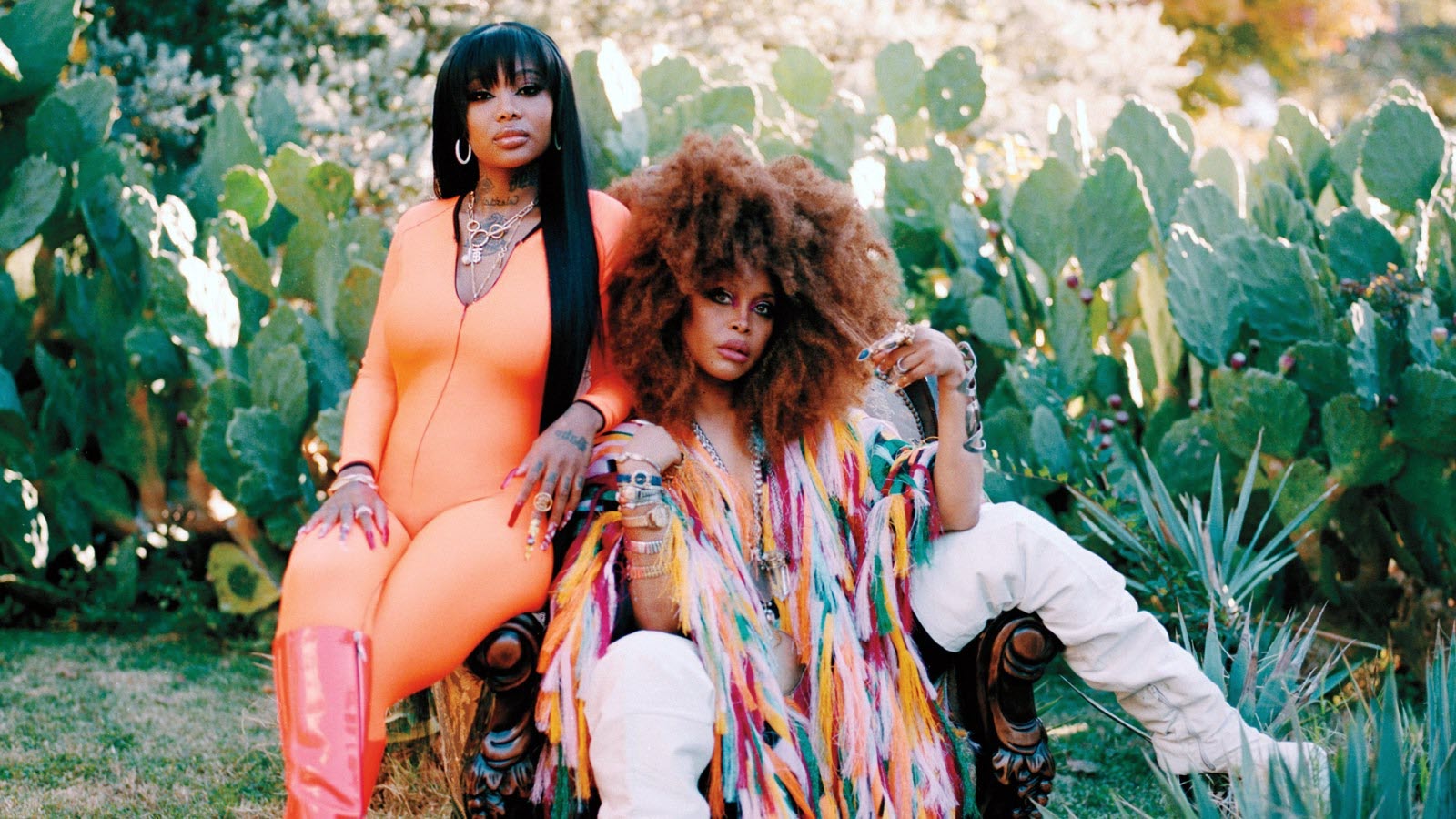
Erykah Badu, the queen of neo-soul, has captivated audiences with her unique blend of R&B, jazz, and hip-hop for over two decades. Known for her soulful voice, thought-provoking lyrics, and eclectic style, Badu has created a musical legacy that resonates deeply with fans around the globe. From her groundbreaking debut, “Baduizm,” to her latest projects, her artistry transcends genres and generations, making her a pivotal figure in contemporary music.
In this article, we dive into the top 10 most popular Erykah Badu songs of all time, celebrating the tracks that not only showcase her extraordinary talent but also reflect her profound influence on the music industry. Each song tells a story, offering listeners a glimpse into Badu’s world of love, spirituality, and self-discovery. Whether you’re a lifelong fan or new to her sound, this countdown promises to take you on a nostalgic journey through the melodies that have shaped her career. Get ready to rediscover the magic of Erykah Badu as we explore her most iconic hits that continue to inspire and uplift souls everywhere!
1. On & On (1997)
Erykah Badu’s “On & On” was more than just a debut single — it was a defining moment that introduced a completely fresh sound to R&B and soul music. Released in 1997, the track marked the arrival of the neo-soul movement, with Badu’s unmistakable voice floating over a hypnotic, jazz-infused groove. Her vocals — delicate, soulful, and wise beyond her years — carry lyrics that explore life, reincarnation, and the endless search for truth and meaning. “I go on and on and on and on,” she sings, a mantra that captures the cyclical nature of spiritual growth and everyday struggle. The instrumentation is sparse but effective: warm basslines, smooth electric piano chords, and a subtle hip-hop rhythm form the perfect backdrop for Badu’s introspective musings. What makes “On & On” especially powerful is its ability to feel deeply personal and universally relevant at the same time. It invites listeners to reflect, groove, and elevate their thinking all at once. The song went on to win Badu a Grammy for Best Female R&B Vocal Performance — a fitting recognition for a track that would go on to shape the sound of soul music for years to come.
2. Tyrone (1997)
“Tyrone” isn’t just a breakup song — it’s a whole moment. Performed live and released in 1997, Erykah Badu’s raw and humorous takedown of a self-centered lover has become a cultural touchstone in music history. Backed by a live band and a grooving, minimal arrangement, Badu’s voice is as expressive as ever, oscillating between fed-up sarcasm and soulful lament. The magic of “Tyrone” lies in its conversational tone — it feels like you’re right there in the room with her, nodding in agreement, maybe even shouting “Yes, girl!” at the iconic line: “I think ya better call Tyrone.” With sly wit and subtle power, she calls out her partner’s lack of reciprocity, both emotionally and financially, drawing a line between self-worth and love. There’s no overproduction here — just a tight groove, a live audience, and a woman standing firmly in her truth. “Tyrone” has endured because it’s more than catchy; it’s relatable and empowering. Badu created an anthem for anyone who’s ever needed to walk away from someone who didn’t see their value. It’s one of those songs that’s both funny and fierce — a perfect blend of storytelling and soul.
3. Bag Lady (2003)
“Bag Lady” is one of Erykah Badu’s most emotionally resonant songs — a gentle yet powerful call for healing, growth, and self-liberation. Released in 2003, the track speaks directly to the emotional weight we carry through life, especially the burdens of past relationships, trauma, and self-doubt. With its soothing melody and warm, laid-back beat, “Bag Lady” invites listeners into a space of reflection and release. Badu’s vocals are both comforting and direct, like a friend who sees you clearly and wants the best for you. “Bag lady, you gon’ hurt your back / Draggin’ all them bags like that,” she warns, offering wisdom wrapped in melody. The song blends R&B, neo-soul, and hints of reggae, giving it a breezy rhythm that contrasts its deeper message. The brilliance of “Bag Lady” lies in how it balances introspection with groove — you find yourself dancing and thinking at the same time. It’s an anthem of emotional maturity, a gentle push toward letting go of what no longer serves us. Through this track, Badu reminds us that healing is possible — and often, necessary — if we want to move freely into the love and life we deserve.
4. Next Lifetime (1997)
“Next Lifetime” is Erykah Badu at her most poetic and soul-stirring, exploring the bittersweet ache of forbidden love. Released in 1997, the song tells the story of a deep emotional connection that can’t be pursued in the present — a love that feels destined, yet mistimed. Set against a dreamy, slow-burning groove, Badu’s voice floats with grace and vulnerability as she sings of spiritual bonds and karmic ties: “I guess I’ll see you next lifetime / Maybe we’ll be butterflies.” The track is layered with rich instrumentation — soft percussion, jazzy keys, and subtle guitar licks — creating a soundscape that feels timeless and otherworldly. What sets “Next Lifetime” apart is its emotional honesty. There’s no drama or blame, just a heartfelt acceptance that sometimes love arrives when it can’t be embraced. Badu handles the topic with maturity and compassion, turning what could be a sad song into something deeply reflective and beautifully human. It’s about longing, but also about boundaries, responsibility, and timing. With this track, Badu cemented her place as a soulful storyteller capable of capturing the complexities of the heart with elegance and insight. It remains one of her most iconic and emotionally resonant works.
5. Honey (2008)
“Honey” is one of Erykah Badu’s most playful and irresistibly catchy songs, combining her signature soulfulness with a funky, upbeat groove. Released in 2008 as the lead single from her album New Amerykah Part One (4th World War), the track is a sweet, flirtatious tribute to love, desire, and the intoxicating pull of attraction. From the moment the beat kicks in — warm, rhythmic, and rich with samples — you know you’re in for something special. Badu’s vocals are silky smooth, gliding effortlessly over the production with charm and confidence. Her lyrics playfully explore the idea of being drawn to someone so compelling, so “sweet,” that resisting them feels impossible. “You won’t find another on the planet who does it like me,” she sings, with a wink in her voice and a beat you can’t help but move to. Beyond the music, the song’s music video — which creatively reimagines iconic album covers — adds a visual layer of celebration and homage to Black music history. “Honey” showcases Badu’s ability to evolve without ever losing the essence of who she is: soulful, innovative, and unapologetically herself. It’s feel-good music with depth — a perfect dose of sweetness with a groove.
6. Window Seat (2010)
“Window Seat” is one of Erykah Badu’s most compelling and introspective songs. Released in 2010, it invites listeners into a deeply personal space, where she wrestles with the need for solitude and clarity amid chaos. The track’s slow, hypnotic beat and ambient instrumentation create a meditative soundscape, perfectly complementing Badu’s soulful, expressive vocals. Lyrically, it’s a cry for space—to think, to breathe, to simply be without judgment. The song gained even more attention with its provocative music video, where Badu strips down physically and metaphorically in a public space, challenging conformity and expectations. The visuals stirred controversy, but they also underscored her message: the courage to be vulnerable and unapologetically real. “Window Seat” is not just about a longing to escape; it’s a statement of liberation, a refusal to be boxed in by societal roles. With this track, Badu reminds us that healing often requires discomfort and isolation before clarity arrives. It stands as a fearless expression of individuality and a challenge to anyone afraid to stand alone.
7. Love of My Life (2002)
Released in 2002, “Love of My Life (An Ode to Hip-Hop)” is Erykah Badu’s heartfelt collaboration with rapper Common, blending neo-soul warmth with the poetic flow of classic hip-hop. On the surface, it’s a tender love song, but it also cleverly personifies hip-hop itself as a lifelong partner—full of ups and downs, nostalgia, and passion. Badu’s velvety vocals weave seamlessly with Common’s thoughtful verses, creating a tribute not only to a romantic relationship but also to a shared cultural heritage. The chemistry between the two artists is undeniable, infusing the song with emotional weight and authenticity. With smooth production and a laid-back groove, the track captures the essence of Badu’s soulful style while offering a thoughtful reflection on artistic evolution and personal growth. “Love of My Life” won a Grammy for Best R&B Song, and it continues to resonate with fans who appreciate the poetic depth and musical synergy at its core. More than just a duet, it’s a celebration of love—in all its forms—and the power of music to preserve memory and meaning.
8. Didn’t Cha Know? (2002)
“Didn’t Cha Know?” is a standout from Badu’s 2000 album *Mama’s Gun*, though it gained renewed appreciation in the years that followed. The track was produced by the late, great J Dilla, whose signature soulful, off-kilter beats provide the perfect foundation for Badu’s introspective lyricism. With dreamy chords and a mellow groove, the song explores themes of uncertainty, vulnerability, and self-discovery. Badu sings of a personal journey marked by mistakes and unanswered questions, yet her tone is hopeful, never despairing. Her voice floats effortlessly over the jazz-inflected arrangement, pulling the listener into a reflective, almost spiritual mood. “Didn’t Cha Know?” is the kind of song that feels like a conversation with oneself—intimate, raw, and honest. It’s a reminder that growth often comes from confusion and that it’s okay not to have everything figured out. This track showcases Badu’s talent for blending soul, jazz, and hip-hop into something deeply human and emotionally resonant, affirming her place as a voice for those navigating the complexities of life and love.
9. Cleva (2003)
“Cleva,” from Badu’s *Mama’s Gun* album, is a beautifully understated anthem of self-acceptance. Released in 2000 (not 2003), the song reflects on the singer’s relationship with her appearance and identity, delivered with honesty, wit, and vulnerability. The groove is relaxed and funky, featuring warm instrumentation that draws from soul and jazz traditions. What makes “Cleva” so compelling is its lyrical duality—Badu speaks candidly about feeling physically imperfect but simultaneously celebrates her inner strength, intelligence, and confidence. “My hair ain’t never hung down to my shoulders / And it might not grow,” she sings, yet immediately counters that she’s “cleva,” with a voice that glows with pride. The track resonates with anyone who’s wrestled with self-image or societal pressures, turning personal reflection into a universal message of empowerment. It’s not flashy or loud, but that’s precisely its charm—it whispers strength rather than shouting it. “Cleva” proves that vulnerability doesn’t weaken the message of empowerment; in Badu’s hands, it amplifies it.
10. Other Side of the Game (1997)
“Other Side of the Game” is a hauntingly beautiful track from Erykah Badu’s debut album, *Baduizm*, released in 1997. The song captures the quiet struggles of love when it’s entangled with real-life hardships, particularly the pain of standing by someone involved in a dangerous or unstable life. Badu’s vocals are smooth and filled with emotional nuance, offering a gentle but firm narrative of a woman trying to stay loyal while facing the moral and emotional toll of her partner’s choices. The song is backed by jazzy chords and a laid-back rhythm that give it a sophisticated, melancholic vibe. What sets this track apart is its unflinching honesty—Badu doesn’t romanticize the situation, but instead portrays the internal conflict of love, sacrifice, and uncertainty. “Other Side of the Game” is storytelling at its finest, blending social commentary with intimate emotion. It introduced audiences to Badu’s unique ability to turn personal experiences into deeply resonant art, laying the foundation for her long-standing role as a truth-teller in soul music.

Edward Tomlin is a frequent contributor to Singers Room. Since 2005, Singersroom has been the voice of R&B around the world. Connect with us via social media below.









