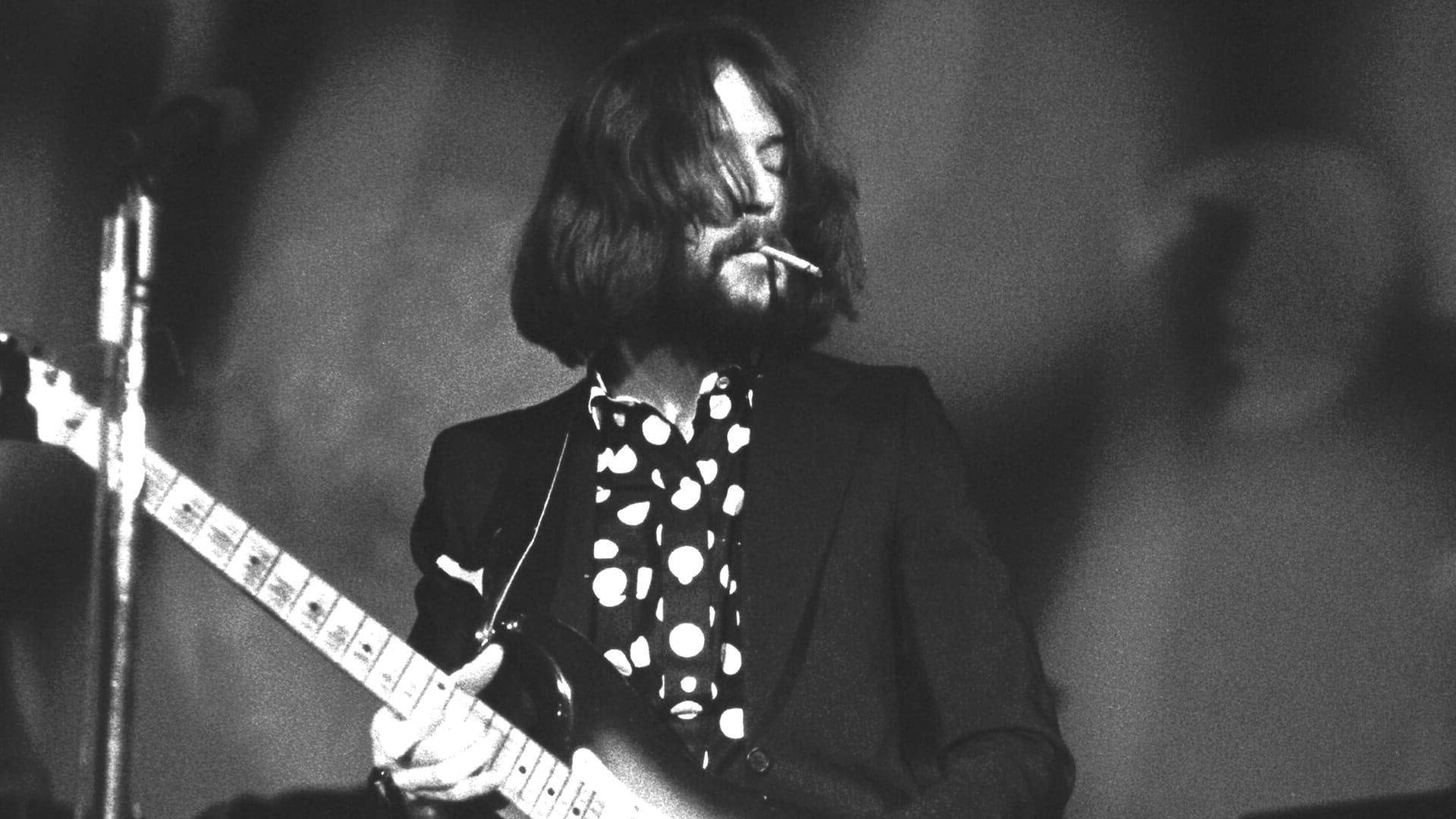
Eric Clapton, often hailed as one of the greatest guitarists of all time, has crafted a musical legacy that spans decades and genres. From his early days with The Yardbirds and Cream to his illustrious solo career, Clapton’s influence on rock, blues, and pop is undeniable. With a signature blend of soulful melodies and masterful guitar riffs, his songs have resonated with millions around the globe. Whether you’re a lifelong fan or a newcomer to his music, there’s something undeniably captivating about Clapton’s ability to evoke deep emotions through his art.
In this article, we delve into the top 10 most popular Eric Clapton songs of all time. Each track showcases his unparalleled talent and artistry, offering a glimpse into the evolution of his sound. From heart-wrenching ballads to electrifying anthems, these songs reflect not only Clapton’s virtuosity but also the profound experiences that shaped his life and career. Join us as we explore the timeless classics that have solidified Clapton’s status as a living legend and continue to inspire generations of musicians and fans alike. Get ready to celebrate the magic of Eric Clapton’s music!
1. Layla (1970)
“Layla” is not just a song—it’s an emotional rollercoaster and one of rock’s most iconic love anthems. Released by Derek and the Dominos in 1970, this track features Eric Clapton pouring his soul into every chord and lyric, driven by his unrequited love for Pattie Boyd, who was married to his friend George Harrison at the time. The song begins with that unforgettable, wailing guitar riff—a cry of desperation—that immediately sets the tone. Clapton’s anguished vocals blend perfectly with Duane Allman’s slide guitar, creating a layered, passionate sound that captures the turmoil of forbidden love.
But what truly elevates “Layla” to legendary status is its second half—a serene, piano-led coda written by drummer Jim Gordon. This section provides a stark emotional contrast to the fiery first half, almost like the calm after a storm, with Clapton’s guitar gently echoing the sadness and acceptance beneath the longing. The transition from raw emotion to quiet reflection is masterfully done, making the song a two-part epic that continues to move listeners more than 50 years later. “Layla” is more than just a song about heartbreak—it’s a deeply personal confession wrapped in timeless rock brilliance.
2. Tears in Heaven (1992)
Few songs carry the emotional weight of “Tears in Heaven.” Written in the wake of the tragic death of Eric Clapton’s four-year-old son, Conor, the song is a hauntingly beautiful reflection on grief, loss, and the hope of reunion. Released in 1992, its soft acoustic arrangement and understated vocals make the rawness of Clapton’s emotions even more powerful. Rather than scream his sorrow, he whispers it, inviting listeners into the quiet, painful space of personal mourning.
The lyrics ask tender, heartbreaking questions—“Would you know my name, if I saw you in heaven?”—making it clear that Clapton is wrestling not only with loss but with the mystery of what lies beyond. The song’s simplicity is part of its power; every note and word feels essential, honest, and sincere. It was originally featured in the soundtrack for the film Rush, and went on to win three Grammy Awards, including Song of the Year. More than a tribute, “Tears in Heaven” is a universal song about the deepest kind of sorrow, and it resonates with anyone who has experienced profound loss. It’s a moment of vulnerability turned into art—a testament to healing through music.
3. Wonderful Tonight (1976)
“Wonderful Tonight” is a tender, intimate ballad that perfectly captures a quiet moment of love and admiration. Written by Eric Clapton in 1976 for his then-girlfriend Pattie Boyd, the song describes a simple evening at home—getting dressed for a party, asking how she looks, and receiving a loving response. But it’s in that simplicity where the magic lies. Clapton paints a picture so vivid and warm that listeners can almost feel the embrace of a soft night and the comfort of being loved unconditionally.
The song is built on a gentle, melodic guitar riff that complements Clapton’s soothing vocals, creating a mood that’s both romantic and calming. What makes “Wonderful Tonight” stand out is not grand gestures or poetic flourishes—it’s the quiet sincerity in every lyric. It captures a moment so real and universal that it has become a staple at weddings, anniversaries, and romantic playlists around the world. Despite its laid-back feel, there’s real emotion here: gratitude, admiration, and quiet love. Clapton’s performance is understated but full of feeling, proving that sometimes the simplest songs can be the most enduring. “Wonderful Tonight” remains one of the most cherished love songs of all time.
4. Crossroads (1969)
“Crossroads” is where blues legend meets rock intensity. Originally written and performed by Delta blues pioneer Robert Johnson in the 1930s, the song was reimagined by Eric Clapton with Cream in 1969 and turned into a blistering showcase of guitar mastery. The track pulses with energy from the opening note, driven by a tight rhythm section and Clapton’s explosive guitar solos, which have since become the stuff of legend. It’s not just a cover—it’s a transformation.
Lyrically, the song tells the story of a man at a literal and metaphorical crossroads, seeking guidance and redemption. That narrative resonates deeply with the blues tradition, but Clapton’s rendition amplifies it with urgency and attitude. His gritty vocals and soaring fretwork bring a new layer of defiance and desperation, making the song feel as fresh and relevant as ever. “Crossroads” became a staple of Cream’s live shows and a defining moment in Clapton’s career, cementing his status as a blues-rock virtuoso. For many, it’s the definitive version of the song. Whether you’re drawn to the technical brilliance or the emotional power behind it, “Crossroads” remains a thrilling and essential part of the rock canon.
5. I Shot the Sheriff (1974)
When Eric Clapton released his version of “I Shot the Sheriff” in 1974, he introduced reggae to a broader rock audience—and did it with remarkable authenticity. Originally written and performed by Bob Marley, the song tells a complex story of justice, persecution, and self-defense. Clapton’s cover retains the core message but infuses it with his signature guitar-driven style, creating a smooth blend of rock and reggae that remains one of his most successful singles.
What makes this track special is how seamlessly Clapton adapts to the reggae rhythm, keeping the groove tight and steady while adding his bluesy guitar licks to give it an extra edge. His laid-back vocal delivery contrasts with the gravity of the lyrics, creating a sense of mystery and ambiguity that pulls listeners in. The story unfolds in a way that makes you question the narrator’s motives, which only adds to the song’s allure. Clapton’s version became a No. 1 hit in the U.S., and even Marley later acknowledged that the cover helped expose reggae to a global audience. “I Shot the Sheriff” remains a standout in Clapton’s catalog—a bold, genre-crossing hit that still holds power today.
6. Cocaine (1977)
Released in 1977, “Cocaine” is one of Eric Clapton’s most well-known and controversial tracks. Written by J.J. Cale, the song is driven by a simple yet addictive guitar riff that instantly hooks listeners. Clapton’s version brings a polished, blues-rock feel, with his signature guitar tone leading the way. While many fans embrace it as a hard-hitting rock anthem, the lyrics serve as a subtle warning about the dangers of drug use—“She don’t lie, she don’t lie, she don’t lie… cocaine” isn’t glorification but rather a layered, almost sarcastic commentary on addiction. Clapton has clarified in interviews that the song is anti-drug, and he would often introduce it in concerts by saying, “This is a song about a dangerous friend.” Despite the heavy subject matter, the song’s rhythm and energy make it a crowd favorite. Its longevity in Clapton’s live sets speaks to its dynamic performance appeal and the fine line he walks between entertainment and message. “Cocaine” remains a perfect example of how Clapton combines sharp musicianship with provocative storytelling, creating music that not only entertains but sparks conversation.
7. Change the World (1996)
“Change the World” is a stunning blend of pop, soul, and acoustic elegance that marked a major hit for Clapton in 1996. Co-written by Tommy Sims, Gordon Kennedy, and Wayne Kirkpatrick, and produced by Babyface, the song has a smooth, sophisticated feel that’s both romantic and inspirational. Its lyrics express a deep desire to impact someone’s life profoundly—“If I could reach the stars, I’d pull one down for you”—a sentiment that resonates deeply with listeners. Clapton’s understated vocal delivery perfectly suits the song’s emotional honesty, while the arrangement highlights his acoustic guitar work with subtle brilliance. The track became a massive commercial success, winning three Grammy Awards, including Record of the Year. It also showed Clapton’s ability to adapt to new musical landscapes while staying true to the emotional core of his artistry. “Change the World” isn’t just a love song—it’s an anthem of transformation, rooted in empathy and hope. Whether heard in a quiet moment or shared between lovers, it continues to inspire people to dream of making the world a better place through love and sincerity.
8. Bell Bottom Blues (1970)
“Bell Bottom Blues,” released in 1970 on the Layla and Other Assorted Love Songs album by Derek and the Dominos, is one of Eric Clapton’s most emotionally raw performances. Written for Pattie Boyd, the wife of his friend George Harrison, the song captures the anguish of unrequited love with haunting precision. The opening lines—“Bell bottom blues, you made me cry”—set the tone for a sorrowful journey through longing and emotional vulnerability. Clapton’s voice trembles with sincerity, and his guitar lines echo the pain behind the lyrics, weaving melancholy and beauty into every phrase. The song blends blues, rock, and soul, and the interplay between Clapton’s guitar and Bobby Whitlock’s keyboards adds depth to its emotional palette. Unlike some of Clapton’s more upbeat hits, “Bell Bottom Blues” slows things down to let the listener feel every ounce of heartbreak. It’s a powerful reminder of how deeply personal music can be. This track stands as one of Clapton’s most honest and stirring works—a love letter filled with regret, longing, and a yearning for connection that still resonates decades later.
9. My Father’s Eyes (1998)
Released on the 1998 album Pilgrim, “My Father’s Eyes” is one of Eric Clapton’s most personal and introspective songs. It deals with the loss of his father—whom he never met—and the grief over his own son Conor’s tragic death. The song’s title refers to Clapton imagining seeing his father’s presence reflected in his son’s eyes. It’s a multi-layered meditation on legacy, longing, and the cyclical nature of life. Musically, the track is polished and atmospheric, with a modern production style that gently supports Clapton’s heartfelt vocal delivery. The lyrics are deeply emotional, as he sings about what was lost and what he hoped to find: “Then the light begins to shine, and I hear those ancient lullabies.” Clapton’s guitar playing on the track is restrained but powerful, mirroring the vulnerability in the lyrics. “My Father’s Eyes” reached both critical and commercial success, earning a Grammy Award for Best Male Pop Vocal Performance. For many listeners, it remains a touching reminder of the human desire to understand where we come from, and the love we carry forward even in the face of absence.
10. After Midnight (1970)
“After Midnight” was Eric Clapton’s breakout solo single in 1970, and it’s a pure shot of upbeat, feel-good rock and roll. Originally written and recorded by J.J. Cale, Clapton brought the song to a broader audience with his own electrified version. From the opening guitar lick, the track bursts with energy—blending bluesy swagger, tight rhythm, and Clapton’s smooth vocals into an irresistible package. It’s a celebration of spontaneity and late-night freedom, capturing the thrill of letting loose when the day is done: “We’re gonna let it all hang down.” Clapton’s interpretation of “After Midnight” helped establish his identity as a solo artist, separate from his work with Cream, Blind Faith, or Derek and the Dominos. The song is also notable for its tight production and joyful, danceable groove. It was re-recorded by Clapton in 1988 for a Michelob beer commercial, proving the track’s enduring popularity. Decades later, “After Midnight” remains a staple of classic rock radio and Clapton’s live performances. It’s fun, carefree, and packed with groove—a reminder that sometimes the best music is the kind that makes you want to get up and move.

Edward Tomlin is a frequent contributor to Singers Room. Since 2005, Singersroom has been the voice of R&B around the world. Connect with us via social media below.







