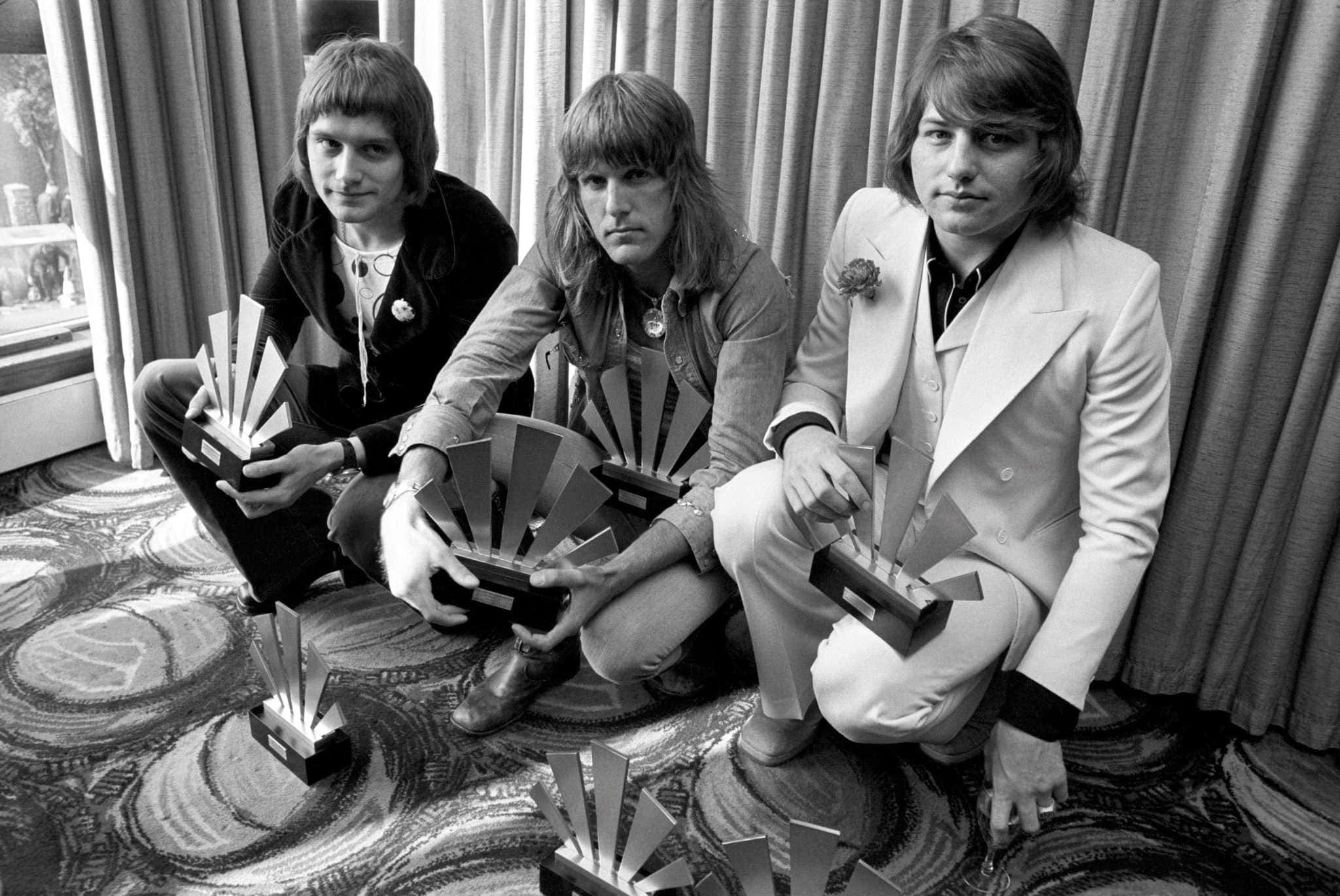
In the pantheon of progressive rock, few bands have left as indelible a mark as Emerson, Lake & Palmer (ELP). Bursting onto the scene in the early 1970s, this iconic trio blended classical music, jazz, and rock into a groundbreaking sound that captivated audiences worldwide. With their virtuosic musicianship and ambitious compositions, ELP became synonymous with the genre’s golden age, pushing the boundaries of what rock music could achieve.
As we dive into the top 10 most popular Emerson Lake & Palmer songs of all time, prepare to embark on a sonic journey that showcases their innovative spirit and artistic prowess. From epic symphonic suites to haunting ballads, each track tells a story, drawing listeners into a world of complex rhythms and lush melodies. Whether you’re a lifelong fan or a newcomer eager to discover their legacy, this countdown promises to highlight the brilliance of ELP’s timeless classics. Join us as we celebrate the tracks that not only defined a genre but also left an everlasting impression on music history!
1. Lucky Man (1970)
“Lucky Man” is one of Emerson, Lake & Palmer’s most iconic tracks, featured on their debut album released in 1970. Written by Greg Lake when he was just a teenager, the song tells a deceptively simple yet haunting story of a man who had everything—wealth, status, and power—but found it all meaningless in the end. The gentle acoustic guitar sets a reflective tone, while Lake’s plaintive vocals give the lyrics emotional depth. But what truly elevates the song is the unexpected and mesmerizing Moog synthesizer solo by Keith Emerson, one of the earliest and most memorable uses of the instrument in rock music. That solo, reportedly improvised in a single take, gave the song its legendary status. “Lucky Man” captures the fragile line between fortune and emptiness, success and solitude. It’s a song that remains deeply moving decades after its release, resonating with anyone who’s ever questioned what it really means to be “lucky.” Its timeless quality and accessible melody make it a lasting favorite among ELP fans and a quintessential piece of progressive rock history.
2. Karn Evil 9 (1973)
“Karn Evil 9” is Emerson, Lake & Palmer’s magnum opus—a sprawling, three-part suite that takes listeners on a surreal, 30-minute musical journey. Featured on their 1973 album Brain Salad Surgery, this piece is nothing short of a prog rock epic. With complex time signatures, shifting moods, and fantastical lyrics, it explores themes like artificial intelligence, dystopia, and the rise and fall of civilization. The first impression alone, which includes the iconic line “Welcome back my friends to the show that never ends,” sets the stage for a wild, theatrical ride. Keith Emerson’s virtuosic keyboard playing, Carl Palmer’s explosive drumming, and Greg Lake’s commanding vocals all shine as the track moves through phases of war, chaos, and technological domination. The music is intense, layered, and often unpredictable—demanding the listener’s full attention. “Karn Evil 9” isn’t just a song; it’s a sonic performance piece that challenges the boundaries of rock and classical fusion. For fans of progressive rock, it remains a towering achievement that showcases everything ELP stood for: musical ambition, technical brilliance, and a willingness to defy convention.
3. Fanfare for the Common Man (1977)
Emerson, Lake & Palmer’s 1977 rendition of “Fanfare for the Common Man” is a bold reimagining of Aaron Copland’s beloved American composition. Rather than merely cover it, ELP transformed it into a powerful rock anthem that still pays homage to the original. Keith Emerson’s keyboards take center stage, with majestic synthesizer lines that elevate the composition into something cosmic and expansive. Carl Palmer’s dynamic drumming adds a thunderous edge, while Greg Lake anchors the track with bass lines that give it real weight. The result is a sound that’s both grand and accessible—a celebration of everyday heroism and resilience. At over nine minutes long, ELP’s version stretches the boundaries of the piece, adding improvisational flair and electric energy. It became one of the band’s most recognized and widely played tracks, often used in sports arenas and public ceremonies for its triumphant sound. “Fanfare for the Common Man” proves that classical music and rock can coexist in thrilling harmony. It stands as a statement of artistic vision, and a reminder that the spirit of the “common man” is anything but ordinary.
4. From the Beginning (1972)
“From the Beginning” is a hauntingly beautiful ballad from ELP’s 1972 album Trilogy. Written and sung by Greg Lake, the song strips down the band’s usual grandeur for something more introspective and delicate. The track opens with a gentle acoustic guitar riff that instantly sets a mood of contemplation. Lake’s voice is soft yet emotive, and his lyrics explore themes of trust, regret, and the fragility of relationships. It’s a break from the band’s typical bombastic sound, showcasing their versatility and emotional range. The addition of a subtle synthesizer solo toward the end, played by Keith Emerson, adds a dreamlike quality to the arrangement without overpowering its sincerity. “From the Beginning” became one of ELP’s most commercially successful songs, striking a chord with listeners who appreciated its melodic charm and lyrical vulnerability. It stands out in the band’s discography for its simplicity and emotional depth—a gentle reminder that even in the world of progressive rock, sometimes less truly is more.
5. Trilogy (1972)
“Trilogy,” the title track from Emerson, Lake & Palmer’s 1972 album, is a tour de force of complexity and emotion. The song opens with a gentle piano motif, tenderly played by Keith Emerson, which lulls the listener into a false sense of serenity. But as the piece unfolds, it transforms into an energetic, rhythmically intricate rollercoaster. Carl Palmer’s drums burst into the mix with precision and power, and Greg Lake’s vocals navigate the song’s shifting dynamics with grace. Lyrically, “Trilogy” delves into themes of love, confusion, and the passage of time, but it’s the musical structure that truly stands out. The band effortlessly blends elements of classical composition with the energy of rock, switching gears with seamless transitions and sophisticated arrangements. Each section of the song brings a new emotional and sonic landscape, culminating in a fiery instrumental climax that highlights the band’s technical mastery. “Trilogy” is progressive rock at its finest—ambitious, dramatic, and deeply moving. It’s a shining example of ELP’s ability to push boundaries while still creating music that connects on a human level.
6. Still… You Turn Me On (1973)
“Still… You Turn Me On” is one of Emerson, Lake & Palmer’s most beautifully understated tracks, a delicate ballad that showcases Greg Lake’s poetic songwriting and heartfelt vocals. Taken from their 1973 album Brain Salad Surgery, this song stands in stark contrast to the album’s more aggressive, experimental compositions. It’s built around a gentle acoustic guitar progression, with subtle touches of harpsichord and Moog synthesizer adding color to the arrangement. The lyrics are both romantic and reflective, blending surreal imagery with genuine emotion as Lake sings about the complexities of love and desire. His voice—tender, aching, and sincere—gives the song a vulnerability that lingers long after it ends. Despite its softness, it maintains a haunting quality that fits perfectly within the album’s more intense framework. Though it wasn’t released as a single, “Still… You Turn Me On” became a fan favorite and a defining ballad in the band’s catalog. It reminds listeners that ELP, known for their technical wizardry and prog-rock theatrics, could also write songs of deep emotional resonance. This song isn’t just a love song—it’s a moment of stillness in the storm, a quiet meditation on the enduring power of intimacy.
7. Jerusalem (1973)
“Jerusalem” is Emerson, Lake & Palmer’s stirring adaptation of a beloved English hymn, originally composed by Hubert Parry and based on a poem by William Blake. ELP’s version, released in 1973 on Brain Salad Surgery, transforms this nationalistic anthem into a bold rock statement without sacrificing its spiritual gravity. Keith Emerson’s majestic organ swells set a regal tone, while Greg Lake’s earnest vocal delivery infuses the song with reverence and power. Carl Palmer’s precise drumming adds strength without overwhelming the arrangement. The lyrics, a visionary call for a better world—“And did those feet in ancient time / Walk upon England’s mountains green?”—resonate with themes of hope, justice, and transformation. While their decision to modernize such a sacred piece sparked controversy at the time, ELP approached it with both respect and ambition. The result is a triumphant fusion of rock and classical traditions. “Jerusalem” isn’t just a patriotic nod; it’s a symbol of the band’s desire to elevate progressive rock to the level of high art. By embracing a timeless hymn and reimagining it through their distinct sound, ELP created something both rooted in tradition and boldly forward-looking.
8. The Endless Enigma (1972)
“The Endless Enigma” is one of Emerson, Lake & Palmer’s most haunting and thought-provoking compositions. Split into two parts and connected by a short interlude called “Fugue,” this track opens the Trilogy album with mystery, tension, and brilliance. The piece begins with an ominous heartbeat-like thud, leading into a dark piano theme that sets a dramatic tone. Keith Emerson’s piano work is virtuosic and moody, building suspense before Greg Lake’s voice enters, asking questions that reflect deep philosophical pondering. The lyrics are cryptic yet compelling, touching on the nature of truth, existence, and human folly. As the song progresses, it explodes into rapid time shifts and virtuosic interplay among all three members. The instrumental “Fugue” section offers a moment of classical elegance before plunging back into the chaos. Carl Palmer’s drumming is tight and dynamic, anchoring the evolving tempos with flair. “The Endless Enigma” lives up to its name—it challenges listeners with its complexity and rewards them with layers of meaning and sound. It’s not a song you absorb all at once. It demands—and deserves—attention, serving as a powerful example of how ELP could craft music that was intellectually stimulating and emotionally gripping.
9. Take a Pebble (1970)
“Take a Pebble” is a sprawling, atmospheric piece from Emerson, Lake & Palmer’s self-titled debut album, and it remains one of their most poetic and evocative compositions. Opening with the delicate sound of piano strings being plucked—a technique that sets a haunting tone—the track quickly blossoms into a fusion of jazz, folk, and classical elements. Greg Lake’s voice is intimate and sorrowful, delivering lyrics about emotional loss, time, and reflection. The metaphor of a pebble causing ripples in a stream becomes a poignant image of how even small actions can stir deep memories. At over 12 minutes long, the song offers space for exploration, including a lengthy instrumental section that features Emerson’s brilliant jazz-inspired piano improvisation and Lake’s acoustic guitar interlude. Carl Palmer’s sensitive percussion work adds color and momentum without ever overshadowing the mood. “Take a Pebble” is less a traditional song and more a sonic journey—fluid, introspective, and deeply moving. It’s one of the earliest signs that ELP was aiming for something far beyond conventional rock. The song invites listeners to pause, to think, and to feel, all while being swept up in the band’s musical craftsmanship and emotional depth.
10. Tarkus (1971)
“Tarkus” is arguably Emerson, Lake & Palmer’s most ambitious and defining composition. Clocking in at over 20 minutes and divided into seven interconnected movements, this epic from their 1971 album of the same name tells a surreal, quasi-allegorical story of a mechanical armadillo-like creature caught in battles of destruction and rebirth. The music is as grand and complex as the concept itself. The opening movement, “Eruption,” bursts forth with Keith Emerson’s aggressive Hammond organ riffs and Carl Palmer’s relentless drumming, establishing an intensity that rarely lets up. Greg Lake’s vocals narrate with urgency, especially in parts like “Stones of Years” and “Mass,” which blend cryptic lyrics with shifting musical styles—ranging from hard rock to jazz fusion to classical flourishes. “Tarkus” isn’t just a song—it’s a progressive rock symphony, filled with intricate time signatures, shifting moods, and moments of both tension and release. While its abstract themes have sparked debate among fans, the music speaks volumes. It showcases ELP’s technical brilliance, daring imagination, and unified chemistry. “Tarkus” is a towering achievement in the progressive rock canon—a piece that pushed boundaries and still feels larger than life today.

Edward Tomlin is a frequent contributor to Singers Room. Since 2005, Singersroom has been the voice of R&B around the world. Connect with us via social media below.









