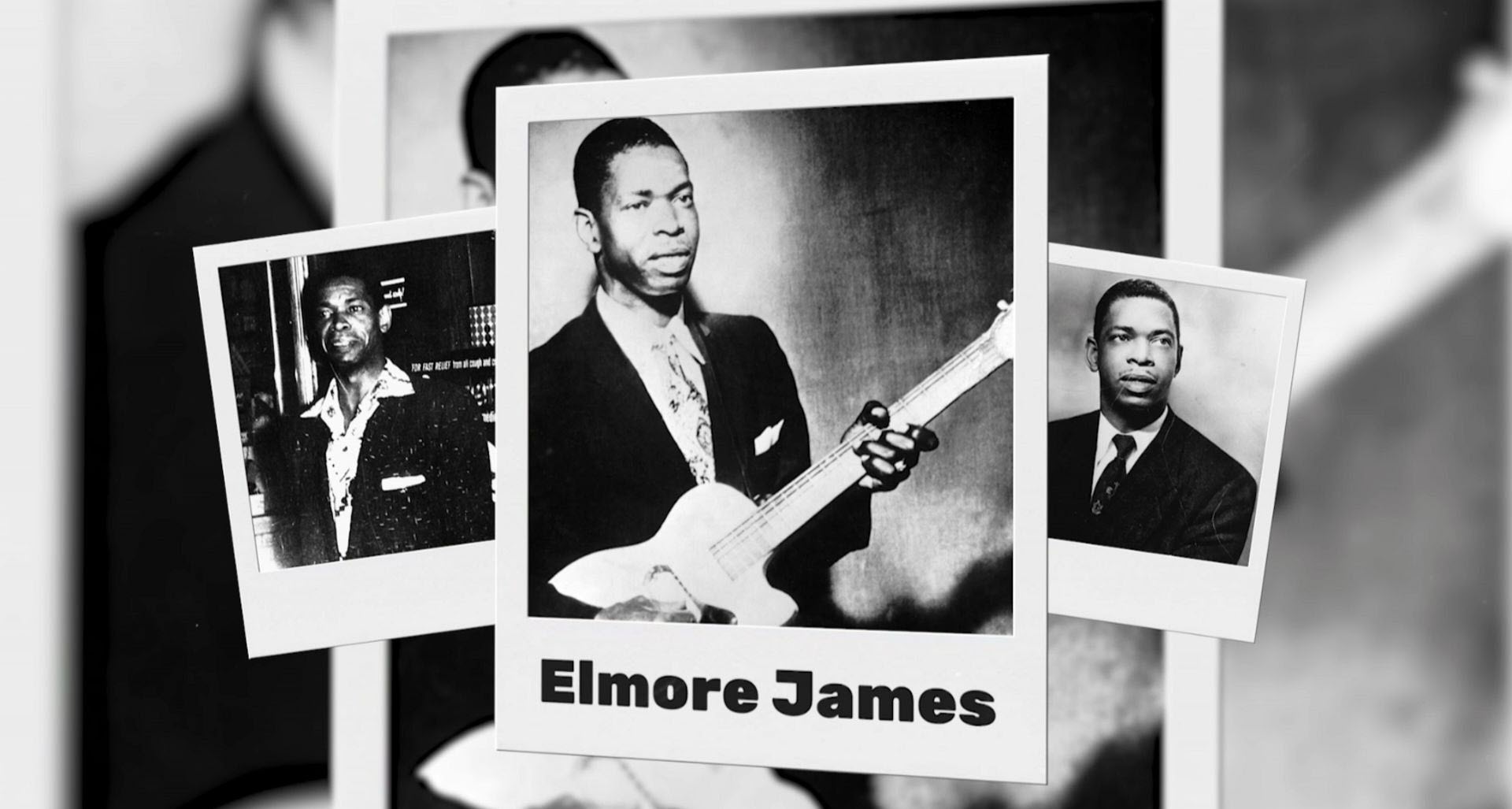
Elmore James, often hailed as the “King of the Slide Guitar,” revolutionized the blues genre with his soulful sound and electrifying performances. His unique style, characterized by passionate vocals and masterful slide guitar work, has left an indelible mark on music history. With hits that resonate with raw emotion and a sense of urgency, James influenced countless artists across generations. This article dives into the top 10 most popular Elmore James songs of all time, showcasing the tracks that not only defined his career but also shaped the future of blues music. From heart-wrenching ballads to upbeat rhythms, each song tells a story of love, loss, and the struggles of life, all delivered with James’s signature intensity. Whether you’re a longtime fan or new to his music, this countdown will take you on a journey through the electrifying world of Elmore James, illuminating why his legacy continues to inspire musicians and fans alike. Get ready to explore the timeless classics that have made Elmore James a legendary figure in the blues, and discover the tracks that still echo in the hearts of music lovers around the globe.
1. “Dust My Broom” (1951)
“Dust My Broom” is one of Elmore James’s most iconic tracks, and its influence on blues and rock music cannot be overstated. Released in 1951, this song became a blueprint for electric slide guitar. That instantly recognizable opening riff, played with blistering slide technique, has inspired generations of guitarists. But beyond the music, the song tells a story of a man ready to move on from heartache and betrayal. The phrase “dust my broom” is a metaphor for leaving behind the past and starting fresh—an act of emotional cleansing. James delivers the lyrics with a raw urgency, as though he’s singing from the edge of an emotional cliff. It’s a breakup song, but one that carries strength and self-determination. The driving rhythm gives the track an irresistible pulse, making it one of the most danceable heartbreak songs ever written. Over the years, “Dust My Broom” has been covered by numerous artists, including Fleetwood Mac and ZZ Top, solidifying its place in music history. Elmore James didn’t just write a song—he laid the foundation for a sound that would echo through decades. This track is blues at its purest: personal, powerful, and enduring.
2. “The Sky Is Crying” (1959)
Released in 1959, “The Sky Is Crying” stands as one of Elmore James’s most emotionally potent recordings. From the first notes of his slide guitar, you can feel the sorrow hanging heavy in the air. The guitar almost weeps, mirroring the pain in James’s voice as he sings about loss and loneliness. The metaphor of a crying sky is simple yet deeply evocative—suggesting that even the heavens mourn with him. It’s this fusion of vivid imagery and heartfelt performance that gives the song its staying power. James doesn’t just sing about sadness—he immerses the listener in it. Every bend of the string, every strained vocal line, carries genuine grief. This track isn’t just a song; it’s a cathartic experience. “The Sky Is Crying” would later be covered by the likes of Stevie Ray Vaughan and Eric Clapton, further cementing its legendary status. But no version hits quite as hard as James’s original. The authenticity of his emotion, paired with his impeccable musicianship, makes this a cornerstone of the blues canon. It’s a masterclass in expressing sorrow through sound, a song that continues to echo in the hearts of listeners decades later.
3. “It Hurts Me Too” (1957)
“It Hurts Me Too” is one of those classic blues songs that speaks directly to the heart, and Elmore James delivered one of its most memorable versions in 1957. The song is drenched in empathy and quiet sorrow, as the narrator watches someone they love suffer in a different relationship. Rather than anger or bitterness, James channels compassion—his voice tender, his slide guitar aching with every note. This version stands out for the way James blends vulnerability with strength, showing the quiet power of caring deeply even when it hurts. His guitar work weaves through the verses with an almost vocal quality of its own, echoing the pain and tenderness in the lyrics. The beauty of “It Hurts Me Too” lies in its simplicity—both musically and emotionally. It’s a timeless message: when you truly love someone, their pain becomes your own. This track has become a blues standard, covered by artists like Eric Clapton and Bonnie Raitt, yet James’s take remains definitive. It’s the kind of song that you don’t just listen to—you feel it, deeply. With this performance, Elmore James showed the blues wasn’t just about heartbreak—it was about connection, empathy, and shared emotion.
4. “Look on Yonder Wall” (1961)
“Look on Yonder Wall” captures the gritty, streetwise charm that defined so much of Elmore James’s later work. Released in 1961, the song tells the story of a man returning home from war only to find that his woman has been entertaining other men in his absence. Rather than responding with rage, James delivers the tale with sly humor and a cool, laid-back confidence. The lyrics play like a conversation, and his storytelling feels almost casual—until his slide guitar roars to life, adding bite and attitude to the narrative. The arrangement is loose and swinging, supported by a shuffle rhythm that keeps things moving with a sense of swagger. What’s striking is how James turns a tale of betrayal into something that almost feels triumphant, like he’s too grounded to be shaken. His guitar doesn’t just support the story—it becomes part of the voice, punctuating lines with emotional accents. “Look on Yonder Wall” is a great example of James blending blues tradition with his own unique flavor, bridging emotional authenticity with charismatic style. It’s clever, it’s sharp, and it still sounds fresh decades later.
5. “Shake Your Moneymaker” (1961)
“Shake Your Moneymaker” is pure, electrifying energy—a no-holds-barred party anthem that became one of Elmore James’s most well-known and enduring tracks. Released in 1961, the song is driven by an infectious rhythm and James’s signature slide guitar, which cuts through the mix with fiery intensity. This isn’t a blues tune meant for reflection—it’s one meant to move you, to get your feet stomping and your body dancing. The lyrics are playful and direct, inviting listeners to cut loose and enjoy themselves. There’s a joyfulness in James’s delivery, a kind of musical grin that makes the whole song feel like an invitation to let go. What really sets “Shake Your Moneymaker” apart is how it straddles the line between blues and early rock ‘n’ roll—it’s raw, it’s rhythmic, and it’s impossible to ignore. Countless artists have covered the song, from Fleetwood Mac to the Black Crowes, but none capture the original’s untamed spirit quite like James. It’s a testament to his influence not just on blues, but on the broader landscape of American music. This is Elmore James at his most spirited—celebratory, confident, and unapologetically alive.
6. “Bleeding Heart” (1965)
“Bleeding Heart” is one of Elmore James’s most emotionally charged performances, capturing the deep pain of unreciprocated love. Released posthumously in 1965, the song begins with a slow, moody intro that sets the tone for a heart-wrenching confession. James’s voice carries the weight of sorrow, and every phrase is steeped in longing. He sings not with anger, but with resignation—as though he’s accepted the hurt as part of loving someone who doesn’t love him back. His slide guitar adds another layer of emotion, echoing the sadness in his voice with crying, soaring lines. What makes this track so compelling is its raw honesty. It’s a simple message—“People, this old heart of mine is bleeding”—but James makes it feel like a universal truth. There’s no showboating here, no flash—just a man laying his soul bare. The arrangement is sparse, allowing the emotional core to shine through. “Bleeding Heart” became a favorite of later blues and rock musicians, notably Jimi Hendrix, who covered it in his own deeply expressive style. Still, it’s Elmore James’s original that cuts the deepest. The song remains a powerful reminder of how heartbreak, when channeled through music, can become something strangely beautiful.
7. “Dust My Broom” (1951)
“Dust My Broom” isn’t just a song—it’s a cornerstone of electric blues and the track that launched Elmore James into legend. Originally recorded by Robert Johnson, James’s 1951 version electrified the Delta blues standard with a groundbreaking slide guitar riff that would define his sound and influence generations. That signature opening—sharp, ringing, and unforgettable—instantly grabs your attention and never lets go. James’s vocals are assertive and full of purpose as he delivers the story of a man who’s done with his woman’s mistreatment and ready to move on. The phrase “I’m gonna get up in the morning, I believe I’ll dust my broom” is a metaphor for leaving and starting anew, and James infuses it with gritty determination. What made this version so impactful was its raw energy—it brought blues out of the acoustic world and into the electrified, urban future. Backed by a punchy rhythm section, the song races forward with urgency. “Dust My Broom” remains a foundational piece of blues history, covered by everyone from Fleetwood Mac to ZZ Top. It’s not just a great blues song—it’s a blueprint for how to channel frustration and freedom through music.
8. “Rollin’ and Tumblin’” (1960)
With “Rollin’ and Tumblin’,” Elmore James takes on a well-worn blues standard and injects it with new life. Originally recorded by Hambone Willie Newbern and made famous by Muddy Waters, James’s 1960 version amplifies everything: the urgency, the rhythm, and the emotional punch. From the very first beat, the song is in motion, propelled by James’s relentless slide guitar and a driving rhythm section that doesn’t let up. He sings with raw conviction, expressing the pain and chaos of a life turned upside down by heartbreak. The lyrics speak to sleepless nights and emotional turmoil, but there’s also a kinetic energy that keeps things moving forward. It’s like James is working through his sorrow not by wallowing, but by charging ahead. His guitar playing here is especially fierce, slicing through the mix with gritty precision. “Rollin’ and Tumblin’” is a perfect showcase for James’s ability to take traditional blues forms and make them feel urgent and new. It’s both a nod to the past and a step into the future—a roaring example of how the blues can be a vehicle not just for sadness, but for strength and momentum.
9. “One Way Out” (1961)
“One Way Out” is a blues tale packed with tension, urgency, and sly humor—and in Elmore James’s hands, it becomes a gripping narrative set to a rockin’ groove. Recorded in 1961, the song tells the story of a man trapped in a lover’s house, trying to sneak out before her husband comes home. James’s vocal delivery is cool and urgent, as if he’s whispering the story to a friend while frantically looking for the exit. The lyrics are playful, but there’s a real sense of danger underneath the fun. His slide guitar adds suspense and edge, punctuating the story with bursts of electrified emotion. What makes the track stand out is the way it blends traditional blues storytelling with a rhythm that’s almost danceable. It’s blues, but it has a rock-and-roll heartbeat. “One Way Out” became a favorite in the blues-rock world, famously covered by The Allman Brothers Band, but James’s original version retains a gritty, back-alley charm that’s impossible to replicate. It’s clever, it’s fast-paced, and it shows just how versatile Elmore James could be—not just a bluesman, but a born entertainer with a knack for unforgettable stories.
10. “The Sky Is Crying” (1959)
“The Sky Is Crying” is one of Elmore James’s most iconic and emotionally resonant songs. Recorded in 1959 during a rainy day in Chicago, the song captures a moment of profound sorrow and turns it into pure musical poetry. From the opening slide guitar notes—slow, aching, and resonant—you can feel the weight of loss. James’s voice is low and mournful, full of pain and quiet despair as he compares his tears to the falling rain. It’s a simple metaphor, but in his hands, it becomes deeply affecting. The song is slow-paced, almost meditative, allowing every note and word to sink in. There’s a timeless quality to “The Sky Is Crying” that transcends genre or era. It has been covered by legends like Stevie Ray Vaughan and Eric Clapton, yet none quite match the raw emotional truth of James’s original. What makes the song so powerful is its sincerity—nothing is forced or theatrical. James isn’t performing; he’s grieving. And in that grief, he finds a kind of beauty. “The Sky Is Crying” isn’t just a blues classic—it’s a masterclass in how to express emotion through music, and it remains one of Elmore James’s most enduring legacies.

Edward Tomlin is a frequent contributor to Singers Room. Since 2005, Singersroom has been the voice of R&B around the world. Connect with us via social media below.









