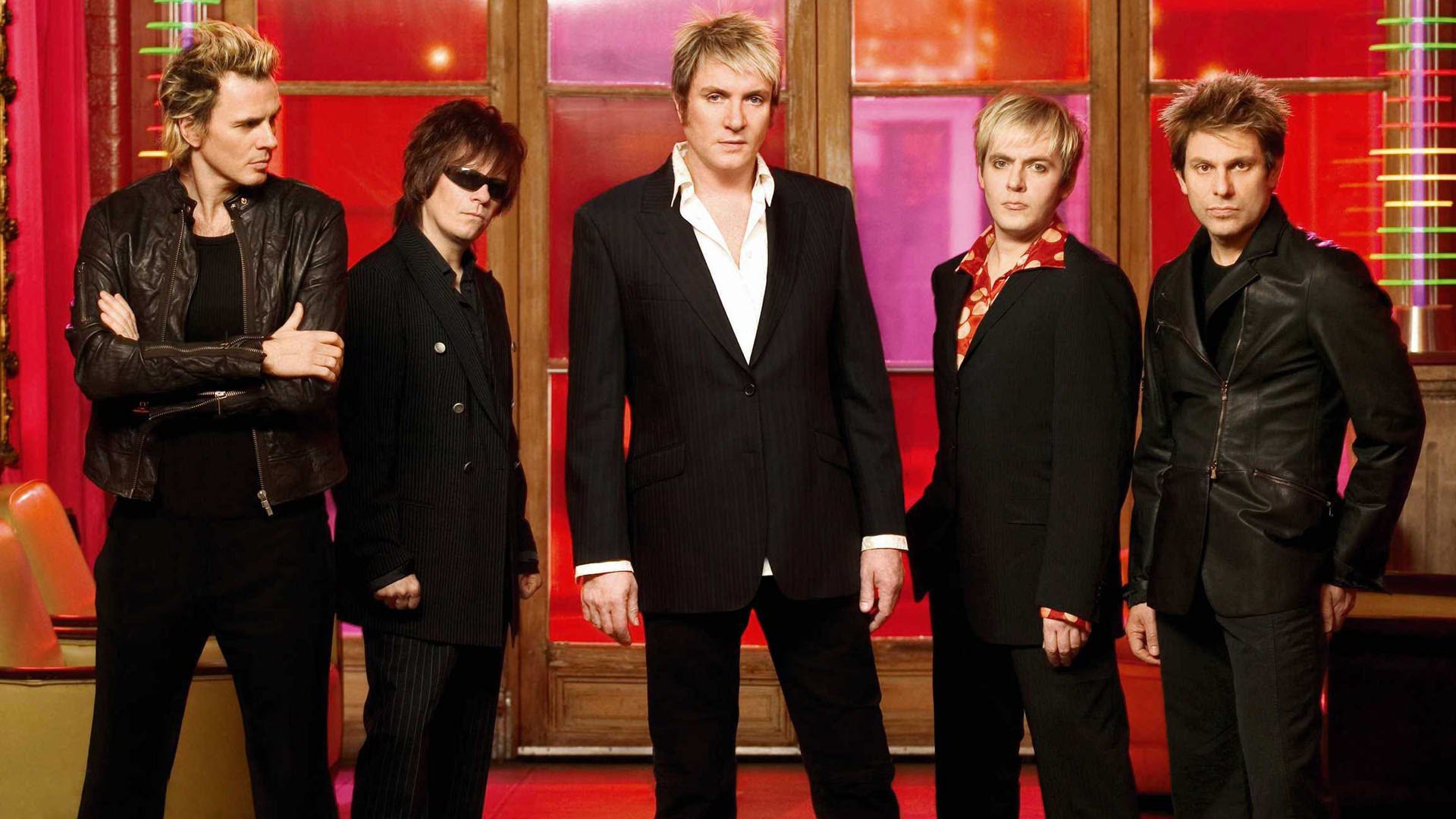
Few bands have defined the sound, style, and swagger of an era quite like Duran Duran. Born from the British new wave explosion of the early 1980s, they weren’t just pop stars — they were icons, blending fashion, art, and music into a dazzling multimedia spectacle. With their cinematic music videos, sharp tailoring, and genre-defying sound, Duran Duran captured the hearts of millions and redefined what it meant to be a band in the video age. But their legacy didn’t stop with the ’80s — they evolved, adapted, and kept delivering hits that resonated across decades.
From the neon-lit dance floors of “Rio” to the haunting introspection of “Ordinary World”, their music has spanned synth-pop, rock, funk, and beyond. Whether you’re a lifelong fan or just discovering their catalog, this list dives into the Top 10 Most Popular Duran Duran Songs of All Time, celebrating the tracks that not only topped charts but also stood the test of time. These aren’t just songs — they’re moments, movements, and memories wrapped in unforgettable melodies. So crank up the volume and join us on a journey through the hits that made Duran Duran one of the most beloved bands in pop history.
1. Hungry Like the Wolf (1982)
Released in 1982, “Hungry Like the Wolf” wasn’t just a single — it was a seismic shift that launched Duran Duran into the stratosphere of international stardom. Propelled by John Taylor’s slinky bassline and Simon Le Bon’s urgent, almost feral vocals, the song fused new wave cool with a primal energy that was hard to resist. It was slick, sexy, and cinematic — qualities that perfectly matched the now-iconic music video filmed in Sri Lanka. Inspired by Raiders of the Lost Ark, the video played like a mini adventure film, full of steamy jungle scenes and high drama, and quickly became a staple on MTV, which was still in its early days. The track’s combination of rhythmic synths, exotic imagery, and raw vocal charisma tapped into something deeply instinctive and universally appealing. It marked a moment when sound and vision truly collided — and Duran Duran mastered both. “Hungry Like the Wolf” didn’t just put the band on the map; it helped define the sound and style of a generation, cementing their role as not just pop stars, but pop culture pioneers in the new visual age.
2. Ordinary World (1992)
By 1992, many had written off Duran Duran as relics of the flashy ’80s, but “Ordinary World” proved they still had emotional and musical depth to spare. Featured on The Wedding Album, this tender ballad offered a dramatic shift in tone and maturity. Simon Le Bon’s voice is aching and reflective as he processes personal grief, and Warren Cuccurullo’s soaring guitar work adds a cinematic sweep that elevates the track beyond typical pop fare. What’s most striking is the vulnerability — a far cry from the confident swagger of their early hits. Instead of chasing trends, Duran Duran leaned into timeless songwriting, crafting a track that felt heartfelt and authentic. Its lush production and graceful pacing made it equally at home on adult contemporary stations and alternative playlists, broadening the band’s reach. “Ordinary World” climbed the charts around the globe, reminding everyone that Duran Duran wasn’t just a band of pretty faces and pastel suits — they were seasoned artists capable of profound emotional resonance. The song endures as one of their most beloved and universal pieces, showing that even in reinvention, they never lost their melodic core.
3. Rio (1982)
“Rio,” the title track of Duran Duran’s second album, is nothing short of a jubilant explosion of color, rhythm, and excess — a sonic snapshot of the early ’80s at their most vibrant. Released in 1982, the song pulses with a sense of carefree adventure, carried by Nick Rhodes’ shimmering synths, Andy Taylor’s bright guitar work, and an instantly recognizable saxophone line that kicks things into full celebration mode. Simon Le Bon’s lyrics are whimsical and cryptic, painting a picture of a mythical woman and exotic escape, perfectly aligned with the band’s love for fantasy and glamour. But “Rio” didn’t just sound great — it looked great. The accompanying video, with the band cavorting on a yacht in tropical waters, became an iconic image of the MTV era. Dressed in pastel suits and exuding playful confidence, they embodied the idea of escapist pop. “Rio” was more than a song; it was a lifestyle — aspirational, stylish, and irresistibly fun. It helped solidify Duran Duran as not just music makers, but brand-builders of a visual, cinematic pop experience that would define the decade.
4. Girls on Film (1981)
When “Girls on Film” dropped in 1981, Duran Duran made it clear they were not here to play it safe. The track’s driving beat, sharp guitar stabs, and hypnotic synth layers created a seductive backdrop for Simon Le Bon’s sly critique of how women were portrayed in media. It was both a dancefloor anthem and a commentary, which made it stand out from the crowd of post-punk acts emerging at the time. But what truly ignited controversy — and cemented their rebellious image — was the infamous music video. Featuring risqué scenes of lingerie-clad models and playful, provocative setups, it was banned by the BBC and censored for broader television audiences. Ironically, the backlash only added fuel to the song’s success. “Girls on Film” thrust the band into the spotlight, not just for their music but for their willingness to challenge visual norms. Despite its flashy surface, the song’s subtext tackled exploitation and voyeurism — themes that would recur throughout the band’s work. In a single stroke, Duran Duran established themselves as provocateurs and visionaries, using controversy not just as a tool for fame but as a canvas for creative expression.
5. The Reflex (1984)
“The Reflex” is Duran Duran at their most playful and unpredictable. Released in 1984 and remixed by the legendary Nile Rodgers, this single exploded with a funky, off-kilter energy that felt like a sonic jigsaw puzzle — one that somehow fit together perfectly. The track is packed with vocal stutters, digital effects, cryptic lyrics, and a dynamic rhythm that refuses to sit still. Le Bon’s voice dances across the beat, teasing and taunting, while the chorus bursts with catchy hooks and danceable grooves. The remix — a far cry from the more restrained album version — brought a kinetic pulse to the song, making it a club staple and radio smash. “The Reflex” became Duran Duran’s first No. 1 hit in the U.S. and was a chart-topper in the UK as well. Its success wasn’t just due to the band’s charm — it showcased their willingness to push pop boundaries and experiment with sound. It was unpredictable, weirdly wonderful, and perfectly suited to the bold aesthetics of mid-‘80s music. This was Duran Duran embracing the strange and making it irresistible.
6. Save a Prayer (1982)
“Save a Prayer” offered a moment of quiet beauty amid the glitter and flash of Rio. Released in 1982, this haunting ballad shimmered with emotional depth and melodic grace. Opening with an ethereal synth line and slowly building into a lush arrangement, the track captured a sense of yearning and melancholy rarely seen in early ‘80s pop. Simon Le Bon’s lyrics reflect on fleeting romantic encounters, infusing them with bittersweet significance. It’s a song about connection — brief, intense, and unforgettable. The music video, also shot in Sri Lanka like “Hungry Like the Wolf,” added a dreamlike quality to the song, blending spiritual imagery with exotic landscapes. Though it wasn’t immediately released as a U.S. single, “Save a Prayer” became a fan favorite and a staple of the band’s live shows. It stands as proof that Duran Duran could craft introspective, emotionally rich music while still maintaining their signature style. “Save a Prayer” is both intimate and epic — a meditation on love and impermanence wrapped in a gorgeously atmospheric soundscape.
7. A View to a Kill (1985)
“A View to a Kill” marked a cinematic high point for Duran Duran, as the only James Bond theme song ever to hit No. 1 on the U.S. charts. Released in 1985 and created for the Roger Moore-starring film of the same name, the track fused the band’s sleek new wave style with the orchestral drama of classic Bond scores. Co-written with legendary composer John Barry, the song blends thunderous guitar riffs, suspenseful strings, and Le Bon’s suave, commanding vocals. It’s a perfect marriage of spy-thriller elegance and pop swagger. The accompanying video — part concert footage, part tongue-in-cheek Bond parody — added to the fun, showing the band fully leaning into the espionage fantasy. “A View to a Kill” captured the intersection of two massive cultural forces — the glam of Bond and the flash of Duran Duran — making it an instant classic. More than a soundtrack entry, it stands on its own as a stylish, high-stakes anthem that proved the band could dominate not only the pop charts but also the silver screen.
8. Notorious (1986)
In 1986, with lineup changes shaking the foundation of Duran Duran, the band boldly reinvented themselves with “Notorious.” Gone were original members Andy and Roger Taylor, but in came producer Nile Rodgers, who injected the track with his signature funk and rhythmic precision. The result was a sharp, confident groove that ushered in a new era for the band. The stuttering “no-no-notorious” hook became an instant earworm, anchoring a slick arrangement full of punchy horns and a tight, percussive groove. Le Bon’s vocals swagger with assurance, signaling that Duran Duran wasn’t going anywhere — they were evolving. “Notorious” bridged the gap between the synth-driven excess of the early ‘80s and the funk-pop trends of the late decade. It was cooler, smoother, and unmistakably adult — but still unmistakably Duran Duran. The song’s success proved their adaptability and showed that beneath the glitter and gloss, they were savvy musicians capable of navigating a changing musical landscape without losing their edge.
9. Come Undone (1993)
“Come Undone” emerged in 1993 as one of Duran Duran’s most sensual and haunting creations. Released as the follow-up single to “Ordinary World,” the track showed a different side of the band — quieter, moodier, and deeply atmospheric. Built on a hypnotic groove, ambient textures, and swirling guitar lines, the song wraps listeners in a lush, emotional fog. Simon Le Bon’s vocals are subdued and intimate, delivering lines that feel like confessions whispered in the dark. Adding to the depth is the haunting harmony from backing vocalist Tessa Niles, whose voice weaves beautifully with Le Bon’s. The production is rich without being overwhelming, giving the track a slow-burning intensity that resonates long after it ends. “Come Undone” was proof that Duran Duran wasn’t just surviving the ’90s — they were mastering its subtler moods. It became a hit on both sides of the Atlantic and remains a fan favorite for its mature, sultry vibe. With this track, the band proved they could be both introspective and irresistible, evolving their sound without sacrificing their emotional core.
10. Planet Earth (1981)
“Planet Earth” was the spark that ignited Duran Duran’s career — a bold, futuristic debut that instantly set them apart in the emerging new wave scene of the early ’80s. Released in 1981, the song pulses with angular guitar riffs, driving synth rhythms, and an almost otherworldly cool. Lyrically, it’s steeped in imagery of space and isolation, reflecting the post-punk fascination with alienation and the unknown, while also tipping its hat to the growing New Romantic movement. Simon Le Bon delivers the lines with icy precision, his voice matching the sleek, forward-looking aesthetic the band would soon become famous for. With its pulsating beat and style-forward visual presentation, “Planet Earth” didn’t just launch a band — it launched a vision. Even early on, Duran Duran wasn’t content with the ordinary; they aimed to redefine what pop music could look and sound like. The track charted respectably in the UK and marked the beginning of their ascent into global fame. “Planet Earth” remains a thrilling, essential introduction to a band that was never afraid to think big — or beyond this world.

Samuel Moore is a frequent contributor to Singers Room. Since 2005, Singersroom has been the voice of R&B around the world. Connect with us via social media below.









