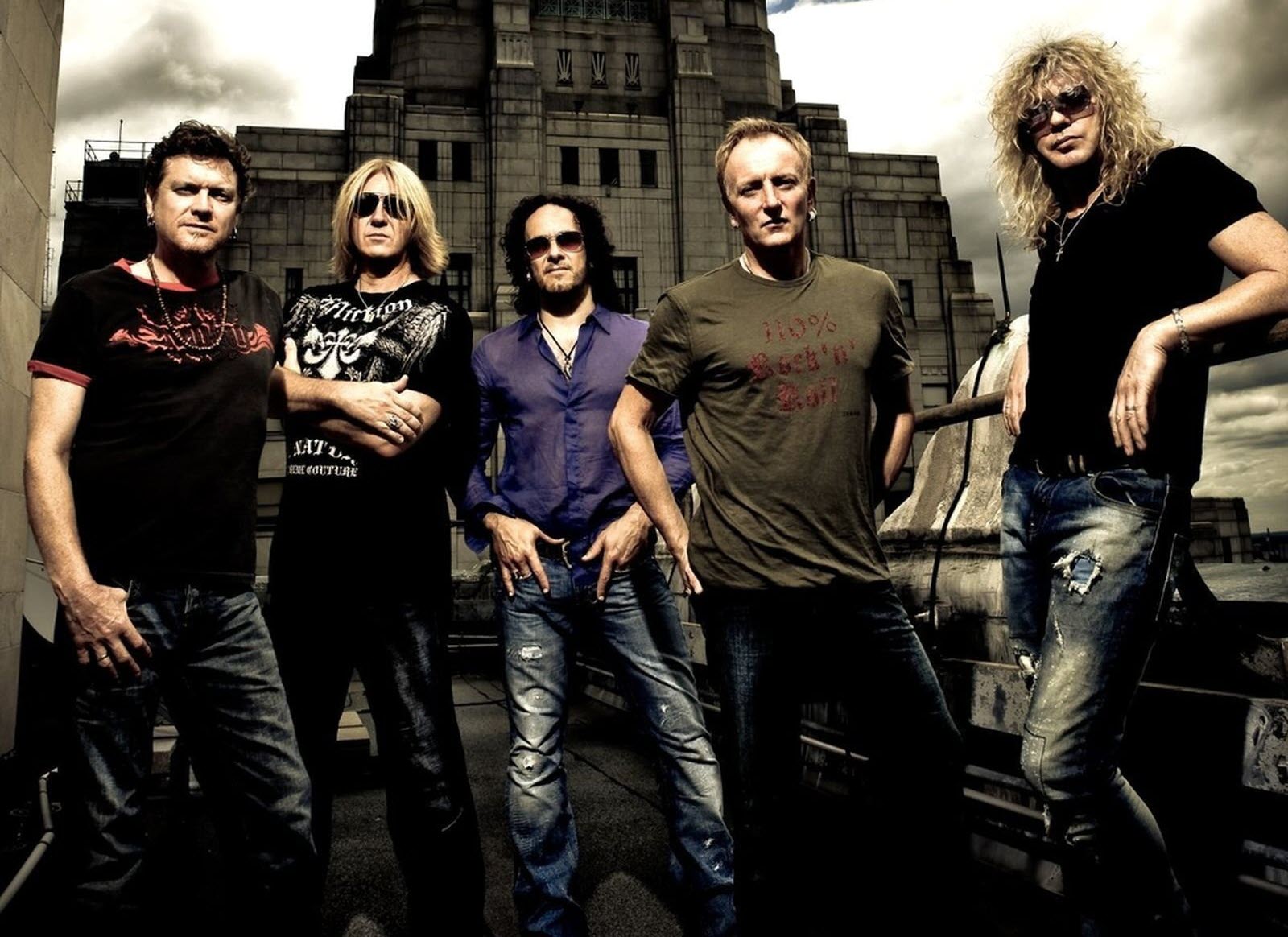
Few bands have left a mark on rock history quite like Def Leppard. With their explosive blend of hard rock riffs, anthemic choruses, and glossy production, they became one of the defining acts of the 1980s—and their legacy still echoes through arenas and playlists today. From the gritty clubs of Sheffield to the biggest stages in the world, Def Leppard’s journey is the stuff of rock legend: overcoming tragedy, pioneering a new sound, and delivering hit after hit that continues to energize generations of fans. Whether it’s the pounding pulse of “Pour Some Sugar on Me” or the haunting emotion of “Love Bites,” their songs are more than music—they’re electrifying moments in time. In this list, we’re diving into the top 10 most popular Def Leppard songs of all time, based on impact, fan favorites, and lasting appeal. These aren’t just tracks—they’re anthems that helped shape the sound of a decade. So crank up the volume, throw on your denim jacket, and get ready to revisit the rock ‘n’ roll glory of one of the greatest bands to ever plug in a guitar. This is Def Leppard at their finest—timeless, powerful, and undeniably epic.
1. Pour Some Sugar on Me (1987)
When “Pour Some Sugar on Me” dropped in 1987 as part of Hysteria, it wasn’t just another track—it became a cultural phenomenon. What started as a late addition to the album quickly evolved into Def Leppard’s signature anthem and one of the most iconic songs of the glam-metal era. Built around a seductive groove, gritty vocals from Joe Elliott, and a bombastic, stadium-sized chorus, the song practically demands you sing along. Its suggestive lyrics and infectious rhythm made it a staple on MTV, where the video played in heavy rotation and introduced the band to millions of new fans. The track perfectly captured the over-the-top energy of late-’80s rock—flashy, fun, and unapologetically loud. It quickly shot up the charts and became a defining hit not only for the band but for a whole generation of rock fans. Whether blasting through arena speakers or echoing from a dive bar jukebox, “Pour Some Sugar on Me” remains a rock-and-roll rally cry. It’s more than just a hit song—it’s a full-on sensory overload that celebrates everything bold, brash, and decadent about the golden age of hair metal.
2. Photograph (1983)
“Photograph” was the track that launched Def Leppard into the stratosphere. Released in 1983 as the lead single from Pyromania, it marked the band’s true breakout moment on the international stage. With its explosive guitar riff, catchy chorus, and a sleek production sheen courtesy of producer Mutt Lange, the song fused hard rock aggression with pop sensibility—an irresistible combination that defined ‘80s rock. Joe Elliott’s vocals captured a mix of longing and intensity, perfectly complementing the song’s lyrics about obsession and unattainable desire. The accompanying music video became an MTV staple, helping the band tap into the booming visual music culture of the time. “Photograph” hit No. 12 on the Billboard Hot 100 and helped Pyromania sell millions of copies. More than just a commercial success, the song shaped the sound of the decade and influenced countless rock bands that followed. Its balance of melody, power, and polish still resonates today, making it not just a highlight of Def Leppard’s catalog, but one of the essential tracks of ‘80s rock. It’s the kind of song that makes you roll down the windows, crank the volume, and sing like nobody’s watching.
3. Love Bites (1987)
Released in 1987 on Hysteria, “Love Bites” revealed a side of Def Leppard that many hadn’t seen before. Known for their high-octane rock anthems, the band took a softer, more emotionally charged turn with this brooding power ballad. Built on a lush foundation of layered guitars, moody textures, and Joe Elliott’s aching vocals, the song explores the pain of love with surprising tenderness. The title itself is a clever double entendre, hinting at both romance and heartbreak. What sets “Love Bites” apart is its haunting atmosphere—equal parts vulnerability and drama—that builds slowly before erupting into a sweeping chorus. The meticulous production by Mutt Lange gives the song an almost cinematic quality, amplifying every emotion with precision. When it hit No. 1 on the Billboard Hot 100 in 1988, it became the band’s first and only U.S. chart-topper, proving they could connect just as powerfully through heartbreak as they did through riffs. “Love Bites” remains a standout moment in Def Leppard’s career, showing that even in an era defined by excess, raw emotion still had the power to rise to the top.
4. Hysteria (1987)
The title track from Def Leppard’s 1987 masterpiece Hysteria is a shimmering, dreamlike song that perfectly captures the album’s polished aesthetic. Unlike the heavy-hitting rockers that defined earlier albums, “Hysteria” trades distortion for atmosphere, leaning into a lush, cinematic sound. The track floats on a hypnotic guitar line, rich harmonies, and Joe Elliott’s smooth, romantic vocals, creating a vibe that’s more intimate and immersive than explosive. Lyrically, it touches on obsession and longing, painting love as both a fever and a trance. It’s a slow burn that draws you in deeper with each verse, unfolding like a sonic daydream. Though not as flashy as “Pour Some Sugar on Me” or “Rocket,” “Hysteria” quietly became one of the band’s most beloved songs. It charted well and found a home in the hearts of fans who appreciated its emotional resonance and stylistic finesse. This track showcased Def Leppard’s growth as songwriters and musicians, proving they could do more than just rock hard—they could evoke, reflect, and mesmerize. It’s not just a standout from the album—it’s the soul of it.
5. Rock of Ages (1983)
“Rock of Ages,” from 1983’s Pyromania, kicks off with one of rock’s most unforgettable intros: “Gunter glieben glauchen globen.” While the phrase itself is nonsense, it instantly became a signature moment in rock history, setting the tone for what’s to come—a powerful, no-holds-barred anthem to the enduring spirit of rock ‘n’ roll. Fueled by Joe Elliott’s commanding vocals, Steve Clark’s crunchy guitar riffs, and Mutt Lange’s layered production, “Rock of Ages” is loud, proud, and made for fists in the air. The chorus is a chant, the kind you can’t help but scream along to, and the entire track pulses with a sense of unstoppable momentum. It celebrates music’s ability to transcend time and trend, anchoring itself in pure attitude. The song climbed into the Top 20 on the Billboard Hot 100 and quickly became a staple of Def Leppard’s live shows. Even decades later, it remains a defining anthem for the band—one that captures the raw, unapologetic energy of early ‘80s arena rock. It’s not just a song; it’s a declaration: rock isn’t going anywhere.
6. Animal (1987)
“Animal” marked a pivotal comeback for Def Leppard when it dropped in 1987 as the lead single from Hysteria. After drummer Rick Allen’s devastating car accident, which resulted in the loss of his left arm, the band faced uncertainty. “Animal” was the answer—a triumphant, tightly crafted track that reintroduced the world to a reinvented, resilient Def Leppard. The song blends melodic pop-rock with a pulsing, animalistic energy, making it an instant hit on both sides of the Atlantic. Its chorus is built for sing-alongs, and the production is sleek without sacrificing emotional intensity. Joe Elliott’s vocals ride effortlessly over layers of harmonies and glittering guitar lines, creating a sound that’s both polished and primal. It became the band’s first Top 10 hit in the UK and helped pave the way for Hysteria’s massive global success. Beyond its chart performance, “Animal” signaled that the band was still evolving, still hungry, and still at the top of their game. It remains a fan favorite, beloved for its undeniable hooks and the triumphant spirit behind its creation.
7. Bringin’ On the Heartbreak (1981)
Long before Def Leppard became arena rock giants, they showed flashes of brilliance on 1981’s High ‘n’ Dry, particularly with “Bringin’ On the Heartbreak.” One of the first true rock power ballads to gain significant exposure on MTV, the song helped bridge the gap between raw heavy metal and polished rock radio. It starts quietly, with melancholic guitar picking and Joe Elliott’s plaintive vocals, before swelling into a powerful, emotionally charged chorus. The twin guitar attack of Steve Clark and Pete Willis adds both beauty and bite, weaving intricate melodies that elevate the song’s emotional pull. Though it didn’t initially chart high, a 1984 remix breathed new life into it, bringing the song into wider rotation and helping cement it as a rock classic. “Bringin’ On the Heartbreak” proved that Def Leppard could deliver more than high-octane anthems—they could also tap into vulnerability and heartache. It laid the groundwork for the genre’s future ballads and remains one of the most poignant and enduring tracks in the band’s early catalog.
8. Foolin’ (1983)
Released in 1983 on the massively successful Pyromania, “Foolin’” is a dynamic rollercoaster of a song that seamlessly fuses melody and power. It begins with a deceptively soft, acoustic-tinged intro that hints at vulnerability and introspection, only to explode into a driving rock anthem brimming with urgency and grit. The track captures the emotional complexity of love and deception, and Joe Elliott’s vocals shift effortlessly between tenderness and defiance. Mutt Lange’s production is once again masterful—layering harmonies, guitars, and drums in a way that’s both tight and explosive. The song’s dramatic structure, along with a memorable video that received heavy MTV rotation, helped it break into the Billboard Hot 100 and secure its place as a fan favorite. “Foolin’” encapsulates everything great about Def Leppard during their Pyromania era: catchy melodies, emotional depth, and an instinct for crafting songs that feel both massive and personal. It’s a standout track that reveals the band’s range, proving they could go from soft to thunderous without missing a beat.
9. Armageddon It (1987)
“Armageddon It,” released in 1987 as part of Hysteria, is one of Def Leppard’s most playful and infectious hits. With its cheeky title and swaggering groove, the song blends pop sensibility with rock bravado in classic Leppard fashion. Built around a funky guitar riff and a call-and-response chorus, it radiates confidence, fun, and just the right amount of mischief. Joe Elliott delivers the lyrics with a wink, while the band backs him with pristine harmonies and tight musicianship. The production is pure Mutt Lange—polished to perfection without losing any edge. The song peaked at No. 3 on the Billboard Hot 100, continuing the band’s chart-topping streak from Hysteria. It might not be as emotionally deep as some of the band’s ballads, but “Armageddon It” thrives on its sense of fun. Whether you’re blasting it in your car or hearing it at a concert, it demands movement and participation. It’s not just a song—it’s a rock party in three and a half minutes, and it proves that sometimes, a little attitude goes a long way.
10. Too Late for Love (1983)
“Too Late for Love,” a standout from 1983’s Pyromania, reveals Def Leppard’s darker, more introspective side. Opening with a moody, minor-key guitar riff and a subdued vocal performance from Joe Elliott, the song sets a somber tone right from the start. It slowly builds, layer by layer, into a thunderous chorus that bursts with emotional intensity and cinematic grandeur. The track explores themes of heartbreak, regret, and emotional isolation—topics the band rarely ventured into at such depth. The production by Mutt Lange is meticulous, creating an expansive soundscape where every element feels precisely placed. The dual guitars of Steve Clark and Phil Collen add richness and drama, creating moments of tension and release that elevate the song beyond standard rock fare. While it wasn’t one of their biggest chart hits, “Too Late for Love” has earned its place as a deep-cut favorite among diehard fans. It’s a track that showcases the band’s ability to blend theatrical storytelling with hard rock edge, proving they were more than just a hit machine—they were artists capable of true emotional resonance.

Samuel Moore is a frequent contributor to Singers Room. Since 2005, Singersroom has been the voice of R&B around the world. Connect with us via social media below.









