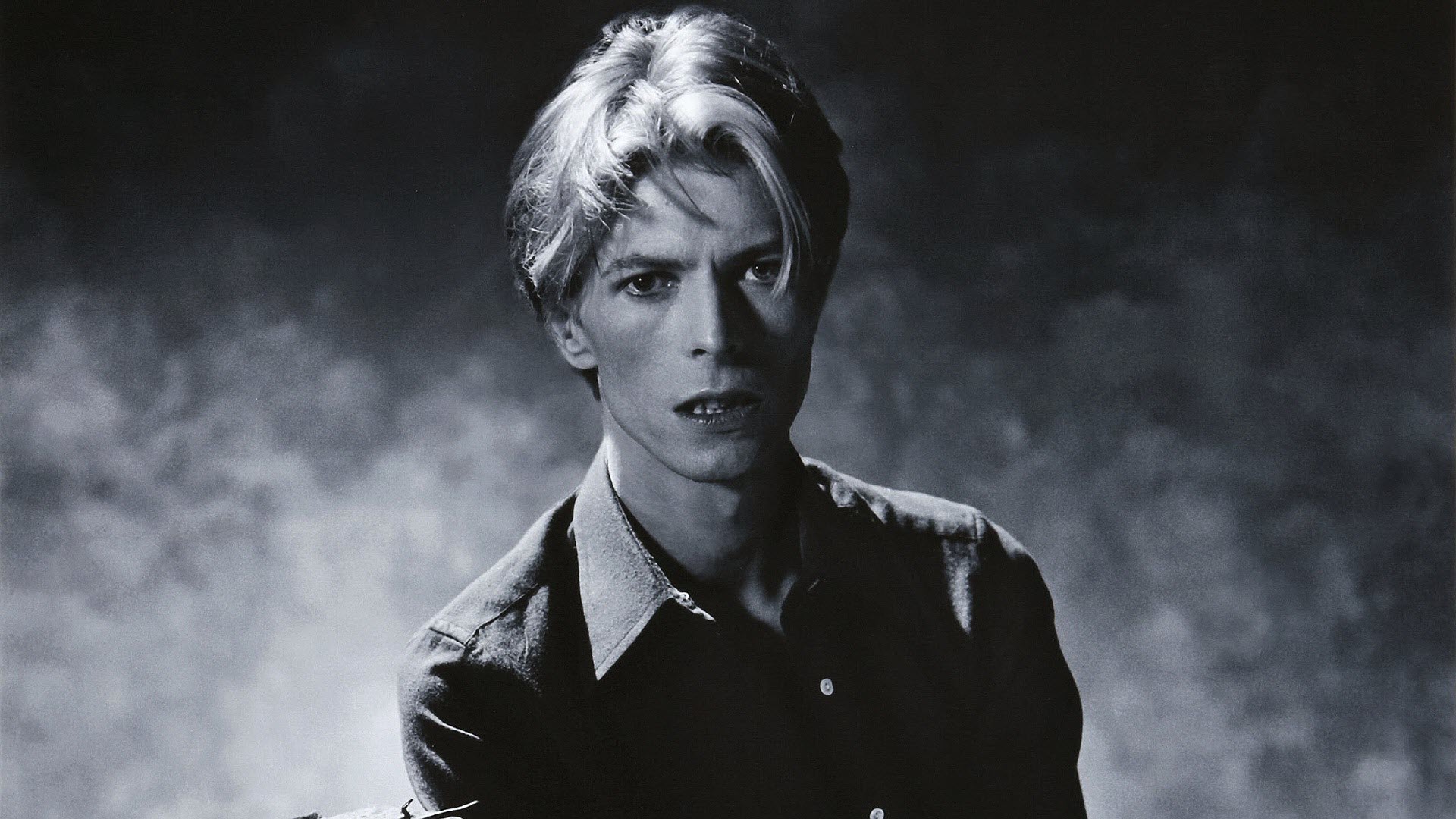
David Bowie, a true chameleon of music and style, has left an indelible mark on the world of rock and pop. With his innovative soundscapes and unforgettable personas, Bowie transcended genres and generations, captivating audiences from the 1960s until his passing in 2016. His ability to reinvent himself while tackling themes of identity, love, and the human experience made his music not just entertaining, but profoundly impactful.
As we delve into the top 10 most popular David Bowie songs of all time, prepare for a journey through his eclectic discography, which spans decades and styles—from glam rock to soul, and beyond. Each track tells a unique story, showcasing Bowie’s unparalleled artistry and his knack for pushing musical boundaries. Whether you’re a lifelong fan or newly discovering his genius, this list promises to celebrate the anthems that defined a generation and continue to inspire artists today. Get ready to explore the songs that not only shaped Bowie’s legacy but also left an enduring influence on the landscape of music itself. Let’s turn up the volume and dive into the brilliance of David Bowie!
1. “Space Oddity” (1969)
“Space Oddity” is a haunting, imaginative journey that captures the awe and loneliness of space travel. Released in 1969, just days before the Apollo 11 moon landing, the song introduced the world to Major Tom, an isolated astronaut whose drifting into the void becomes a metaphor for alienation and the unknown. Bowie blends ethereal vocals with dramatic orchestration and acoustic guitar to create a truly cinematic soundscape. The track’s innovative production, which includes stylized countdowns and spacey sound effects, was groundbreaking for its time and marked Bowie’s first major hit. But beyond its surface, “Space Oddity” reflects the social unrest and existential questions of the era, tapping into fears about technology, identity, and isolation. Bowie’s melancholy voice floats effortlessly through the swirling mix, painting a portrait of solitude that’s both beautiful and unsettling. The accompanying music video, with its futuristic visuals and stylized aesthetic, helped cement the song’s place as an iconic piece of pop culture. More than just a song about space, “Space Oddity” is a powerful meditation on what it means to lose contact—with home, with humanity, and with ourselves. It’s a timeless classic that continues to resonate across generations.
2. “Changes” (1971)
“Changes” stands as one of David Bowie’s most enduring and introspective anthems. Released in 1971 on Hunky Dory, the track captures the fluidity of identity, art, and life itself. With a jazzy piano riff leading the way, the song opens with Bowie’s now-iconic stutter—“Ch-ch-ch-ch-changes”—instantly grabbing the listener’s attention. Lyrically, Bowie reflects on the inevitability of transformation and the struggle to break free from societal expectations. It’s both deeply personal and universally relatable, offering encouragement to those grappling with their own evolution. His voice moves from playful to contemplative, layering emotional complexity into each verse. The instrumentation is simple yet striking, highlighting the song’s lyrical depth without overshadowing it. “Changes” became especially significant as Bowie continued to reinvent himself throughout his career, embodying the message of the song in real time. It has since been embraced as a cultural touchstone—an anthem for anyone who’s ever felt the need to grow, redefine themselves, or start over. Its inclusion in films, tributes, and public moments of reflection has only deepened its impact. Bowie’s invitation to embrace the unknown remains as relevant today as it was over five decades ago.
3. “Heroes” (1977)
“Heroes” is more than a love song—it’s a sweeping anthem of hope, defiance, and the possibility of transcendence in the face of despair. Released in 1977 during Bowie’s Berlin period, the song tells the poignant story of two lovers separated by the Berlin Wall, kissing in defiance of the world around them. Inspired by a real couple Bowie observed from the recording studio window, the lyrics are simple yet powerful, speaking to the human spirit’s resilience. With a driving rhythm, glistening synths, and Robert Fripp’s soaring guitar work, the track builds with breathtaking intensity. Bowie’s vocal performance starts soft and reserved but crescendos into a passionate, almost desperate cry, echoing the need to seize fleeting moments of courage and connection. “We can be heroes, just for one day” became a universal rallying cry—not just politically, but emotionally and spiritually. Its message has been adopted by freedom movements, tributes, and humanitarian causes around the world. “Heroes” remains one of Bowie’s most beloved and culturally significant works, capturing both a specific historical moment and an eternal truth: love and bravery can still thrive, even in the most divided places.
4. “Rebel Rebel” (1974)
“Rebel Rebel” is Bowie’s glam rock anthem for misfits, outcasts, and anyone who’s ever dared to be different. Released in 1974 on Diamond Dogs, the song is built around one of the most iconic guitar riffs in rock history—an infectious, gritty loop that instantly grabs your attention. Bowie’s lyrics celebrate gender-bending fashion and youthful rebellion, offering a fierce declaration of identity at a time when norms were being questioned and redefined. “You’ve got your mother in a whirl / She’s not sure if you’re a boy or a girl” sets the tone with unapologetic flair. With its raw sound and rebellious attitude, the track bridges the gap between glam and punk, influencing a generation of artists to embrace authenticity and nonconformity. Bowie’s voice carries swagger and cheekiness, as if he’s in on the joke but also dead serious about it. Despite not featuring a flashy production or studio polish, “Rebel Rebel” thrives on its raw energy and bold message. It remains a staple in Bowie’s catalog, a reminder that being yourself—loudly and proudly—is the most radical act of all. It’s Bowie at his most stripped-down and rebellious.
5. “Starman” (1972)
“Starman” is a glittering invitation to dream, a beacon of hope from the stars, and a cornerstone of Bowie’s Ziggy Stardust mythology. Released in 1972 on The Rise and Fall of Ziggy Stardust and the Spiders from Mars, the song introduces a celestial messenger who brings salvation to Earth’s youth through the power of music. Blending rich melodies with Bowie’s expressive vocals, “Starman” taps into the loneliness and longing felt by many during the early ’70s. The chorus—“There’s a starman waiting in the sky”—lifts the track into the stratosphere, its soaring harmonies and whimsical instrumentation inviting listeners to imagine a world beyond their struggles. A key moment in the song’s history was Bowie’s appearance on Top of the Pops, where his flamboyant performance and androgynous look left an indelible mark on viewers, especially young people looking for someone to represent them. “Starman” isn’t just about extraterrestrials; it’s about escapism, connection, and the magic of believing in something greater. It opened the door for Bowie’s Ziggy persona and cemented his role as a cosmic rock icon. Even now, it’s a song that makes you look up and believe the stars might be singing back.
6. “Life on Mars?” (1971)
“Life on Mars?” is one of David Bowie’s most surreal and emotionally charged compositions, a song that captures the disillusionment of youth and the absurdities of modern life. Released in 1971 on the album Hunky Dory, it opens with a melancholic piano line that sets the stage for a whirlwind of vivid imagery. The lyrics read like a fever dream, referencing everything from Mickey Mouse to lawmen beating up the wrong guy. Bowie himself once described it as a “sensitive young girl’s reaction to the media.” Musically, the song builds with orchestral grandeur, showcasing Rick Wakeman’s unforgettable piano work and swelling strings that rise to a powerful crescendo. Bowie’s vocal performance is passionate and theatrical, balancing irony with genuine heartbreak. The song questions reality and escapism, painting a picture of someone staring at the cinema screen, trying to make sense of a senseless world. It’s often interpreted as a critique of consumerism, fame, and the way pop culture distorts our view of life. Yet, it’s also deeply personal and poetic, revealing Bowie’s knack for turning chaos into beauty. “Life on Mars?” remains a quintessential Bowie classic—enigmatic, bold, and hauntingly resonant.
7. “Ashes to Ashes” (1980)
“Ashes to Ashes” is a bold and introspective continuation of Bowie’s mythology, bringing back Major Tom from “Space Oddity” in a much darker light. Released in 1980 on the album Scary Monsters (and Super Creeps), the song takes a more experimental, synth-driven approach, combining new wave elements with Bowie’s signature lyrical complexity. Here, Major Tom isn’t the heroic astronaut of the past, but a broken, possibly drug-addicted figure—a metaphor for Bowie’s own struggles with fame and substance abuse. The line “We know Major Tom’s a junkie” delivers a heavy emotional blow, revealing a theme of disillusionment and personal reckoning. Musically, “Ashes to Ashes” is layered and hypnotic, filled with eerie synths, fractured rhythms, and an unforgettable chorus. The accompanying music video, featuring Bowie in a Pierrot clown costume, was revolutionary in both its imagery and production, helping define the early days of MTV. The song marks a transitional moment for Bowie, bridging the experimental ’70s with the polished but no less innovative ’80s. “Ashes to Ashes” is more than a sequel—it’s a haunting reflection on identity, addiction, and the ghosts we carry with us. It’s Bowie confronting himself with brutal honesty and stunning artistry.
8. “Under Pressure” (1981, with Queen)
“Under Pressure” is a powerhouse duet that brings together two of rock’s most iconic voices—David Bowie and Freddie Mercury. Released in 1981, this Queen and Bowie collaboration has become one of the most beloved anthems of its era, defined by its unforgettable bassline and emotional urgency. What began as an impromptu studio jam evolved into a song that speaks deeply to the human condition. It tackles the overwhelming weight of daily life, the emotional toll of stress, and the desperate need for compassion. Bowie and Mercury’s vocals play off each other beautifully, alternating between vulnerability and power. Their voices clash and complement in a way that’s both dramatic and cathartic. The lyrics emphasize love as the ultimate remedy—“Love dares you to care for the people on the edge of the night.” The track’s minimalist production highlights its raw intensity, while the famous bassline by John Deacon keeps the momentum pulsing forward. “Under Pressure” remains a timeless cry for empathy and unity, a song that reminds us of our shared humanity. Its impact has only grown with time, as listeners continue to find solace and strength in its emotional depth.
9. “Fame” (1975)
“Fame” is a razor-sharp dissection of celebrity and its dark underbelly, delivered with a funky groove that’s impossible to resist. Released in 1975 on the album Young Americans, the track was co-written by David Bowie, Carlos Alomar, and none other than John Lennon, whose influence is woven into both the melody and the cynical bite of the lyrics. Driven by a slinky guitar riff and minimalist funk rhythm, “Fame” marked a significant stylistic shift for Bowie as he embraced soul and R&B sounds. The song’s tone is biting and satirical, with Bowie drawing from his own turbulent experiences in the spotlight. His vocals are sharp and varied—ranging from smooth to snarling—mirroring the emotional rollercoaster of fame itself. Lines like “Fame, what you like is in the limo” cut to the heart of celebrity’s false glamour. The track became Bowie’s first U.S. number one hit, proof that even in critique, he could dominate the charts. More than a catchy tune, “Fame” is a cautionary tale—a funky, danceable mirror reflecting the illusion of stardom and the personal cost of chasing the spotlight.
10. “Let’s Dance” (1983)
“Let’s Dance” marked a defining moment in Bowie’s career, signaling his full transformation into a global pop superstar. Released in 1983 and produced by Nile Rodgers of Chic fame, the track blends post-disco funk with vibrant rock influences, creating a sound that is irresistibly danceable yet richly textured. The opening guitar riff, played by blues legend Stevie Ray Vaughan, adds a soulful edge to the polished production. Bowie’s vocals are confident and commanding, urging listeners to let go of their worries and embrace joy: “Put on your red shoes and dance the blues.” But beneath its upbeat exterior lies a deeper emotional layer—lines like “If you say run, I’ll run with you” hint at vulnerability and devotion. The music video, filmed in Australia, touches subtly on themes of cultural displacement and identity, adding another dimension to the song’s legacy. “Let’s Dance” became one of Bowie’s biggest commercial successes, topping charts worldwide and introducing his artistry to a new generation. It’s a masterclass in reinvention, combining substance with style. Even decades later, “Let’s Dance” remains a vibrant celebration of music’s power to uplift, unite, and transform.

Edward Tomlin is a frequent contributor to Singers Room. Since 2005, Singersroom has been the voice of R&B around the world. Connect with us via social media below.









